

Good water raises good turtles, and good food feeds strong turtles. Compared to frequently changing water and adjusting temperature and humidity, choosing the right turtle food may seem simple, but it is a crucial step in determining a turtle’s health—feeding the wrong food not only causes turtles to refuse food and grow slowly, but in severe cases, it can also lead to problems like enteritis and carapace deformation. Today, we’ll use 3 practical standards to help you pick the turtle food that’s truly right for your own turtle.
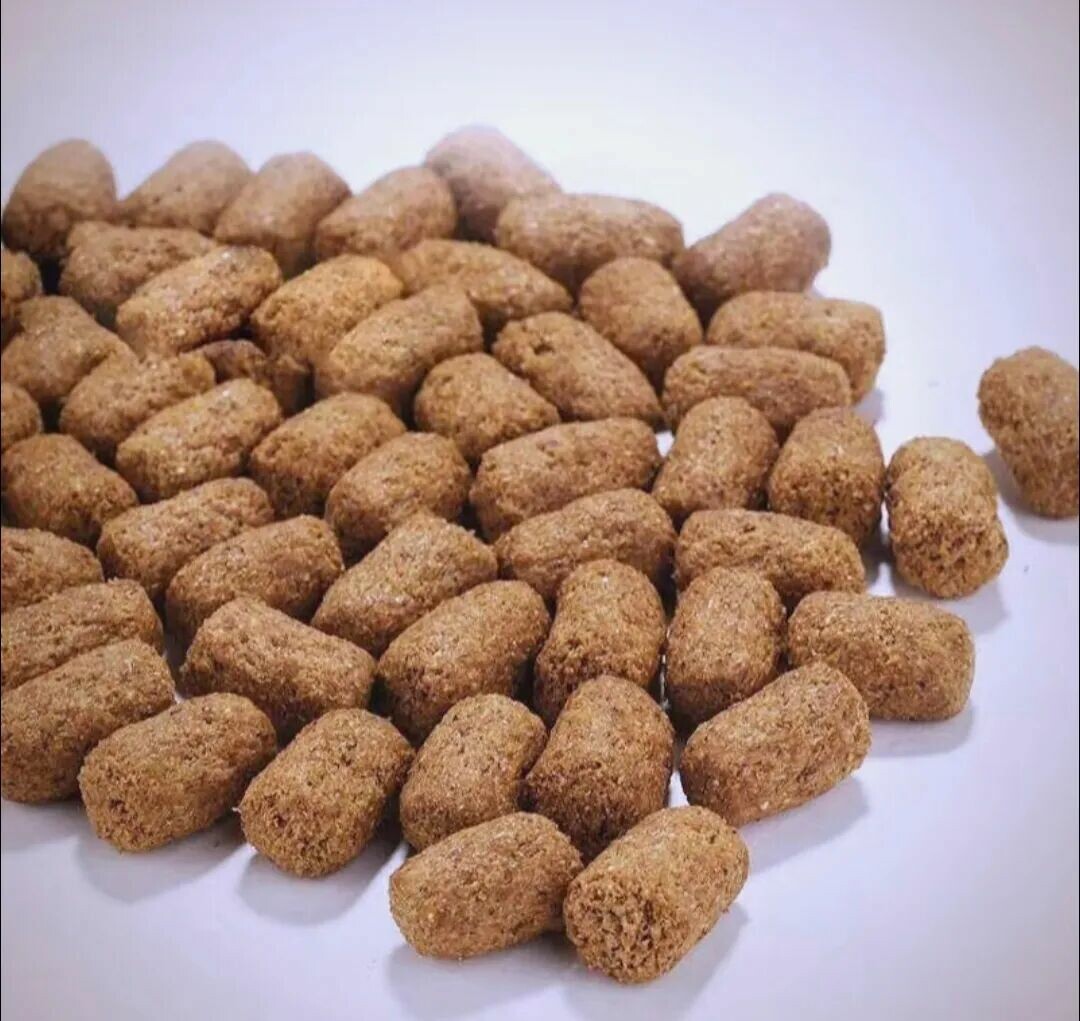
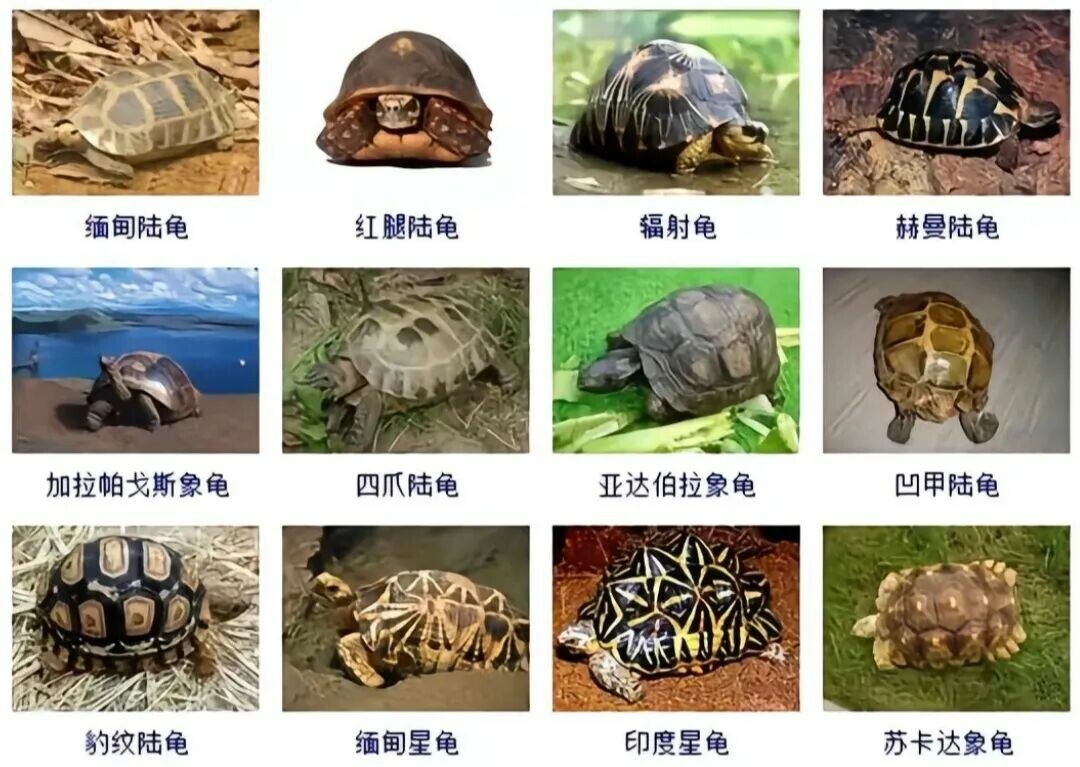
First, Consider the Turtle Species—Don’t Let a Tortoise Eat Aquatic Turtle Food
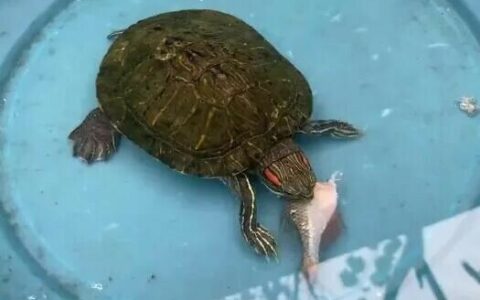
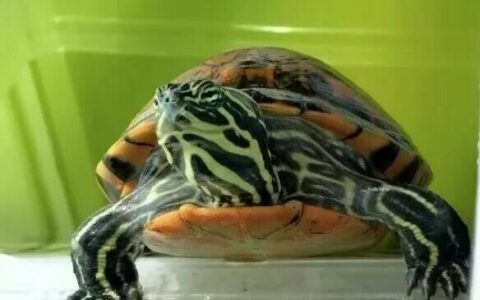
Aquatic turtles (e.g., Red-eared sliders, Reeves’s turtles): In the wild, their staple diet consists of fish, shrimp, and snails. Their food needs to meet a high demand for animal protein (crude protein content recommended ≥40%). It’s best if it includes additives like Astaxanthin and Spirulina to help enhance their coloration and protect their shells.
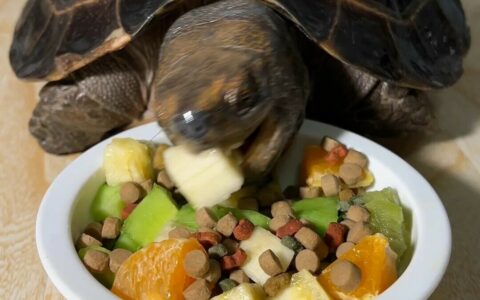
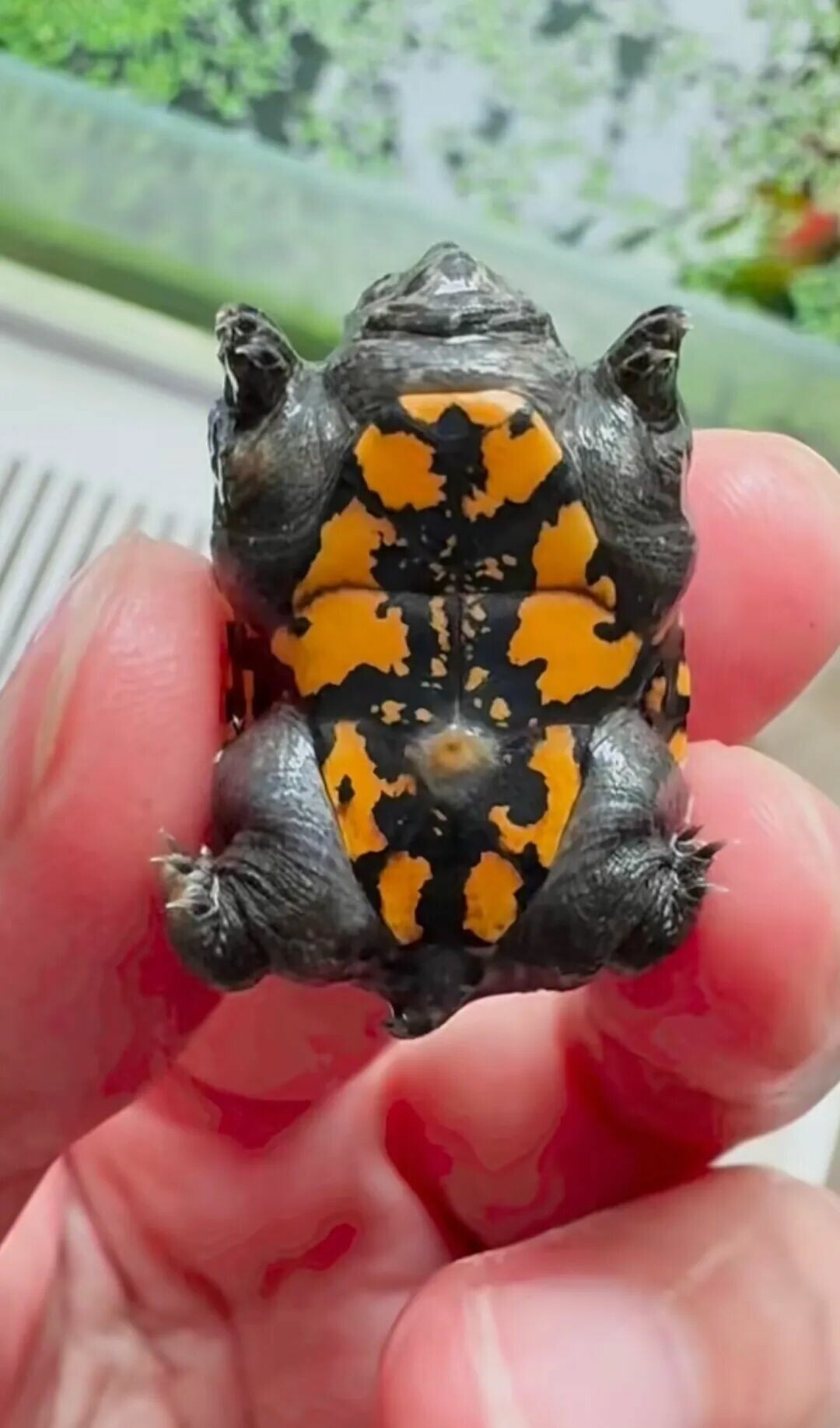
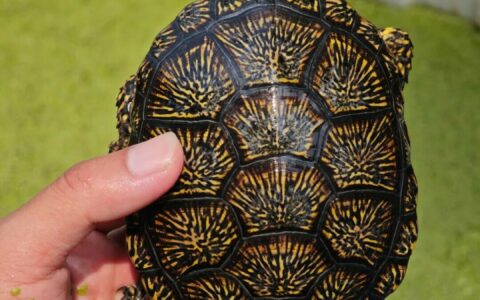
Semi-aquatic turtles (e.g., Yellow-margined box turtles, Keeled box turtles): They are omnivorous and have a preference for fruits and vegetables. When choosing food, prioritize those with “balanced animal and plant protein” (crude protein ≥30%). The ingredient list should preferably include plant components like pumpkin and carrots to simulate their natural omnivorous habits.
Tortoises (e.g., Sulcata tortoises, Radiated tortoises): They are strict herbivores, and feeding them high-animal-protein food is strictly forbidden! Focus on selecting high-fiber, low-protein options (crude protein ≤15%), with ingredients primarily consisting of Timothy hay and Alfalfa hay, to prevent bladder stones caused by excessive protein.
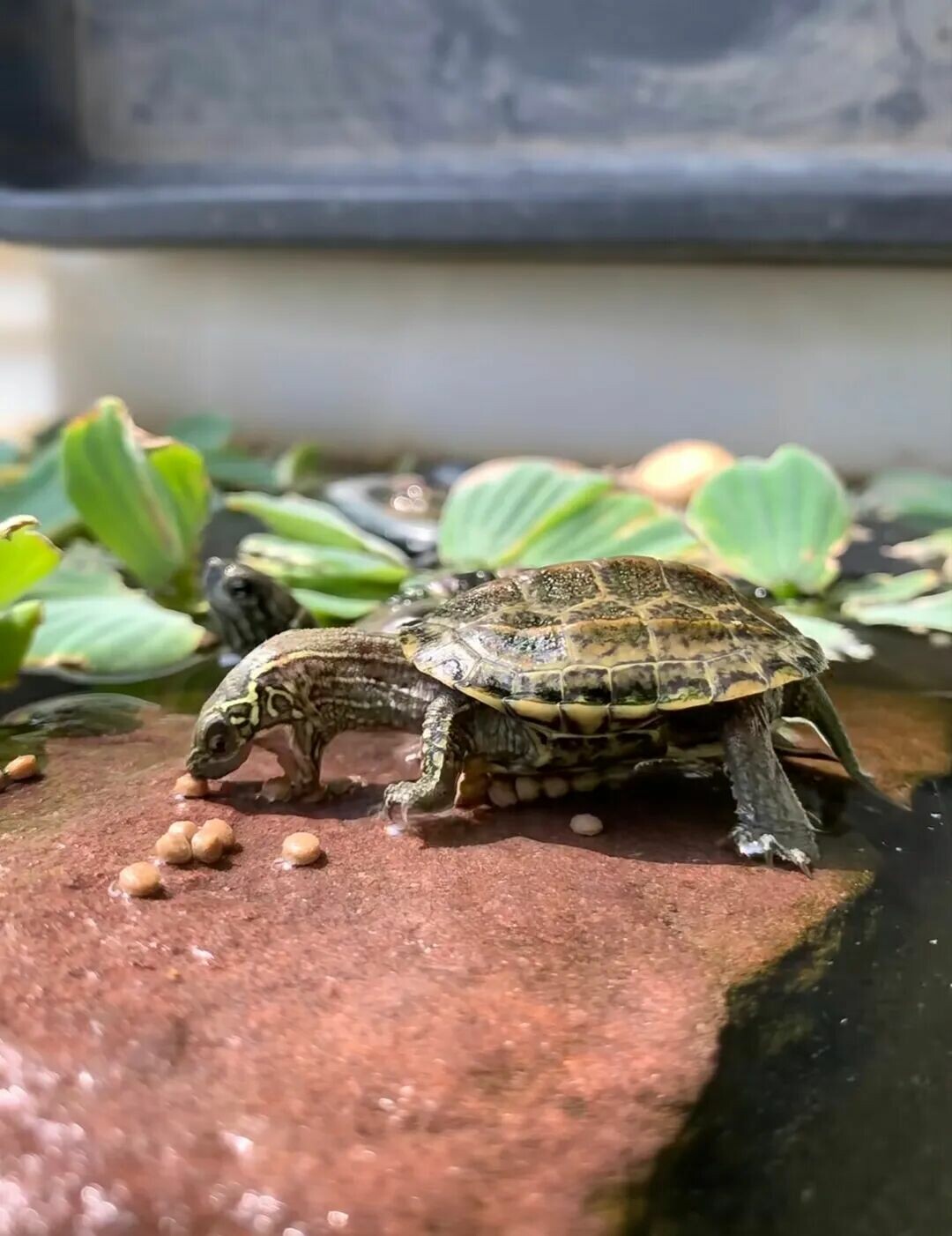
Choosing the Pellet Size of Turtle Food
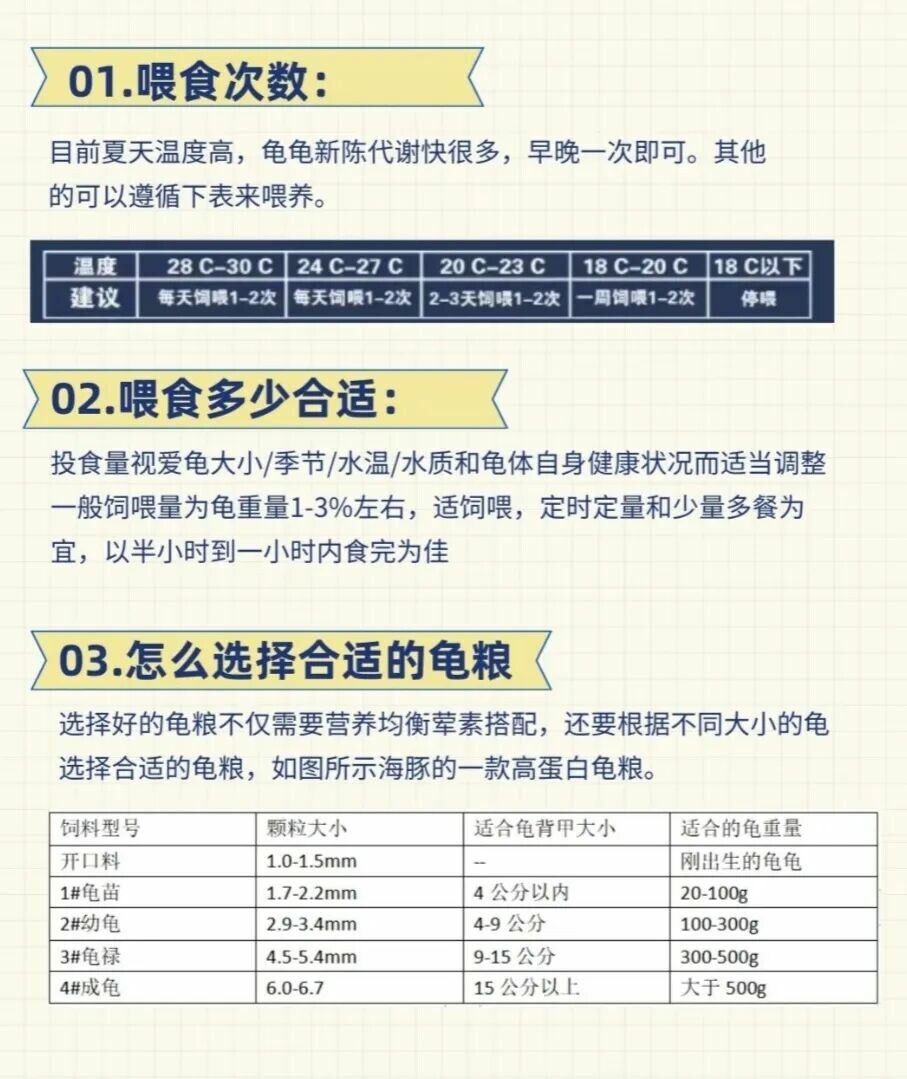
Juvenile turtles are in a rapid growth phase and require small, high-nutrient pellets (pellet diameter ≤3mm). Floating pellets are ideal, making it easier for young turtles to start feeding. Additionally, they should be supplemented with Calcium and Vitamin D3 to aid in bone development.
Adult turtles have a slower growth rate, with the focus shifting to maintaining health. Medium-sized pellets can be chosen, with a moderately lower protein content (5%-10% lower than juvenile food) to prevent obesity. Also, pay attention to whether probiotics are added to help regulate their intestinal tract.
Note: Turtle food isn’t necessarily better the more expensive it is, nor is it more cost-effective to buy in large quantities. Once opened, turtle food should be sealed and stored to prevent it from becoming damp and moldy.
Explanation of Core Ingredients in Turtle Food
Crude Protein
Promotes the growth and development of turtles and provides basic nutrition. High-quality protein sources in turtle food should be fish meal, shrimp meal, earthworms, silkworm pupae, etc. Low-quality proteins are often plant-based (like soy or corn protein, which are difficult for turtles to digest and can lead to malnutrition and enteritis if fed long-term) or from vague meat sources (such as general terms like “fish” or “poultry,” which may actually be animal feathers or entrails, harmful to a turtle’s health).
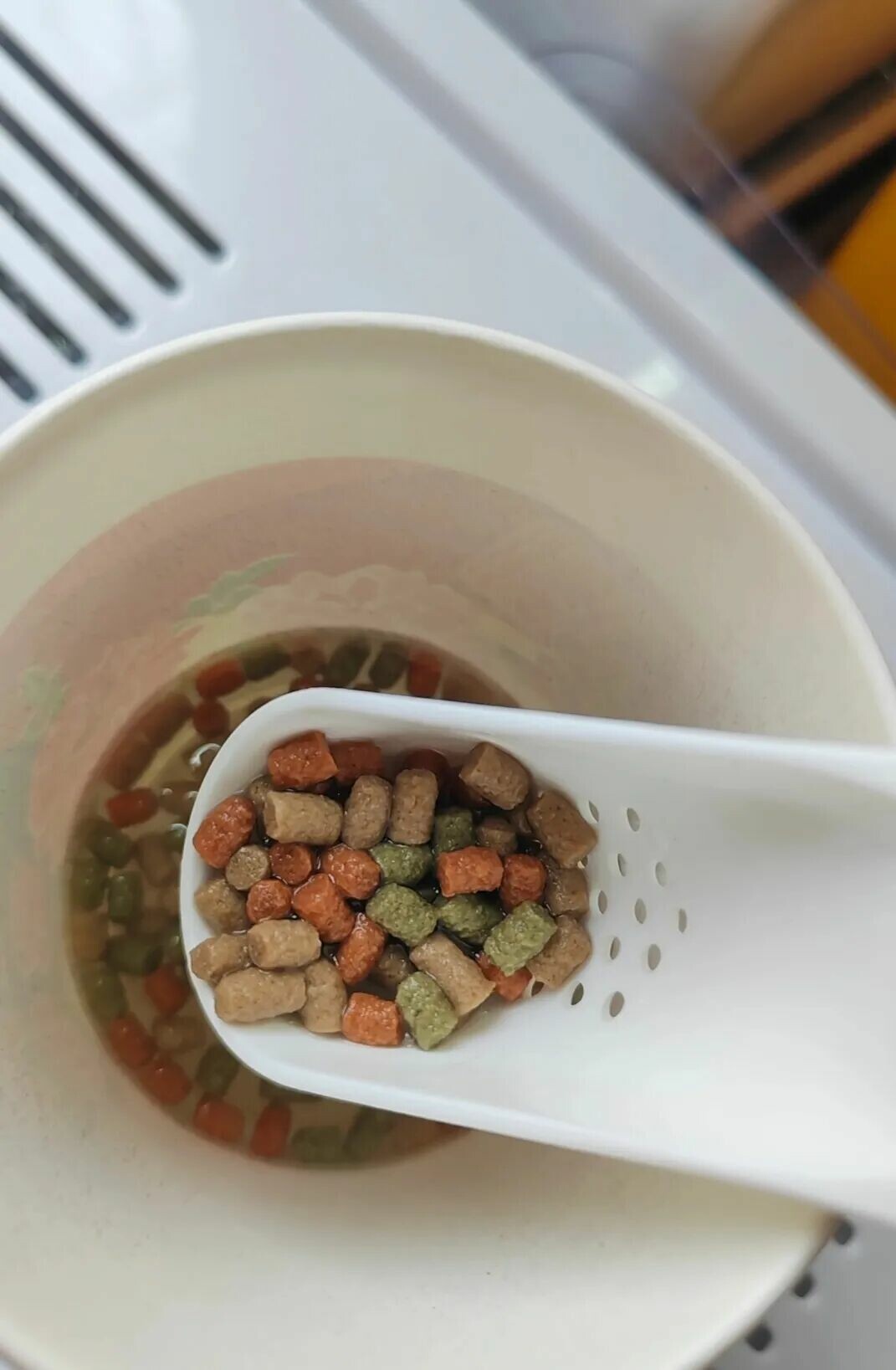
Note: A way to test this is to soak the turtle food in water for 30 minutes. High-quality protein pellets will swell slightly, and the water will remain clear; low-quality ones will quickly disintegrate into powder, making the water cloudy and smelly.
Crude Fiber
Promotes intestinal peristalsis and aids in absorption for turtles. High-quality crude fiber sources can be animal-based (insect formulas like crickets, grasshoppers, mealworms, black soldier flies) or plant-based (pumpkin, mulberry leaves, etc.).
Note: A way to test this is to soak the food in water for 30 minutes. Pellets with normal fiber content will swell slightly; if the fiber content is excessive, a significant oily film will appear, and some pellets will sink to the bottom.
Crude Fat
It is an efficient source of energy reserves for turtles before hibernation, promotes the absorption of fat-soluble vitamins, aids in calcium deposition, and strengthens the carapace. The crude fat content in high-quality turtle food should be between 4%-8%. If it exceeds 8%, it can lead to obesity and harm the turtle’s health. High-quality fat sources include animal-based options like fish oil and silkworm pupae, and plant-based ones like Spirulina.
The secrets to turtle keeping aren’t over yet. We’ll bring you more turtle-keeping tips and will also introduce major brands of turtle food individually. Follow and like so you don’t miss out!~
Original article by 搬运工, if reproduced, please cite the source: https://www.kaipet.com/en/choose-turtle-food-3-professional-standards-pick-food-goodbye-food-refusal-enteritis



Comments(2)
What a comprehensive guide! I’m curious, are there specific regional variations for aquatic turtle diets in the wild?
@CriticX:Thank you for your kind words! That’s an excellent question. While our guide focuses on general dietary principles for aquatic turtles, regional variations in the wild can indeed be fascinating. We encourage researching specific species and their native habitats for more detailed insights.