

As long-lived and hunger-resistant animals, turtles can indeed go for a very long time without eating. For example, during hibernation, they basically do not need to eat. However, this does not mean turtles can be starved for long periods. In fact, it is possible for turtles to die from a prolonged lack of food. The following will detail the physiological responses of turtles in a state of starvation and how to prevent this from happening.
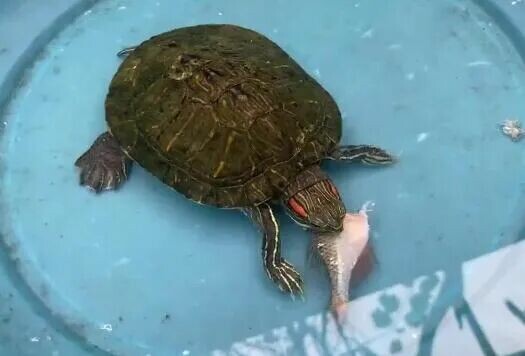
Physiological Responses in a State of Starvation
When in a state of starvation, a turtle will initiate a series of physiological responses to sustain life.
The turtle will lower its metabolic rate to reduce energy consumption. This response allows the turtle to survive for a relatively long time without eating.
As the period of starvation extends, the turtle’s internal energy reserves are gradually depleted, and it begins to consume muscle tissue and internal organs for energy. This process can lead to severe damage to the turtle’s bodily functions, ultimately resulting in death.
The survival time for a turtle in a state of starvation also varies depending on its age and size.
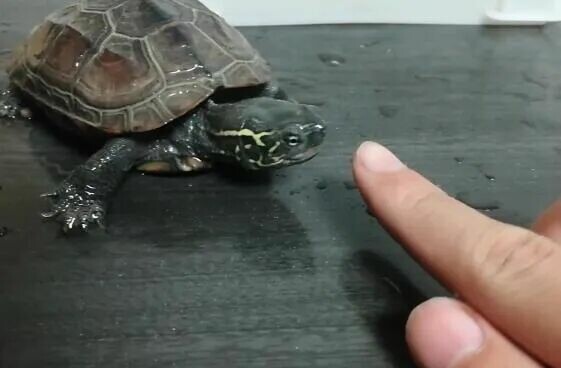
Generally, juvenile turtles have a shorter survival time, around 6 months. This is because juvenile turtles are smaller, have limited energy reserves, and cannot sustain life for a long time.
In contrast, larger subadult and adult turtles have longer survival times, from 6 months to 1 year and over 1 year, respectively. However, this does not mean that larger turtles can be starved for long periods; prolonged starvation can still lead to the turtle’s death.
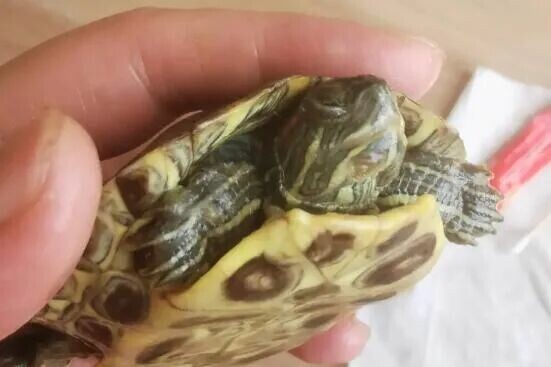
Methods to Prevent Turtles from Starving to Death
To prevent turtles from dying due to prolonged starvation, pet owners should pay attention to the following points:
Provide a suitable diet: A turtle’s diet should contain sufficient nutrients to meet the turtle’s growth and development needs. Pet owners can create a suitable diet plan based on the turtle’s species and age. Feed regularly: Pet owners should feed their turtles regularly to avoid long periods without food. If you need to go on a business trip or cannot care for the turtle for other reasons, you can ask a friend or family member to help with feeding.
Observe the turtle’s appetite: Pet owners should monitor changes in the turtle’s appetite. If it is found that the turtle has not been eating for a long time, the cause should be identified and appropriate measures taken promptly.
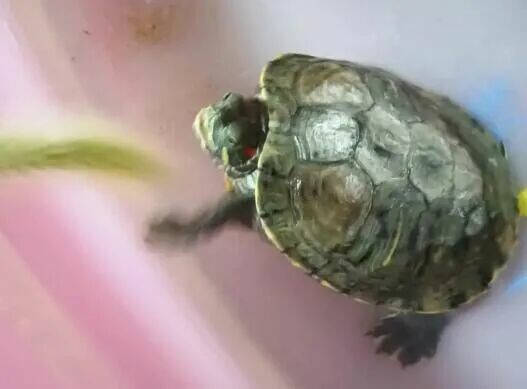
Provide a good living environment: A turtle’s living environment has a significant impact on its appetite. Pet owners should provide suitable temperature, humidity, and lighting conditions to promote the turtle’s appetite.
Although turtles have a certain ability to resist hunger, prolonged starvation can still lead to a turtle’s death. As pet owners, we should pay attention to our turtle’s diet and living environment, providing sufficient food and suitable living conditions to ensure the turtle’s health.
Original article by 搬运工, if reproduced, please cite the source: https://www.kaipet.com/en/long-turtles-food-analysis-survival-limits-turtles-ages






Comments(2)
Fascinating how survival times differ by age! I wonder if specific species also have unique starvation resistances?
@CriticX:That’s a very insightful observation about age-related differences! You raise an excellent point about specific species having unique starvation resistances, which is a fascinating area. Thanks for engaging with the article!