

Let’s first talk about the essential nutrients for parrots and the basic principles of pairing food for them.
Nutrients Needed by Parrots
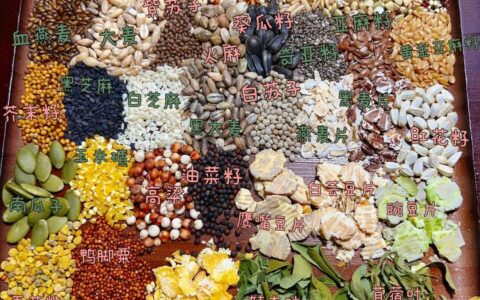
In the wild, as granivorous birds, parrots generally feed on various plant seeds, fruits, buds, and flowers. Among the diverse food types, parrots mainly ingest these nutrients: proteins, carbohydrates, fats, vitamins, minerals, and dietary fiber. Next, let’s discuss these nutrients individually.
Protein
As birds, parrots have a fast metabolism to adapt to a life of flying, making protein intake a very crucial part. Parrots lacking protein for a long time have dull feather color, are prone to stress bars, and experience a significant drop in physical stamina and immunity, with weight loss leading to a prominent keel bone (protruding chest bone); female birds during the breeding season will show phenomena of laying fewer eggs and poor quality due to insufficient protein intake.
Both humans and parrots need to consume high-quality protein. For parrots, high-quality protein needs to contain amino acids that the body cannot synthesize on its own for their utilization.
Arginine, isoleucine, leucine, lysine, methionine, amic acid, tryptophan, and threonine are “essential amino acids” for parrots.
So, what can be eaten to effectively allow parrots to replenish protein? In fact, if fed according to appropriate food ratios, protein deficiency generally will not occur. Foods that replenish protein are generally legumes (need to be boiled or steamed), eggs (need to be fully cooked and crushed), and cereals (such as hulled millet). Among them, egg millet is highly recommended as a ready-made food with good palatability.

Carbohydrates
Carbohydrates exist widely in various cereal foods. They are generally divided into monosaccharides, oligosaccharides, and polysaccharides. Monosaccharides (such as glucose), some oligosaccharides (such as sucrose), and starch are easy to digest and are the main nutritional sources for parrots. It is important to note that parrot digestive fluids do not contain lactase, so avoid feeding them various lactose-containing foods (including but not limited to milk, whey protein powder, lactose-containing yogurt, etc.). Similarly, parrots can only digest starch but not other polysaccharides; the cellulose content in food should not be too high, and foods like celery stalks should not be eaten. However, cellulose content should not be too low either; a certain amount of cellulose helps promote gastrointestinal peristalsis and reduces bad habits such as feather plucking.
Fats
Foods high in fat are generally very popular with `”birdies”`, but these foods should generally only account for about 4% of the diet. Excessive fat intake easily leads to obesity and fatty liver disease, not to mention other issues. Since parrots lack a gallbladder, their ability to digest oils is relatively weak; even worse, it can cause allergies and diarrhea in the “birdies”. So for the health of the `”birdies”`, you must, must not let them eat too many oilseeds!
Representative foods:
Hemp seeds, sunflower seeds, safflower seeds, nuts, sesame seeds, palm oil, coconut oil, etc.
Vitamins and Minerals
Vitamins are roughly divided into water-soluble and fat-soluble ones. Water-soluble vitamins include B vitamins, Vitamin C, etc. Fat-soluble vitamins include Vitamins A, D, E, and K.
Vitamin intake should be neither too much nor too little. If you cannot let the `”birdies”` eat more fruits and vegetables to replenish vitamins in daily life, you can consider adding vitamin supplements to their water to replenish vitamins.
It is normal for urine to turn yellow after taking Vitamin B2.
However, it must be taken strictly according to the dosage and not excessively. For example, excessive intake of Vitamin A will remain in the body, unlike water-soluble vitamins that can be excreted with urine. Accumulation of too much Vitamin A will prevent calcium intake, eventually leading to osteoporosis. In daily life, you can choose vegetables and fruits of various colors to replenish vitamins for parrots.
Minerals generally include sodium, potassium, calcium, phosphorus, magnesium, zinc, etc. Both deficiency and excess will cause problems.
Among these, calcium and phosphorus are relatively important; calcium deficiency will cause the “birdie” to have osteoporosis or leg deformation. Lack of sodium will lead to mental instability or feather plucking.
Generally, minerals are also replenished through various vegetables, fruits, grains, and red clay (a type of soil rich in minerals). Sodium is relatively special; if you observe that the `”birdie”` lacks sodium, you can add table salt to the food to replenish it, but do not exceed 0.3% of the food.
Dietary Fiber
Dietary fiber plays a role in promoting digestion and regulating blood pressure and blood sugar levels in parrots. Deficiency leads to constipation while excess leads to diarrhea.
Since parrots cannot digest cellulose, some vegetables and fruits can allow parrots to replenish enough cellulose.
Original article by 搬运工, if reproduced, please cite the source: https://www.kaipet.com/en/essential-nutrients-parrots-detailed-explanation-3-major-taboos-scientific-nutritional-ratios





Comments(1)
This is so useful! Given the warning on fats, what are your favorite low-fat treat alternatives that parrots still absolutely love?