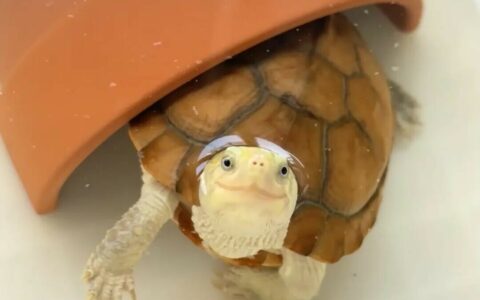
After a new turtle arrives home, many turtle enthusiasts may encounter the situation where the turtle refuses to eat. Here is a “three no-eating principles” that apply to most turtles. If any of these principles are met, it will be difficult for the turtle to start eating:
- Low temperature, no eating: Turtles are ectothermic animals. When the water temperature is below 20℃ or even lower, they hardly eat. Low temperatures can reduce their metabolic rate, which is very detrimental to gastrointestinal digestion and can easily lead to a series of problems such as gastroenteritis.
- Sick, no eating: When the water temperature reaches above 25℃, turtles become more active. If the turtle still refuses to eat at this time, you should observe its mental state. If the state is poor, it is likely that the turtle is sick and needs treatment.
- Shy and scared, no eating: If the temperature is suitable and the turtle is lively, but it still refuses to eat, it may not have adapted to the environment yet. They are naturally timid and may not dare to eat in front of you. At this time, you can throw some turtle food to it and then leave, or try to use fresh small fish and shrimp with a bloody smell to stimulate its appetite.
If all the above methods have been tried and the turtle still refuses to eat, just leave it alone. As long as its health is ensured, it will naturally eat when it is hungry.

Feeding Time, Frequency and Types
Feeding Time and Frequency
- When the temperature is above 25℃, it is recommended to feed 1-2 times a day.
- The feeding amount should be what the turtle can finish within 10 minutes.
- When the temperature is around 20℃, stop feeding.
Feeding Types
- Mainly turtle food: High-quality turtle food is rich in nutrients and is also beneficial for gastrointestinal digestion and absorption. For example, Shenyang and Gaoguli turtle food. If you want to know more, you can send me a private message.
- Supplemented with dried shrimp and small fish: This can supplement calcium and change the taste.
- Not recommended to feed pork: From the natural living environment of turtles, although turtles are omnivorous animals, the foods they most commonly eat in the wild are fish, shrimp, and snails, which are their normal diet.
Summary of Today’s Knowledge Points
- Three no-eating principles for turtles: Low temperature, sick, timid.
- Daily feeding: Mainly nutritious turtle food, supplemented with fish and shrimp. The diet should try to meet the foods that can be involved in the natural environment.
Well, that’s all for today. “If you find it helpful, you can continue to follow the series of beginner’s turtle breeding guides. Friends who like it are welcome to like, follow, and share. See you next time, bye.”
Original article by KPTer, if reproduced, please cite the source: https://www.kaipet.com/en/feeding-methods-frequency-suggestions-turtles-home