

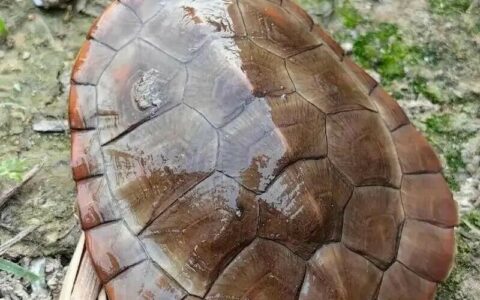
Regarding the issue of how turtles in northern regions can successfully get through the cold winter, I have done some research and am now sharing it with everyone.
Fellow turtle keepers in the North must be thinking about the issue of how turtles will overwinter recently. So, what is the best way for turtles to overwinter in the North? For this question, we must analyze it specifically based on the breeding environment we are located in.
Characteristics of the Turtle-Keeping Environment in the North
The difference between the northern and southern regions lies in: the temperature entering winter is lower, and the outdoor temperature is basically below 0 degrees; then, although the outdoor temperature is low, indoors generally have heating, and the indoor temperature can reach 20-25 degrees.
Keeping Turtles Indoors
If keeping turtles indoors, at a temperature of 20-25 degrees, turtles will not hibernate.
Therefore, the turtle will not enter a state of long-term dormancy, but rather an active state, just not as active as in summer.
At this temperature, the turtle’s metabolism is not as strong as in summer either, so food intake should be reduced accordingly. It is suggested to feed once every 3 – 5 days, and the amount fed should not be too large. Feed in small amounts and adjust appropriately according to the turtle’s condition.
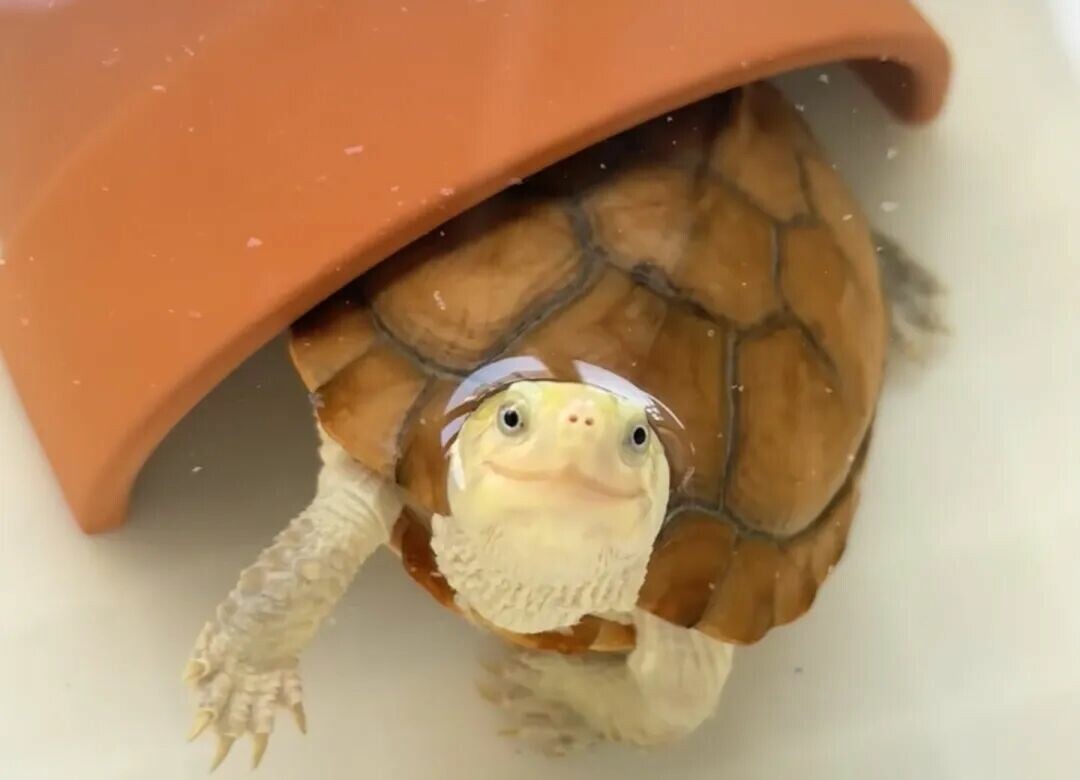
Controlling Temperature Difference is the Core
Actually, the answer is that inside heated rooms in the North, turtles do not hibernate. But some issues need attention. The core issue is controlling temperature difference.
Taking Beijing as an example, the time when heating is supplied is approximately mid-to-late November. During the period from September to November, the weather gradually turns cool, and temperature changes are significant.
When indoor temperature fluctuates greatly, turtles are most prone to problems. If there is still a basking platform in the turtle tank, and the turtle habitually comes out of the water to “bask” (sun its back), the rapid change in air temperature causes the turtle’s body temperature to also change sharply, thereby leading to the appearance of illnesses such as colds or, in severe cases, pneumonia.
This involves the fact that turtles are cold-blooded animals (ectotherms); unlike humans, their body temperature changes with the environment. They can withstand very low temperatures, but they cannot withstand rapid cooling.
Therefore, for the basking platform in winter, it is suggested to place it in a deeper position in the water to reduce the area exposed above the water surface. Or simply remove it.
In short, [we] want to try every possible method to reduce the harm of temperature differences to the turtle.
Winter Water Quality Management
Secondly, water quality management in winter. I think this issue should not be hard to handle; since the turtle’s activity level is not as high as in summer, the metabolic rate is also not as high as in summer. Similarly, the activity and metabolism of plants and bacteria in the tank will also weaken. This is a balance issue. Just maintain it.
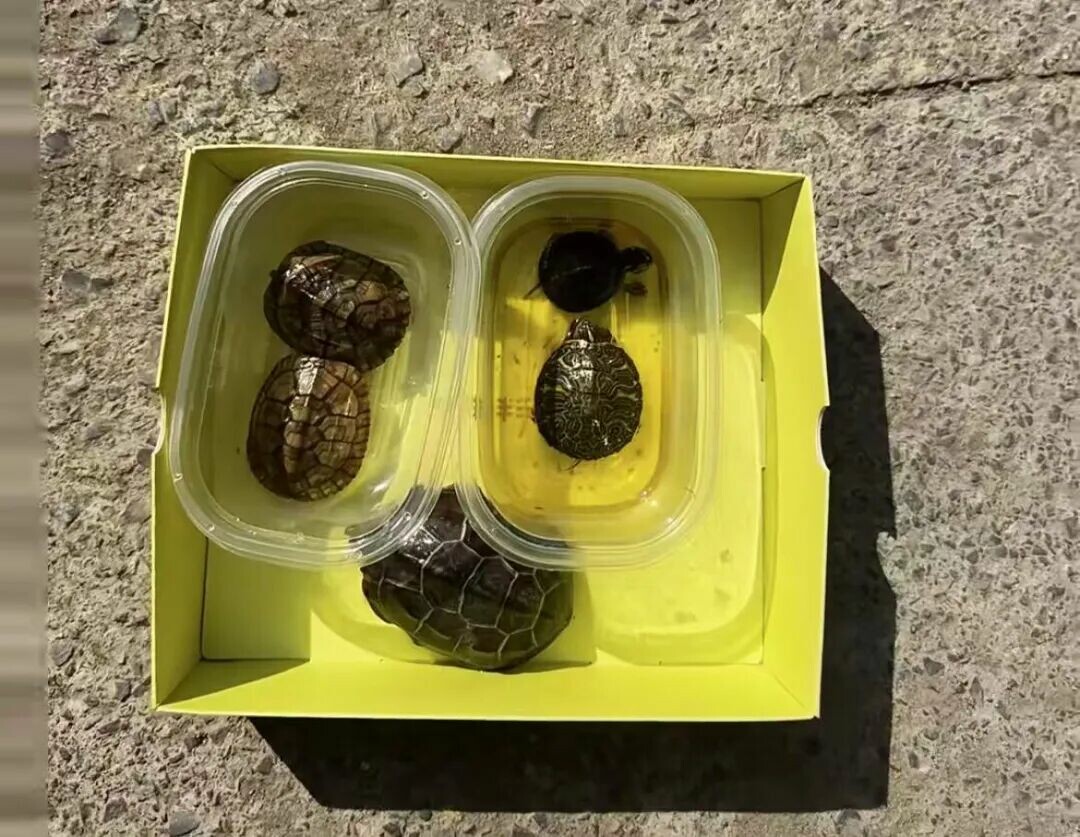
Warmth and Lighting
Finally, a reminder. In recent years, climate change has been very abnormal, and extreme cold weather has appeared multiple times in winter in northern regions. Once this kind of severe weather situation occurs, turtle keepers should prepare important measures for keeping warm. You can wrap some thermal insulation cotton on the outside of the turtle tank, which can allow less heat loss; you can also use a low-power heating rod (adjusted to about 20°C is fine, no need to be too high) to stabilize the water temperature and avoid sudden drops.
Also, do not place the turtle tank at window or door gaps, places where cold wind can blow.
There is one more point, which is lighting. In winter in the North, daylight hours are short. Turtles do not need to hibernate, but they still need to bask in ultraviolet rays to promote calcium absorption. [This is to] Avoid the turtle developing conditions like calcium deficiency or shell rot. It is best to turn on a UVB lamp for 2 – 3 hours every day for the turtle to bask.
Finally, I want to say that raising turtles in a heated room does not require hibernation. As long as the environment allows the turtle to maintain a state of shallow activity, control the temperature difference, and keep up with feeding and water quality, the turtle will be able to pass the winter peacefully.
Original article by 搬运工, if reproduced, please cite the source: https://www.kaipet.com/en/turtles-north-winter-guide-temperature-control-avoiding-hibernation-heated-rooms


Comments(1)
This is super helpful for northern keepers! Controlling temperature differences around basking platforms sounds key. Any specific setup tips for that?