

During the long winter, while there are turtles growing under heat, naturally there are also turtles sleeping in hibernation. Well, any hibernation carries risks; it is not absolutely foolproof. Although hibernation saves a lot of "worry," it still requires some care, as this relates to your turtle’s coming spring. Sometimes, even if an accident occurs during the turtle’s hibernation, if we can discover it in time, we can save the turtle’s life.
Regarding health checks during the turtle’s hibernation period, we can discuss the following 3 aspects in detail to ensure the turtle’s health while in a hibernating state.
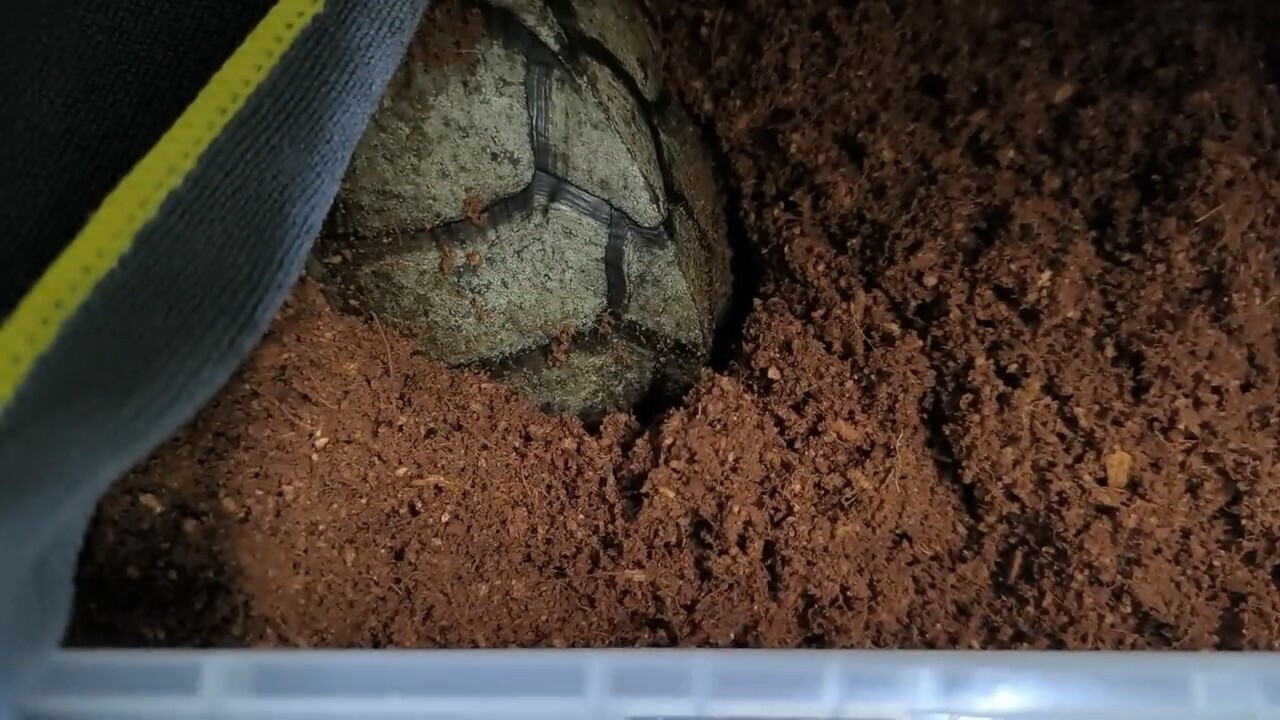
Check for Skin Rot Symptoms
First, we need to pay attention to whether the turtle is showing signs of skin rot (skin inflammation). Skin rot is a common problem during turtle hibernation, mainly manifesting as redness and swelling of the skin, swollen limbs, or blocked nostrils.
To check this, we can carefully observe whether the turtle’s nostrils are clear, whether the limbs have abnormal swelling, and whether the skin on the body remains in a normal state. If the turtle has no issues in these areas, then we can preliminarily judge that its skin is healthy during hibernation.
As for checking for skin rot, it is quite easy to inspect with the naked eye. Just taking a look every "ten days or a fortnight" is fine.
Check Limb and Head Strength
Secondly, we need to check if the turtle’s limbs and head are strong, and if they are retracted inside the shell. When hibernating, turtles usually retract their limbs, tail, and head entirely into the shell. When we look at or pick up the turtle, we can gently touch and pull its limbs (note: avoid pulling the head excessively) to observe if they are retracted forcefully inside the shell. If the limbs are tight and strong, it indicates the turtle has maintained a good physical state during hibernation.
If the turtle’s limbs dangle out and are limp and weak, that is not good news. However, even if the limbs are extended, if they can retract upon gentle touch and have strength against pulling, it is still fine. Although turtles are said to retract tightly during hibernation, not all individuals are exactly like that.
Soak in Water and Observe Eyes
Finally, we can also use the method of soaking in water to further check the turtle’s health condition. Remove the turtle from the hibernation environment and place it in room temperature water (note that the water temperature should not be too high, to avoid startling the turtle or causing injury due to temperature difference stress (physiological reaction caused by drastic changes in environmental temperature)), and observe its reaction.
Pay special attention to whether the turtle’s eyes can open smoothly. During the soaking process, if the turtle’s eyes can open easily and there are no abnormalities like white secretions, then we can consider that its gastrointestinal function is normal during hibernation. Conversely, if the eyes cannot open or there are white secretions, it may imply the turtle has gastrointestinal problems; at this point, you can consider using heating methods to continue observation and treatment.
However, unless absolutely necessary, when you cannot determine the turtle’s health status, do not arbitrarily soak it in water and cause the turtle to wake up. After all, disturbing a turtle’s hibernation too much "is not a good thing." Generally, if the first 2 conditions are met, the turtle is basically fine.
By checking the 3 aspects of whether the turtle shows signs of skin rot, whether the limbs and head are forcefully retracted in the shell, and the reaction of the eyes during soaking, we can get a relatively comprehensive understanding of the turtle’s health status during hibernation. This directly relates to whether you can "continue last year’s glory" in the spring.
If you are absolutely confident, of course, it is fine not to check, but you will have to "open a blind box" after the start of spring. Even if we don’t check the turtle’s health status, we must at least check whether the moisture is sufficient. Aside from hibernation in a water environment, the probability of a turtle dying directly from drying out is very high.
Original article by 搬运工, if reproduced, please cite the source: https://www.kaipet.com/en/check-hibernating-turtles-tricks-determine-health-prevent-accidents





Comments(1)
Super helpful! Before hibernation, what key preparations or preventative steps do you take for a smooth, healthy winter sleep?