

When you notice that your turtle at home is inactive, it could be a normal behavior pattern, or it could be a sign of potential health issues. It is generally related to the following points:
The Influence of Environmental Factors
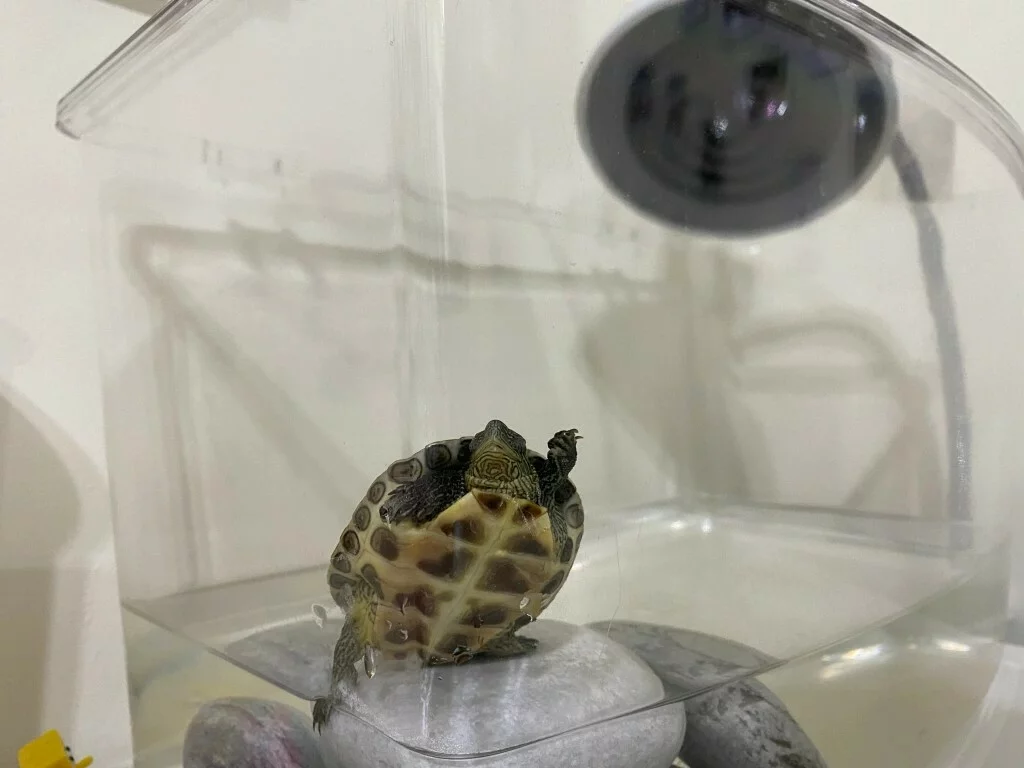
Low temperature: Turtles are cold-blooded animals, and their activity levels change with the environmental temperature. Ensure the turtle’s environment has a suitable temperature. Generally, the water and air temperature should be maintained between 25°C–28°C (77°F-82.4°F). If the water temperature is too low, the turtle’s activity will decrease accordingly.
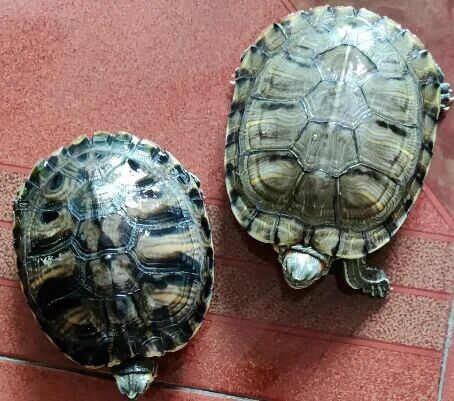
Poor water quality: If the water is dirty, it can lead to a decline in the turtle’s health and also affect its movement. Regularly changing the water to keep it clean is very important.
New environment: A turtle may need some time to adapt to a new home, which can cause some stress (a non-specific reaction of the body to internal or external environmental stimuli), leading to inactivity. If this happens, you just need to give the turtle a certain amount of time to adapt to the new environment.
Health and Physiological Issues
Impact of illness: If you find that the turtle is not only inactive but also shows symptoms like poor appetite or difficulty breathing, it may be sick. In this case, you need to observe the turtle and, if necessary, take it to a licensed veterinarian.
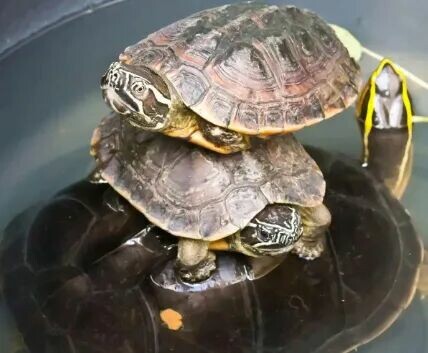
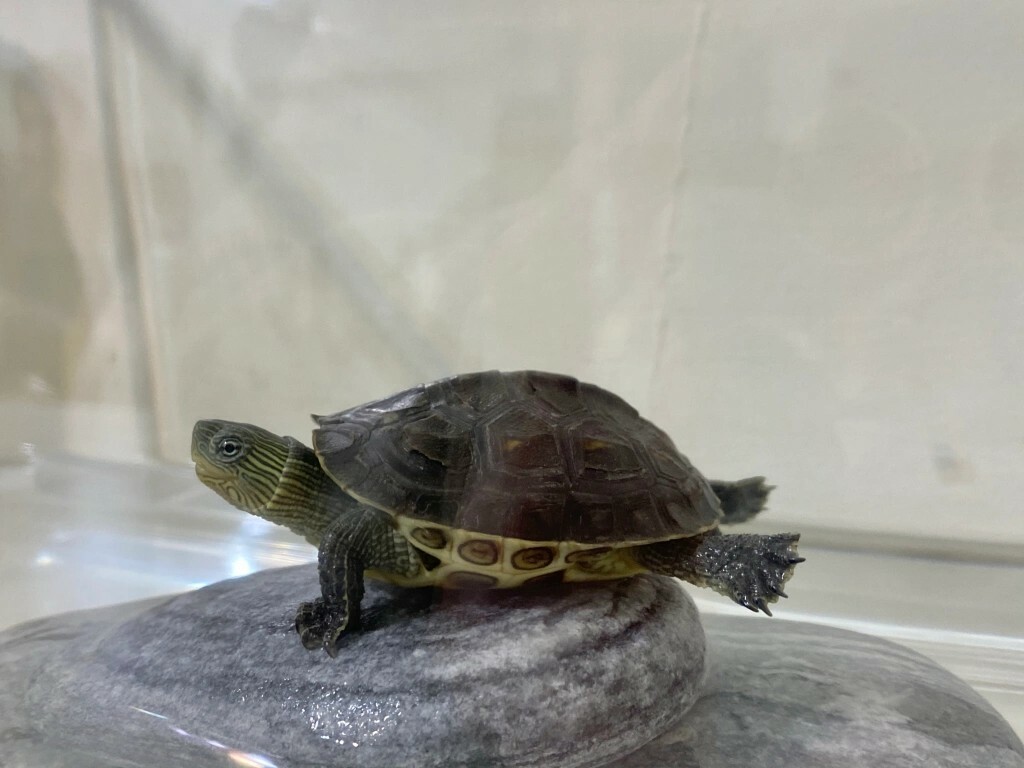
Wounds or infections: Check the turtle’s shell and skin for any injuries or abnormalities, as these could cause it to have difficulty moving.
Preparing for hibernation: If the current temperature is relatively low and it’s gradually turning into winter, the turtle’s inactivity might be preparation for hibernation.
Psychological Factors
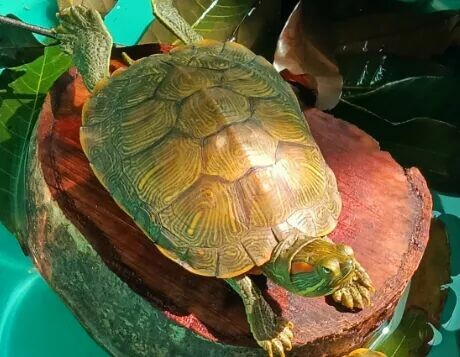
Stress reaction: Excessive noise, frequent disturbances, or an unsuitable environmental layout can all cause the turtle to feel stressed, leading to reduced activity and inactivity.
Solutions
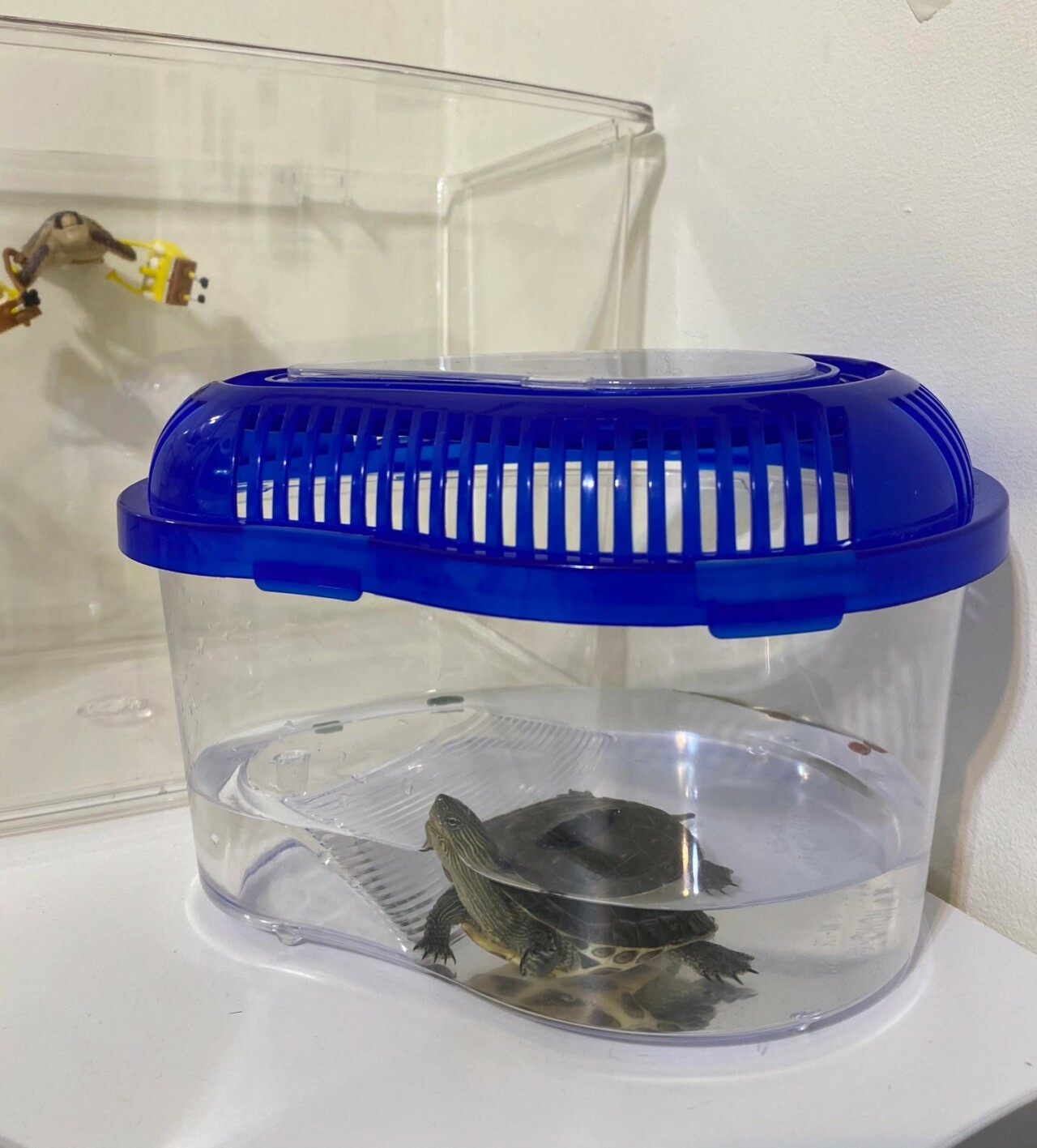
Provide the turtle with one quiet, warm, and clean environment, and avoid unnecessary disturbances. Especially for a new turtle you’ve just brought home, give it a period of time to adapt.
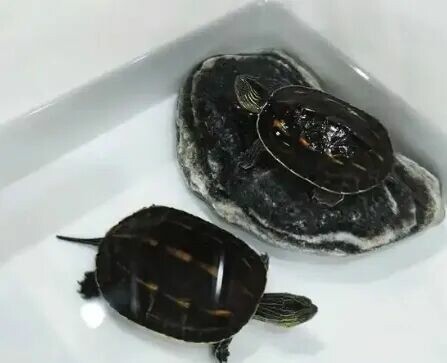
Observe the turtle’s eating and excretion habits to ensure it is receiving adequate nutrition. If you notice any issues, make adjustments promptly.
If you find that your turtle has been inactive for a long time and is accompanied by other abnormal conditions, do not delay; seek treatment for the symptoms in a timely manner. If your turtle has also been a bit ‘lazy’ recently, remember to treat it gently, give it enough space and time, and also pay close attention to its health!
Original article by 搬运工, if reproduced, please cite the source: https://www.kaipet.com/en/turtle-inactive-troubleshooting-3-major-water-temperature-water-quality-illness-solutions




Comments(2)
This is such a comprehensive guide! I’m curious, besides inactivity, what early signs of potential illness do you usually watch out for?
@CriticX:Thank you for your kind words! Beyond inactivity, other early signs of illness to watch for include poor appetite, difficulty breathing, lethargy, unusual lumps, shell abnormalities, or discharge from the eyes/nose. Early observation is crucial for your turtle’s health!