

Many parrot-keeping netizens have reported that their parrots have been losing feathers quite severely recently, saying that if they lose any more, they’ll become “bald chickens.” Below, we uncover the 6 major reasons for parrot feather loss so that you can address the specific causes.
The 6 Major Reasons for Parrot Feather Loss
Molting Period
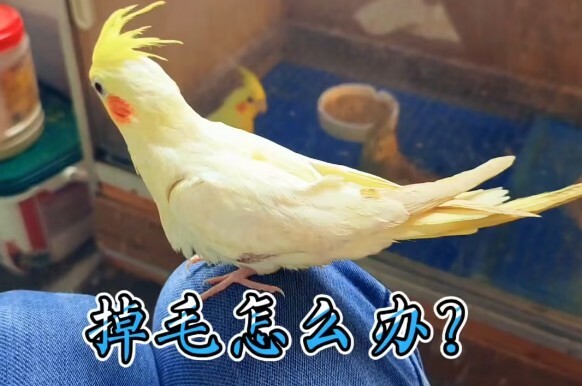
Parrots enter a molting period at specific times each year, usually in the spring and autumn. This is a natural phenomenon where parrots shed a large number of feathers to grow new ones. Feather loss during molting is typically all over the body, but it can also start from the head. During this time, the parrot’s nutritional needs increase, and owners should provide food rich in protein and vitamins, such as mealworms, fresh fruits and vegetables, and specialized nutritional supplements. Additionally, maintaining an indoor temperature between 22-29°C (71.6-84.2°F) helps the parrot get through the molting period smoothly.
Malnutrition
Malnutrition is another common cause of feather loss in parrots. If a parrot’s diet is monotonous and lacks necessary trace elements and oils, their (the parrots’) feathers may become dull and lusterless, or even fall out in patches. The solution is to diversify their food, adding items rich in trace elements like hemp seeds, perilla seeds, carrots, and bok choy. Ensuring the parrot receives adequate nutrition will help restore the brilliance of its feathers.
Bad Mood
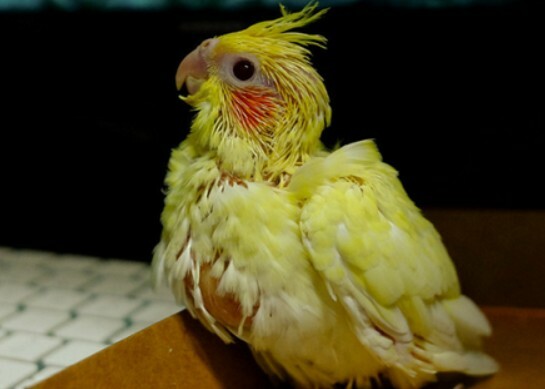
Parrots are emotionally rich birds, and being in a bad mood can also cause them to pluck their feathers, leading to feather loss. Parrots in a caged environment can easily feel lonely and bored. Owners can improve their parrot’s mood by placing bird toys in the cage or increasing interaction time. Keeping 2 parrots for companionship is also a good option, as this can reduce feather plucking behavior caused by loneliness.
Fighting with Peers
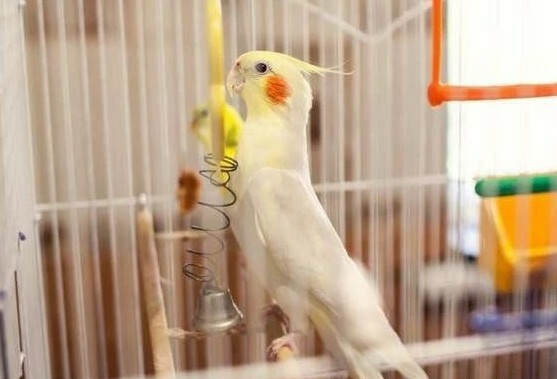
Conflicts between parrots are also a cause of feather loss. Especially during the breeding season, male parrots may fight over mates or territory, resulting in damaged or lost feathers. Owners should observe the parrots’ behavior and promptly intervene to separate fighting parrots to avoid unnecessary injuries.
Skin Diseases
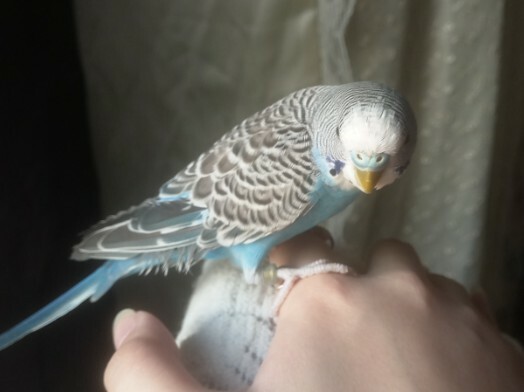
Skin diseases, such as fungal and bacterial infections, can also lead to feather loss in parrots. Parrots with skin diseases often exhibit symptoms like itchy skin, redness, swelling, and scabbing. The owner should take the parrot to a veterinarian (animal doctor) as soon as possible for isolated treatment and apply specialized ointments to the affected areas. At the same time, keeping the parrot’s living environment clean and dry helps prevent the occurrence of skin diseases.
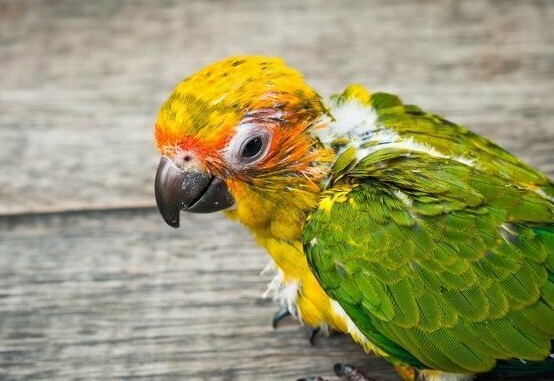
Parasite Infestation
Parasite infestation, such as from mites and feather lice, is another significant cause of feather loss in parrots. Parasites cause itchy skin, and the parrot will constantly peck at its feathers to relieve the itch, thus leading to feather loss. Owners should regularly perform external parasite control for their parrots using drugs like pyrethrin (an insecticide). If a parrot is already infested with parasites, it should be promptly isolated for treatment to avoid spreading them to other healthy parrots.
Parrot feather loss is a complex issue that can be caused by multiple factors. Owners should carefully observe their parrot’s behavior and living environment to identify the specific cause of the feather loss and take corresponding remedial measures. Whether it’s the natural phenomenon of molting, malnutrition, a bad mood, fighting with peers, skin diseases, or parasite infestation, promptly identifying and addressing the problem is key to ensuring the parrot’s health.
Original article by 搬运工, if reproduced, please cite the source: https://www.kaipet.com/en/severe-parrot-feather-loss-uncovering-6-common-address




Comments(2)
Excellent points! For the ‘bad mood’ section, what interactive toys or activities have you found best to keep parrots happy and engaged?
@CriticX:Thank you, CriticX, for your insightful question! For keeping parrots happy and engaged, many owners find foraging toys, puzzle feeders, and chewable options very effective. Regular interaction, training, and supervised out-of-cage time also greatly improve their mood. We invite other community members to share their favorite specific toys and activities!