

For beginners completely unfamiliar with turtles, I believe the amount of information can be overwhelming when you first start searching online. You receive dozens of turtle-keeping methods and don’t know which one to choose. The following is a consolidation of the research I did before getting my turtle (limited to aquatic turtles), covering what to use for housing, what turtles eat, and what equipment to purchase, all organized in the simplest, most basic way:
I. Container Size
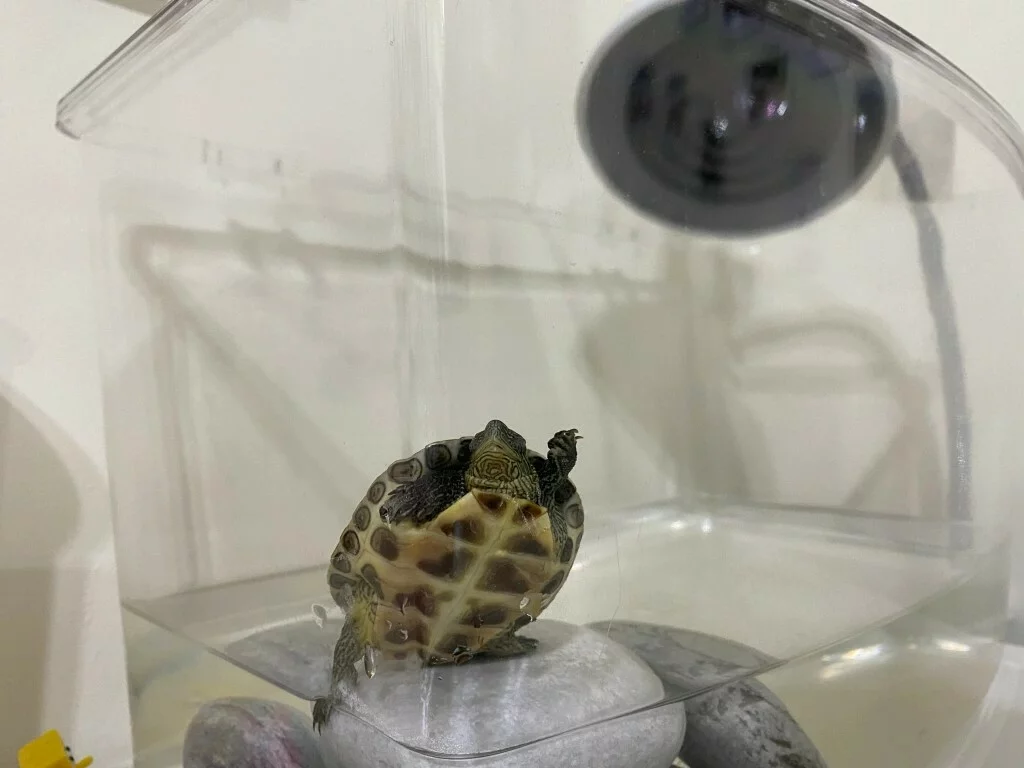
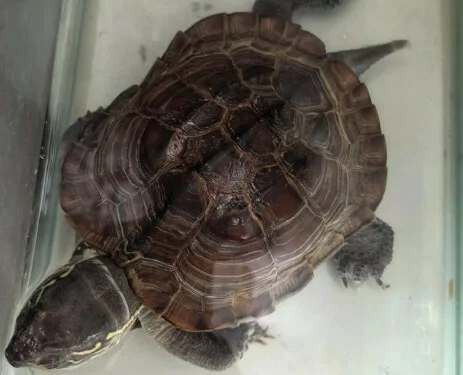
After deciding to get a turtle, I did some research online. The container area should be at least 11 times the size of the turtle’s body, and it might grow up to 30 centimeters. Therefore, the enclosure the night market vendor initially gave me, which was only 20 cm long, 15 cm wide, and 10 cm high, was truly too small. It even had an artificial coconut tree stuck on the basking platform. Thinking back now, it had no space to bask properly, which is probably why it often climbed onto the tree. So, I searched for a long time on Taobao and JD.com for a new enclosure and also visited various general merchandise and department stores, considering three options:
- Household storage bins: These offer the best value for money and are definitely large enough, but their frosted design makes it difficult to see the turtle clearly.
- Glass tanks: The advantage is they are great for viewing and better for fostering interaction. However, turtles eat a lot and poop a lot, requiring frequent water changes. Carrying a glass tank back and forth can easily lead to it being dropped.
- The largest XL transparent plastic enclosure: Convenient for viewing, easy to move and clean. Although I might need to switch to a larger tank next year or the year after, this size is very suitable for raising smaller turtle species to adulthood.
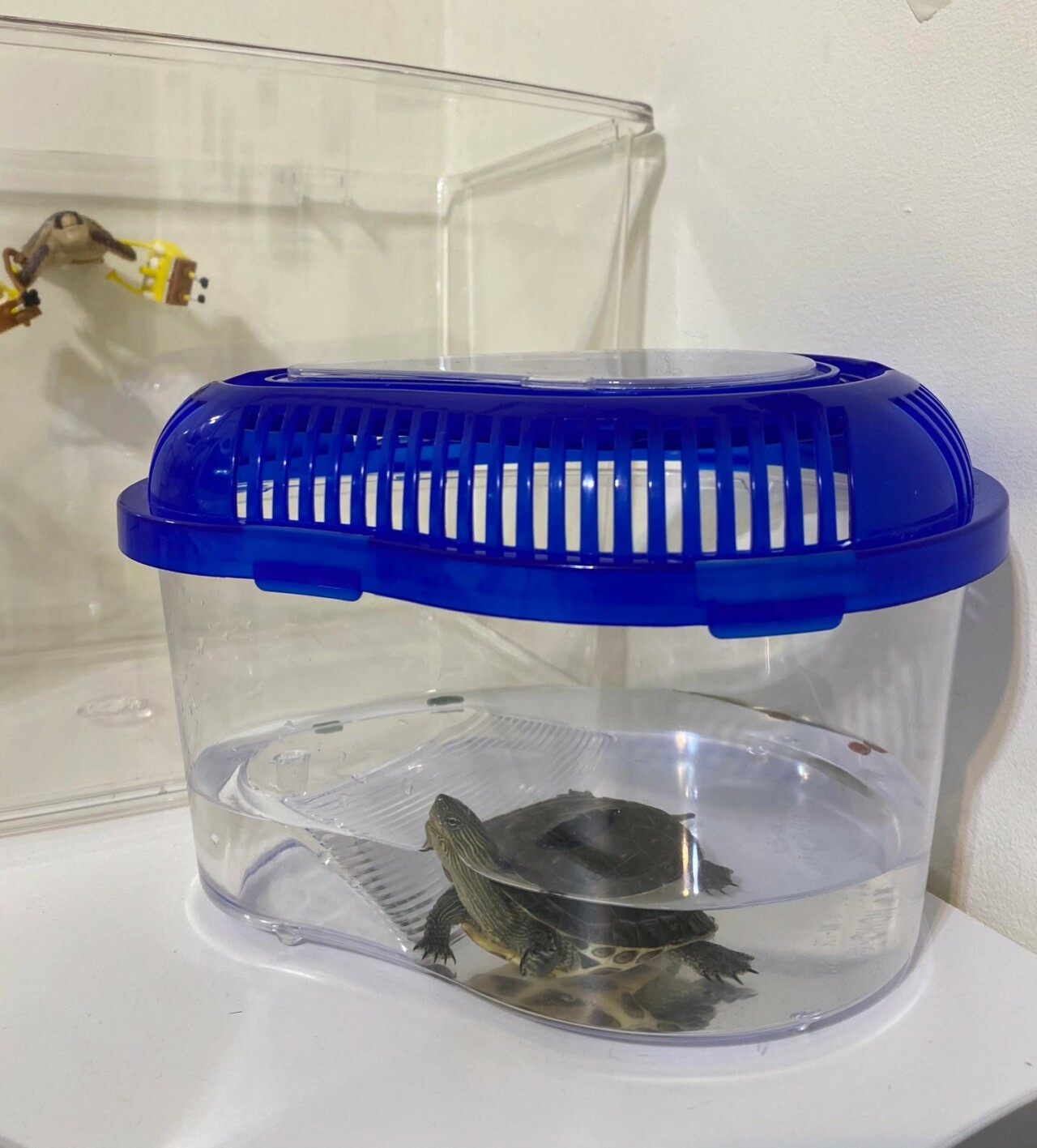
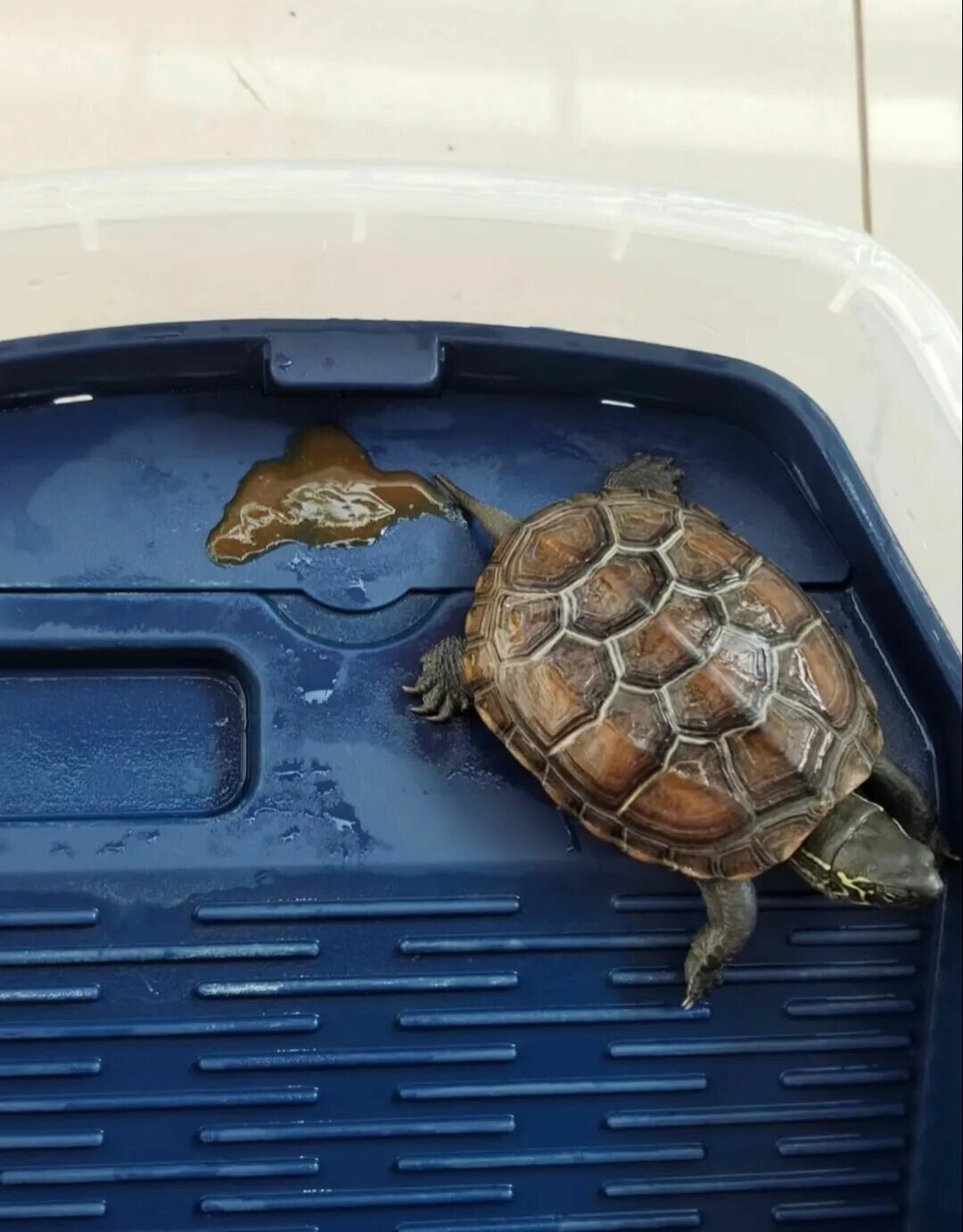
Finally, I found an enclosure at a pet store measuring about 36*19*22cm. My turtle’s carapace is currently about 5.5cm, so the enclosure area is about 27 times its body size, much larger than the previous one. By the way, I’ve put its lid away as I don’t usually need it. This seems to be designed as a travel carrier, and it lacks a handle, perhaps out of fear that the handle wouldn’t support it if it were too heavy.

II. Turtle Tank Setup
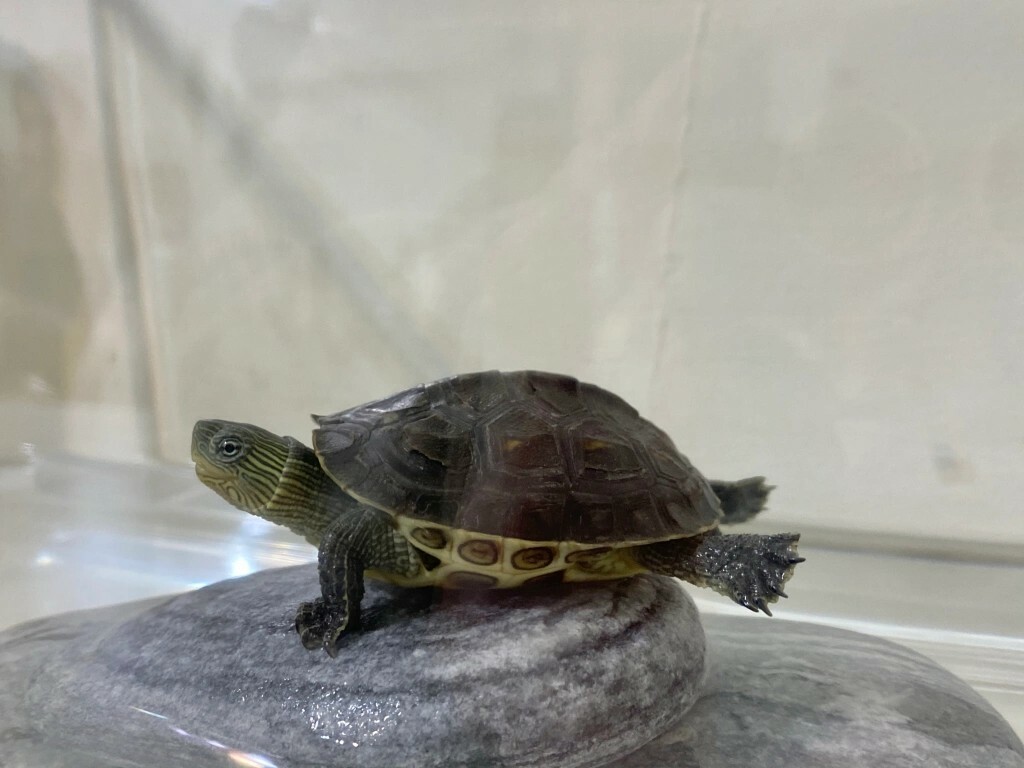
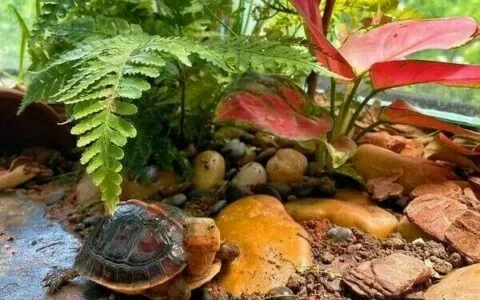
Although aquascaping rocks are beautiful, I often see netizens in WeChat groups advising against using small pebbles. They can be accidentally ingested by turtles and tend to trap dirt and grime, making cleaning difficult and contaminating the water quality. As long as there’s a basking platform and the turtle can freely choose where to stay, that’s enough. Since it needs ample water area and some land, I ended up buying a few large rocks from Taobao to create a simple land area, and it’s very happy with it!
III. What Related Equipment is Needed?
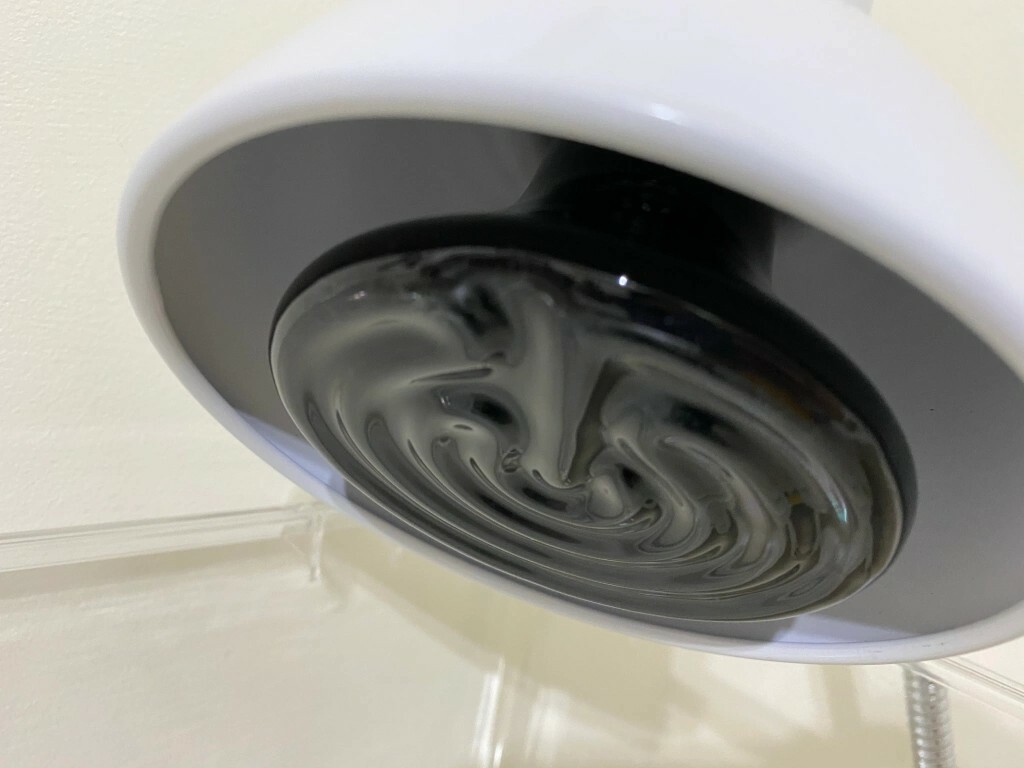
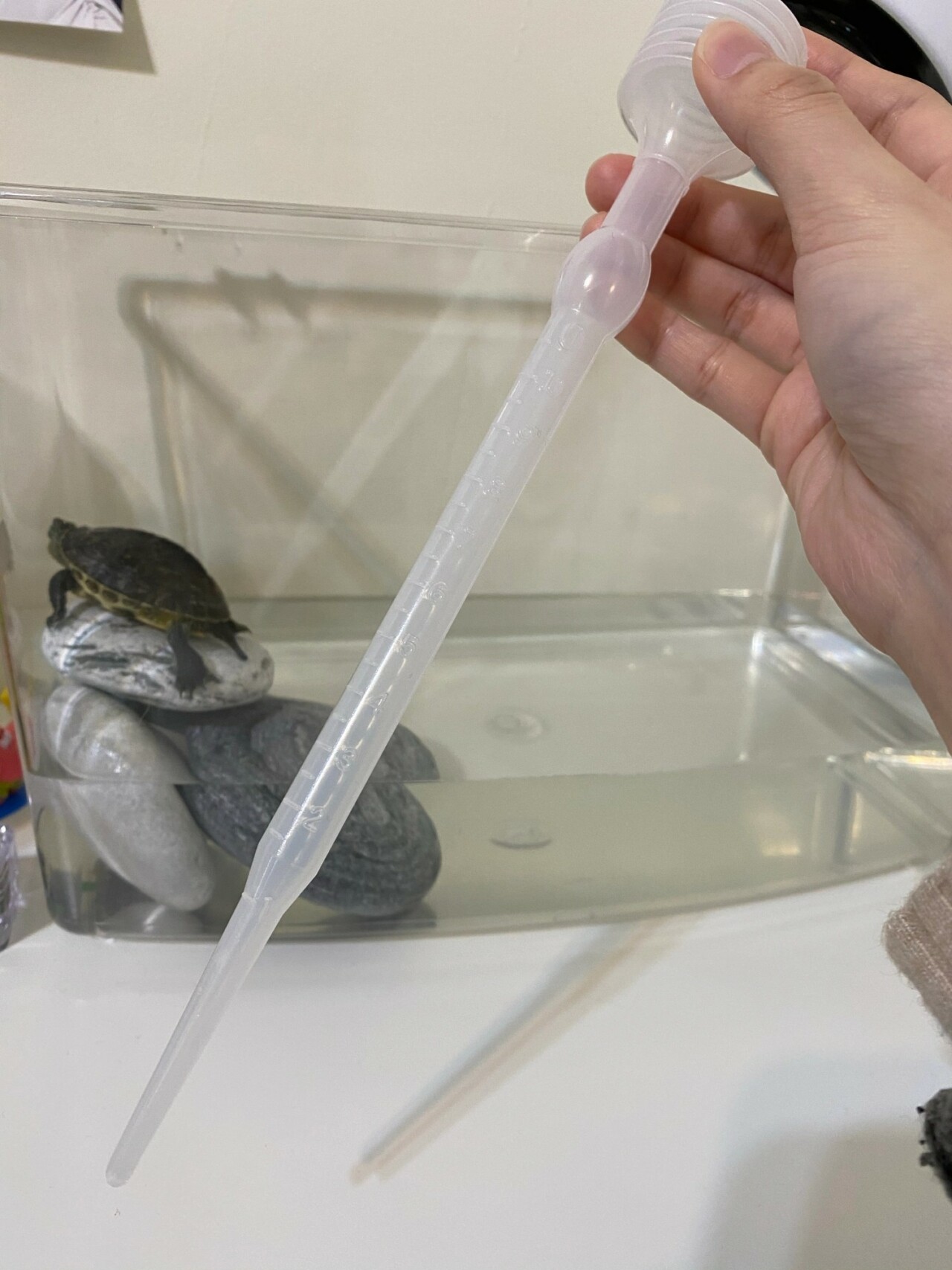
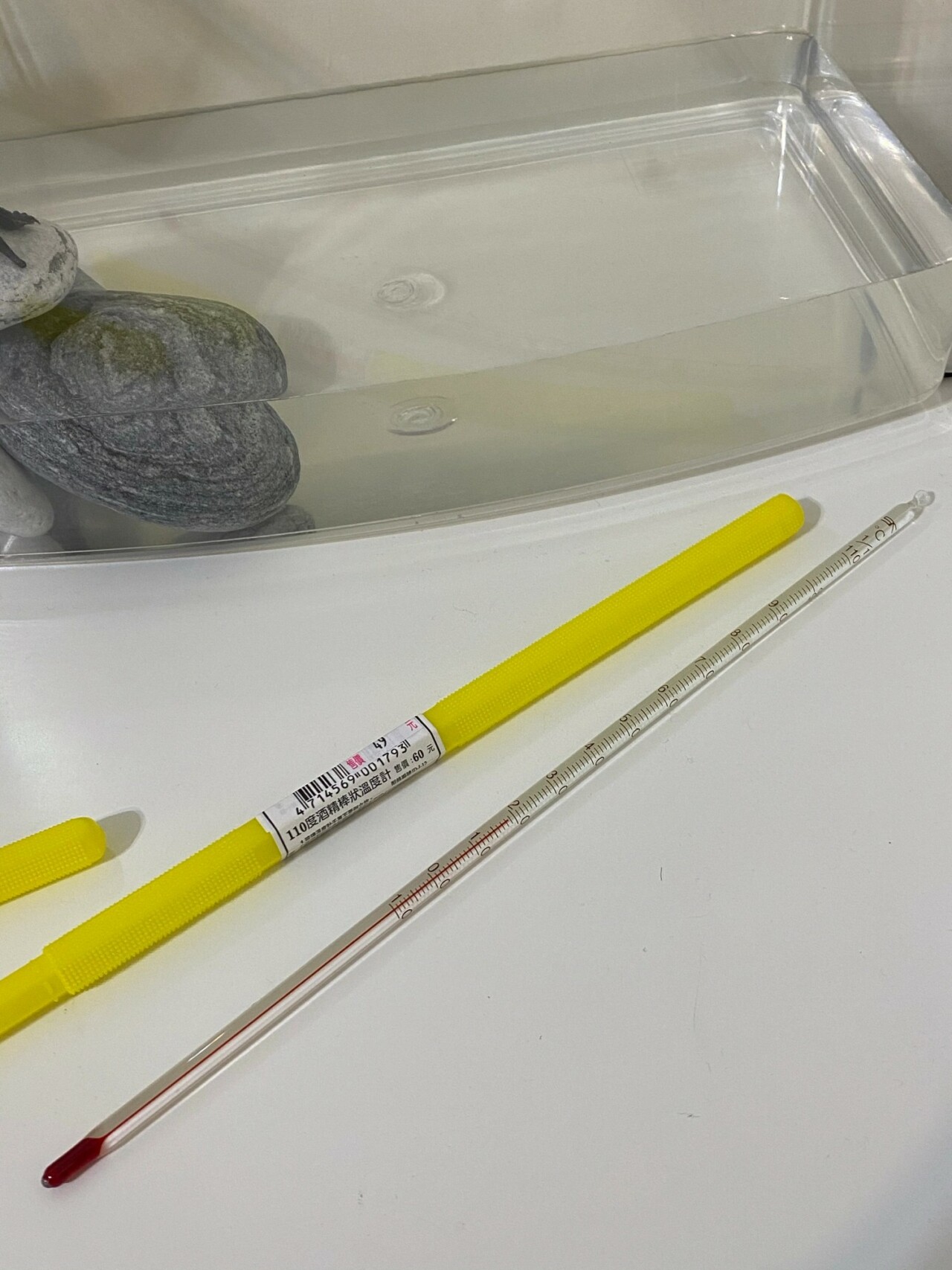
Winter is a trying time for turtles. I’m always worried it might catch a cold from the frequent water changes, fearing it could lead to a cold or pneumonia. This year has been particularly cold, so I bought a heat lamp and a lamp fixture first, hoping it can get through the winter healthy. I also prepared a dropper to suck up the turtle’s feces immediately to reduce water contamination, and a thermometer to monitor the temperature difference when changing water or scrubbing its shell.
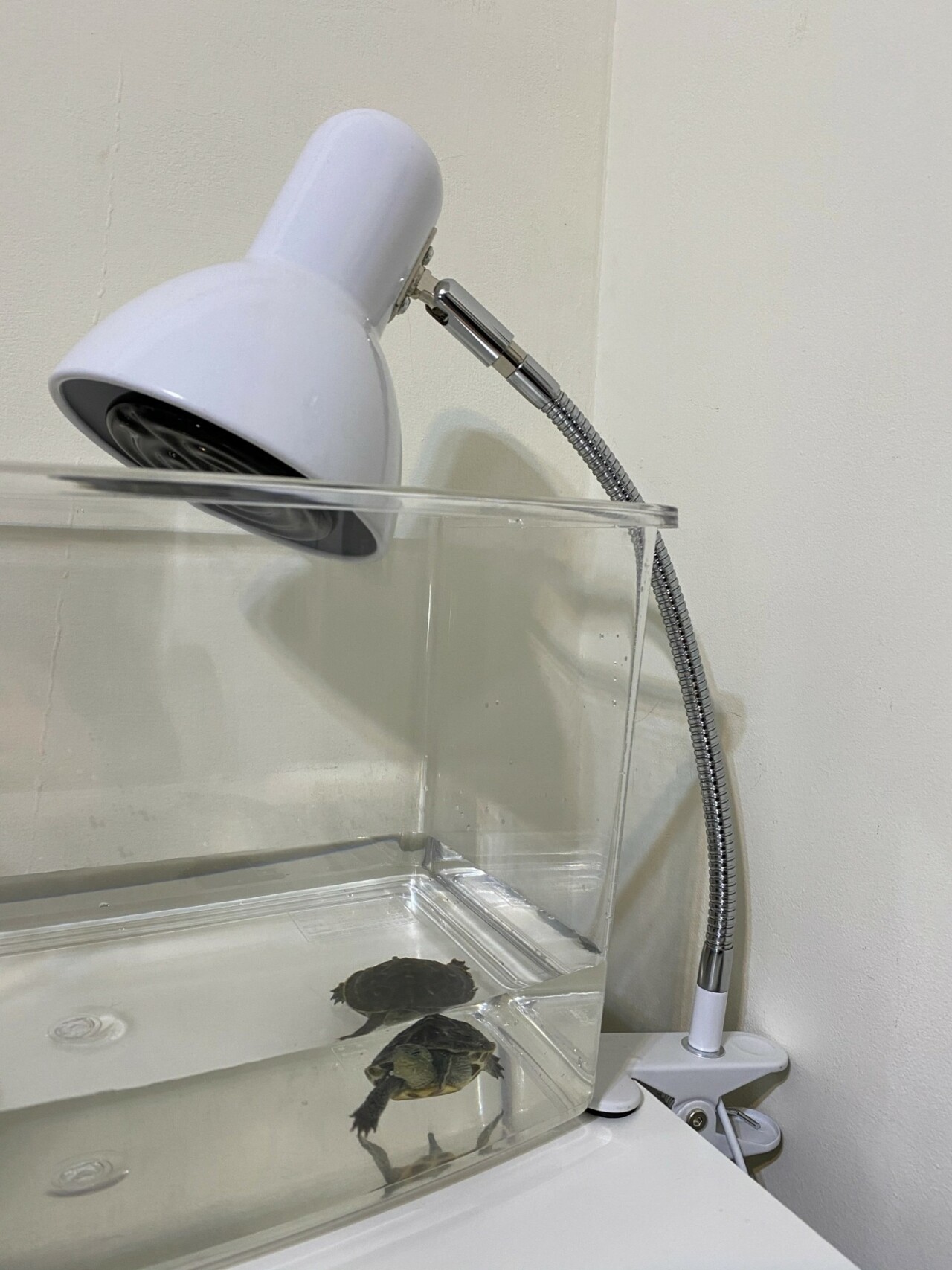
- Heat lamp: I use a 100-watt ceramic heat emitter that produces no light. The advantage of high wattage is that you can freely adjust the distance to control the temperature. Since the ceramic emitter is lightless, it can be left on all day, even during a cold snap, without disturbing the turtle’s daily routine.
- Submersible heater (not purchased): You can buy one if you’re worried about the water temperature being too low. However, once the heat lamp is on and creates a basking spot, the water temperature will also rise accordingly. If you use a submersible heater, you might need to pay extra attention to the temperature difference between the water and the air. The difference should not be too large, and since water is typically used by turtles for cooling down, you should also avoid the water temperature being higher than the ambient air temperature.
- UVB lamp (not purchased): The ultraviolet rays in sunlight allow the turtle’s body to produce Vitamin D3, which also helps kill bacteria and prevent skin diseases. If there’s insufficient sun exposure, calcium absorption will be inadequate, easily leading to pyramiding and soft shell. A UVB lamp is one of the alternatives to sunlight. However, half an hour of sunbathing can be more effective than several hours under a UVB lamp. Therefore, it’s best to absorb natural ultraviolet rays whenever possible.
IV. What Do Turtles Eat
Turtles are omnivores and will eat basically anything. Besides turtle feed, you can offer leafy vegetables, seafood, small fish, and even meat. Currently, my approach is to use feed as the staple, but I recommend mixing several types. My turtle became a picky eater after moving to its new home, so I now have three types of feed in rotation. I plan to prepare sweet potato leaves later to supplement its calcium. Alternatively, you can buy dried shrimp as a treat, but since I’ve seen cases of turtles becoming picky eaters after eating dried shrimp, I’m not planning to give it any for now. Ultimately, it all depends on which food your turtle deigns to eat~
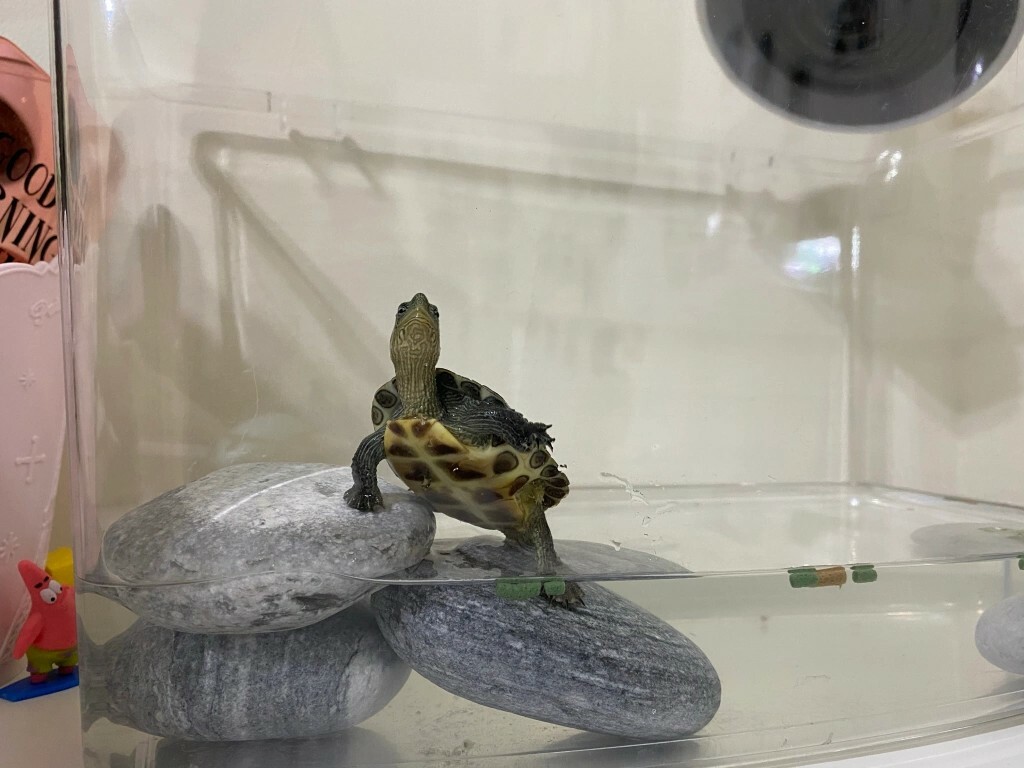
Regarding how many pellets a turtle should eat, online sources generally say a portion size equivalent to the turtle’s head. However, in the summer, when the temperature is high, they are more active and have a larger appetite. In the winter, without heating, their appetite will genuinely decrease, and they may even refuse food. Ultimately, it comes down to whether the owner wants it to grow fast or slow. After all, turtles are quite resilient to hunger and can go a day or two without eating. As for my Chinese stripe-necked turtle, with heating, it eats once a day and can currently eat about 12 pellets at a time. If it eats a lot, you need to ensure the temperature isn’t too low, to prevent indigestion!
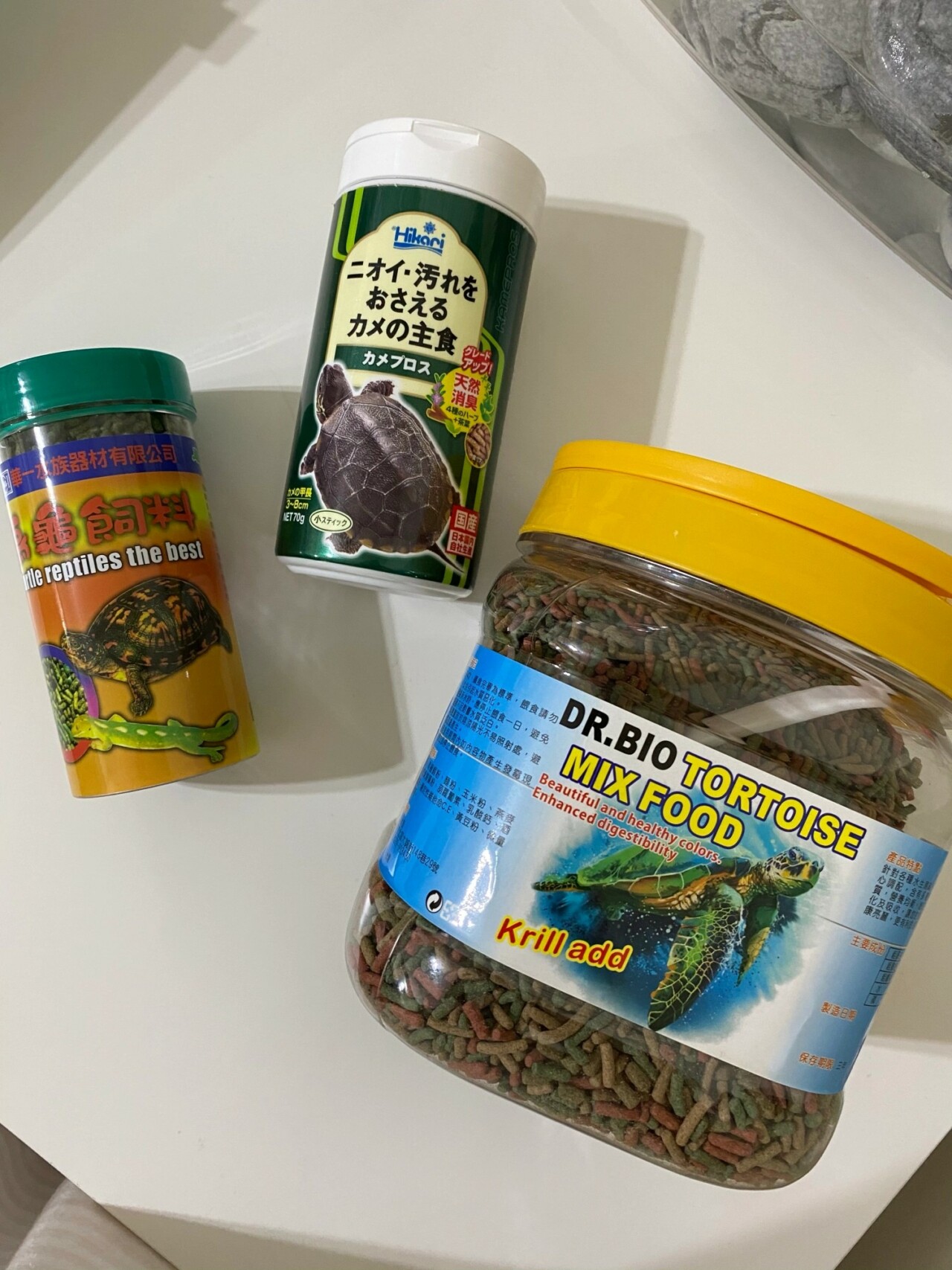
- Current feed rotation: Hikari Saki-Hikari floating pellets 70g (highly rated by netizens as a ‘picky turtle buster’), general turtle feed 120g from a pet store, and three-color feed 600g from a Taobao seller.
V. Turtle Recreation? Does It Need Toys?
Based on my observation, a turtle’s daily routine consists of dazing off, zoning out, finding ways to escape, swimming around, eating, and stretching its legs under the heat lamp. Of course, owners might want to take them out for a walk, but the main purpose of walking a turtle is to let it bask in the sun and kill some bacteria! However, it’s not suitable to take them out when it’s too cold, as they could easily catch a cold due to the temperature difference and chilly winds. It’s recommended to wait for warmer days in winter before going out. Also, juvenile turtles are not suitable for taking out. Having had my turtle for nearly a month, I’ve only dared to take it out to sunbathe after noon when the temperature is above 23 degrees Celsius!
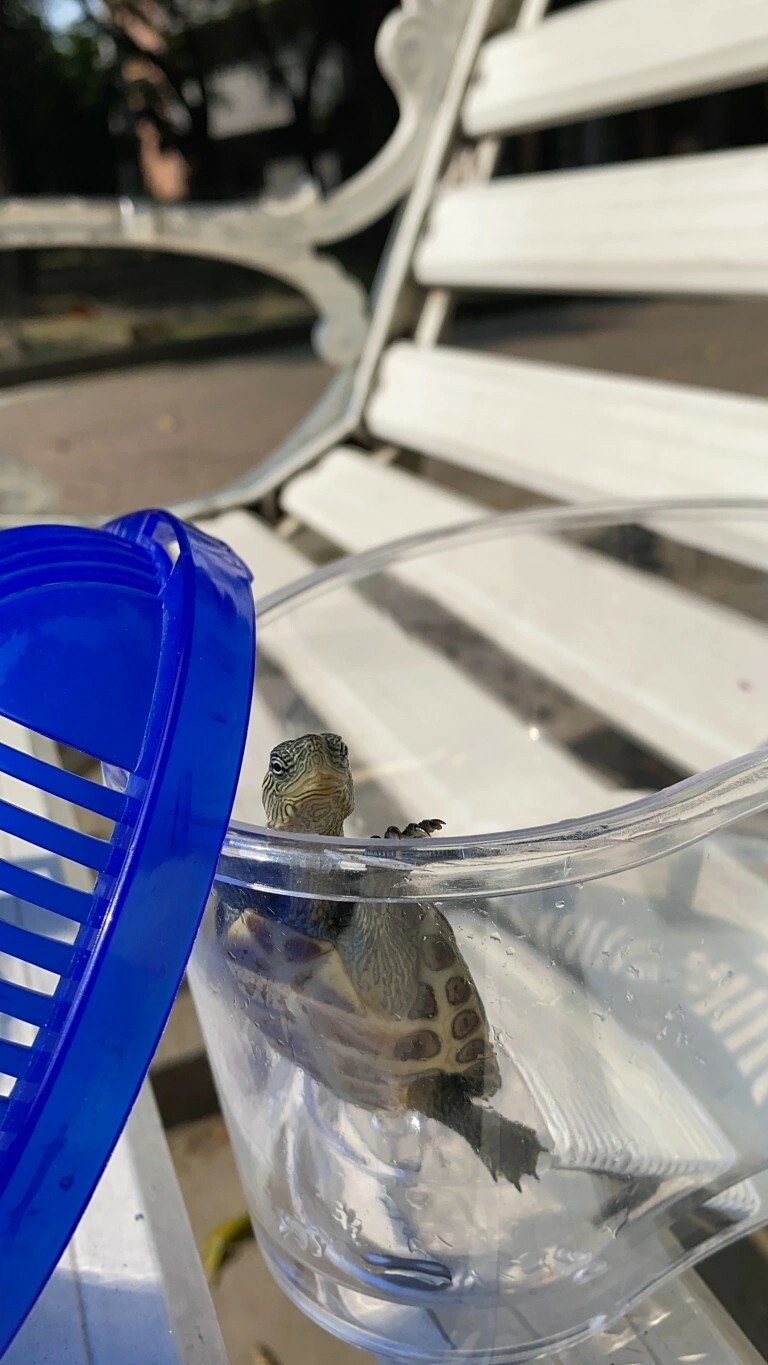
VI. Outdoor Gear: Wrapped Up Securely and Snugly in Winter
This was the first challenge I encountered some time ago: taking my turtle out during a severe cold snap! I was terrified it would get so cold it would need to see a vet. So, I continued to read through posts, gathered everyone’s advice, and finally decided on this method for taking it out~
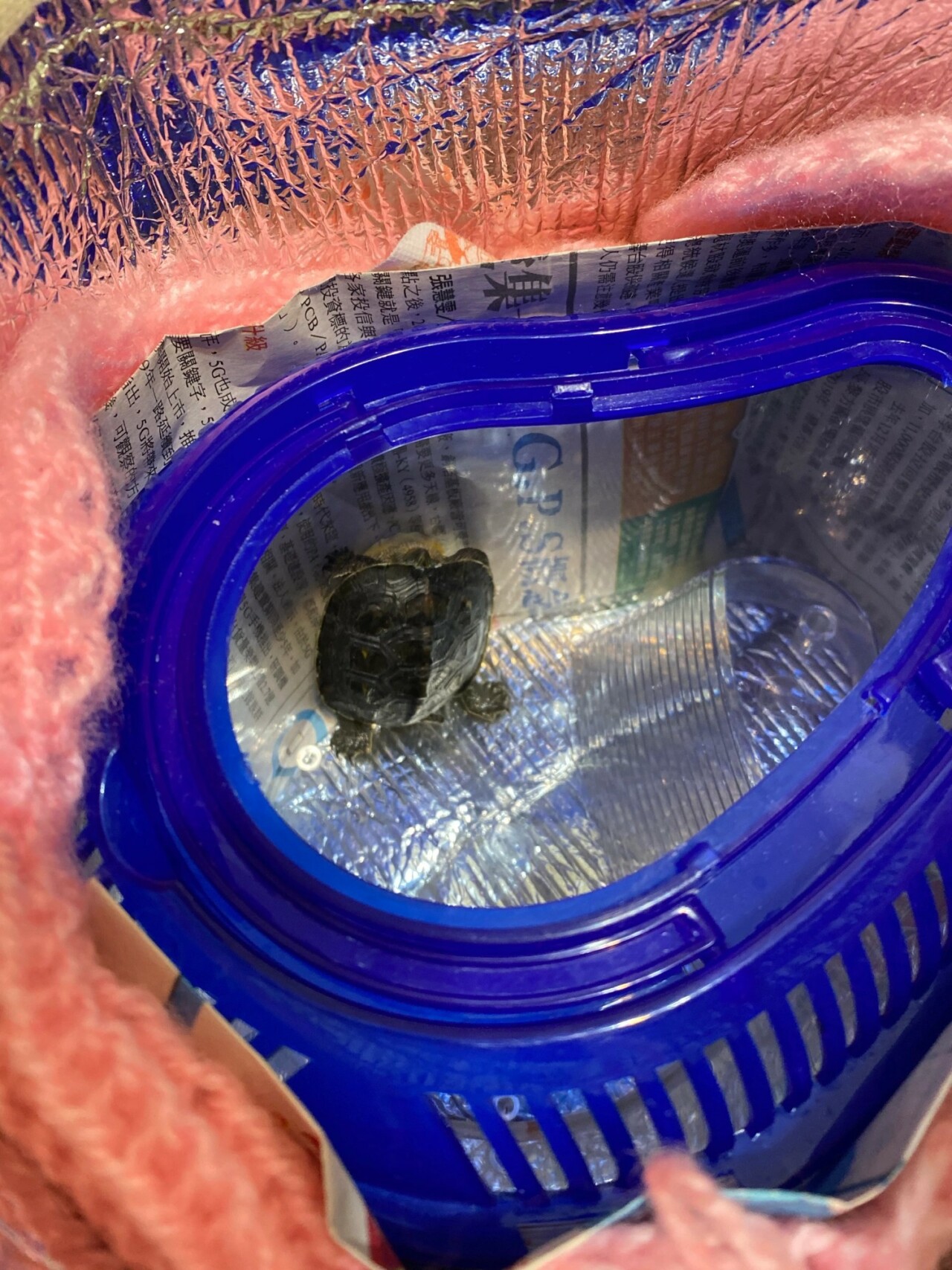
Prepare a small travel carrier without water. Since I was taking it in a car, adding water would make it uncomfortable with all the shaking. You also need an insulated bag that can fit the carrier. Wrap a layer of newspaper around the outside of the carrier (this is optional). Finally, prepare a cloth to wrap it all up and place a heat pack underneath or on the side (be sure to separate it with a thick cloth). When we reached our destination, I found the turtle sprawled out on top of the heat pack, warming itself~
A little reminder: Everyone has their own unique way of raising turtles, and you can develop your own exclusive method too, as long as it doesn’t harm the turtle’s health!
Original article by 搬运工, if reproduced, please cite the source: https://www.kaipet.com/en/prepare-pet-turtle-complete-guide-containers-setups-feeding-equipment





Comments(2)
This guide is fantastic! I appreciate your detailed breakdown. Regarding the UVB lamp, how often do you manage natural sunbathing, especially in colder seasons?
@CriticX:感谢 CriticX 的积极反馈!关于冬季自然晒太阳,文章作者建议在气温高于23℃时才带乌龟出门,并会做好保暖措施。他们强调自然紫外线更有效,不建议在严寒时外出。更多细节可参考文章的“户外装备”部分。希望能帮助您!