


Keeping a turtle at home is a very interesting and meaningful affair. However, in the process of raising a turtle, there are some dos that require attention, including the choice of position, the rearing environment, and placement. Additionally, there are some don’ts, such as not keeping too many, not having too many miscellaneous species, and not providing a monotonous diet, among others. Here are some dos and don’ts for keeping a turtle at home:
The Dos of Keeping a Turtle
Choice of Position
In Feng Shui, turtles are considered auspicious animals that have the effect of warding off evil and suppressing negative energy. Therefore, when keeping a turtle at home, it is necessary to choose a suitable position to place the turtle. Generally speaking, the following positions are quite ideal:
Wealth Position: Placing the turtle in the home’s Wealth Position can help to attract wealth and treasure.
Wenchang Position: If there are students in the family or people who need to improve their academic and career fortune, the turtle can be placed in the Wenchang Position to help improve learning and career luck.
Entrance: Placing the turtle at the home’s entrance can serve to suppress negative energy and ward off evil, protecting the peace and harmony of the family.
Rearing Environment
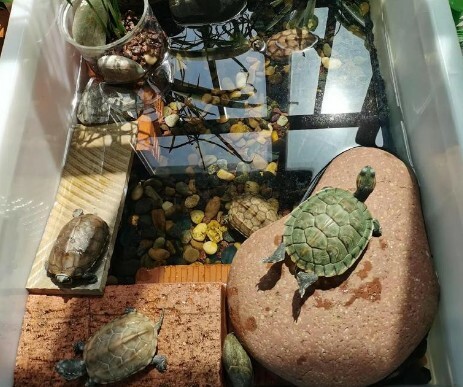
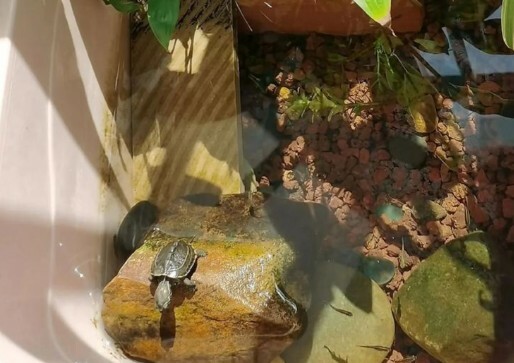
Provide adequate activity space: Turtles need enough space to move and crawl, so when choosing a container, ensure its size and height are suitable for the turtle’s growth needs.
Maintain suitable temperature and humidity: A turtle’s living environment needs to be kept at a suitable temperature and humidity. Generally, the temperature of a turtle’s rearing environment should be maintained between 25–30 degrees Celsius (77-86°F), with humidity between 50–70%.
Provide suitable food: A turtle’s diet includes vegetables, fruits, and protein. When feeding, pay attention to the freshness and variety of the food to ensure the turtle’s nutrition is balanced.
Regularly clean and disinfect: It is necessary to regularly clean the turtle’s living environment to keep it clean and tidy. At the same time, the turtle should also be given regular check-ups and disinfections to prevent the spread of diseases.
Placement
The turtle can be placed in locations such as the living room, study, or office. Try to place the turtle in a place with ample sunlight and good ventilation.
Avoid placing it in private spaces like bedrooms and bathrooms: The humidity and temperature in these spaces may not be suitable for the turtle’s growth and could also affect the family’s privacy.
Avoid placing it near electrical appliances: The magnetic fields generated by electrical appliances may affect the turtle’s living environment and have an adverse impact on the turtle‘s health.
Avoid placing it in noisy and overly bright places: These environmental conditions may affect the turtle’s rest and growth.
The Don’ts of Keeping a Turtle
Keeping a turtle at home is a very interesting and meaningful affair. However, in the process of raising a turtle, there are some don’ts that require attention. Here are some don’ts for keeping a turtle at home:
Quantity and Species
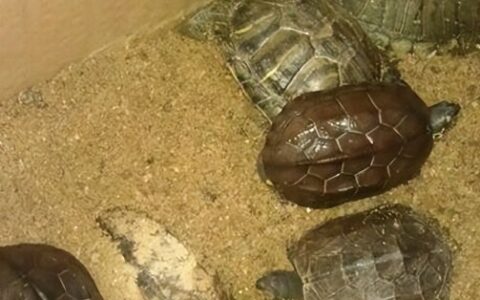
Don’t keep too many: Keeping too many turtles will make the rearing environment crowded, affecting their growth and health. At the same time, too large a quantity can easily lead to the spread and infection of diseases.
Don’t keep too many different species: Different species of turtles have different rearing needs and habits. Mixed rearing may lead to fights and the spread of diseases among the turtles.
Rearing Environment
Do not place electrical appliances next to the turtle tank: The magnetic fields generated by electrical appliances may affect the turtle’s living environment and have an adverse impact on the turtle‘s health.
Don’t let the water level be too deep: Turtles need to swim and rest in water, but if the water level is too deep, it may cause the turtle to feel stressed and uncomfortable, and could even lead to drowning.
Feeding
Don’t provide a monotonous diet: A turtle’s diet includes vegetables, fruits, and protein. When feeding, pay attention to the freshness and variety of the food to ensure the turtle’s nutrition is balanced.
When keeping a turtle at home, you should follow the dos and don’ts above to bring good luck. Additionally, during the process of raising the turtle, pay attention to its health condition. If problems arise, take it to see a veterinarian in a timely manner.
Original article by 搬运工, if reproduced, please cite the source: https://www.kaipet.com/en/dos-donts-keeping-turtles-complete-guide-position-environment-feeding



Comments(2)
Super helpful guide! I’m curious, what vegetables and fruits do you feed your turtles for a balanced diet?
@CriticX:Thank you for your kind words! We’re glad the guide was helpful. For vegetables, leafy greens like romaine, collard greens, and kale are often recommended. Fruits such as apples and berries can be given sparingly as treats. Always prioritize variety and consult a reptile veterinarian for personalized dietary advice.