

Keeping a pet is a task that requires a sense of responsibility and patience. Sometimes, for various reasons, we may no longer be able to care for our pets, such as turtles. In such cases, many people consider releasing them into the wild. However, releasing a turtle is not a simple matter and must be handled with caution. Below are detailed precautions for releasing turtles to ensure they can survive in a suitable environment.
Release Methods and Species Considerations
Choosing a Proper Release Method
First, choosing a proper release method is crucial. Releasing a turtle indiscriminately not only threatens its survival but may also have a negative impact on the local ecosystem. Turtles are highly adaptable animals, but a turtle also needs an environment suitable for its survival. Therefore, before deciding to release a turtle, you should carefully consider and choose an appropriate location and method.
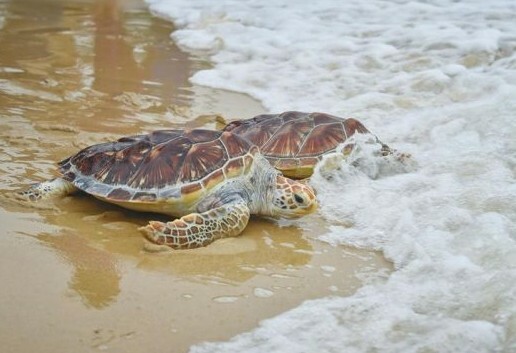
Understand the Turtle’s Species
Different turtle species have different living habits and environmental needs. For example, aquatic turtles need to live in water, while tortoises require a dry land environment. If you don’t know the species of your turtle, releasing it blindly may lead to its inability to adapt to the new environment, or even death. Therefore, before release, you must understand the turtle’s species and its living habits to choose the most suitable release environment for the turtle.
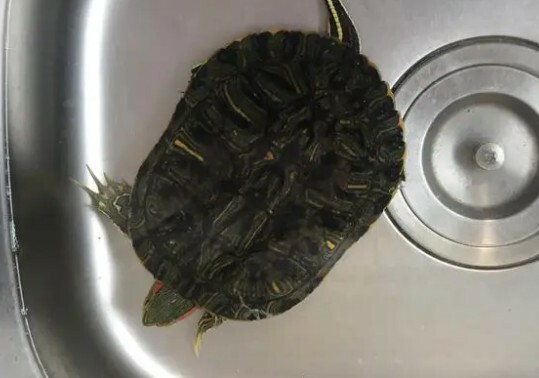
Environmental Factors
The Environmental Temperature Must Be Suitable
Turtles are cold-blooded animals, and their body temperature changes with the ambient temperature. Therefore, the environmental temperature at the time of release is crucial for a turtle’s survival. Temperatures that are too low will cause the turtle to become sluggish or even enter hibernation; temperatures that are too high may lead to heatstroke or dehydration. Generally, the best time to release a turtle is in the spring or autumn, as the temperatures during these seasons are more suitable, allowing the turtle to better adapt to the new environment.
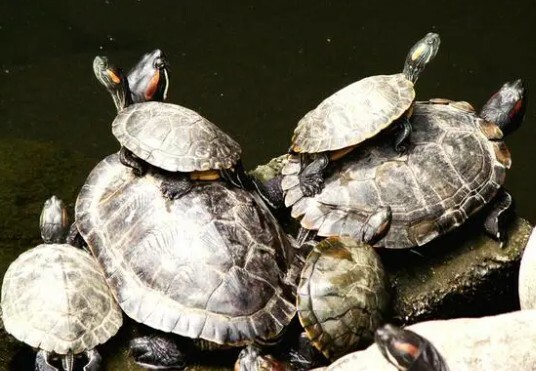
The Water Quality of the Release Environment Is Very Important
For aquatic turtles, water quality is directly related to the aquatic turtle’s health. When releasing them, choose bodies of water that are clear and unpolluted, and avoid industrial or agricultural pollution zones. Additionally, it is best to choose permanent bodies of water, as their ecosystems are relatively stable and can provide the necessary conditions for the turtle’s survival. If it is a tortoise, you should choose a terrestrial environment with rich vegetation and no pollution.
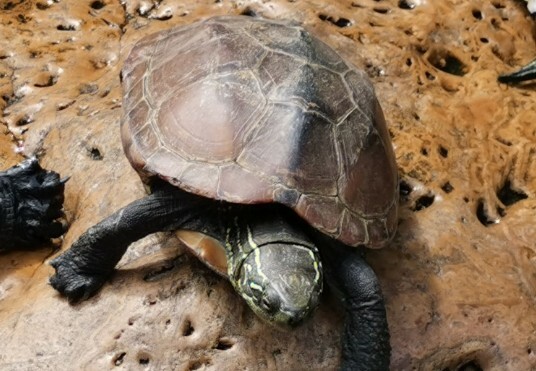
Choose a Place with No or Few People for Release
Turtles are relatively sensitive animals, and areas with frequent human activity can cause them distress. Therefore, you should choose a place with no or few people for the release, so the turtle can better adapt to the new environment with less human disturbance. At the same time, these places usually have better ecological environments and abundant food resources, which are conducive to the turtle’s survival.
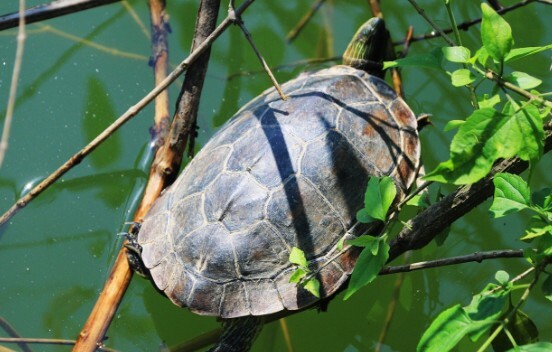
Releasing a turtle is an act that requires a sense of responsibility and compassion. Only by choosing a proper release method, understanding the turtle’s species, paying attention to the ambient temperature at the time of release, selecting a suitable release environment, and carrying out pre-release preparations and post-release follow-up observations can you ensure the turtle will survive in a suitable environment. Furthermore, the Red-eared slider is a non-native species, and releasing it will very likely pose a threat to the surrounding environment. So, if the species you are keeping is a Red-eared slider, it is best not to release it.
Original article by 搬运工, if reproduced, please cite the source: https://www.kaipet.com/en/5-key-precautions-releasing-turtles-improper-release-fatal





Comments(2)
This is so insightful! The warning about Red-eared sliders is crucial. What other common pet turtles should I *never* release into the wild?
@CriticX:感谢您的提问!很高兴文章对您有帮助。除了巴西龟,原则上所有非本地原生龟种都不应被野放,以免对本地生态系统造成威胁。请继续关注我们的更新!