

Turtles, as long-lived pets, can typically live for several decades or even longer. However, for many novice turtle keepers, improper husbandry practices can significantly shorten their turtles’ lifespan. Here, we uncover the 8 major behaviors that lead to a short life for turtles!
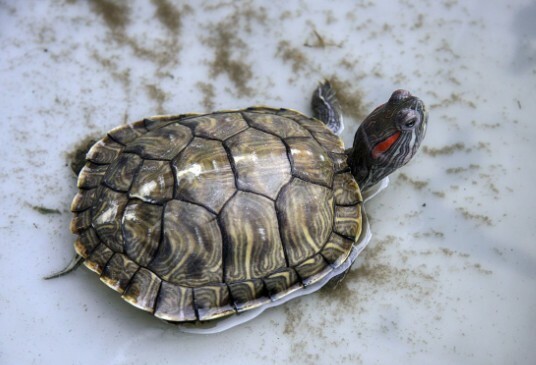
The 8 Major Mistakes That Shorten a Turtle’s Lifespan
Frequent Water Changes
Frequent water changes can disrupt the turtle’s living environment, making it difficult for the turtle to adapt. Turtles need stable water quality and environment to stay healthy. Frequent water changes not only disturb the turtle’s routine but can also trigger various diseases.
Solution:
Change the water 1 time per week, replacing one-third to one-half of the water each time.
Use a filter to maintain clean water quality and reduce the frequency of water changes.

Putting a New Turtle Directly into Water
A newly bought turtle needs time to adapt to its new environment. If placed directly into water, it may experience a stress response (Note: a non-specific reaction of the body when subjected to internal and external environmental stimuli) due to the drastic environmental change, leading to decreased immunity and making it susceptible to illness.
Solution:
Place the newly bought turtle in a damp environment to let it gradually adapt to the new temperature and humidity.
Increase the water level progressively to let the turtle adapt slowly.
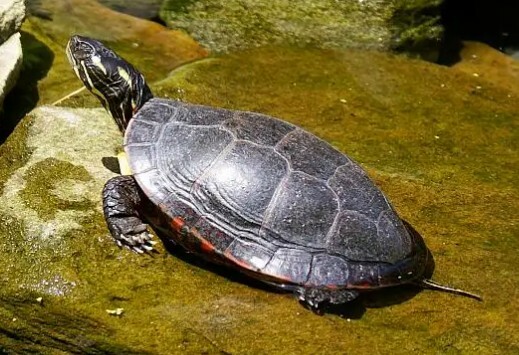
Overeating
A turtle’s digestive system is relatively fragile. Overeating can lead to problems like indigestion and gastroenteritis, and in severe cases, it can even be life-threatening.
Solution:
Feed at regular times and in fixed quantities daily to avoid overfeeding.
Provide a variety of foods, such as vegetables, fruits, insects, and small fish, to ensure balanced nutrition.

Prolonged Sun Exposure
Although turtles need sunlight to synthesize Vitamin D3, prolonged sun exposure can lead to dehydration, heatstroke, and even burns.
Solution:
Provide 1-2 hours of sunlight exposure daily, avoiding the intense midday sun.
Set up a shady area so the turtle can choose to bask or rest freely.
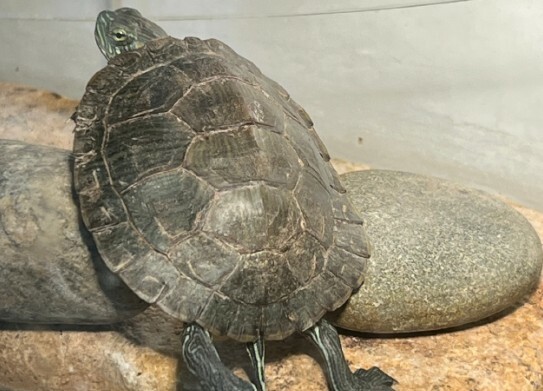
Excessive Handling
Turtles are animals that require a quiet environment. Excessive handling will cause the turtle to feel stressed and anxious, affecting its normal life and health.
Solution:
Minimize the frequency of handling the turtle to avoid excessive disturbance.
Provide enough hiding spots for the turtle to retreat to.
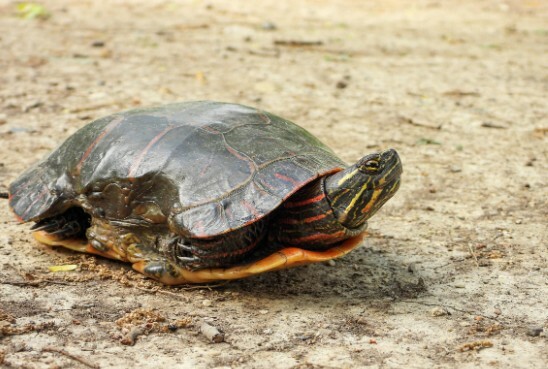
Keeping Adult Turtles Together
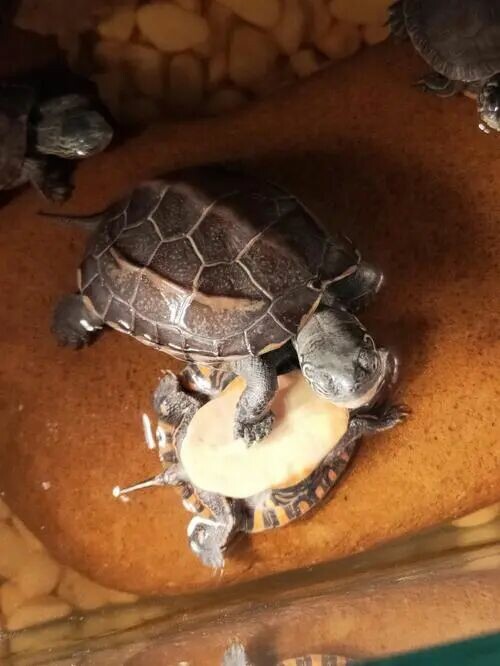
Keeping turtles of different species and sizes together can lead to fighting, disease transmission, and even death.
Solution:
Try to avoid keeping turtles of different species and sizes together.
If they must be housed together, ensure no fighting occurs between them and regularly check their health status.

Lack of Attention
A turtle’s health problems are often not easy to notice. If not discovered and treated in time, it can lead to serious consequences.
Solution:
Regularly observe the turtle’s behavior and appetite to promptly detect any abnormalities.
Take the turtle to a professional veterinary clinic for regular check-ups to prevent diseases.
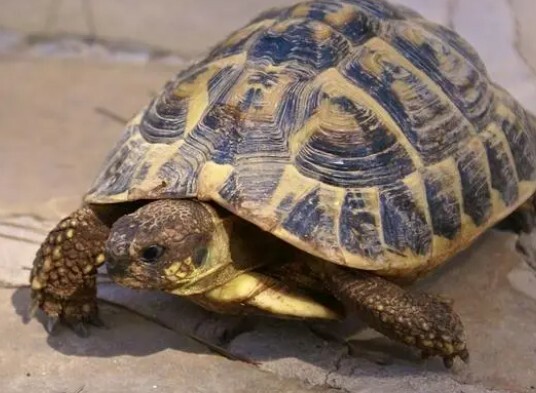
Drastic Temperature Changes
Turtles are very sensitive to temperature changes. Drastic temperature differences can easily trigger illnesses like colds and pneumonia.
Solution:
Maintain a stable temperature in the rearing environment and avoid sudden fluctuations.
Pay special attention during the change of seasons to prevent the turtle from catching a chill.

A turtle’s longevity is not something to be taken for granted; it requires meticulous care and proper husbandry from the owner. Avoiding the 8 situations mentioned above can greatly increase the turtle’s survival rate.
Original article by 搬运工, if reproduced, please cite the source: https://www.kaipet.com/en/doesnt-turtle-live-long-youre-making-8-mistakes










Comments(2)
Fantastic advice! I’m wondering, what are the subtle, early signs of stress or illness keepers might miss in their turtles?
@CriticX:Thank you for your excellent question, CriticX! Early signs of stress or illness can be subtle. Often, changes in appetite, activity levels, or unusual hiding are key indicators. Regular observation is crucial!