

With the arrival of autumn and winter, many turtle enthusiasts begin to focus on the issue of turtle hibernation. Turtle hibernation is a natural physiological phenomenon, but for first-time turtle keepers, it can be confusing and stressful. This article will provide a detailed introduction to whether turtles need to hibernate, the timing of turtle hibernation, hibernation methods, and important precautions to help you better care for your pet turtle.
Turtle Hibernation Guide
Do Turtles Need to Hibernate?
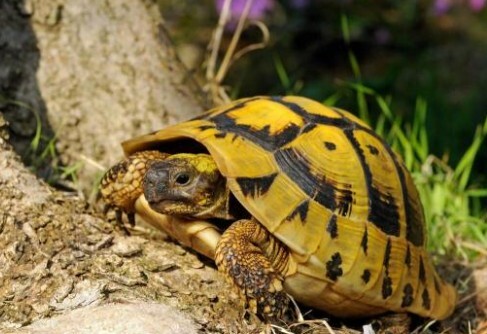
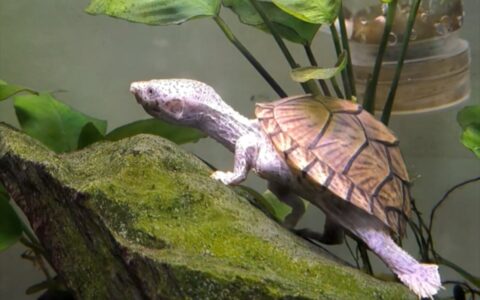
Whether a turtle needs to hibernate depends on its species and living environment. Most turtles enter a state of hibernation during the winter because they are cold-blooded animals, and their body temperature changes with the ambient temperature. When the external temperature drops below 15 degrees Celsius (59°F), a turtle’s metabolism (Note: refers to the exchange of matter and energy between an organism and its environment, as well as the transformation of matter and energy within the organism) decreases significantly, and it enters hibernation to conserve energy. However, not all turtles need to hibernate. Some turtles from tropical regions, such as the Mata mata turtle and the Yellow-spotted river turtle, typically do not need to hibernate.
When Do Turtles Hibernate?
Turtles usually begin preparing for hibernation around October each year, though the specific timing varies depending on regional climate differences. Generally, when the external temperature drops below 15 degrees Celsius (59°F), turtles will gradually reduce their food intake and enter the pre-hibernation stage. During hibernation, turtles will keep their eyes closed and reduce movement, only waking up when temperatures rise in March or April of the following year.
What Are the Methods for Turtle Hibernation?
The main methods for turtle hibernation are as follows:
Shallow Water Hibernation: Suitable for aquatic and semi-aquatic turtles. Stop feeding half a month before hibernation to help the turtle clear its intestines. Place the turtle in a shallow water container with the water level just covering its carapace, and keep it in a ventilated, dark environment. Change the water regularly to maintain water quality.
Moss Hibernation: Suitable for areas where the room temperature is around 10 degrees Celsius (50°F). After disinfecting dry moss, spread it in a container to a thickness of about 4-5 cm (approx. 1.6-2.0 inches). The turtle will burrow into the moss on its own. Water it regularly to keep it moist.
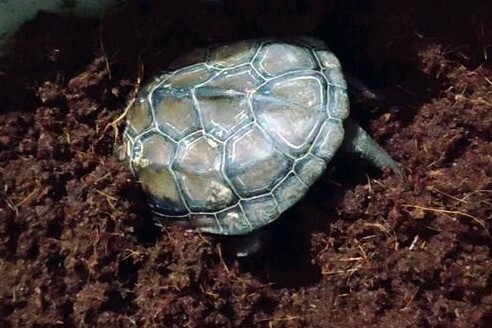
Coco Coir Hibernation: Suitable for most aquatic and semi-aquatic turtles. Lay a layer of coco coir in the enclosure, and the turtle will dig a burrow to hibernate. Keep the coco coir moist by watering it regularly.

Mud Slurry Hibernation: Create a mud slurry by mixing soil and water for the turtle to hibernate in. This method helps prevent the turtle’s skin from rotting and promotes health.
Damp Cloth Hibernation: Cover the turtle with a damp towel and sprinkle water regularly to keep the towel moist. This method is suitable for urban keepers. Change the towel once every 2 weeks to ensure hygiene.
Refrigerator Hibernation: Suitable for extremely cold regions or places where a stable hibernation temperature cannot be provided. Move the turtle into a refrigerator to provide a stable hibernation temperature.
Precautions for Turtle Hibernation
1. Gut Clearing: Before hibernation, the turtle needs to have its intestines cleared. Stop feeding for a period to allow the turtle to empty any residual food from its intestinal tract, preventing intestinal diseases during hibernation.
2. Environmental Control: The hibernation environment should be kept quiet and dark. The temperature should be stable, between 0-10 degrees Celsius (32-50°F), avoiding drastic fluctuations.
3. Humidity Management: Regardless of the hibernation method used, the environment must be kept moist. Regularly check and add water to prevent the turtle from dehydrating.

4. Health Check: Before hibernation, ensure the turtle is healthy and free of diseases. Turtles in poor physical condition are not suitable for hibernation, especially small and juvenile turtles, for whom hibernation is not recommended.
5. Regular Checks: During hibernation, periodically check the turtle’s condition. If you find that the turtle has woken up, do not feed it; simply maintain a moist environment and a suitable temperature.
Turtle hibernation is a natural process, but it also requires careful attention from the owner. By understanding the hibernation needs of turtles and the correct methods, you can effectively help your pet turtle safely get through the cold winter.
Original article by 搬运工, if reproduced, please cite the source: https://www.kaipet.com/en/complete-guide-turtle-hibernation-start-6-methods-choose





Comments(2)
This guide is fantastic! I’m curious about post-hibernation: how do you gradually reintroduce feeding to turtles? Any important tips?
@CriticX:Thank you for the wonderful feedback! We’re thrilled you found this guide useful. Your question about reintroducing feeding post-hibernation is excellent and crucial. While this article focuses on the hibernation process, we’ll certainly consider covering post-hibernation care in future content for our community!