

As temperatures drop, it’s time for turtles to begin hibernating again. For turtles, hibernation is a major event. If the hibernation method is incorrect, it’s easy for them to die during hibernation. Here is a compilation of 4 common turtle hibernation methods and their precautions, with details as follows:
Essential Preparations Before Hibernation
Health Screening
Only healthy and “well-fed” (meaning with sufficient body fat reserves) turtles can hibernate. It is not recommended for sick or weak turtles to hibernate; they must be kept in a heated environment.
Intestinal Cleansing
When the water temperature is around 15°C (59°F), you should stop feeding and give the turtle a warm water soak to help it better empty its intestinal tract.
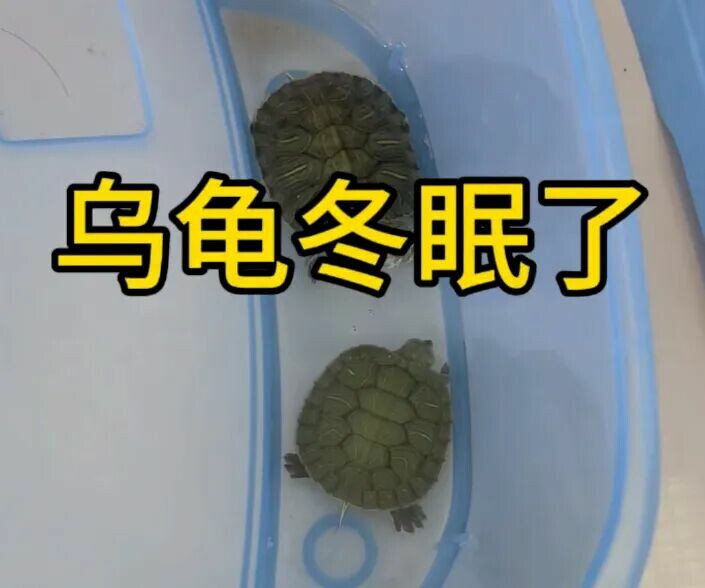
4 Common Turtle Hibernation Methods
Shallow Water Hibernation
Method: Place the turtle in shallow water, with the water level at half the height of its carapace. Keep it in a dark and quiet place, and do not disturb the turtle. The advantage of this method is that it is simple, convenient, and allows for easy observation. During this process, it is necessary to keep the water quality clean and clear, and also to change the water regularly.
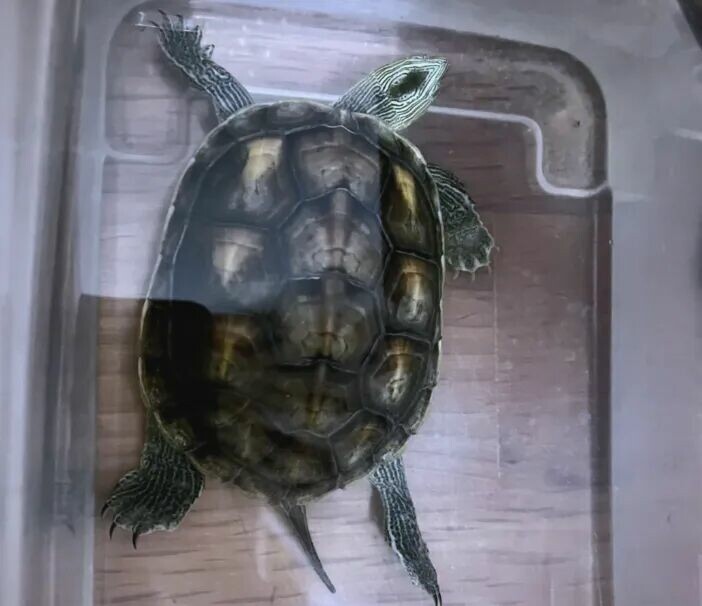
Muddy Water Hibernation
Method: Mix unpolluted pond mud with clean water. The turtle will burrow into the mud on its own to hibernate. The advantage of this method is its good heat and moisture retention, which gives the turtle a sense of security. However, the mud needs to be disinfected beforehand to avoid harmful substances.
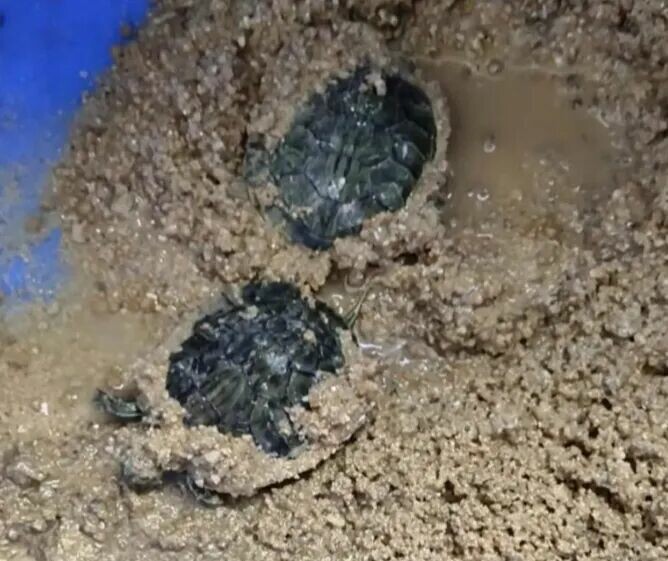
Coco Coir Hibernation
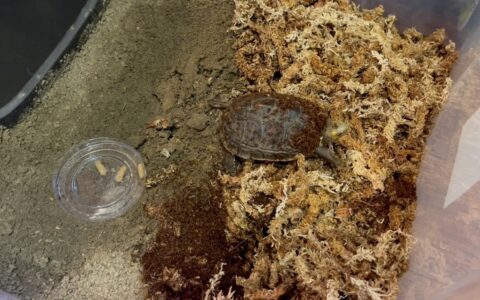
Method: Soak a coco brick until it expands and squeeze out the excess water to keep it moist and loose. The turtle will burrow into it to hibernate. The advantages of this method are its good heat and moisture retention, and the material is soft. It is important to spray water periodically to maintain humidity, but be careful not to make it too wet.
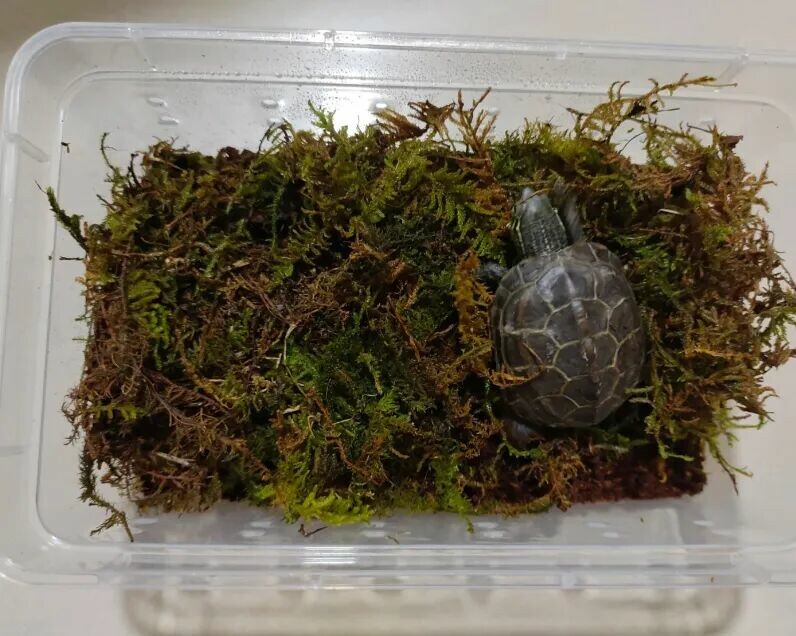
Water-Absorbent Resin Hibernation
Method: Mix the water-absorbent resin with water to form a transparent “jelly-like” substance. The turtle can then be placed inside to burrow. This method is clean, moisturizing, breathable, and not prone to mold. When choosing a resin, select a non-toxic brand and ensure the depth is sufficient.
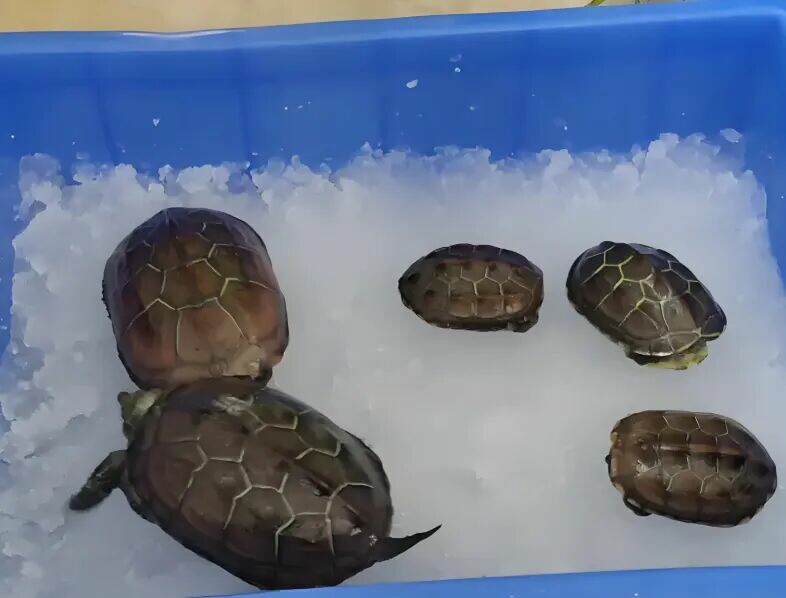
Key Precautions During Hibernation
Temperature and Environment
Temperature: Maintain at around 5-10°C (41-50°F). It should not be too low, and strong temperature fluctuations should be avoided. Environment: It should be kept dark, quiet, and also ventilated.
Regular Checks
Don’t assume everything is fine just because the turtle is hibernating. You still need to check on it periodically. You can check on it every 1-2 months to see the turtle’s condition. Handle it gently.
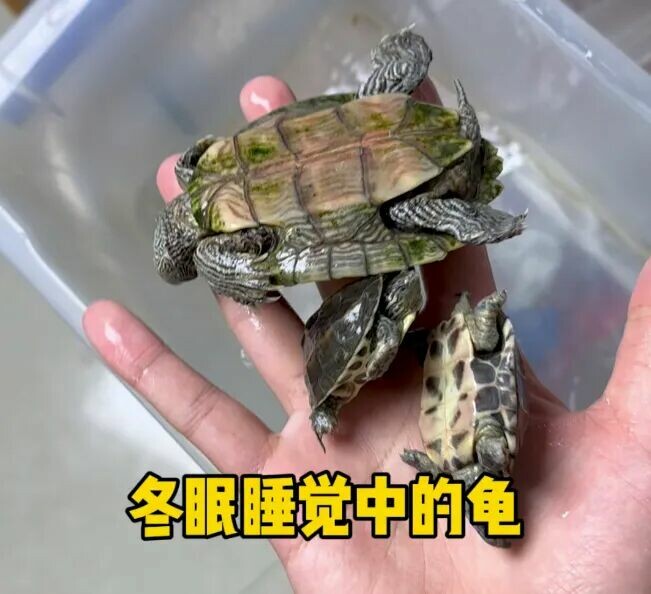
Signs of a Turtle Waking Up
The following spring, when the temperature stabilizes above 15°C (59°F), the turtle will start to become active. We can first offer a small amount of water, observe the turtle’s condition, and once it’s normal, we can gradually start feeding it. You can provide some easily digestible food to help the turtle recover its physical energy. Hibernation is a major annual event for turtles. Only with thorough preparation can you let your turtle rest peacefully and help it get through the winter safely.
Original article by 搬运工, if reproduced, please cite the source: https://www.kaipet.com/en/comparison-4-turtle-hibernation-media-easiest-muddy-water-coco-coir-resin




Comments(2)
Such a thorough comparison! I’m curious, are there any specific turtle species that benefit more from one hibernation method over the others?
@CriticX:Thank you for your thoughtful question! While the article provides a general comparison of methods, species-specific hibernation needs can vary. We recommend consulting a reptile veterinarian or specific breed care guides for tailored advice on your turtle’s species.