

Cleansing a turtle’s intestines before hibernation is necessary and also a very popular practice. Of course, this issue is also controversial; there are many who support intestinal cleansing, while the number of opponents is not small either.
The Necessity of Intestinal Cleansing Before a Turtle’s Hibernation
Turtles are typical poikilotherms (note: cold-blooded animals), and their physiological activity changes with the air temperature. In the wild, turtles gradually reduce their food intake as the temperature drops, eventually entering a state of hibernation. However, there are significant differences between a captive environment and a wild one. Captive turtles usually live in a relatively constant temperature with an abundant food supply, which may result in the turtle being unable to naturally empty its intestines before hibernation.
The necessity of intestinal cleansing is mainly reflected in the following aspects:
Preventing intestinal burden: During hibernation, a turtle’s metabolism nearly stops. If food residue in the intestines is not expelled in time, it can cause an intestinal burden and even lead to pathological changes.
Avoiding fermentation and gas production: Residual food fermenting in the intestines can produce gas (note: causing bloating), which in severe cases can lead to intestinal rupture, threatening the turtle’s life.
Promoting healthy hibernation: Emptying the intestines helps the turtle maintain good health during hibernation and reduces complications caused by intestinal problems.
Specific Methods for a Turtle’s Intestinal Cleansing
There are mainly two methods for intestinal cleansing: natural intestinal cleansing and heated intestinal cleansing. The following is a detailed introduction to these two methods:
Natural Intestinal Cleansing
Natural intestinal cleansing refers to stopping feeding as the temperature gradually decreases, allowing the turtle to naturally excrete and empty its intestines. This method is gentler and aligns with the turtle’s natural habits.
The specific steps are as follows:
Stop feeding: When the air temperature drops below 20°C (68°F), stop feeding the turtle to allow it to naturally digest the food in its intestines.
Observe excretion: Regularly check the turtle’s excretion status to ensure the turtle can defecate smoothly.
Maintain a suitable environment: Provide a quiet, dark environment and maintain appropriate humidity to facilitate the turtle’s natural excretion.
Heated Intestinal Cleansing
Heated intestinal cleansing accelerates the cleansing process by raising the water temperature to promote the turtle’s digestion and excretion. Although this method is effective, it also carries certain risks.
The specific steps are as follows:
Raise the water temperature: Increase the water temperature to 25-30°C (77-86°F), using a heating rod or by soaking in warm water.
Soak the turtle: Place the turtle in the warm water to soak for 30 minutes to encourage defecation.
Observe reactions: Pay close attention to the turtle’s reactions to avoid other health problems caused by a large temperature difference.
Hibernation Preparation After Cleansing
After completing the intestinal cleansing, the keeper also needs to make the following preparations to ensure the turtle can smoothly enter hibernation:
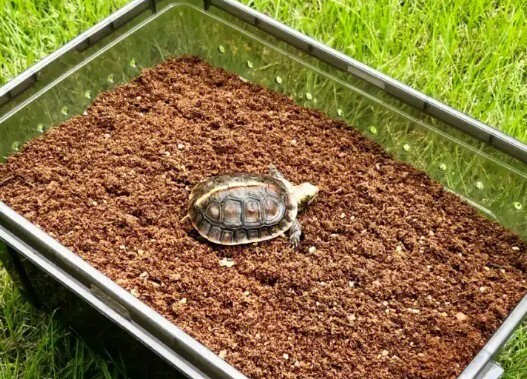
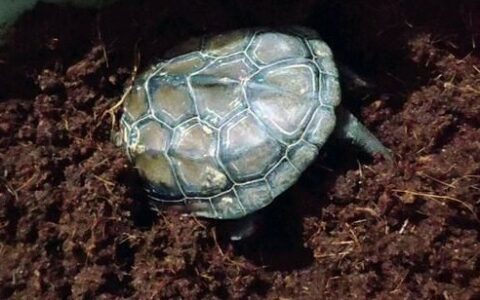
Choose a suitable hibernation container: The container should be quiet, dark, and have a certain level of humidity. Materials like sand or small stones can be used to increase humidity.
Regular checks: During hibernation, periodically check the water content in the container, maintain appropriate humidity, and ensure the turtle’s physical condition is good.
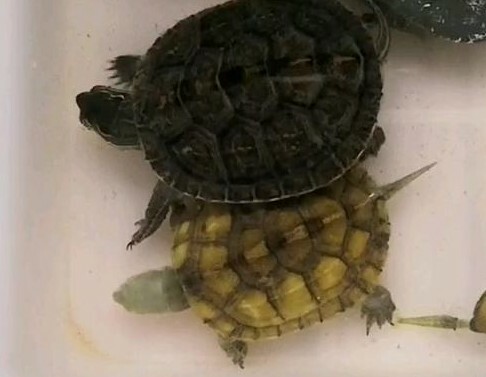
Avoid disturbance: Try to avoid disturbing the hibernating turtle, so as not to affect the quality of its hibernation.
Whether a turtle needs intestinal cleansing before hibernation depends on the turtle’s living environment and rearing methods. For captive turtles, intestinal cleansing is a necessary preparatory step that helps ensure the turtle’s health during hibernation. Keepers can choose between natural or heated intestinal cleansing methods based on their actual situation and make all necessary preparations before hibernation to help their turtle get through the hibernation period smoothly.
Original article by 搬运工, if reproduced, please cite the source: https://www.kaipet.com/en/cleanse-turtles-intestines-hibernation-professional-analysis-necessity-2-cleansing-methods







Comments(2)
Thanks for this guide! How can we tell if the intestinal cleansing was truly successful before hibernation?
@CriticX:Thank you, CriticX! We’re glad you found this guide helpful. To determine if cleansing was successful, you’d typically observe the absence of food residue in their excretions over time. For definitive confirmation or if you have specific concerns, we always recommend consulting a qualified reptile veterinarian.