

Have you ever worried about the high risks of keeping multiple turtles together? Biting each other, mutual injury, damage to their physical appearance, and rapid environmental collapse of the tank are all problems you have to face.
Actually, with the right methods, cohabitation can not only save space and effort but also improve the condition of your turtles (an affectionate term for turtles), making your turtle-keeping experience ‘skyrocket’! Let’s unlock the secrets to safe cohabitation together!
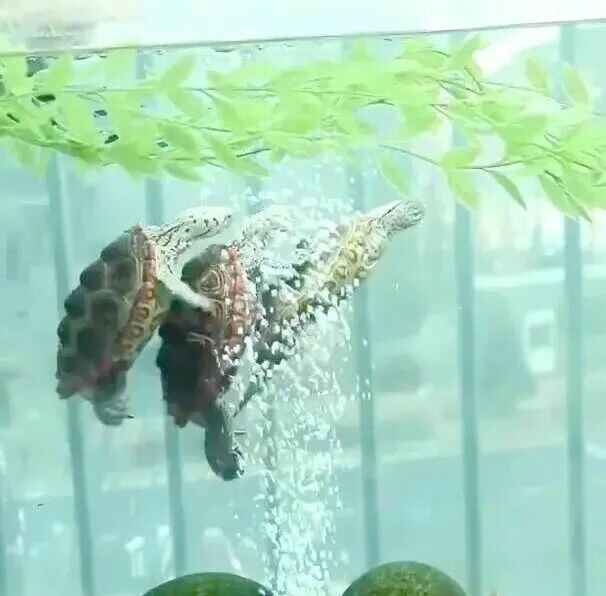
Basics of Cohabitation
A significant size difference is the number 1 taboo in cohabitation! Never put large and small turtles in the same tank—turtles don’t recognize age or size, and when extremely hungry, they will literally “open a snack box.”It is recommended that the size difference between turtles does not exceed 1/4 of the carapace length, and it’s best if they are of the same species or have similar temperaments.
Health is a prerequisite for cohabitation. If a turtle has skin/shell rot, external injuries, or any obvious diseases, it must be isolated for treatment first. The smell of blood can stimulate some turtles to attack their tank mates. Only consider housing them together (placing the turtles into the same tank) after they have fully recovered.
The Benefits of Cohabitation
Many people don’t know that successfully cohabitating turtles often become: more lively in personality and noticeably bolder; they enjoy basking and swimming together, exhibiting more natural behaviors; their appetite and overall condition are better than those kept singly, reducing instances of refusing food; and their imitative behaviors increase, making them more interactive and ‘super therapeutic’ to watch!
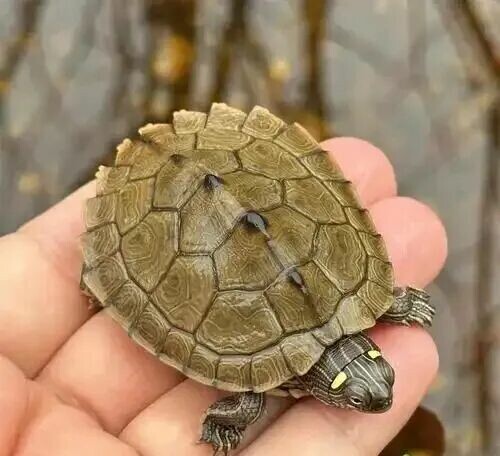
And all this stems from the turtles'”social needs”—they actually need companions too. Of course, the prerequisites are—enough space + being well-fed!
Your cohabitation setup: Similar sizes, compatible species (e.g., cohabitate Chinese grass turtles (Reeves’turtles) with Japanese pond turtles, but do not mix narrow-bridged musk turtles with other musk/mud turtles); adequate living space with multiple basking spots + hiding spots; regular and sufficient feeding to reduce hunger-induced aggression; set up multiple visual barriers to weaken territorial instincts; an initial observation period in isolation is required—only house them together after confirming there is no chasing or biting; always have a “private room” (an isolation tank) ready to handle sudden fights.
The Deeper Value of Cohabitation
Cohabitation is not just about utilizing space; it’s about doubling the emotional reward! Seeing several turtles basking together, lining up for food, or even snuggling up to sleep…… that kind of heartwarming feeling is incomparable to keeping a single turtle. When your turtles are in good condition, you will also enjoy every day of turtle keeping more.

If you’ve done your homework, why not give cohabitation a try—you’ll find they adapt to each other better than you might think.
Original article by 搬运工, if reproduced, please cite the source: https://www.kaipet.com/en/safe-turtle-cohabitation-methods-goodbye-fighting-create-harmonious-tank-double-joy





Comments(2)
Great tips! I wonder, what are the clearest signs during the initial observation period that cohabitation *won’t* work out?
@CriticX:Thank you for your valuable feedback and question! During initial observation, look for persistent aggression, nipping, chasing, or one turtle dominating resources. Stress signs like refusal to eat or or constant hiding are also red flags for incompatibility. Prompt separation is crucial if you observe these behaviors.