

For turtles, sunbathing is a very important activity. Almost every turtle needs to sunbathe daily, but it shouldn’t be done carelessly; there are requirements. Getting it wrong could be fatal!
The Importance of Sunbathing
Sunbathing allows turtles to supplement the calcium their bodies need, making their shells stronger. It also promotes digestion and has a sterilizing effect that helps prevent diseases.
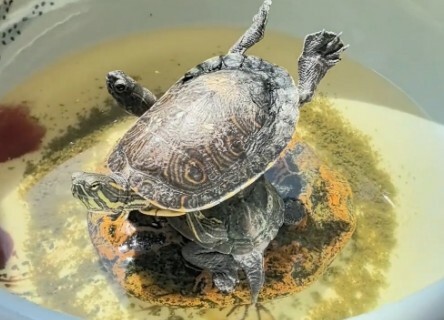
Sunbathing Time
Recommended periods: Generally from 9-10 AM or 4-5 PM (when the sunlight is gentle and not scorching).
Avoid noon: The sun is intense at noon. Avoid direct exposure to prevent them from becoming a “roasted turtle.”

Duration Control
Young turtles: 30 minutes, require full supervision.
Adult turtles: 30 minutes – 1 hour.
Tortoises: Can be extended to 2 hours.
If water temperature >35℃ (95°F), immediately move them to a shady area.
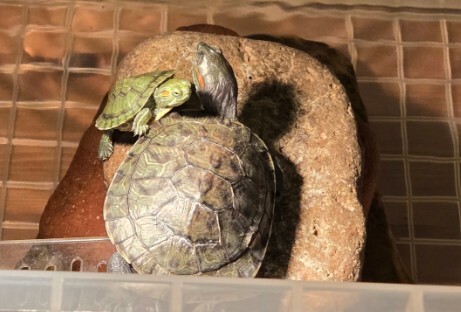
Environmental Requirements
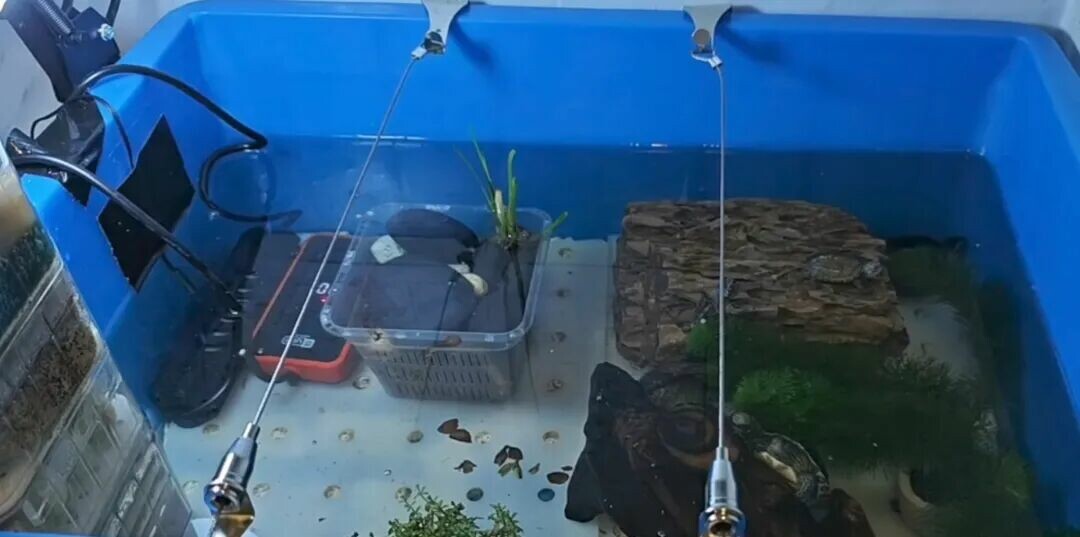
The basking platform should have low edges to prevent “flipping over.”
Shade must be provided; turtles will self-regulate.
Place shallow water nearby. For every 10-minute interval of sunbathing, they need to soak for 1 minute to rehydrate. Don’t let them sunbathe for long periods without rehydrating, or you’ll turn the turtle into a “raisin.”
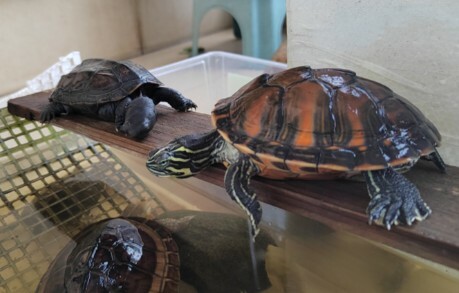
Common Mistakes
Sunbathing for the entire day.
A turtle can get heatstroke after 1 hour of intense sun exposure. The optimal duration is 20-30 minutes daily between 9-10 AM.
Sunbathing through glass.
Glass blocks 90% of the sun’s ultraviolet rays. They must be sunbathed outdoors or under a UVB lamp (Ultraviolet B-band lamp) (with a power rating of 2.0-5.0).
Only sunbathing without rehydration.
When the turtle is sunbathing, it should be placed in a shallow water area. For every 10 minutes of sunbathing, let the turtle soak in water for 1 minute to rehydrate promptly and prevent dehydration.
Safety Tips
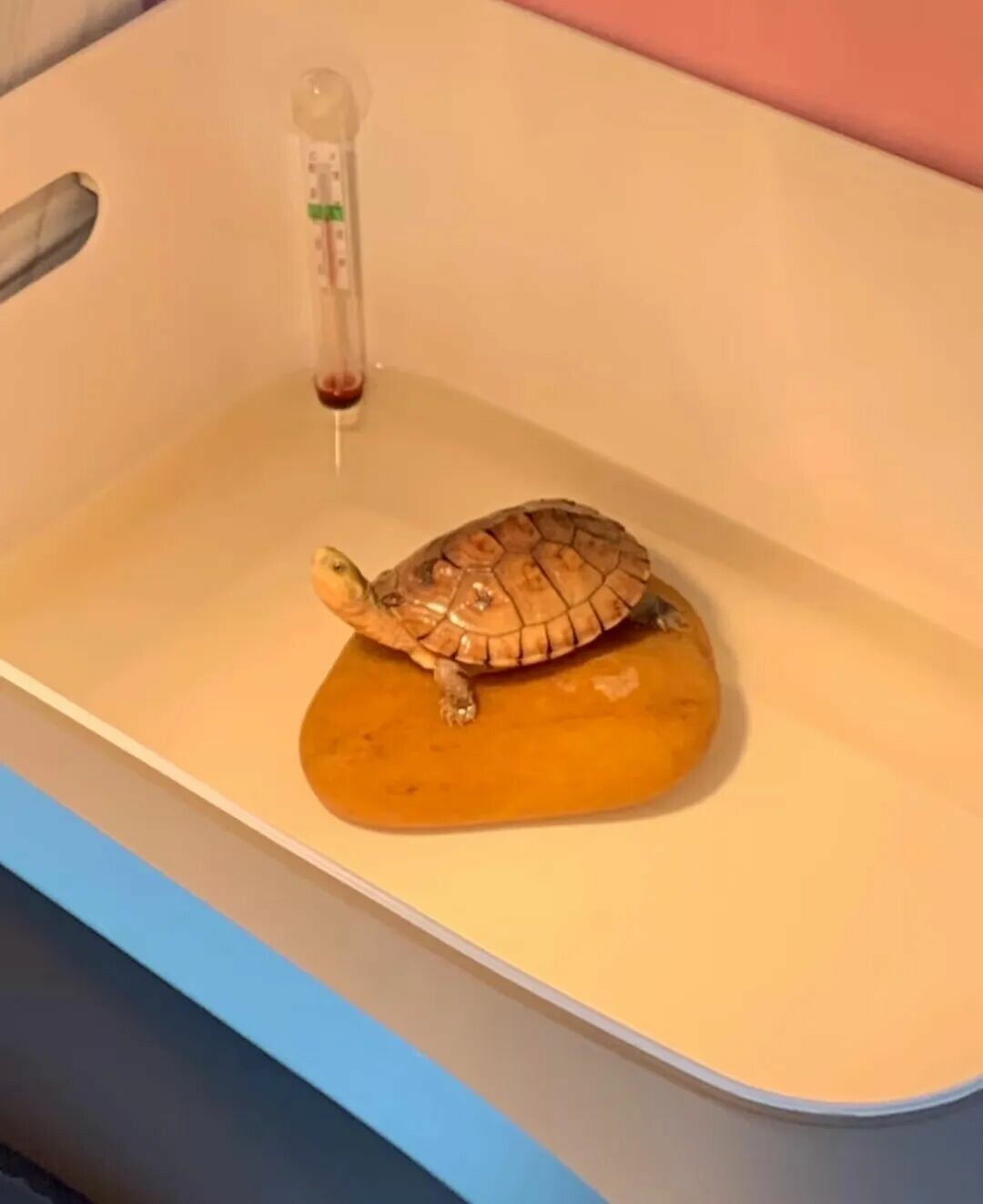
Avoid intense sun at noon. If the water temperature is >35℃ (95°F), move the turtle to a shady spot immediately. If you can’t determine the water temperature, use a thermometer.
The edges of the basking platform should be low to prevent the turtle from “flipping over onto its back” and falling.
When young turtles are sunbathing, someone needs to be nearby to supervise.
Friendly Reminder
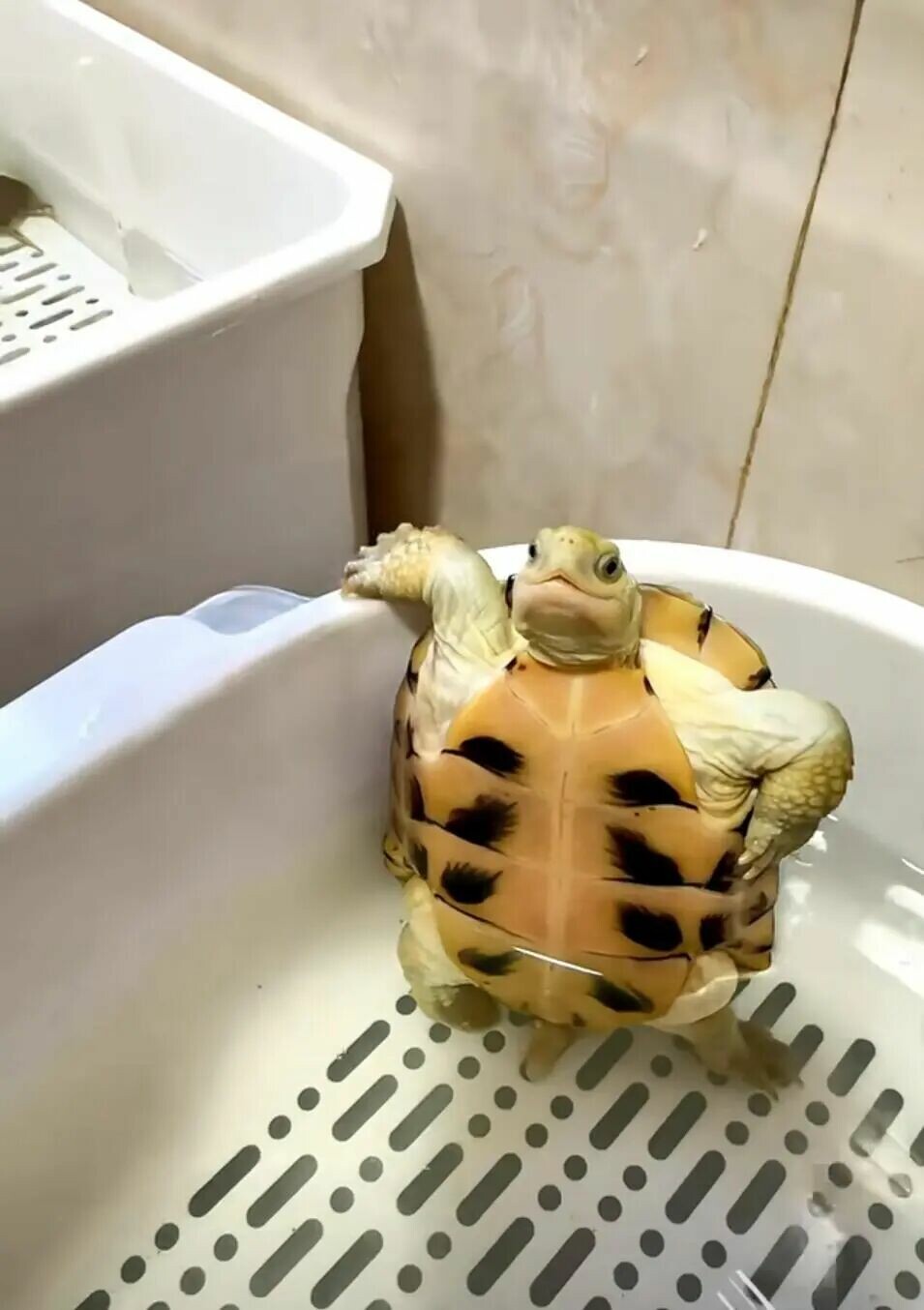
Sunbathing your turtle at a fixed time every day will make it healthier. You can observe the turtle’s state; when comfortable, it will stretch its legs and neck. If you notice it becoming agitated, stop immediately.
Although turtles can’t speak, they express comfort or discomfort through various behaviors or movements. Therefore, you must be very patient and attentive when caring for turtles to take good care of them.
Original article by 搬运工, if reproduced, please cite the source: https://www.kaipet.com/en/detailed-guide-correct-method-golden-hours-fatal-mistakes-turtle-sunbathing





Comments(2)
Such a great guide! I’m curious if different turtle species, beyond age, have unique sunbathing needs or preferences?
@CriticX:Thank you, CriticX, for your kind words! We appreciate your excellent question about species-specific sunbathing needs beyond age. While this guide provides general advice, specific requirements can vary. It’s a great point for further research, and we encourage consulting species-specific care sheets for detailed information.