

“Help! Why has my turtle turned into a ‘wooden statue’?” Have you noticed your dear turtle suddenly frozen in place recently? It won’t eat, drink, or even move an inch, leaving many fellow turtle owners puzzled. Why are the turtles on certain short-video platforms (like TikTok) still so full of life? It’s a world of difference, isn’t it? Don’t panic! The temperature might be the culprit here!
Now that the Mid-Autumn Festival is long past, temperatures are gradually dropping from north to south. It will soon be the south’s turn. Although the temperature won’t drop to its lowest all at once, it’s time to start adjusting their feeding schedule and frequency.
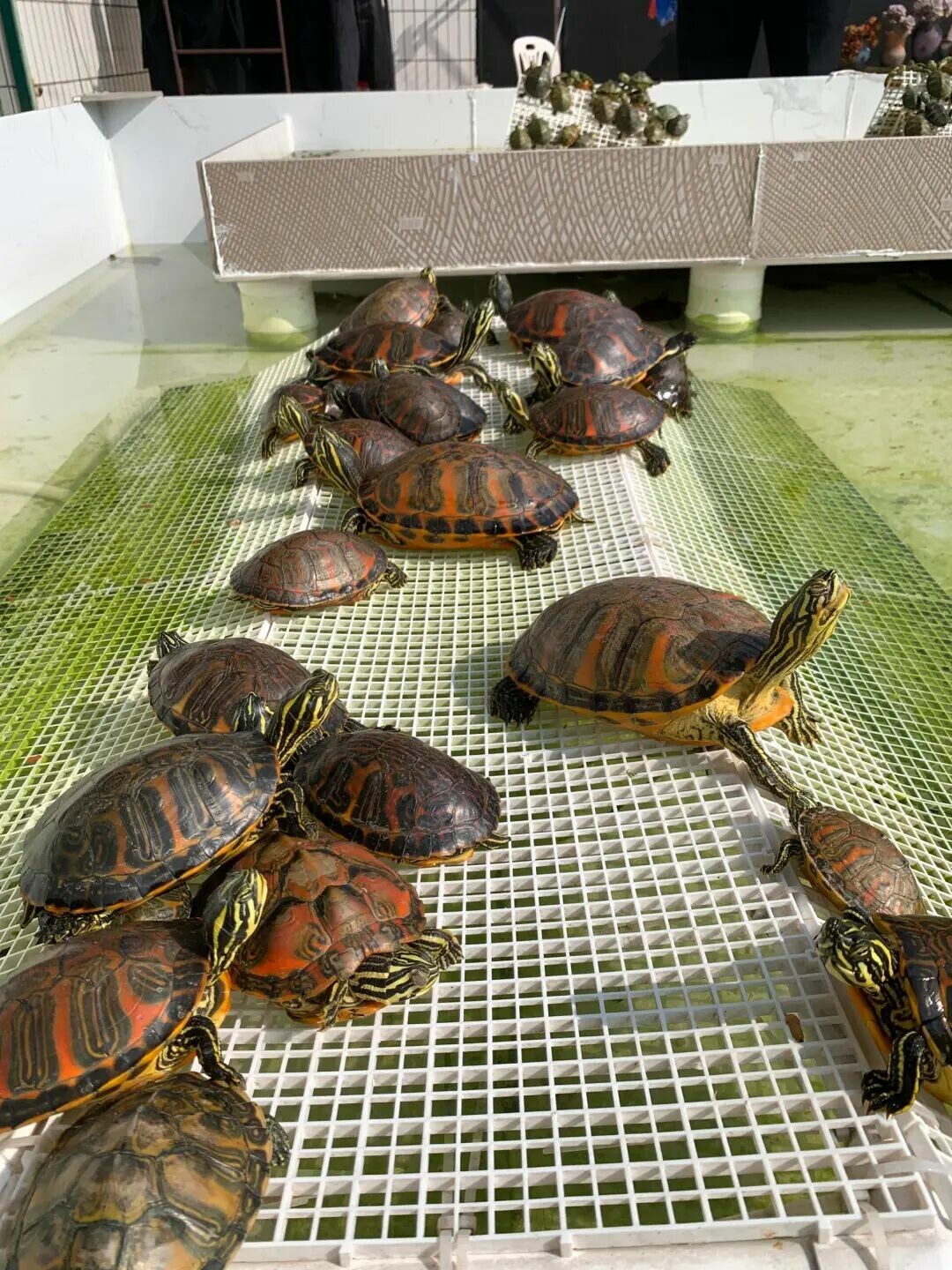
The Ultimate Guide to Turtle Temperatures
25-28°C: The golden zone for turtles! Perfect for chowing down and swimming—this is when they are most active. You typically only find these ambient or water temperatures in the summer, which is the prime season for feeding them well.
Below 20°C: Power-saving mode enabled. Their appetite will plummet, and many individuals will stop eating almost entirely.
5-10°C: The hibernation countdown begins! The turtle is preparing to ‘shut down,’ and we can take a break too.
13-15°C: The danger zone! This intermittent waking will deplete their energy reserves. This temperature range is actually the most awkward. The turtle will repeatedly wake up and fall back asleep, often crawling out of its hibernation spot. In this situation, I personally recommend just keeping them in their usual environment. Since they can’t hibernate properly anyway, it’s better not to fuss over it. Just stop feeding them.
The most lethal temperatures are below 5°C, or even freezing—more than a month of this, and your turtle could become a ‘frozen statue’!
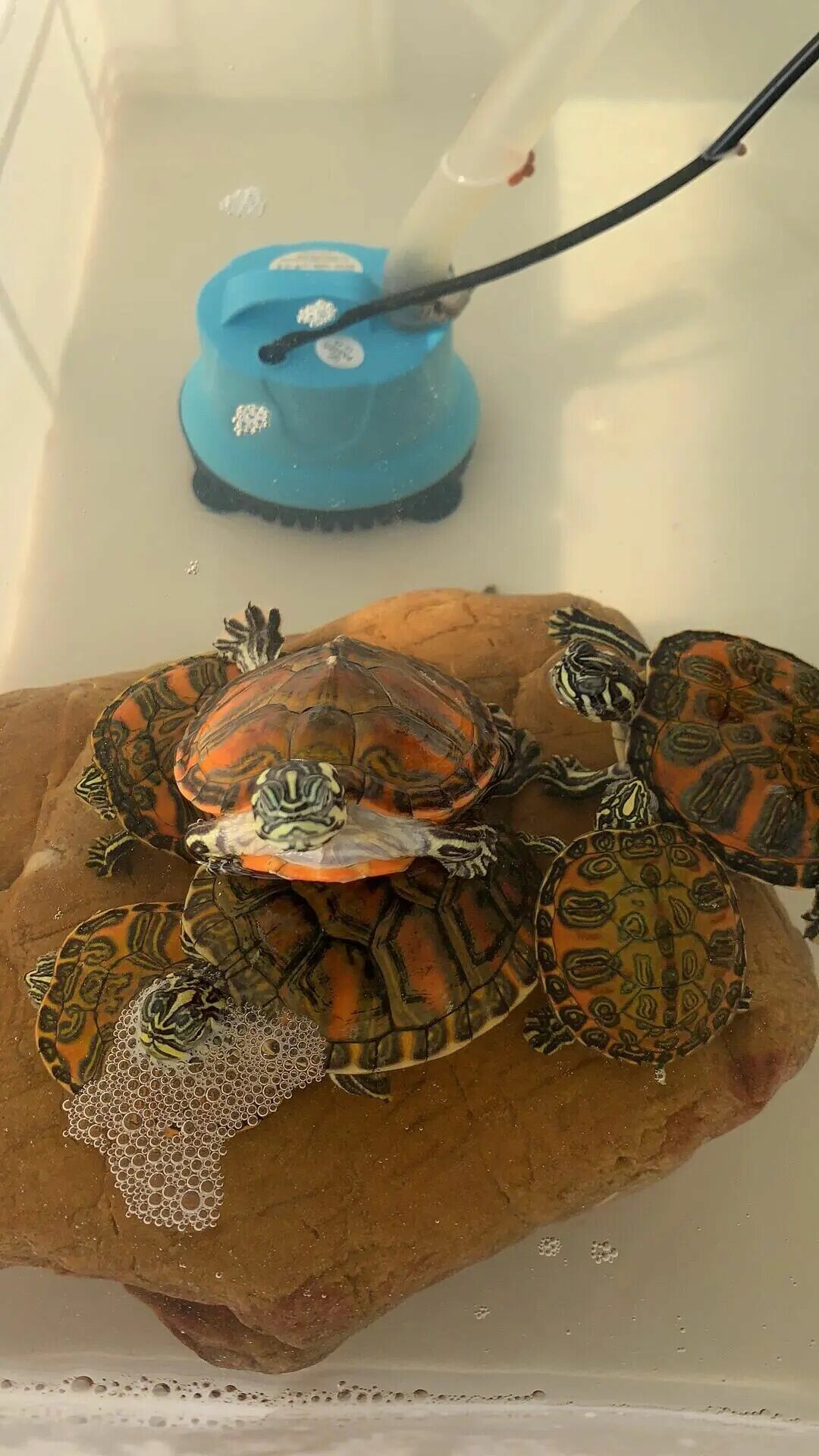
So it turns out other people’s turtles are still frolicking about because they’ve secretly turned on a heater! Or perhaps those turtles are in the south, where they can still be active during this time of year.
Now do you see why your turtle has suddenly become so lethargic (or has ‘given up,’ as the internet slang goes)? Go check the water temperature, and don’t let your precious pet struggle in that awkward temperature limbo!
Preparing Your Turtle for Winter
When it comes to preparing your turtle for winter, it’s not strictly about the month on the calendar; you must make decisions based on your local climate changes. The weather patterns vary each year. There’s no need to blindly copy what others do. As long as you integrate the skill of observation into your turtle-keeping routine, everything will be under your control.
Original article by 搬运工, if reproduced, please cite the source: https://www.kaipet.com/en/turtle-acting-sluggish-food-temperature-real-culprit-unveiling-5-hibernation-donts-pet-survive-winter







Comments(2)
This is so helpful! I always wondered about that awkward 13-15°C range. Do you start adjusting food as soon as temps dip below 20°C?
@CriticX:We’re glad you found this post helpful! The 13-15°C range is indeed crucial. Regarding your question, yes, it’s advisable to start adjusting your turtle’s feeding schedule and frequency as temperatures consistently drop below 20°C.