

When it comes to the matter of eating, the turtle family is a perfect example of diversity, with each member having its own unique approach. Don’t be fooled by their slow movements—the knowledge behind their diets and eating methods is anything but simple. Today, let’s dive into the culinary secrets of turtles.
Classifications of Turtle Diets
Turtles can also be categorized into “herbivores,” “carnivores,” and “omnivores.”
- Herbivore Representative: Tortoises
They consume almost exclusively high-fiber, low-protein vegetables and fruits, making them the “vegetarians” among turtles. Their dietary structure is similar to that of other herbivorous reptiles. - Carnivore Representative: Most Freshwater and Sea Turtles
Their diet primarily consists of animal protein such as fish, shrimp, and insects, making them stealthy “miniature hunters” of the underwater world. - Omnivore Representative: Red-eared Sliders, Chinese Pond Turtles, etc.
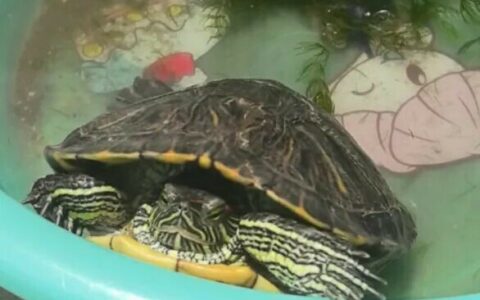
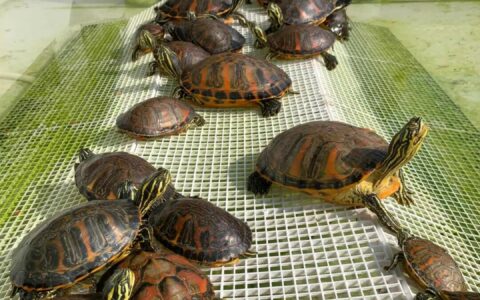
These are the “non-picky eaters” of the turtle world, consuming both plants and animals. Their strong adaptability has also made them the most common pet turtle species in China.
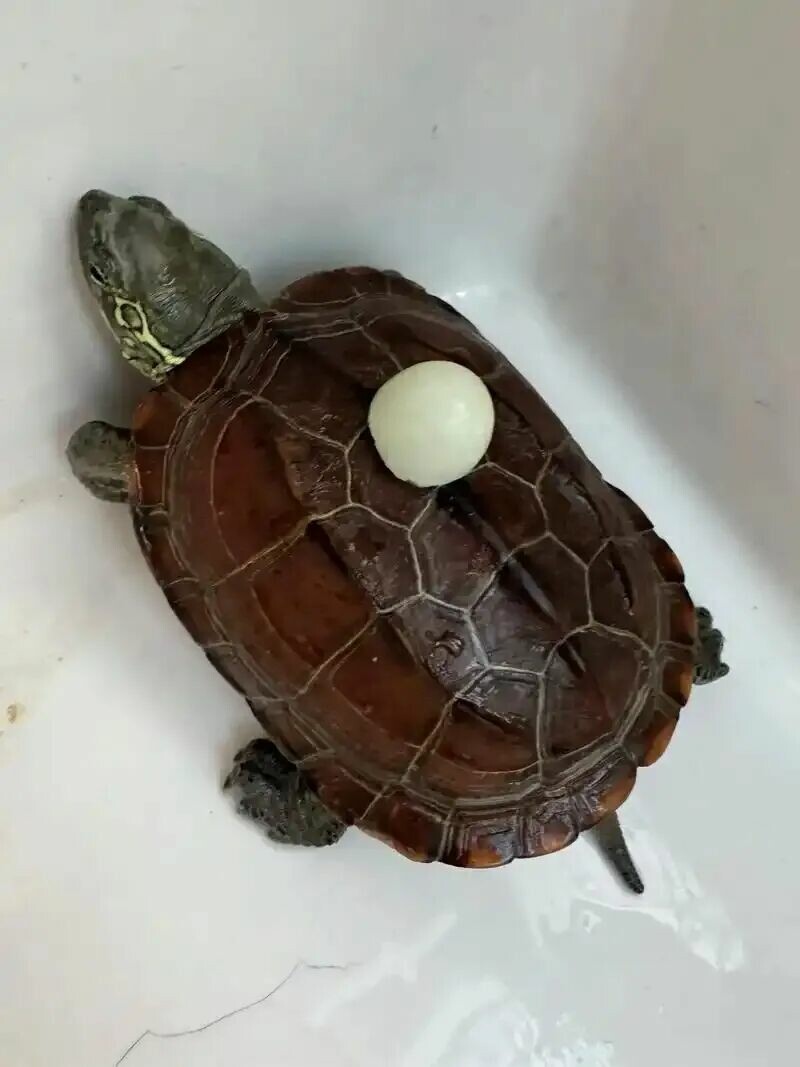
The Turtle’s Oral Structure and Bite Force
Although turtles lack true teeth, their upper and lower jaws are covered by a hard, sharp “keratinous beak” (a tough structure made of keratin, similar in function to a bird’s beak). This is no mere decoration—its sharp edges can effortlessly slice through vegetables and tear meat apart. Many pet owners have been taught this harsh lesson by their beloved turtles.
So, never carelessly stick your hand out to tease a turtle, especially when it’s hungry. They don’t recognize people, only potential food.
Turtle Predation Strategies
Turtles’unique predation skills can be divided into the “ambush-and-slurp technique”and the “direct-dining approach.”
- Carnivorous Turtles: Masters of Stealth + Suction Experts
They blend into their surroundings, waiting patiently for prey to approach. Then, they rapidly extend their necks, and by instantly opening their mouths to create negative pressure, they suck small fish and shrimp in with a “swoosh”—eating as if they are slurping noodles. - Herbivorous Turtles: The Calm and Steady Eater
Faced with stationary plants, they require no complex techniques. They simply approach calmly and take bite after bite. Their movements are slow but steady.

Original article by 搬运工, if reproduced, please cite the source: https://www.kaipet.com/en/turtles-eat-toothless-painful-bite-unveiling-3-diets-unique-hunting-skills




Comments(2)
That keratinous beak sounds incredibly strong! I’m curious, have any of you experienced a turtle bite? Share your insights!
@CriticX:Hi CriticX, thanks for your comment! You’re right, that keratinous beak is quite formidable, and their bites can indeed be painful. It’s an important reminder for all pet owners! We’d love to hear from others in our community who have experiences to share regarding turtle bites.