

As a common pet, turtles are loved by many for their unique appearance and slow movement speed. However, with a moment of carelessness, turtles can sometimes like to wander around the house. If you’re not careful, a turtle might accidentally get lost from home, which can make its owner feel anxious and helpless.

How do you find a turtle that ran away inside the house? You can use these methods to lure the turtle out!
Understanding Turtle Habits and Search Strategies
It’s necessary to understand the behavioral habits of turtles. Turtles usually like to hide in dark, damp places, which make them feel safe and comfortable. Therefore, when searching for a turtle, you should focus on the dark corners, damp areas, and potential hiding spots in your home.
Specific Methods for Finding a Turtle
Check dark corners: Turtles like to hide in dark places, so you can start by checking under sofas, at the bottom of wardrobes, in bathroom corners, and similar locations. These are often the preferred hiding spots for turtles.
Check under furniture and appliances: Turtles might crawl under furniture and appliances, such as under beds, tables, and refrigerators. These places are not only dark but also provide some cover, making the turtle feel secure.
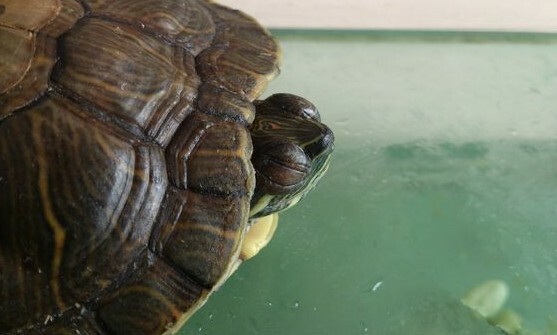
Use food to lure it out: Although a turtle’s sense of smell is not very keen, a turtle will show interest in familiar foods. You can place some of the turtle’s favorite foods, such as meat, vegetables, or shrimp, in conspicuous locations around the house. The turtle might come out following the scent.
Use sound to guide it: Turtles have some sensitivity to sound. You can walk around the house and gently tap on the floor or furniture. The turtle might be attracted by the sound and come out.
Check near water sources: Turtles prefer damp environments, so you can check near water sources in your home, such as sinks, toilets, and fish tanks. The turtle might be looking for water in these areas.
Measures to Prevent Your Turtle from Getting Lost Again
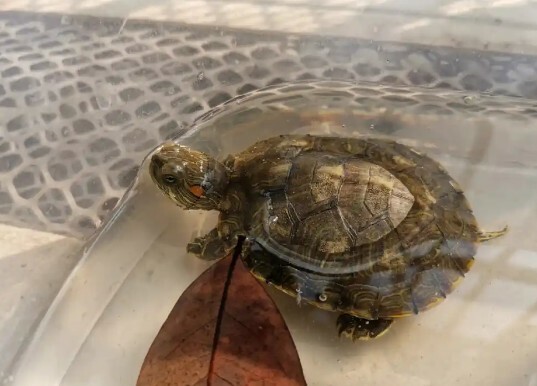
Ensure the safety of the living environment: When keeping a turtle, you should ensure the safety of the turtle’s living environment. You can add a lid to the enclosure to prevent the turtle from escaping. At the same time, ensure proper ventilation to prevent the turtle from suffocating.
Regularly check the living environment: Periodically inspect the turtle’s habitat to ensure the turtle’s living environment is clean and hygienic. Also, make sure the enclosure is stable to prevent the turtle from easily escaping.
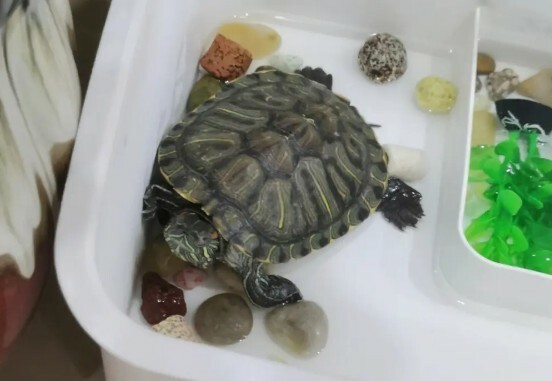
Provide suitable living conditions: Turtles prefer dark, damp environments, so during their care, you should try to simulate their natural habitat. You can appropriately increase the humidity of the enclosure and provide some hiding spots to make the turtle feel safe and comfortable.
Strengthen interaction with your turtle: Although turtles are not as active as cats or dogs, appropriate interaction can also strengthen the turtle’s sense of dependence on its owner. You can feed and stroke your turtle regularly to increase contact opportunities.
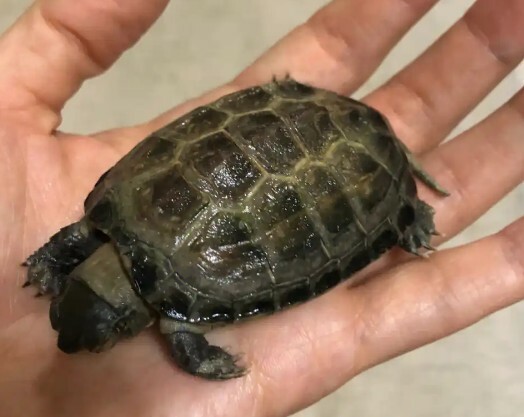
A lost turtle is an anxious affair, but as long as you use the right methods, you can usually find it successfully. By understanding a turtle’s behavioral habits and employing effective search methods, we can greatly increase the success rate of finding it. At the same time, to prevent similar situations from happening again, we also need to take preventive measures to ensure the turtle’s living environment is safe and comfortable.
Original article by 搬运工, if reproduced, please cite the source: https://www.kaipet.com/en/find-turtle-ran-5-highly-effective-search-methods-lost-pet-turtle







Comments(2)
This is so helpful! I’m curious if different turtle species have unique hiding spots or food preferences for luring them out?
@CriticX:Thank you for your kind words! That’s a great question. While our article provides general effective methods, specific preferences for hiding spots and food can indeed vary slightly by turtle species. Observing your own pet’s unique habits is always key!