

A friend asked me why his cat has recently been repeatedly urinating on his bed, not just once but multiple times. Today, I would like to share with you six different scenarios along with their solutions. The final step is critical to prevent your cat from continuing to urinate on your bed.
Cat Urination Due to the Estrus Period
This male cat, which you have been keeping, is 7–8 months old and has not been neutered. During the estrus period, an unneutered male cat may urinate on the bed and in various corners of the house, as a behavior to mark its territory during the estrus period. The best solution in this situation is, of course, to take it for “get neutered”.
Litter Box Issues Leading to Cat Avoidance
Litter Box Too Dirty
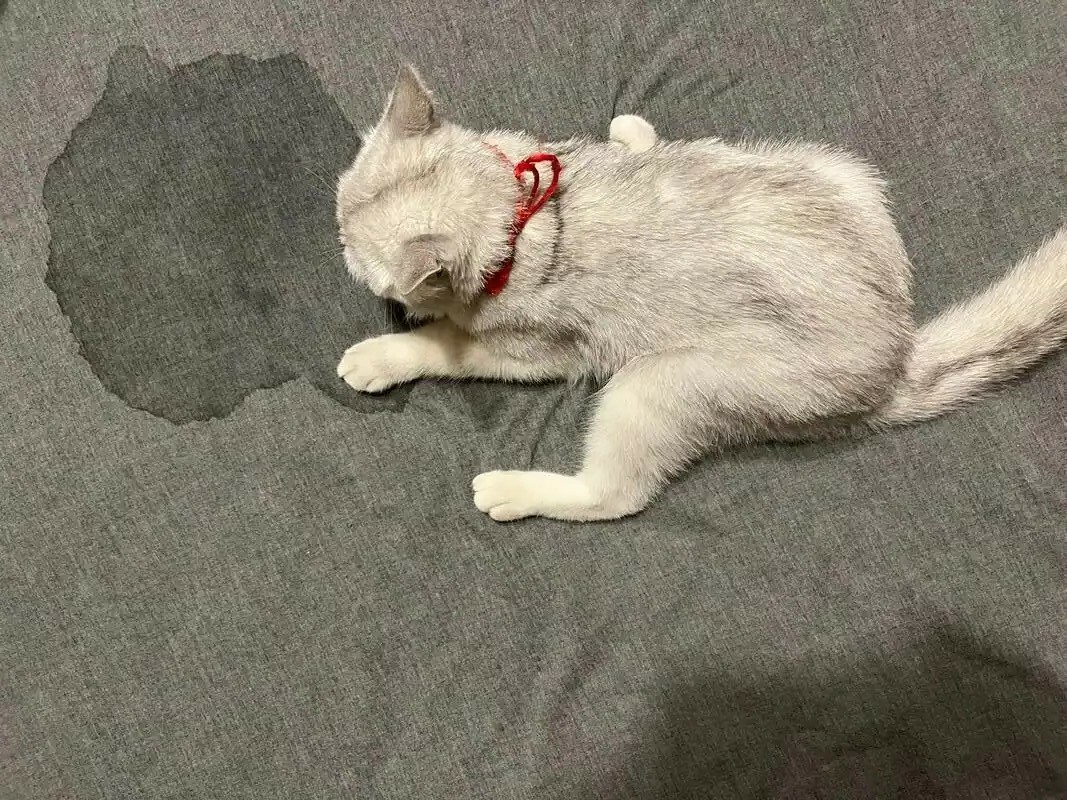
Cats are extremely clean animals. If the litter box is particularly dirty, the cat will prefer to eliminate outside of it. It is recommended that cat owners clean the litter box at least once daily.
Litter Box Too Small or Insufficient in Number
Different cats require separate litter boxes; otherwise, some cats may choose to eliminate elsewhere if they dislike sharing a litter box.
Excessive Stress Resulting in Retaliatory Urination
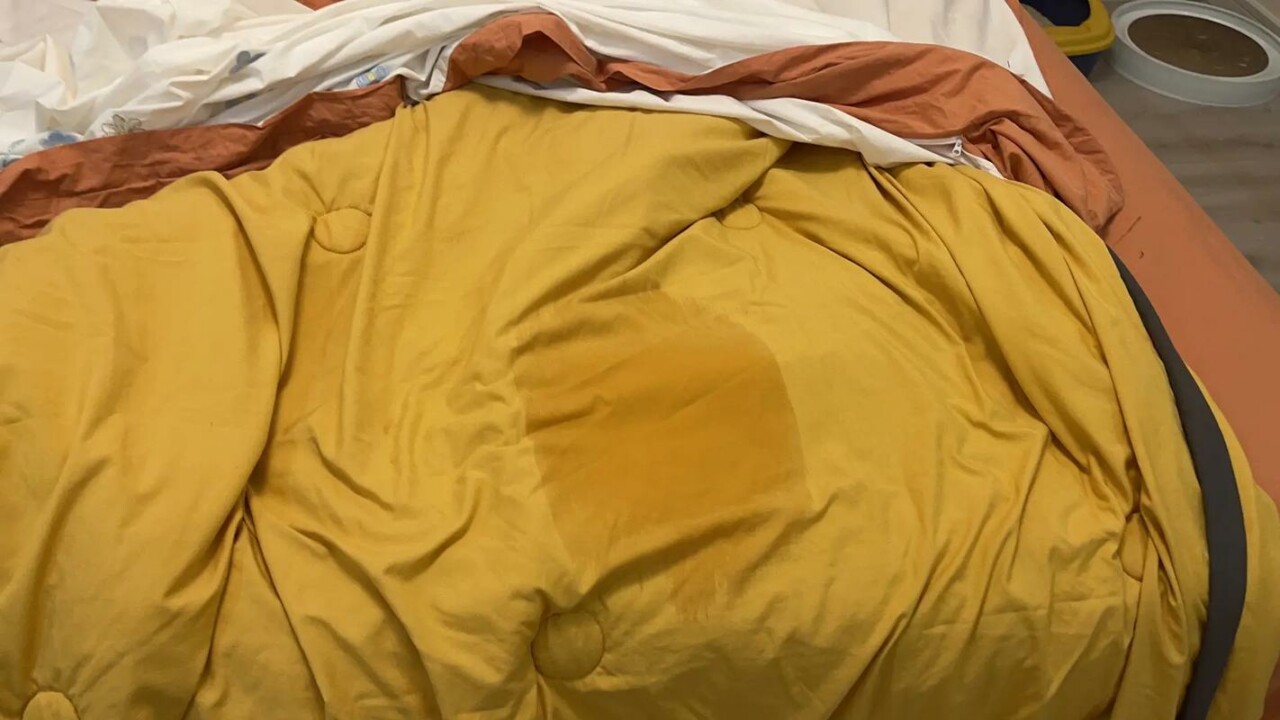
When a cat is under excessive stress, it may exhibit retaliatory urination. For example, if you trim its nails or bathe/brush it, these activities may cause significant stress, and the cat may perceive you as the source of this stress. Consequently, it might urinate as an act of retaliation on areas with strong body odor, such as your clothes or bed.
Recommended Approach:
Avoid reacting harshly toward the cat; instead, gradually acclimate it to the processes of nail trimming and bathing.
Marking Behavior When the Cat Misses Its Owner
If you do not spend enough time playing with your cat over a long period, it might urinate on your bed to mark you as its own. For instance, if it has not seen you for a while and feels lonely while playing on your bed, it may take the opportunity to leave its mark.
Solution:
Spend more quality time with your cat, as it sees you as the center of its world.
Inability to Control Urination Due to Illness
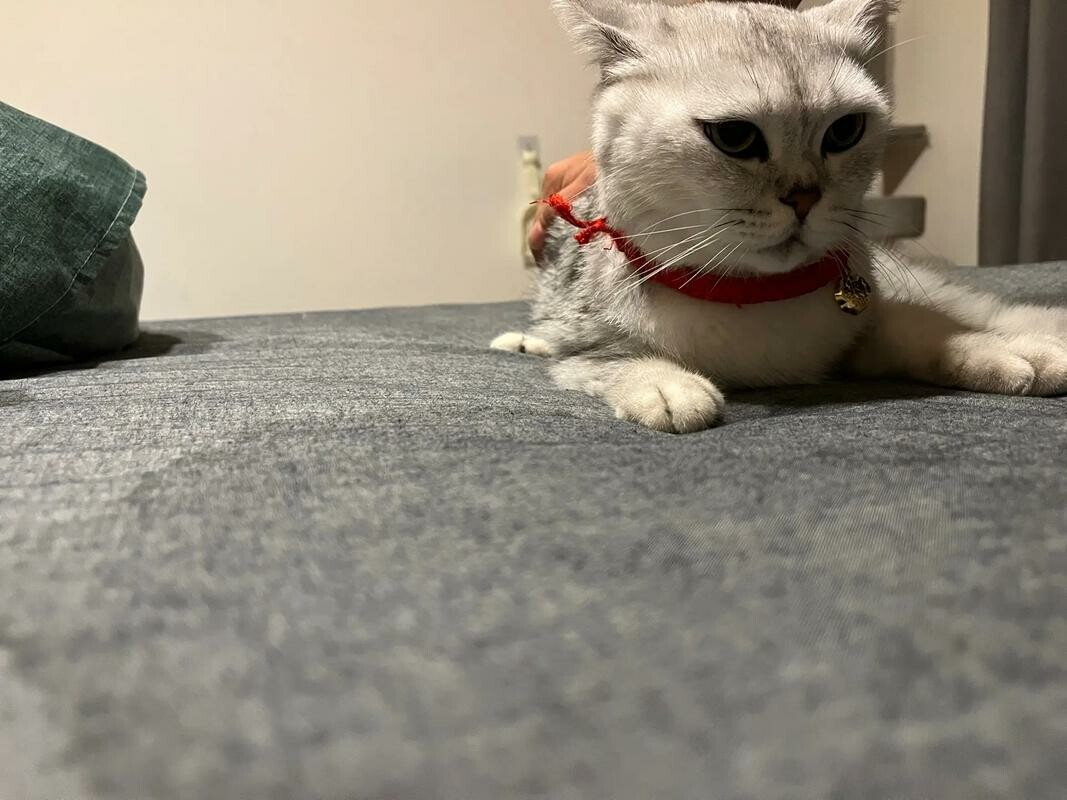
When a cat is unwell, it might urinate outside the litter box. At this time, you should observe whether it exhibits other abnormal symptoms, such as:
| Possible Symptom | What to Watch For |
|---|---|
| Lethargy | Becoming unusually drowsy or overly quiet |
| Loss of Appetite | Refusing to eat or showing a noticeable decrease in food intake |
| Diarrhea / Constipation | Abnormal bowel movements indicating gastrointestinal issues |
| Fever | Abnormal body temperature that might suggest an infection |
If your cat shows any of the above symptoms, it is advisable to take it to a veterinary hospital as soon as possible.
Repeated Urination Due to Residual Urine Odor
The Persistent Odor of Cat Urine
Cat urine contains uric acid; even if you wash the bed sheet with regular laundry detergent and cannot detect the odor yourself, the cat may still be able to smell it. This lingering scent can prompt it to continue urinating in the same spot.
How to Completely Eliminate Cat Urine Odor?
- Use an enzymatic cleaner to thoroughly break down the uric acid in the cat urine.
- After washing the bed sheet, air it out under the sun; sunlight is effective in removing any residual odor.
Following this cleaning method is the only way to truly prevent your cat from repeatedly urinating on your bed.
Original article by KPTer, if reproduced, please cite the source: https://www.kaipet.com/en/cat-urinating-bed-analysis-6-major-reasons-final-step-crucial





Comments(2)
Fantastic article! Appreciate the emphasis on eliminating odor. Any specific enzymatic cleaners you’d recommend for stubborn spots?
@CriticX:Thank you for your kind feedback! We’re happy the odor elimination section was useful. While we don’t endorse specific brands, when selecting an enzymatic cleaner, prioritize those formulated for pet urine with active enzymes. You’ll find many effective options at pet stores or online. Always follow product directions for best results.