

“I believe many turtle hobbyists have had this experience: you excitedly bring home a Chinese grass turtle, touted as ‘hardy and tough’ and ‘a blessing for beginners.’ The seller beats their chest and promises, ‘Don’t worry, this Chinese grass turtle can survive even with casual care!’But before long, you have a new ‘souvenir’on your desk—a turtle shell. One, then two…… and without realizing it, you’ve become a ‘professional shell collector’.”
Shattering the Myth of ‘Casual Care’
“The phrase ‘it can survive with casual care’ is, in itself, the greatest disrespect to life. It simplifies a living being into a mere decoration or toy. In fact, regardless of their price, all turtles are life forms that have evolved over tens of millions of years, each with its own survival needs and vulnerabilities. A true turtle keeper’s journey begins with love and ends with responsibility. What we enjoy is not the convenience of being ‘casual,’ but the sense of accomplishment from witnessing a life thrive through meticulous care.”

The ‘Invisible Killers’ of Grass Turtles
The ‘easy to raise’ claim from sellers often conceals the real survival needs of grass turtles. The Chinese grass turtle you are raising might be silently enduring the following ‘tortures’:
‘The Temperature-Difference Assassin’: Difficult to Guard Against
Grass turtles are indeed resistant to low temperatures, but what they fear most is sudden temperature change. Especially when changing water, if you move a turtle directly from 28°C warm water into 25°C tap water, this 3-degree temperature difference is enough to make it ‘catch a cold,’ which can then develop into pneumonia.
Correct Method: When changing water, ensure the temperature difference between the new water and the old tank water does not exceed 1-2°C. You can use a thermometer for precise measurement, or let the new water sit next to the turtle tank for a while until the temperatures equalize before changing.
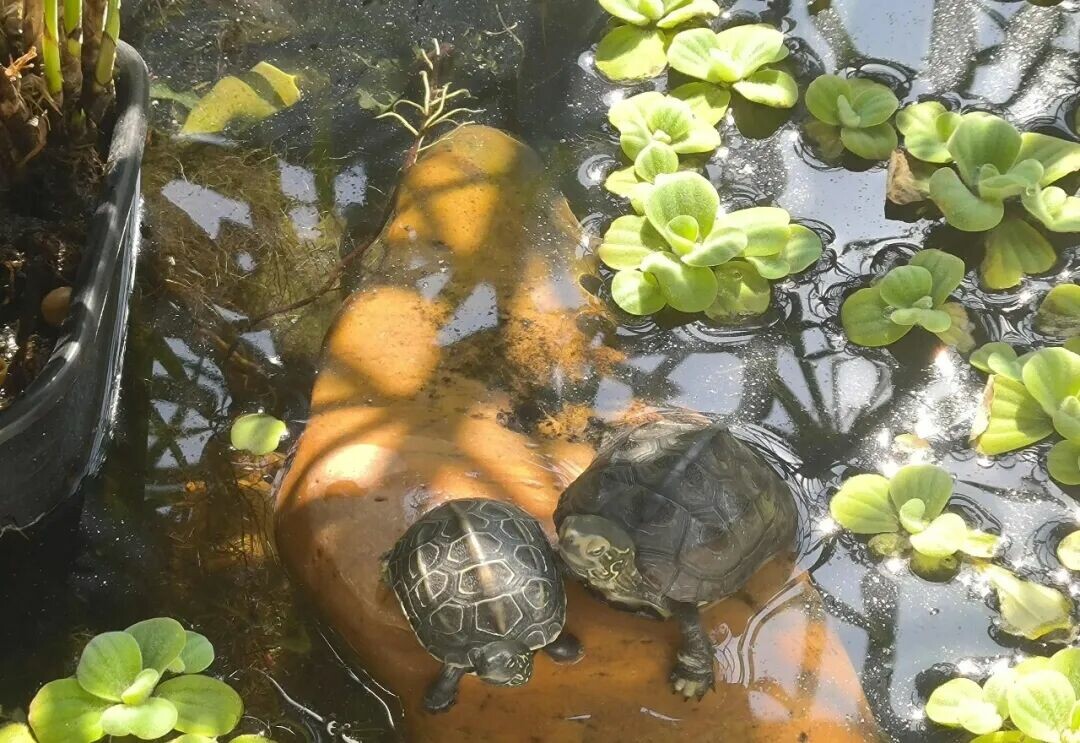
Water Quality: A ‘Slow-Acting Poison’
If you use tap water directly, you need to observe and see if your local water quality is suitable.
Correct Method: Let the tap water air out for 2-3 days, or use a water conditioner like YuLeBao (an aquarium product brand) to neutralize it. This simple step can prevent a majority of diseases.
Misconceptions about Environment and Feeding
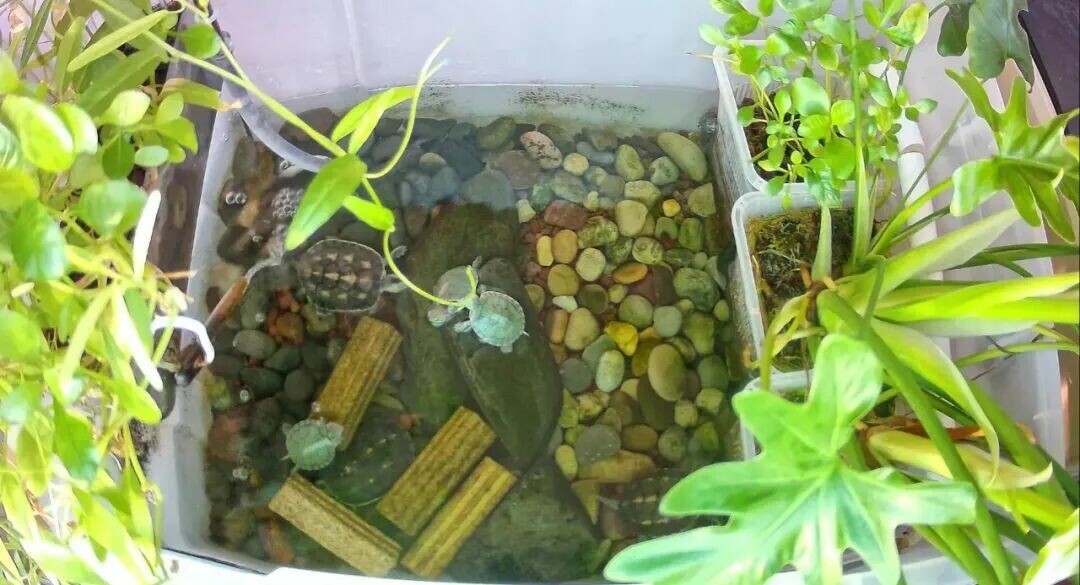
Environment: A setup with a basking platform is needed, allowing the turtle to completely leave the water to bask.
Feeding: Do not overfeed, as it can lead to indigestion and worsening water quality. The recommended feeding amount is about the size of the turtle’s head. Feed juvenile turtles once a day, while adult turtles can be fed every other day.
From ‘Shell Collecting’ to Successful Keeping: Being a Qualified ‘Turtle Parent’
Saying goodbye to the fate of a ‘shell collector’ isn’t actually difficult: Mindset Shift: Change from ‘I’m raising a little thing’ to ‘I am responsible for a life.’ Equipment Upgrade: A suitable turtle tank, a basking platform, a filtration system (not essential but highly recommended), an aquarium heater (a must for spring and autumn), and a UVB/UVA lamp. Be Observant: Spend a few minutes every day checking on your Chinese grass turtle. Is its spirit good? How is its appetite? Are there any abnormalities on its skin or shell? Early detection leads to early treatment.
“Turtle keeping is about cultivating a leisurely and refined interest, but even more so, a heavy responsibility. The life, death, health, and well-being of that little creature clumsily paddling in the tank rests entirely in your hands. Let’s tear off the ‘casual care’ label and use science and patience to care for these Chinese grass turtles. When we see our Chinese grass turtles stretching their limbs contentedly under the sun, healthily accompanying us for 5 years, 10 years, or even longer, you will understand that all the effort is worthwhile. Respecting every life is the true way of turtle keeping.”
Original article by 搬运工, if reproduced, please cite the source: https://www.kaipet.com/en/grass-turtles-raised-casually-avoid-3-fatal-mistakes-stop-professional-shell-collector




Comments(2)
我以前也养死过几只,看来温度和水质真是关键!
@CriticX:非常感谢您的分享!您提到“温度和水质是关键”,这与文章中强调的“温度-差异杀手”和“水质:慢效毒药”的观点不谋而合。科学养护才能让它们健康成长!