

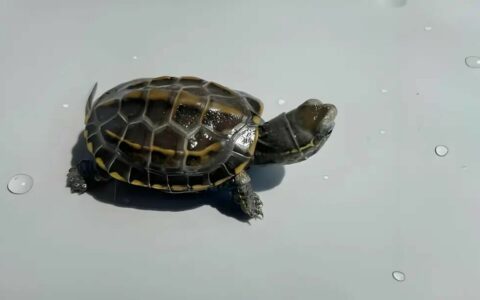
Autumn has arrived, and with it, large day-night temperature differences, making this a “critical” period for turtle keeping. Whether you can do a good job during this time is rather “crucial” for seeing your turtle active again next year. Following these 7 points can help your “beloved turtle” accumulate energy and get through the winter safely.

“Autumn Fattening” in Early Autumn
Before the water temperature drops to 15°C (59°F) (in early and mid-autumn), you should increase the feeding of high-protein foods (like fish, shrimp, and loaches) to help it accumulate enough fat and store energy for hibernation. This is what people consider an ‘autumn fattening’ measure. However, when it comes to turtles, I personally have always been against autumn fattening. In autumn, feeding should be based on the temperature. The real time for fattening up is in the summer, not the autumn with its variable temperatures.
So, do not blindly follow the practice of autumn fattening.
“Gut Clearing” in Late Autumn
When the temperature consistently stays below 15°C (59°F), stop feeding and let the turtle empty its stomach and intestines in the water. Hibernation consumes fat, and clearing the intestinal tract can reduce its body’s burden.
Move Weak Hatchlings Indoors
For weak or frail hatchlings, it is recommended to move them indoors for keeping, to reduce the risks posed by significant day-night temperature differences.
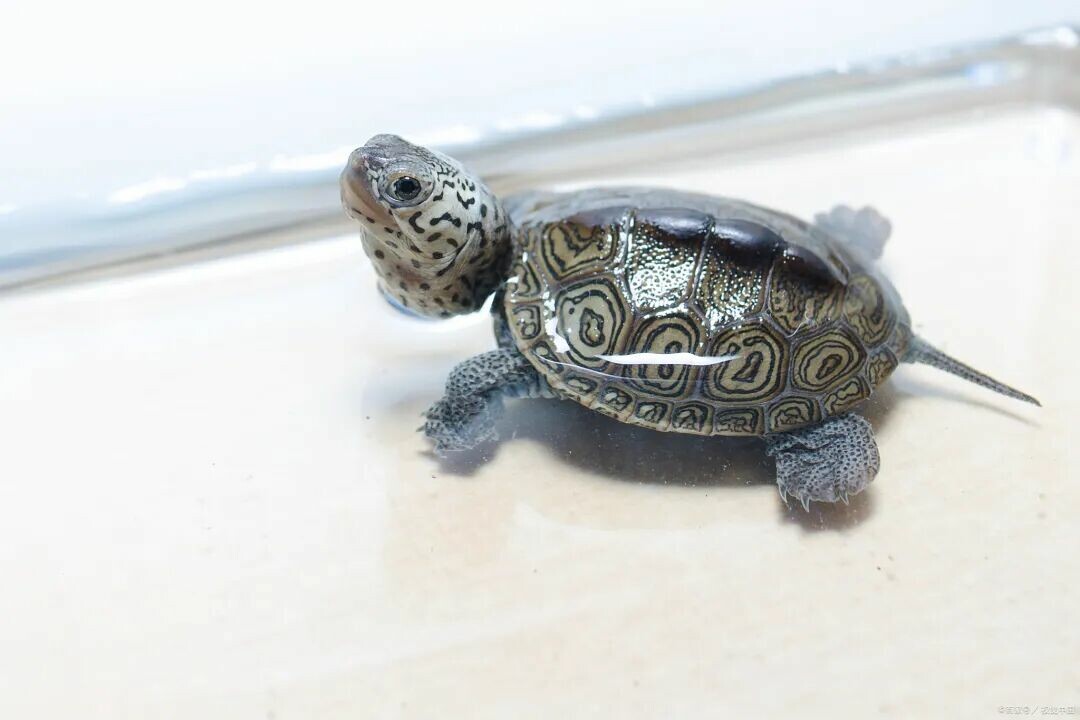
The Decision on Basking Platforms
The autumn wind can easily cause a large temperature difference between the basking platform and the water, leading to turtles catching a cold. In windy areas, the safest approach is to temporarily remove the basking platform. If the keeping environment is relatively stable, I personally feel the basking platform can be left in place, as the midday sun is perfect for basking.
Therefore, there is no single fixed method for turtle keeping; everything must be adjusted and decided based on one’s individual situation.
Be Cautious When Buying New Turtles
In autumn, the temperature difference between the north and south of China is large, making it risky to buy live turtles online. You might also end up buying weak turtles that have been culled. A new turtle will face the challenge of hibernation soon after arriving home, leading to high keeping costs.
Avoid Temperature Differences When Changing Water
Never use tap water directly for a water change. Be sure to use “conditioned water” that has been aired out beforehand (this refers to tap water that has been left out or treated to remove chlorine and stabilize its quality), and ensure the new and old water temperatures are the same to prevent the turtle from catching a cold due to temperature differences.
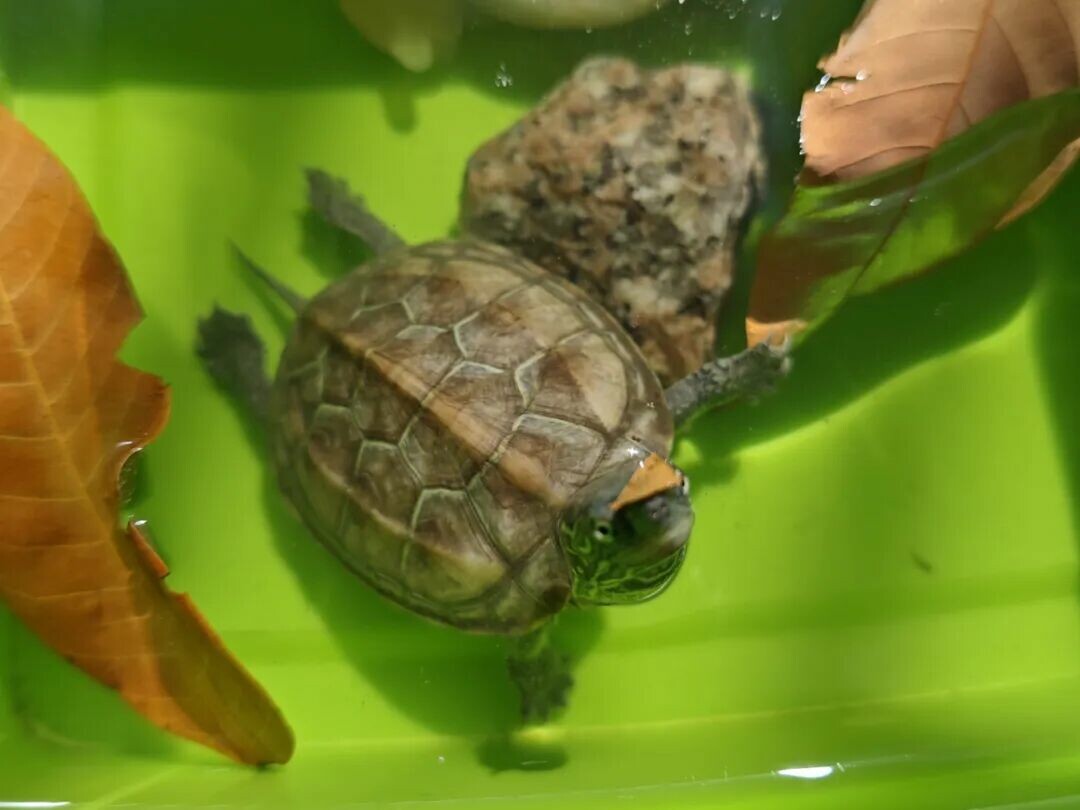
Appropriately Raise the Water Level
Raise the water level slightly to ensure it completely submerges the turtle’s carapace. This not only prevents the turtle’s back from getting chilled by the wind but also helps keep the water temperature more stable, thus reducing temperature fluctuations.
I hope these concise tips are helpful to you.
Original article by 搬运工, if reproduced, please cite the source: https://www.kaipet.com/en/guide-avoiding-pitfalls-autumn-turtle-care-7-tips-beloved-turtle-winter-healthy-sickness-free





Comments(2)
Great guide! On autumn fattening, I’m curious: what specific temperatures should guide feeding decisions during this period?
@CriticX:您好!感谢您的肯定。文章强调当水温持续低于15°C时应停止喂食。在此之上,喂食需随温度调整。作者不建议秋季催肥,更推崇夏季储备能量。希望能帮到您!