

How crazy are the people who treat turtle keeping as a business? Their methods are only limited by your imagination. Today, let’s take stock of just how crazy the turtle-keeping businesses of online experts can be.
The Diversification of Turtle Farming Methods
High-Density Farming: Winning Through Quantity
In high-density turtle farming, the key to success is winning through quantity. The turtles are usually common species, such as Chinese pond turtles, red-eared sliders, and Chinese stripe-necked turtles. This high-density method was particularly popular a few years ago. Although the turtles being raised weren’t valuable, the quantity was massive. They were primarily raised for consumption, and the density was staggeringly high.
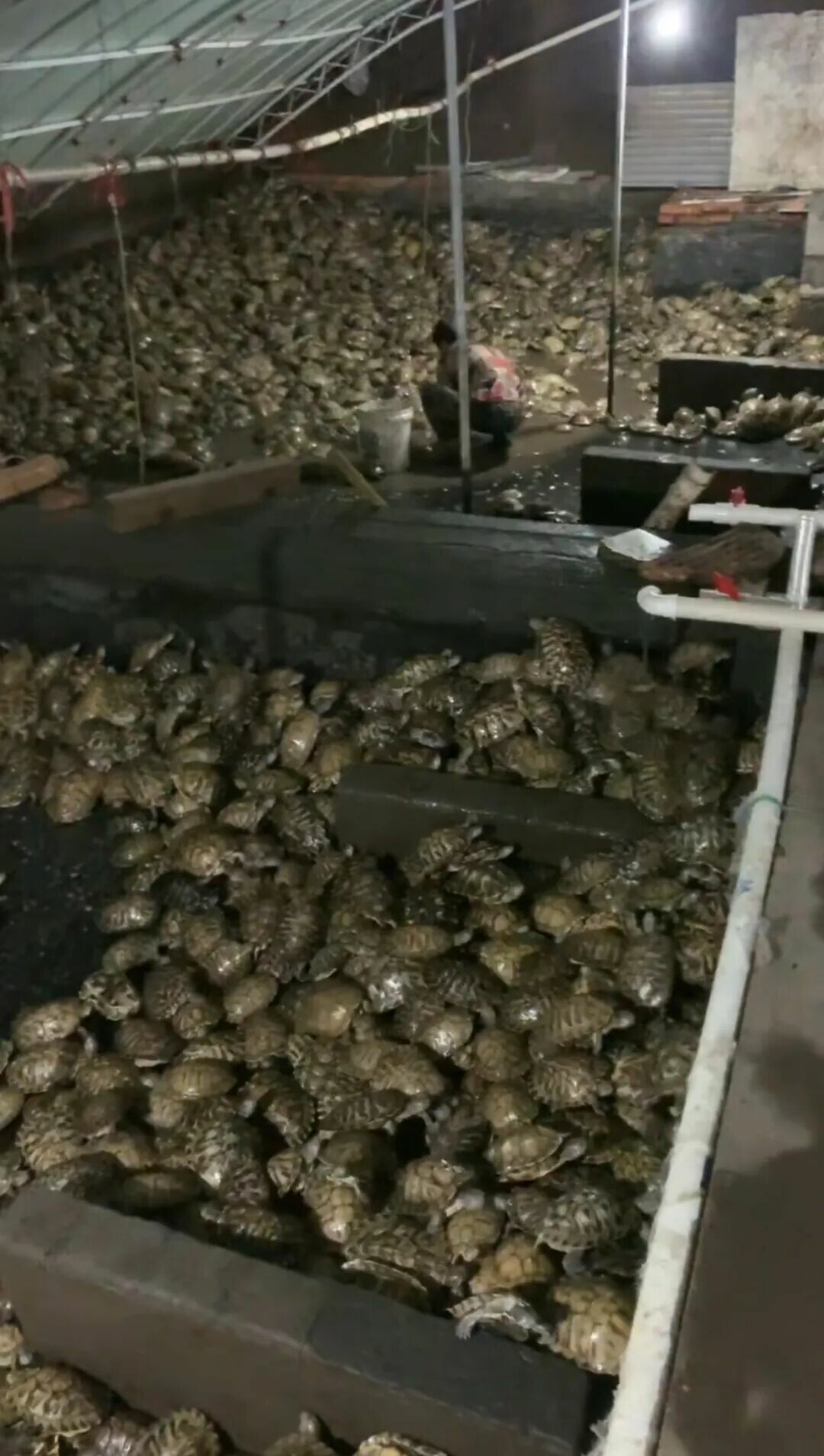
This high-density approach also has its risks. For example, if one turtle gets sick, the entire pond could be a total loss. Initially, upon seeing similar videos with turtles stacked one on top of another, I thought they were just temporarily gathered together. Little did I know, the entire farm was like this, with turtles packed together. The popular saying at that time was, the higher the density, the faster they grow.

Although I don’t know the logic behind it, seeing the lively and energetic turtles, I couldn’t help but admire this method of turtle farming.
Outdoor Pond Farming: More Focus on Healthy Growth
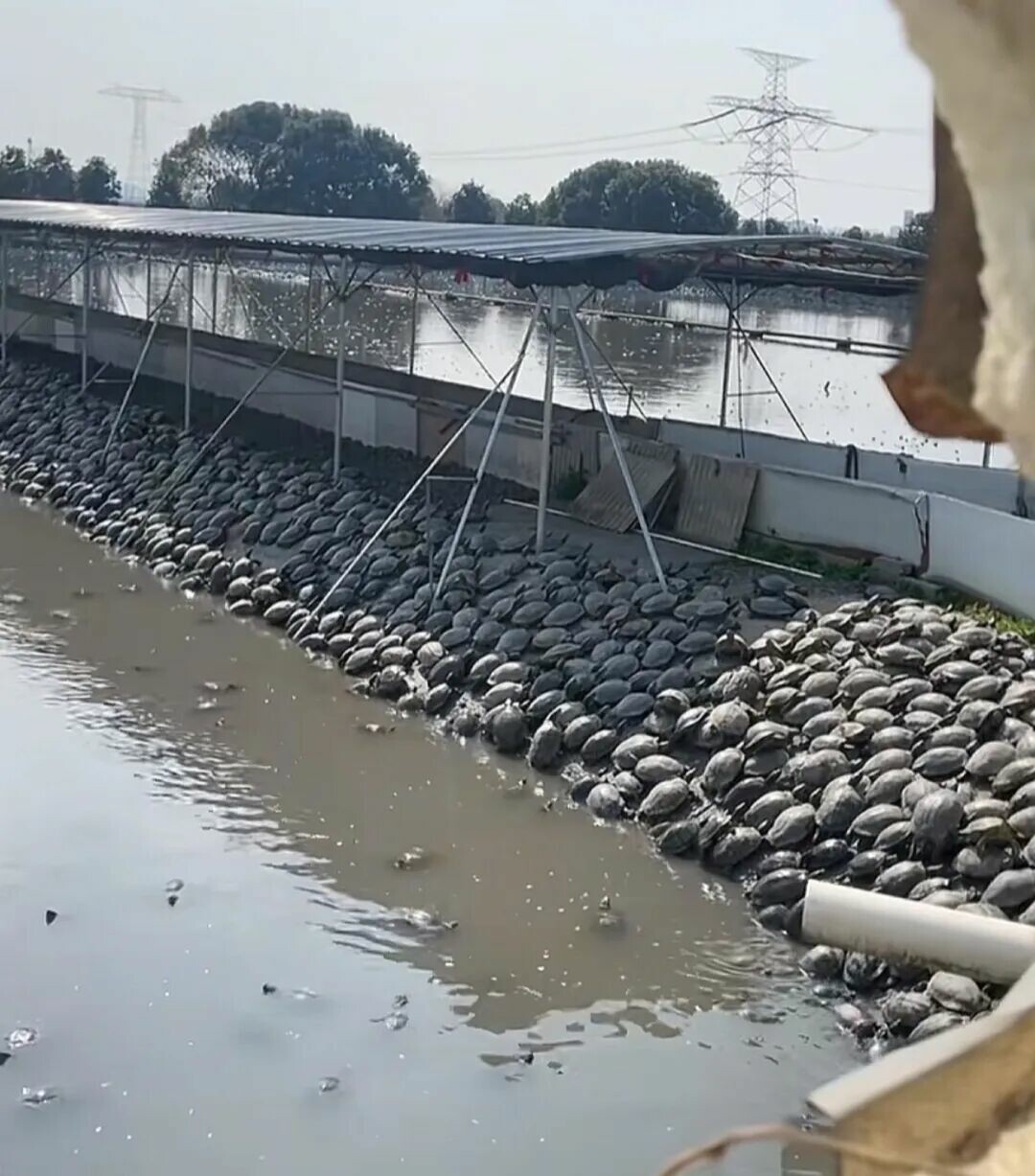
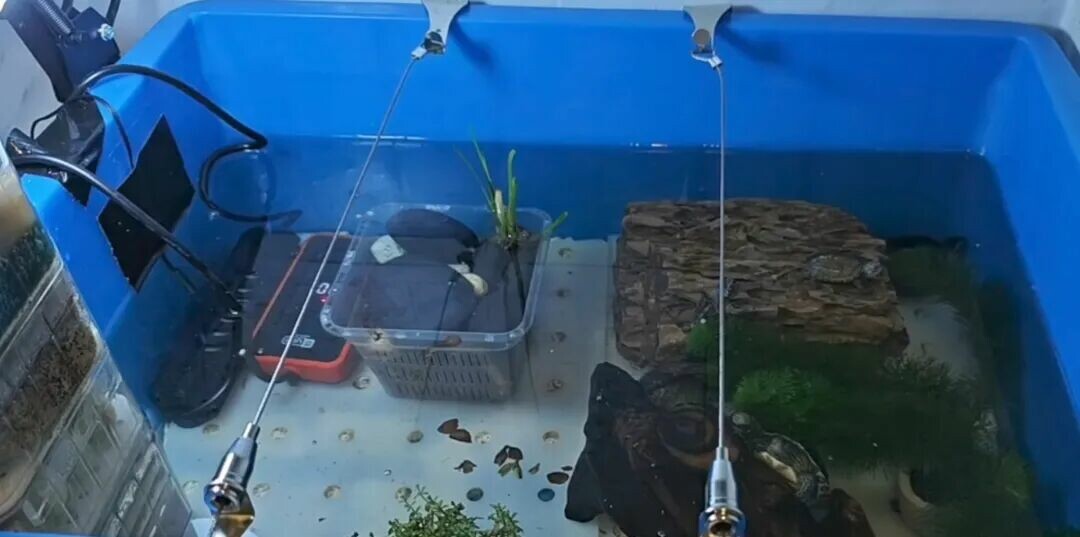
High-density farming is conducted in indoor sheds. Outdoor pond farming is done outdoors. The ponds are very large and divided into several big pools. There are water areas as well as large basking areas. This method seems to place more importance on the healthy growth of the turtles. After all, when raised outdoors with lower density, they can also bask in the sun. Turtles raised in these large ponds can grow more robust and larger.
Balcony Farming: One Turtle Per Box, a Pursuit of Quality
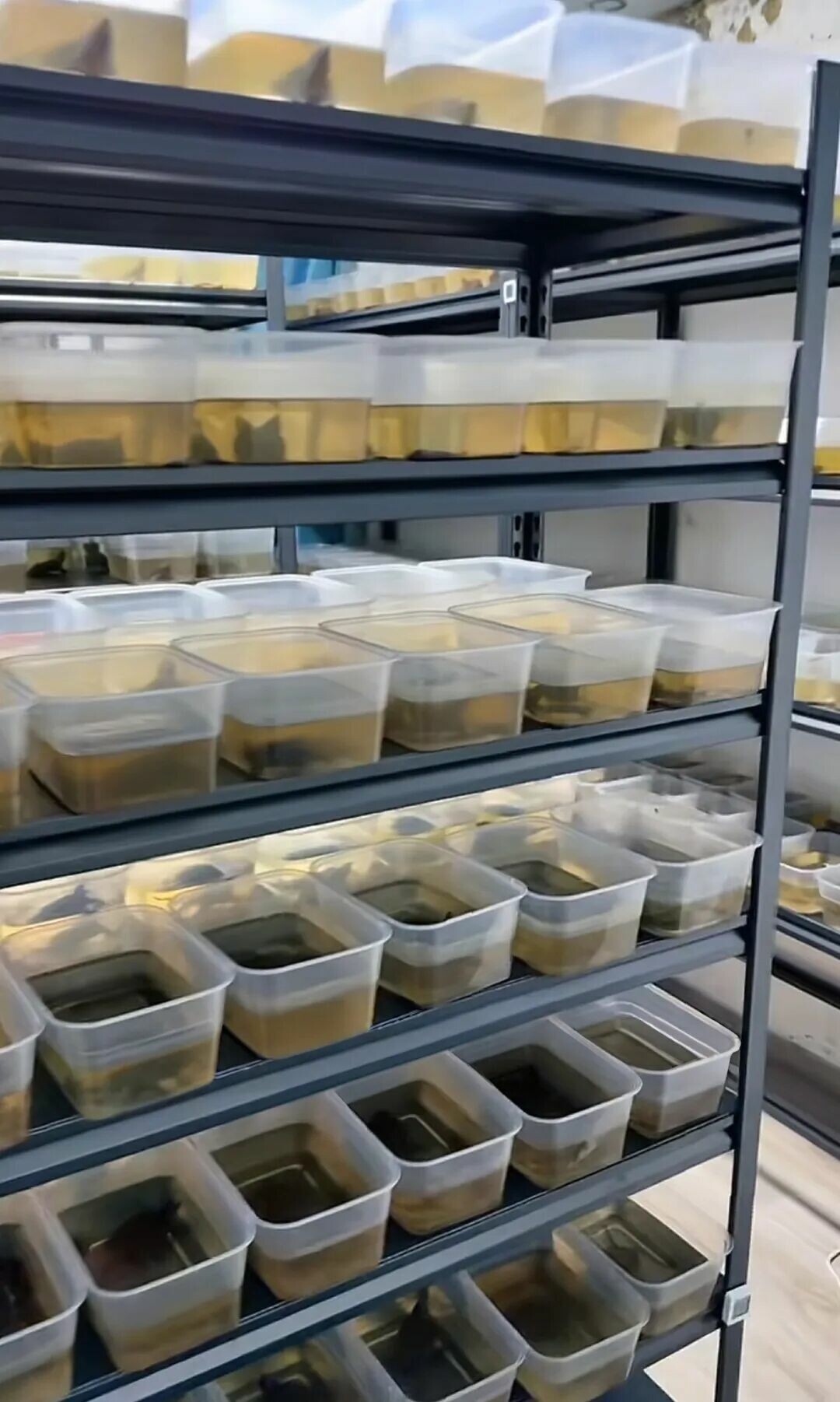
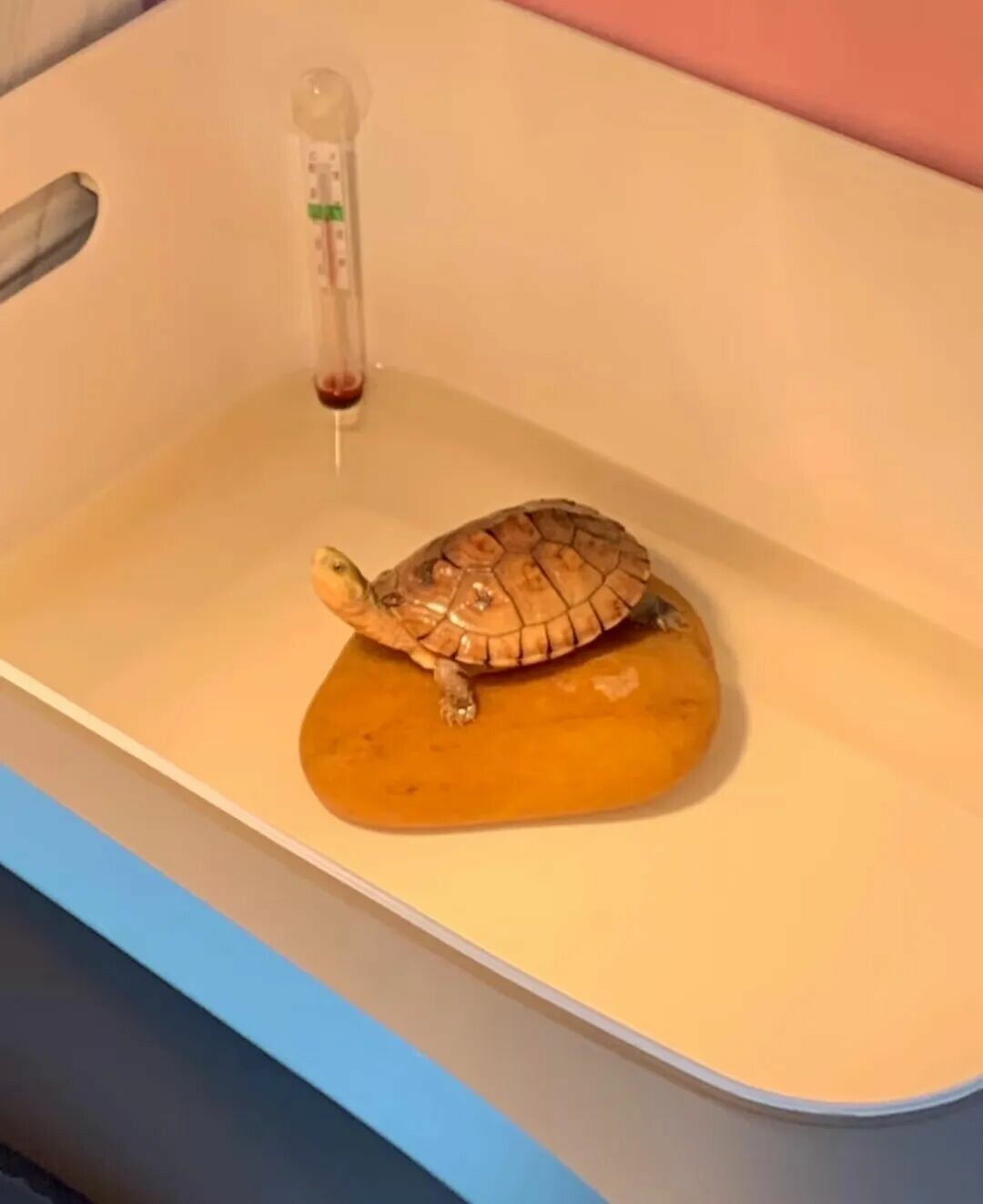
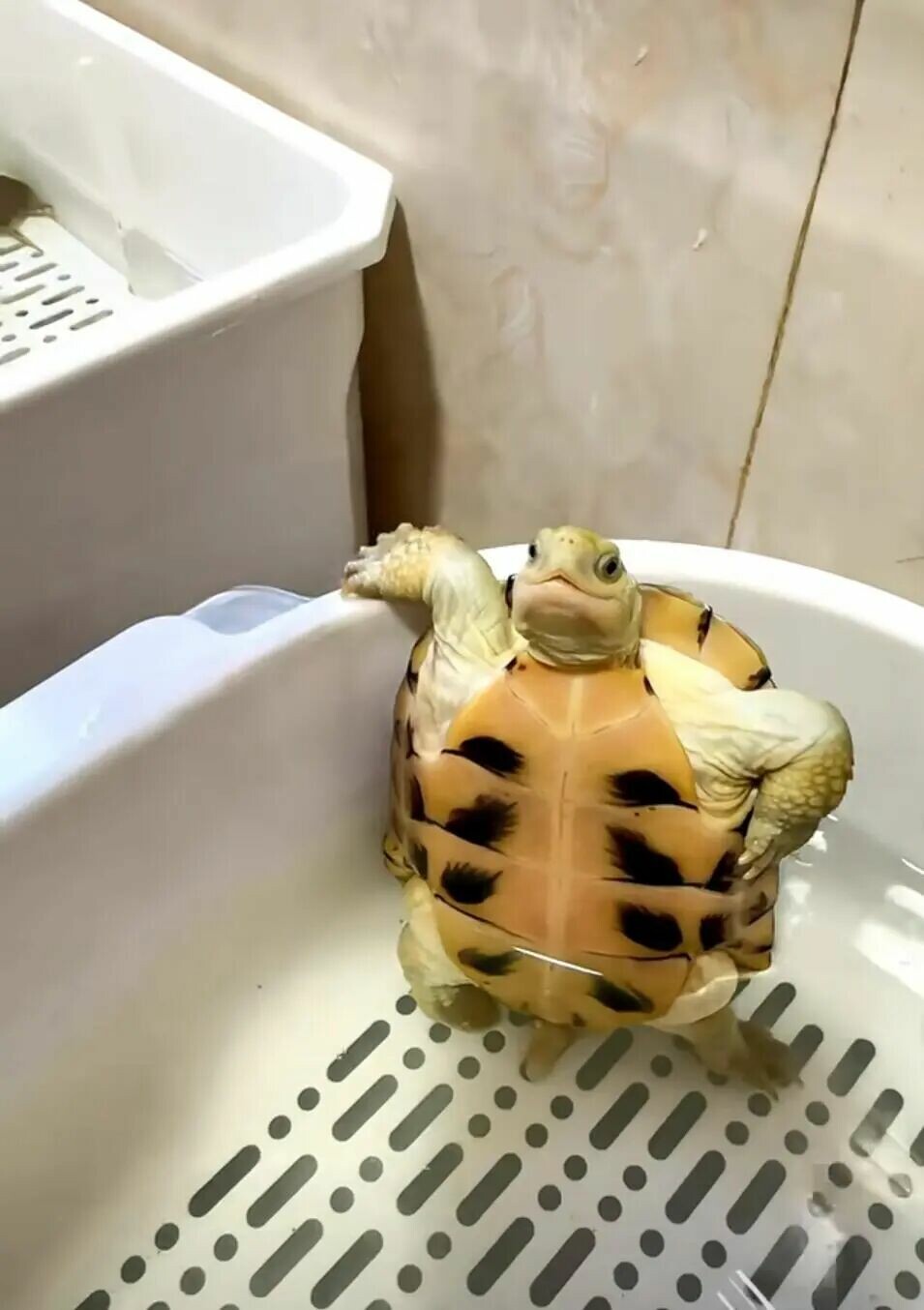
The one-turtle-per-box method is more suitable for ordinary turtle enthusiasts, as the investment doesn’t seem to be too high. It’s mostly used for raising hatchlings and mud and musk turtles. The turtles raised this way are generally more prized; they usually aren’t common species like red-eared sliders or Chinese pond turtles. More often, they are the popular mud and musk turtle series from recent years, such as the Common musk turtle, Loggerhead musk turtle, Helmeted turtle, Razor-backed musk turtle, Red-cheeked mud turtle, Yellow mud turtle, and Narrow-bridged musk turtle, which are more marketable. These turtles are small in size and are raised from hatchlings for a period before being resold. The benefit of the one-turtle-per-box method is that it prevents mass deaths and avoids issues like tail-nipping, placing more emphasis on the physical quality of the turtles.
Breaking Seasonal Limitations: Temperature-Controlled Farming
Establishing a Temperature-Controlled Room
When you treat turtle keeping as a business, waiting is what you fear most. Especially the wait during winter when turtles hibernate.

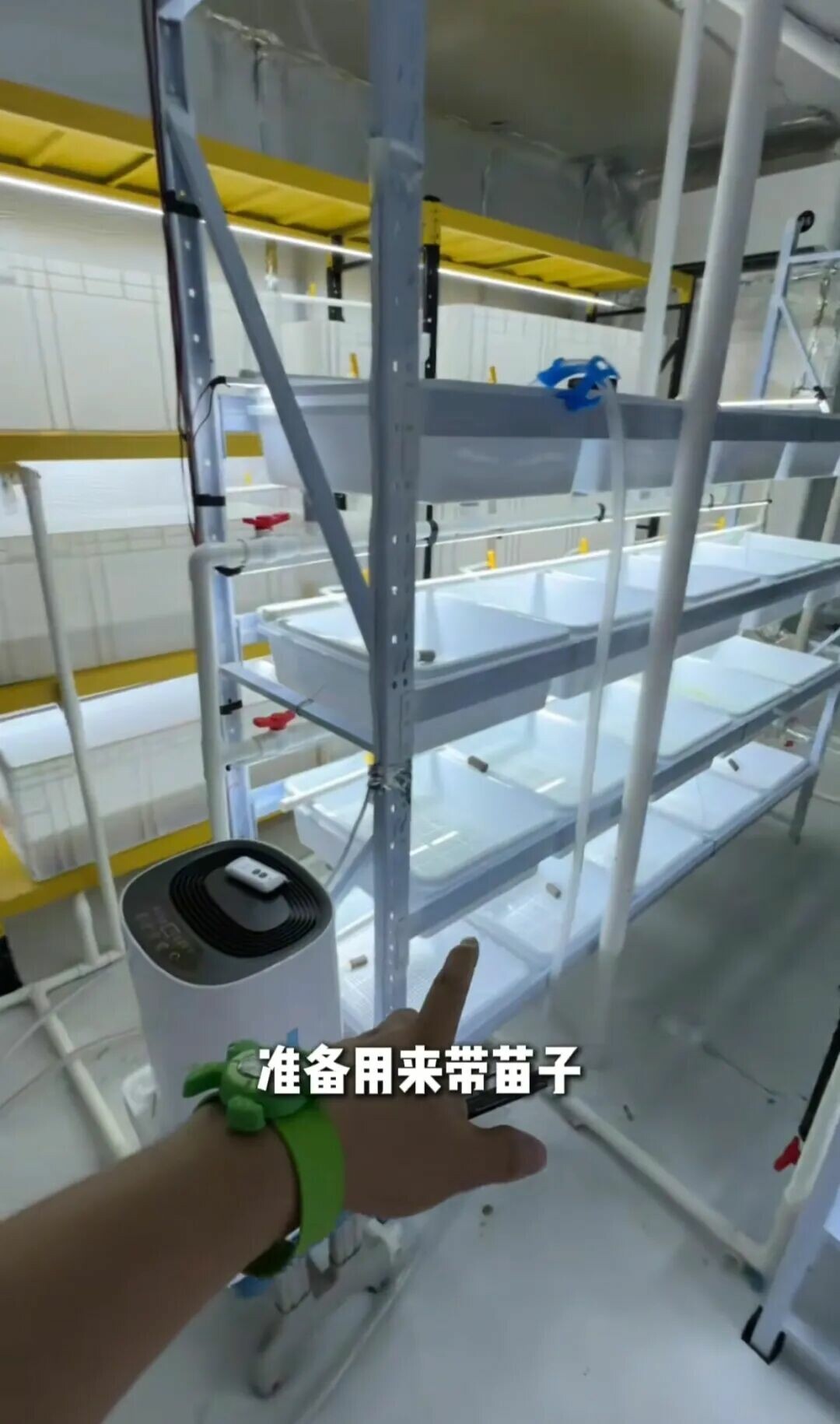
A temperature-controlled room is fully equipped with ventilation, temperature control, humidity control, and lighting. This way, even in winter, the turtles can still “carry on eating and drinking as usual.” They can grow to be several times larger than turtles that hibernate normally, and can also fetch a good price.
Large-Scale Indoor Turtle Farms: Expanding Scale and Breeding
When treating turtle keeping as a business, a simple temperature-controlled room can no longer meet the growing demand. Establishing a large-scale indoor turtle farm expands the operation and allows for an increase in the variety of species raised.
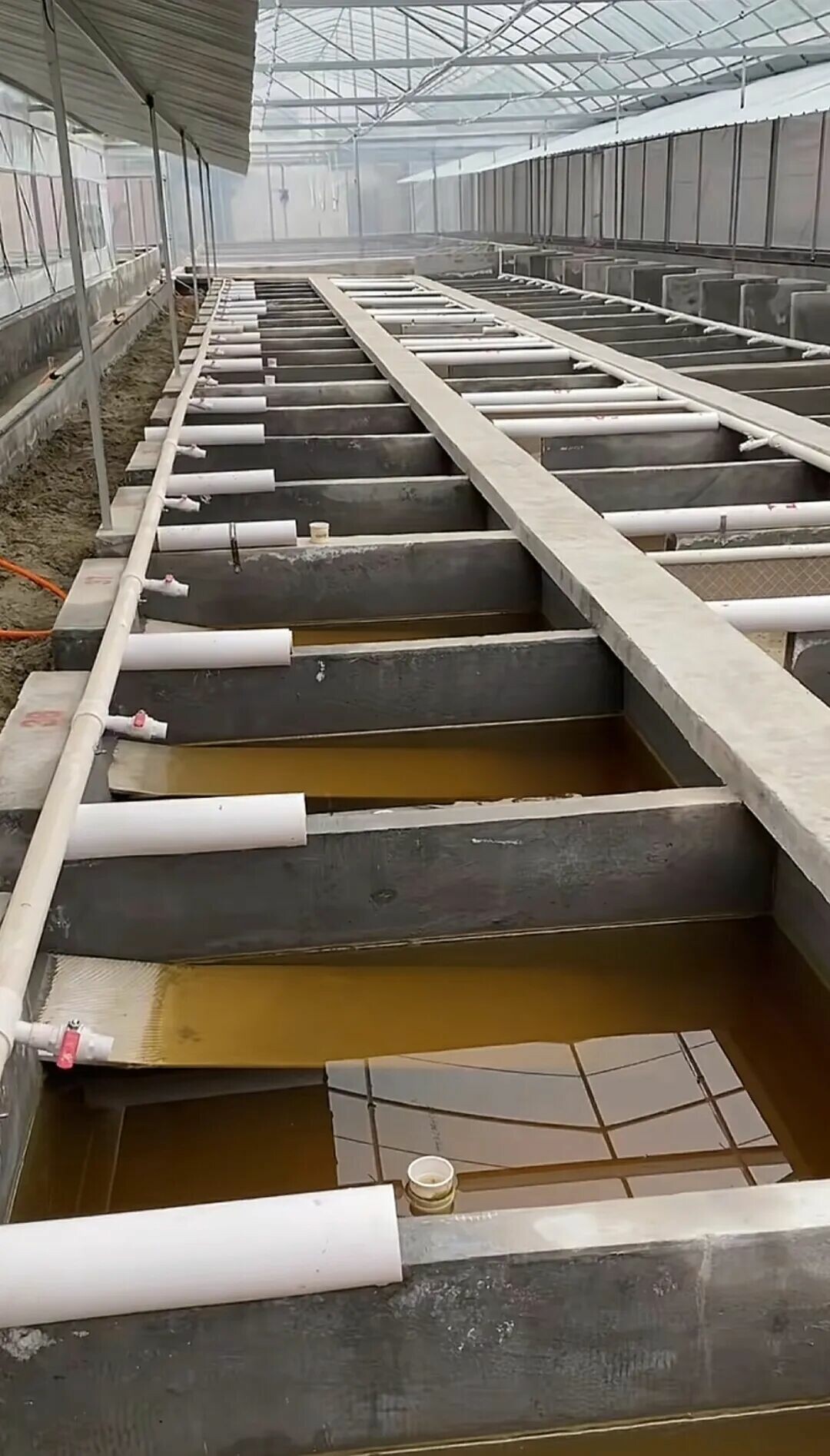
At the same time, in the large indoor pools, several species of breeder turtles can be kept together to form breeding groups. Turtles lay eggs, and eggs hatch into turtles. This is how the turtle-keeping business can thrive.
Conclusion
Treating turtle keeping as a business is not “child’s play”; in fact, every single step is crucial.
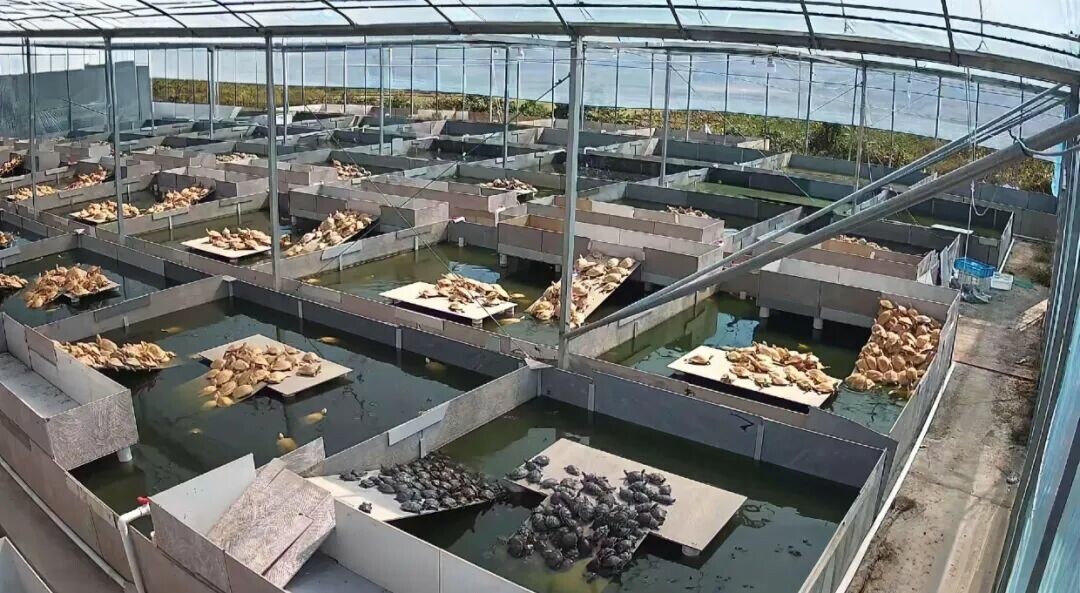
The craziness of the “turtle farmers,” which may seem a bit reckless, is actually a path they have forged step by step. The fact that we now have access to an increasing variety of turtles is thanks to those who treat turtle keeping as a business. It is because of them that we have seen all sorts of bizarre and exotic turtles. At the same time, as their scale expands, the price of individual turtles has actually been trending downward, hasn’t it?
Original article by 搬运工, if reproduced, please cite the source: https://www.kaipet.com/en/turn-turtle-keeping-business-5-farming-models-show-wild-experts



Comments(2)
The temperature-controlled rooms are fascinating! I’m curious if the accelerated growth impacts the turtles’ long-term health or lifespan?
@CriticX:感谢 CriticX 的提问!温控养殖确实很有趣。您提出加速生长对乌龟长期健康和寿命的影响,这确实是养殖者需要深入思考和研究的关键问题。我们会将此宝贵意见反馈给相关团队。