

Turtle hibernation actually hides many easy-to-fall-into “pitfalls.” Come and see if you’ve made any of these mistakes!
Do All Turtles Need to Hibernate?
No, whether a turtle needs to hibernate depends on its place of origin and species! Turtles from temperate regions, such as Chinese pond turtles, Chinese stripe-necked turtles, and yellow-margined box turtles, all need to hibernate. However, tropical species like Yuan Ao turtles, spotted turtles, and side-necked turtles come from native habitats with no cold winters; they simply don’t know what winter is. Forcing them to hibernate can lead to metabolic disorders and death. Before hibernation, be sure to research your turtle’s species and habits. For tropical turtles that cannot hibernate, prepare a heating pad or heating rod in advance.
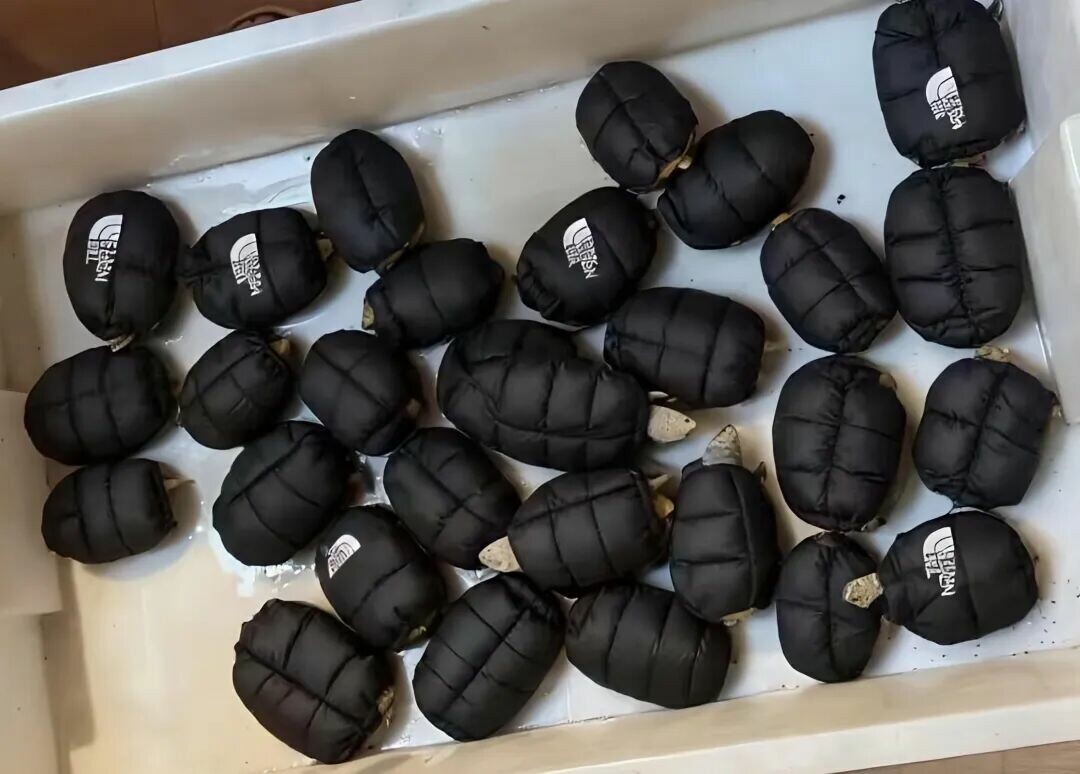
Do Turtles Need Care After Hibernation Begins?
Many turtle hobbyists (turtle keepers) think that hibernation is just sleeping, that you can “just set them aside and leave them be.” But turtle hibernation is not a coma; they still maintain a faint metabolism. An unsuitable hibernation environment will rapidly deplete their physical energy, potentially leading to death.
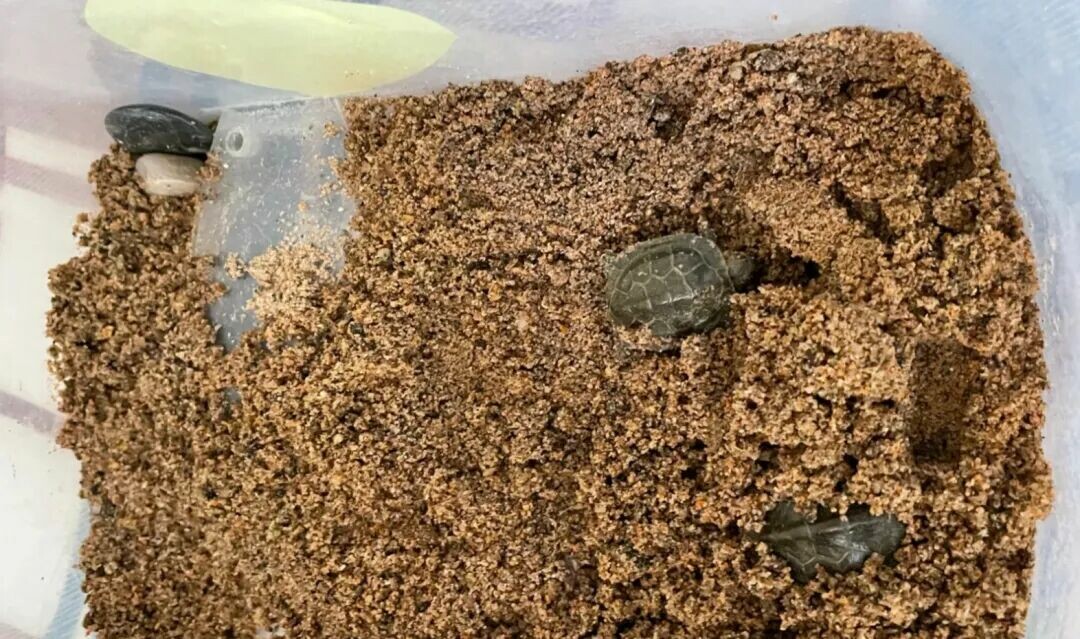
The correct method for turtle hibernation is as follows: for aquatic turtles, shallow water hibernation is recommended, where you can regularly check the water quality and perform minor water changes. For semi-aquatic turtles hibernating in sphagnum moss or coco coir, you need to regularly check the humidity of the environment, check the turtle’s condition once or twice a month by gently touching its limbs—a slight reaction is sufficient—and simultaneously observe for any signs of lesions.

Should Turtles Eat Before Hibernating?
Many turtle hobbyists (turtle keepers), wanting to ensure their turtles have enough energy to get through winter, make the mistake of feeding them heavily before hibernation. The most crucial step before hibernation is clearing the gut. If a turtle hibernates with undigested food in its gastrointestinal tract, the food can ferment and rot, causing enteritis, and the turtle might “pass away in its sleep.” You can feed them a bit more frequently in late summer and early autumn to help them gain some weight for hibernation. However, it’s not advisable to feed them much in autumn when the temperature difference between day and night is large.

Can You Wake Up a Hibernating Turtle?
Many turtle hobbyists (turtle keepers), out of concern, can’t resist taking their hibernating turtles out to check on them, or waking them up due to a brief warm spell. This is not advisable! Frequent disturbances and temperature fluctuations are “major hibernation taboos.” Each time a turtle is woken up, it consumes a huge amount of energy to restart its metabolism, and re-entering hibernation is another process. Repeated disturbances will deplete its energy, leading to problems over time. The hibernation environment must be kept stable. If necessary, you can use a refrigerator for hibernation.
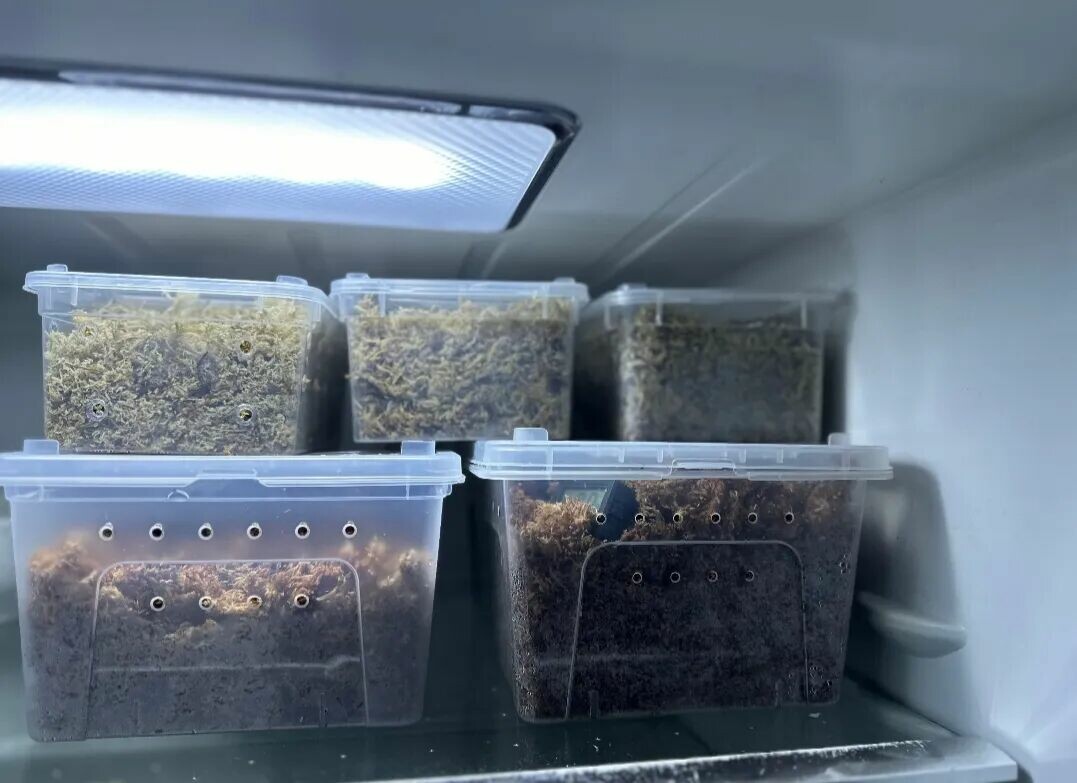
Can Baby Turtles Hibernate?
No! Sick turtles, weak turtles, and very light baby turtles do not have enough energy or immunity to sustain them through the entire hibernation period. For sick turtles, you should keep them warm and prevent them from hibernating to ensure they get through the winter safely. You can consider hibernation the following year after they have become strong and healthy.

What is the Minimum Temperature for Turtle Hibernation?
The optimal temperature for turtle hibernation is typically 5-10°C (41-50°F). If the temperature drops below 0°C (32°F), there is a risk of the turtle getting frostbite or freezing to death. If the temperature is above 15°C (59°F), the turtle will enter a state of pseudo-hibernation or a light sleep with excessive energy consumption. This is especially true for hatchlings that haven’t started eating, as they continuously consume energy without being able to enter deep hibernation, which becomes risky over time.

How to Determine if a Turtle is Ready for Hibernation?
Check if the turtle’s eyes are bright, its limbs are strong, and if it can sink and surface with ease in water. Observe if there are any bubbles from its nose, if its eyes are swollen, and if there is any damage or abnormal spots on its skin and shell. For underweight hatchlings or those that have not yet started eating, you should consider whether to hibernate them on a case-by-case basis.
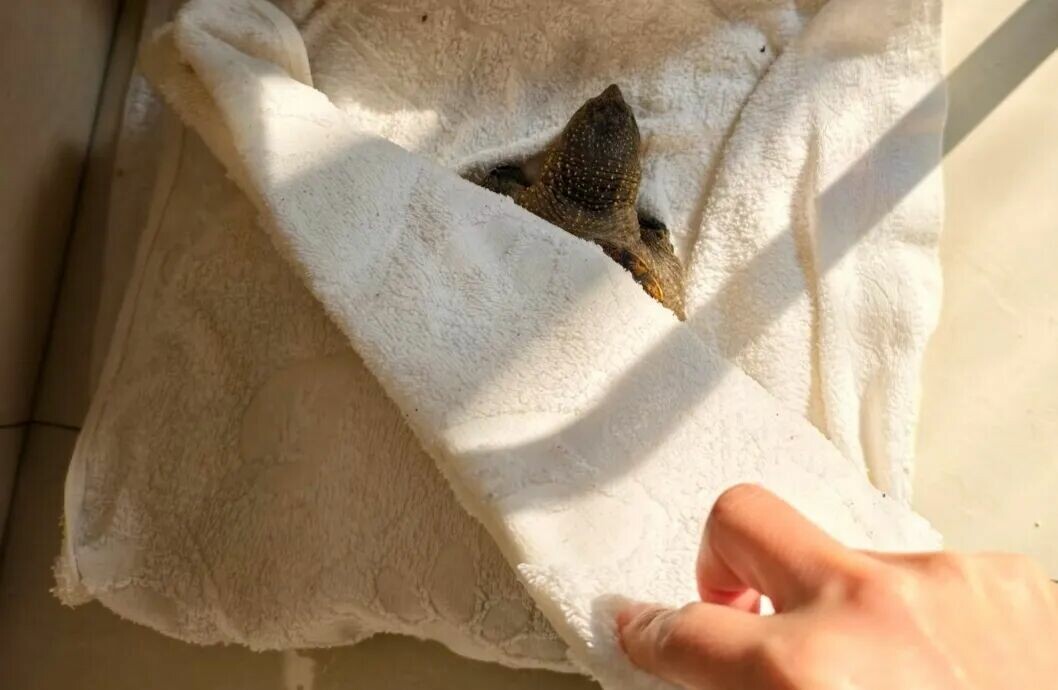
How to Care for a Turtle After It Emerges from Hibernation?
Precautions after a turtle emerges from hibernation: do not feed it immediately. The season when turtles emerge from hibernation is also a season with a high mortality rate. After a whole winter of sleep, the turtle’s digestive system is very fragile and its functions have not yet recovered. Suddenly consuming a large amount of food at this time can easily trigger acute gastroenteritis, colloquially known as sudden death, the danger of which is no less than hibernation itself.
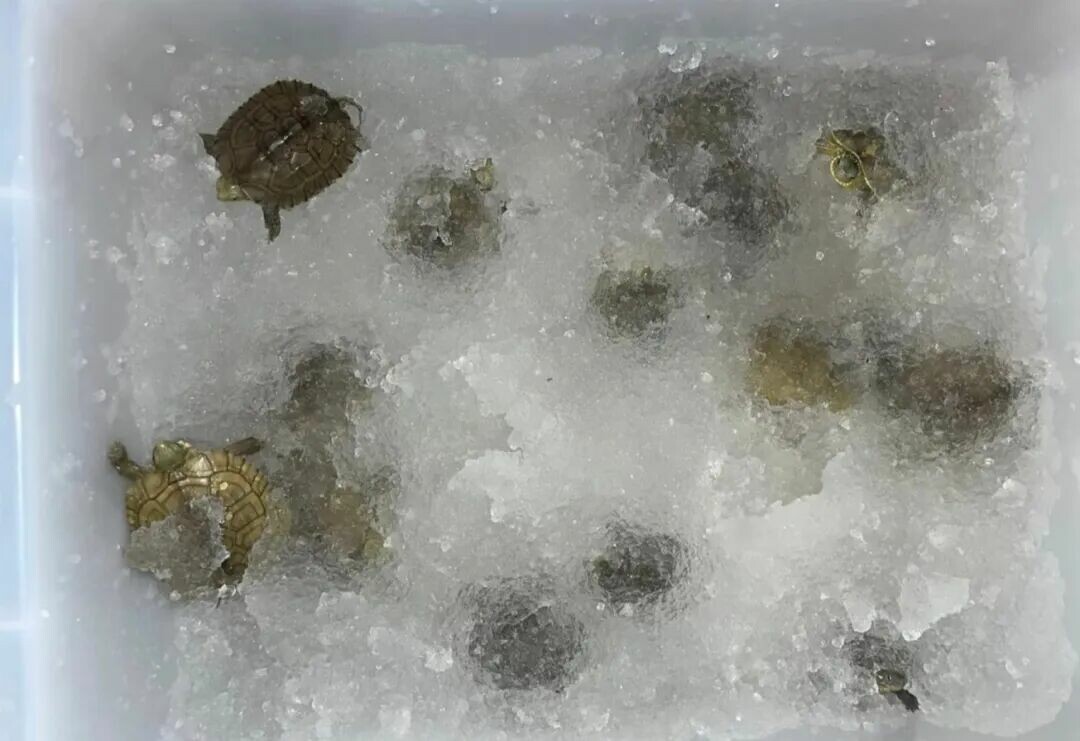
The Correct Approach
When the turtle wakes up, you must first rehydrate it, check the temperature, and then feed it. The first thing to do after it awakens is to soak the turtle in water, to which you can add a small amount of electrolyte multivitamin. Wait until the temperature is stable above 22°C (72°F), and then consider feeding a small amount of easily digestible, soft turtle food—about 1/3 of the usual portion or less. As the temperature gradually rises and the turtle’s excretion becomes normal, gradually return to its normal feeding amount over one to two weeks.
Original article by 搬运工, if reproduced, please cite the source: https://www.kaipet.com/en/turtles-winter-correct-hibernation-method-8-major-precautions



Comments(2)
This is really helpful! For turtles hibernating without a fridge, what are your best tips for maintaining stable temperatures?
@CriticX:We’re glad you found the article helpful! For stable temperatures without a fridge, consider methods like shallow water, sphagnum moss, or coco coir, as discussed. The crucial aspect is diligent monitoring of the environment to maintain 5-10°C and appropriate humidity, while avoiding disturbances.