

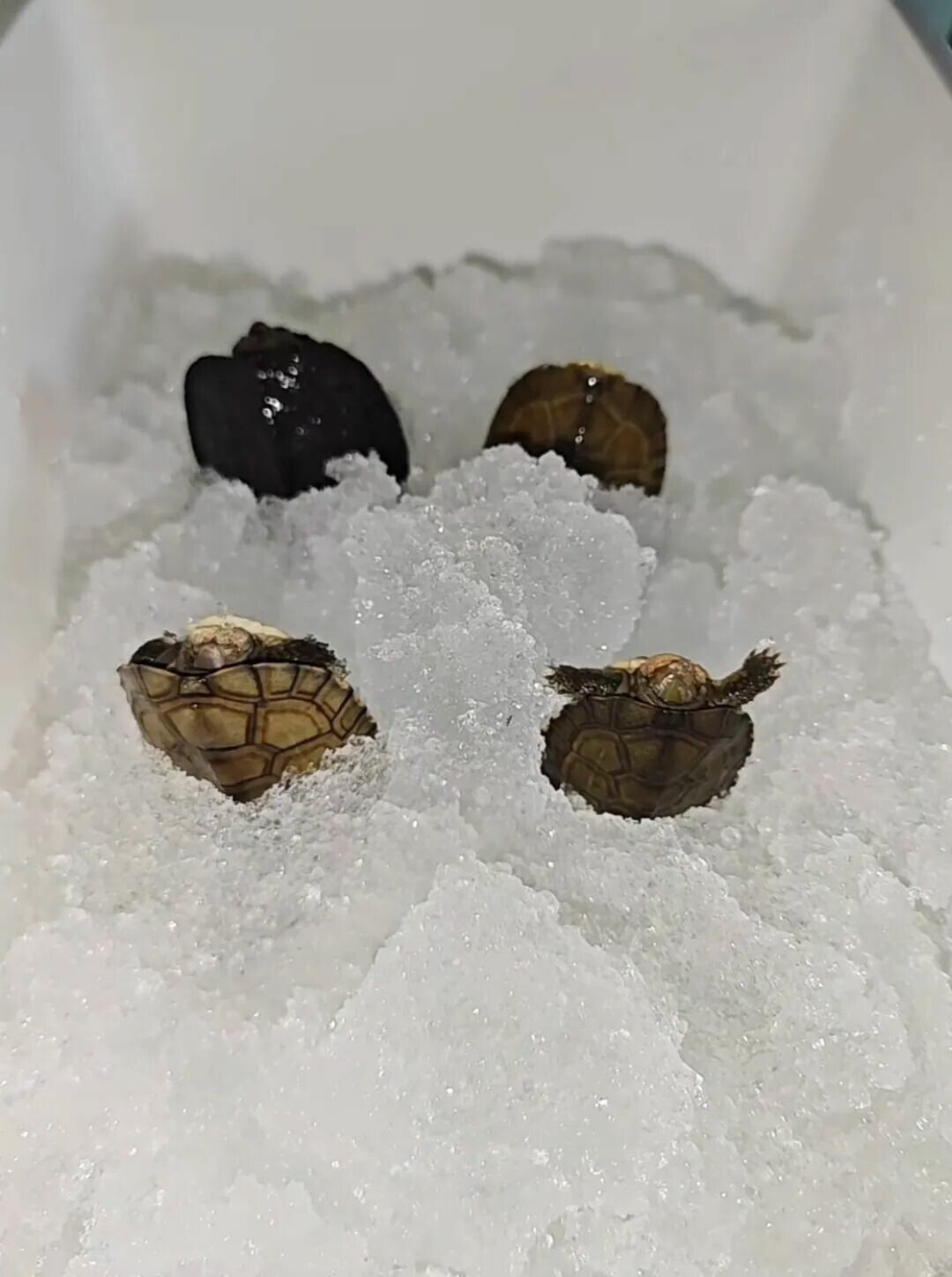
Turtles are poikilothermic animals, and hibernation is a survival instinct to adapt to low environmental temperatures and reduce energy consumption. Their body temperature fluctuates with the environment, making them unable to function normally at low temperatures. When winter temperatures drop below 10°C, a turtle’s metabolism slows down significantly, preventing it from foraging and digesting normally. It can only conserve energy through hibernation.

The Benefits of Turtle Hibernation
Promotes Rest and Recovery of Organs
Because turtles grow relatively slowly and have a weaker digestive system, excessive artificial feeding can place a significant burden on their bodies. During hibernation, their organs can self-recover, eliminate toxins from the body, cleanse the intestinal tract, rest and recover, and consume stored fat energy to withstand the cold of winter. Turtles that have hibernated have a stronger constitution, which also helps to slow down aging. Turtles that hibernate naturally for the long term tend to have longer lifespans.
Stimulates Reproductive System Development
For some turtles, hibernation can stimulate the development of their reproductive systems, laying the groundwork for subsequent breeding.
Improves Coloration
Hibernation can improve a turtle’s coloration. For some species that require color development through pigment deposition, hibernation can slow down their growth rate, which is conducive to pigment accumulation.

Which Turtles Do Not Need to Hibernate?
Tropical Turtles Do Not Need to Hibernate
Tropical turtles such as the Pig-nosed Turtle, Mata Mata Turtle, Red-bellied short-necked turtle, swamp/marsh turtles, and Spotted Turtle do not need to hibernate. This is because their native environments have high temperatures year-round. Even in autumn and winter, the average temperature is over 10°C, so they lack the physiological mechanism for hibernation. They can be kept normally with heating.

Juvenile Turtles Are Not Suitable for Hibernation
Juvenile turtles with a carapace length of less than 5 cm or those within two years of hatching are not suitable for hibernation because they have insufficient energy reserves. They are prone to issues like hypoglycemia and dehydration during hibernation. It is recommended to keep them warm through the winter with heating.
Weak or Sick Turtles
Turtles suffering from skin rot, shell rot, a cold, or those that are physically weak are not suitable for hibernation. Hibernation can worsen their condition and may even lead to death. They need to be treated first while maintaining a warm environment.
Common Species That Need to Hibernate
Species that can hibernate include:
Yellow-margined box turtle, Japanese pond turtle, Common Mud Turtle, Red-eared slider, Razor-backed musk turtle, Flame Turtle, Four-eyed turtle, Big-headed turtle, Golden coin turtle, Common musk turtle, Reeves’ turtle, Eastern box turtle, Yellow pond turtle, Spotted turtle, Chinese stripe-necked turtle, Keeled box turtle, European pond turtle, Loggerhead musk turtle, Map turtle, Striped mud turtle, Stripe-necked musk turtle, Alligator snapping turtle, Common snapping turtle, Wood turtle, Black-breasted leaf turtle, Eastern painted turtle, Ryukyu black-breasted leaf turtle.
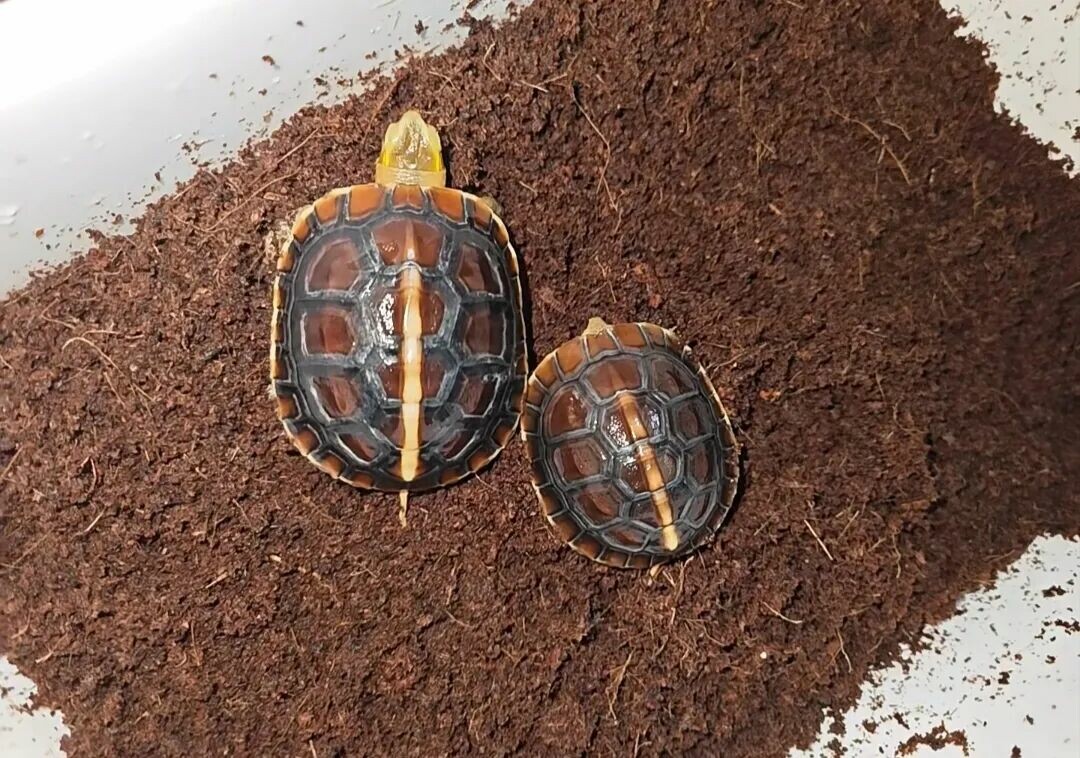
Turtles that can hibernate refer to those that have a natural hibernating habit in their native habitat. As long as they are healthy and the hibernation conditions are suitable, there is not much risk during the process.
Follow for more! In the next post, we will discuss in detail the preparation and setup for turtle hibernation—a must-read for beginners!
Original article by 搬运工, if reproduced, please cite the source: https://www.kaipet.com/en/read-beginners-guide-turtle-hibernation-preparation-safe-keeping




Comments(2)
Thanks for this guide! I’m eager for the next part. What are early signs a healthy turtle is truly *ready* to hibernate?
@CriticX:Thank you, CriticX, for your kind words! We’re glad you found this guide helpful. Your question about early signs of a turtle’s readiness for hibernation is excellent and will be thoroughly covered in our upcoming detailed post on hibernation preparation. Stay tuned!