

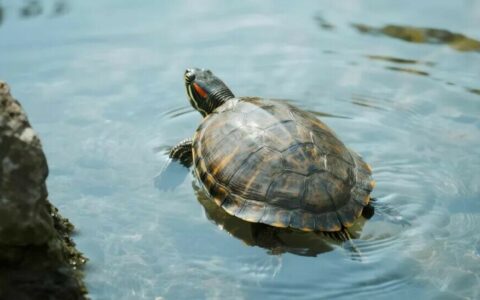
Every year when autumn arrives, a heated debate erupts among turtle keepers: “Should turtles be fattened up for autumn?” In fact, blindly following the trend of ‘fattening them up’ is not only unhelpful but could also send your beloved turtle to the ‘ICU’ (Intensive Care Unit)! Why is that? The truly good season for feeding is summer. Summer temperatures are ideal, and for turtles, it is the time of fastest growth and best digestion.
But the saying ‘fattening up for autumn’ always comes up, so for many fellow turtle keepers, this can seem misleading. This ‘fattening up’ really can’t be done casually.
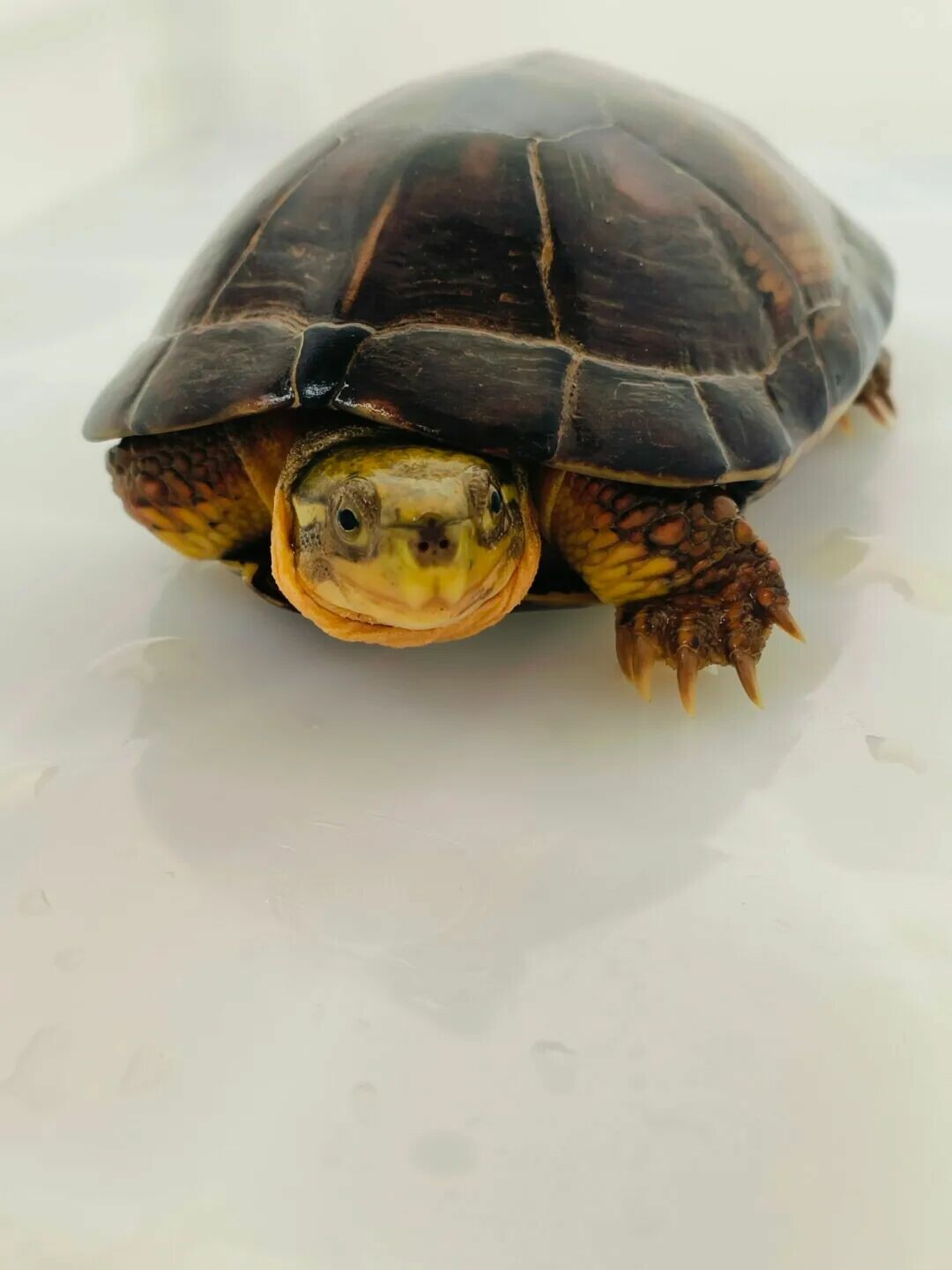
Temperature is Key: Turtles Are Not “Foodies”
As cold-blooded animals, turtles’metabolism is entirely dependent on the ambient temperature. When the temperature gradually drops in autumn (especially below 20℃), a turtle’s digestive ability will be significantly weakened. If you continue to feed them large amounts at this time, especially high-protein meats, it can easily lead to indigestion, gastroenteritis, and even floating or death due to poor digestion. You should start to stop feeding.
When the temperature gradually drops below 25℃, you should feed less.
Why can’t you ‘fatten them up for autumn’? Metabolism is slow at low temperatures, and energy requirements are extremely low. When the water temperature is <25℃, you should start reducing the amount of food; when it is <20℃, it is recommended to gradually stop feeding. Meat is difficult to digest; it’s best to prioritize easily digestible turtle food.
A Guide to Proper Autumn Care
Late summer and early autumn (temperature>25℃): You can still feed normally with high-quality turtle food, small fish, shrimp, etc., to help the turtle build up healthy physical reserves—note, this is ‘normal feeding,’ not ‘fattening up for autumn’ with aggressive feeding!
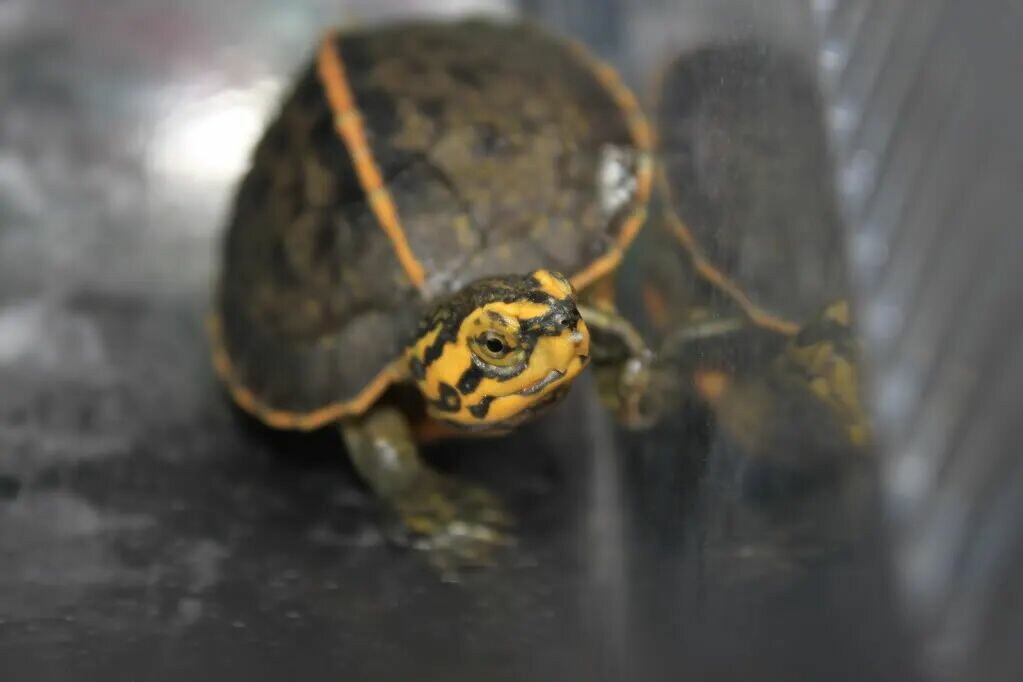
When the Temperature is 20-25℃
Reduce the frequency and total amount of feeding. It can be adjusted to once every 2-3 days, mainly consisting of adult turtle food.
When the Temperature is Stably Below 20℃
It is recommended to gradually stop feeding, especially before and after a cold snap arrives. Don’t forget to set up the hibernation environment in advance (shallow water, dark, and quiet).
When There Is a Large Day-Night Temperature Difference
It is recommended to feed in the morning or at noon when the temperature is rising or at its highest, to prevent the turtle’s body from being stressed by temperature fluctuations.
The main thing in autumn is to observe the weather changes, ‘control your hands,’ and manage your turtle’s food intake. Transitioning to winter will not be a problem. If they get sick at this time, the unfavorable natural temperatures make it very dangerous for the turtle.
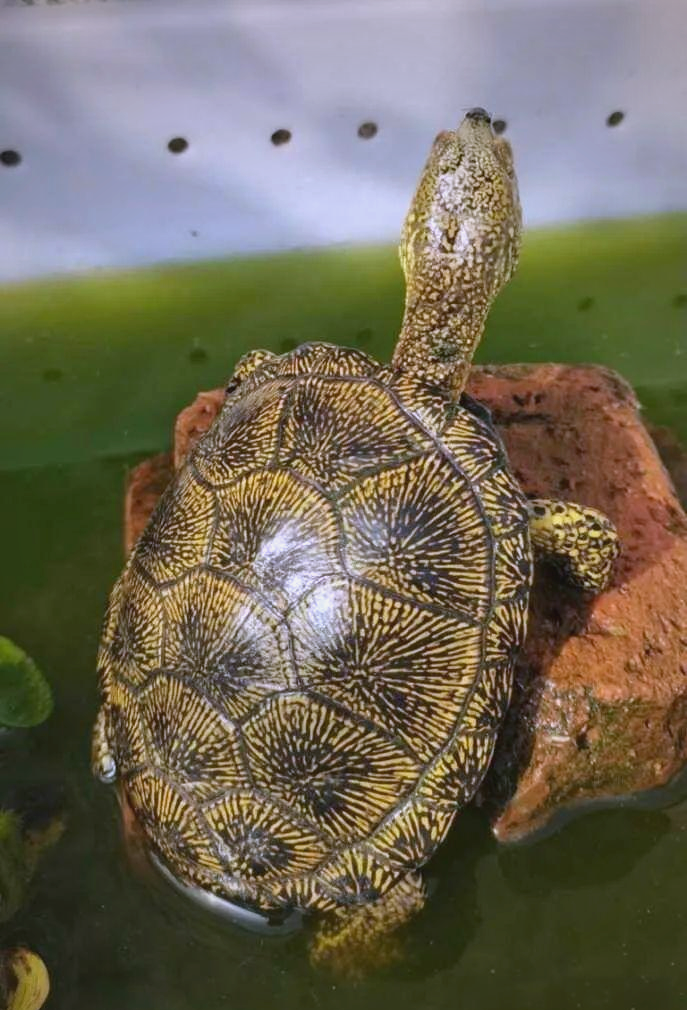
The Key to Raising Turtles is “Summer Strengthening”
The real key is not ‘autumn supplementing,’ but ‘summer strengthening’! Summer is the season when a turtle’s growth and metabolism are most vigorous, and you should focus on providing high-quality nutrition. The focus in autumn, however, should be—‘a smooth transition and reasonable food control’, to prepare for hibernation or a heated setup.
If you haven’t prepared a heater or a hibernation environment, it is even more important not to blindly ‘fatten them up for autumn’!
Original article by 搬运工, if reproduced, please cite the source: https://www.kaipet.com/en/autumn-feeding-turtles-dont-casually-fatten-autumn-guide-proper-care-prevent-gastroenteritis





Comments(2)
Thanks for the clear guide! I’m curious, how long does it typically take for turtles to adjust to reduced feeding?
@CriticX:Thanks for your kind words! The adjustment period for reduced feeding varies by individual turtle and species. As the guide emphasizes, the key is a gradual reduction based on temperature, allowing them to adapt naturally. Observing your turtle’s behavior is the best indicator!