

As the saying goes, “life lies in movement,” but this isn’t the case for turtles. Turtles are a symbol of longevity; they are not fond of exercise and hibernate every winter. During hibernation, a turtle’s metabolism nearly comes to a halt, a survival mechanism among organisms in the natural world that is practically ‘sci-fi level technology’ (referring to very advanced, hard-to-understand technology).
The Secret of Turtle Hibernation
Turtles are cold-blooded animals, meaning their body temperature changes with the external temperature. In the cold winter, turtles choose to hibernate to conserve energy. During hibernation, their body’s metabolism drops significantly, and they can even suspend most physiological activities. For example, some hibernating turtles have a heart rate of only 6 beats per minute. This ultra-low metabolic rate allows them to survive for months in low-temperature environments.
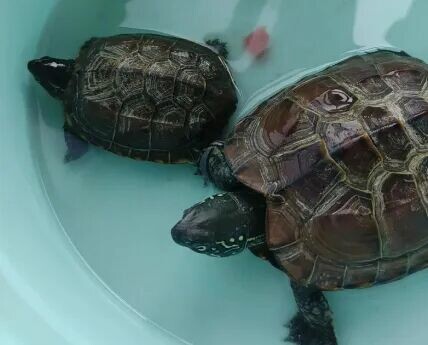
The Secret to How Turtles Control Metabolic Suspension
During hibernation, a turtle’s cells almost cease activity but are not damaged. Scientists have discovered that hibernating turtles can breathe through their skin or mouth. This ability allows them to obtain oxygen at the bottom of frozen rivers and maintain basic vital signs.
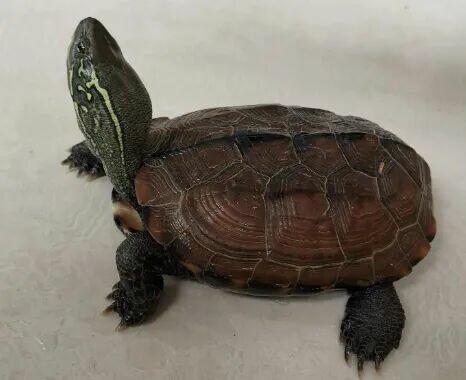
The Impact of Hibernation on a Turtle’s Lifespan
Hibernation not only helps turtles get through the cold winter but also extends their lifespan. Studies have shown that the rate of aging in turtles is very slow, even negligible. During hibernation, the low metabolism reduces cellular damage and the production of free radicals, slowing down the entire aging process. This ability to ‘pause’ imperceptibly extends the turtle’s lifespan and vitality.

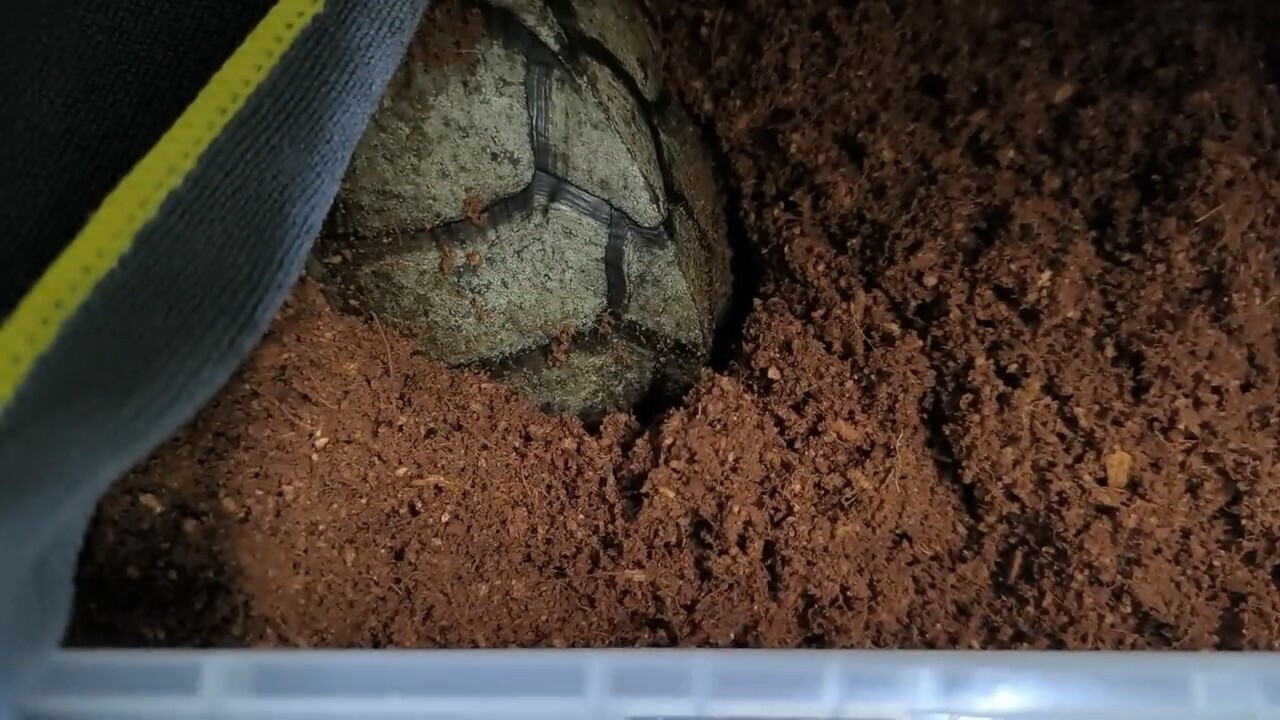
Overall, turtle hibernation has many benefits. Adult turtles generally begin hibernating around November and do not finish until March of the following year, when they slowly wake up. Before a turtle hibernates, we need to do the gut clearing work and prepare hibernation materials. Additionally, during the hibernation period, it is necessary to provide the turtle with a quiet and stable environment that is not too noisy. Do not disturb the turtle casually, but this doesn’t mean ignoring it completely. You can check the turtle’s condition periodically, every half a month or once a month, to ensure it is normal.
Original article by 搬运工, if reproduced, please cite the source: https://www.kaipet.com/en/turtle-hibernation-keeping-warm-promotes-longevity-3-key-benefits








Comments(2)
This is so cool! Beyond quiet, what are key signs of a *healthy* hibernating turtle when checking periodically?
@CriticX:That’s an excellent question, CriticX! Beyond quiet, key signs of a healthy hibernating turtle include a firm shell, no strange odors, and a steady, healthy weight. Any significant changes or distress should prompt a vet consultation. We hope this helps!