

Regarding the question of whether turtles must hibernate, the answer is not absolute. The key is to know what species your turtle is! Let’s clarify how to handle different situations.
Turtle Species Unsuitable for Hibernation
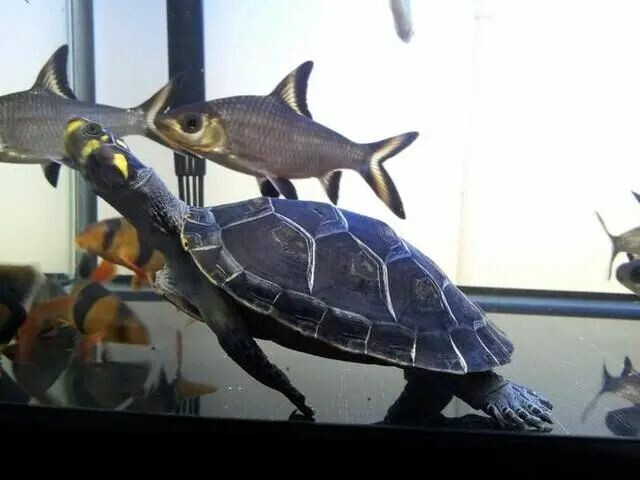
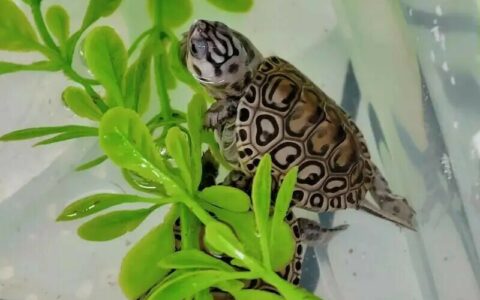
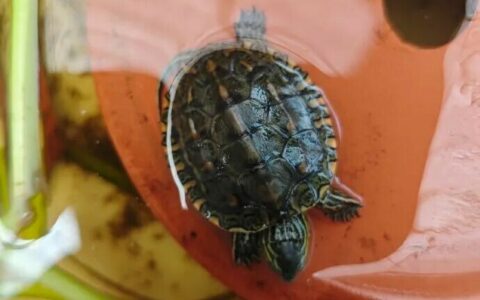
If you are raising tropical turtle species, for example: Yellow-spotted river turtles, West African mud turtles, Asian giant tortoises, and also Yellow-headed temple turtles.
These turtles are native to tropical regions and simply do not have the genes to survive in low-temperature environments. Forcing them to hibernate is “equivalent to making a person in a short-sleeved shirt sleep in a world of ice and snow,” and they will ultimately die from excessive energy consumption!

The High Risks of Hibernation for Juvenile Turtles
Regardless of the species, the smaller the turtle, the greater the risk of hibernation:
- Hatchling turtles have low energy reserves in their bodies
- Their organ functions are not yet fully developed
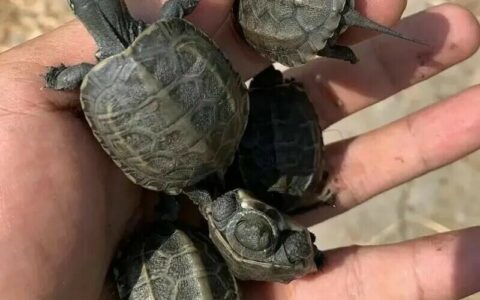
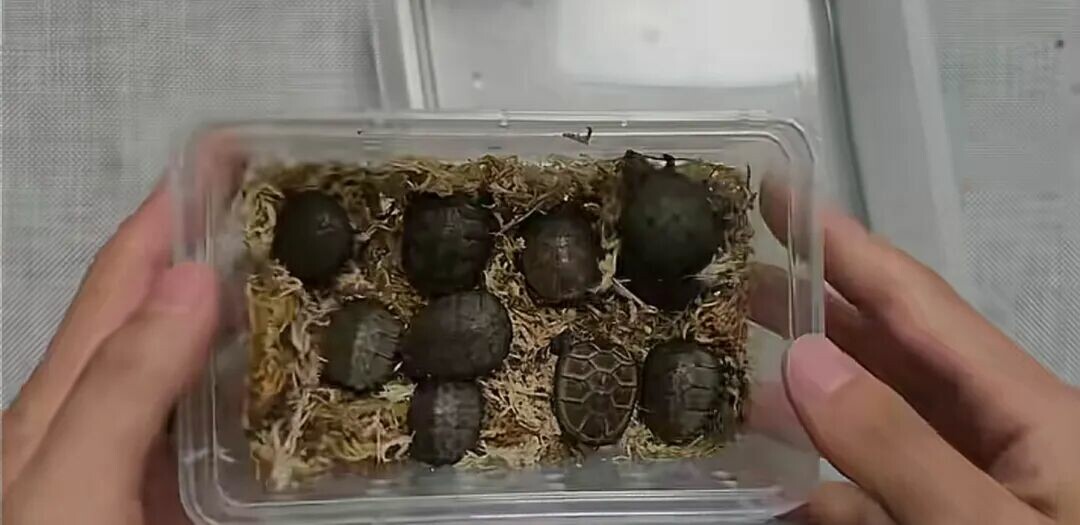
- They have poor cold tolerance. If novices are raising current-year hatchlings, they should consider not risking an attempt at hibernation.
Methods for Turtles to Safely Overwinter
There are two methods for safely overwintering.
Natural Hibernation Method (Only for Cold-Hardy Species)
Choose an environment with a stable temperature of 5-10°C to allow the turtle to enter a natural state of dormancy. Be aware that temperatures that are too high will cause frequent waking and energy consumption, while temperatures that are too low may lead to them freezing to death.
Heated Overwintering Method (Recommended for Novices and Tropical Turtles)
Purchase:
- A constant temperature tank for turtles
- A heating rod + a temperature controller
- A water filter
By maintaining the water temperature at 25-28°C, you can let your “beloved turtle” get through the winter normally, completely avoiding the risks of hibernation.
Key Tips
Do not use your own ideas to guess how a turtle feels! For a tropical turtle, hibernation is not sleeping; it is consuming its life force! If you are unsure whether your turtle is suitable for hibernation, or if you are not confident about hibernating it safely, please choose to provide heating for the winter. This is the safest approach.
Raising turtles isn’t an exam; safety first is the “incontrovertible truth”! How long your “beloved turtle” lives depends on the choice you make this winter~
Original article by 搬运工, if reproduced, please cite the source: https://www.kaipet.com/en/tropical-turtles-hatchlings-heated-winter-turtle-hibernate-warm





Comments(2)
Great advice on safety first! For cold-hardy turtles hibernating, what are key warning signs to watch for if they’re struggling?
@CriticX:感谢您对“安全第一”的认同和提问!对于冬眠的耐寒龟,若出现持续活动、呼吸困难、异常分泌物或体重急剧下降,可能是挣扎的信号。此时建议立即咨询专业兽医,确保爱龟安全!