

When raising turtle hatchlings, changing the water is a top priority. But how should it be done? Will daily water changes cause stress? Can tap water be used directly? This is the clearest guide to changing water for turtle hatchlings, helping you sort it all out at once and raise healthy hatchlings!
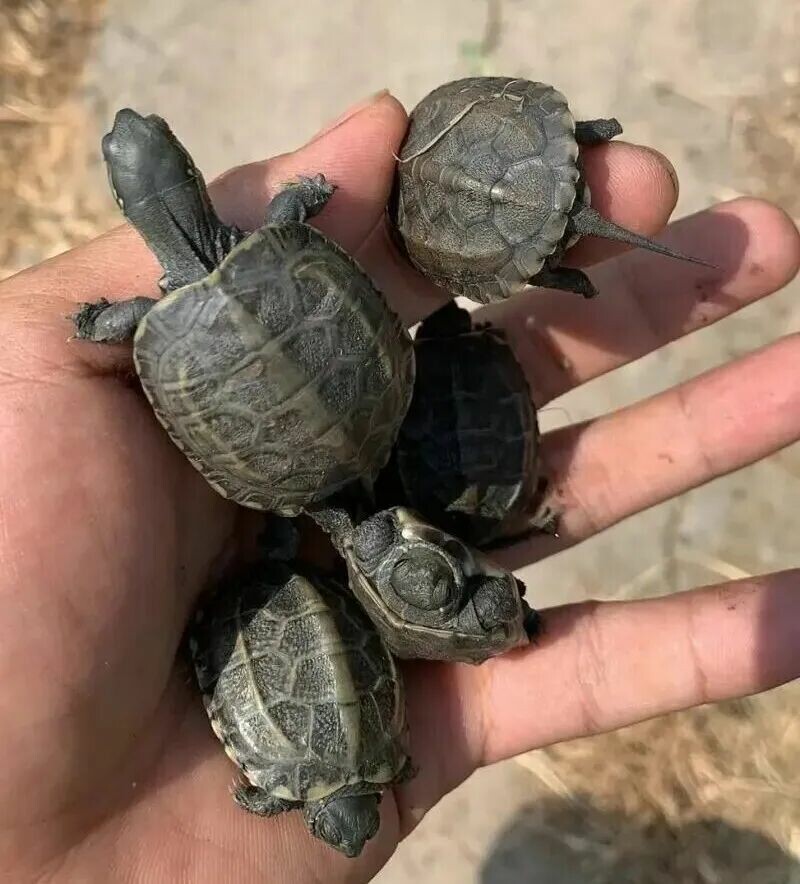
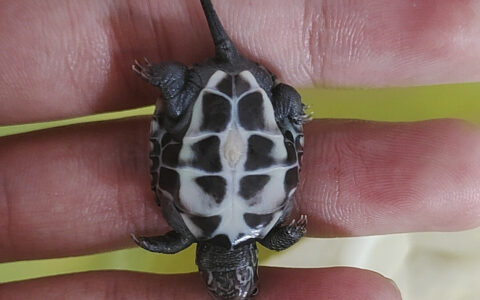
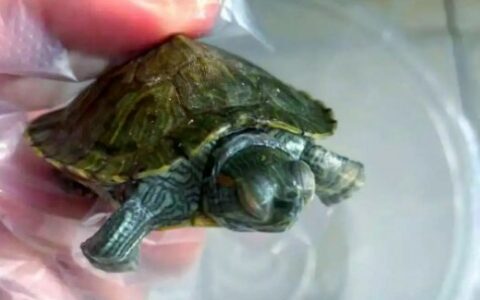
Turtle hatchlings can absolutely have their water changed daily! Whether it’s the Brazilian-faced turtle lineage, Chinese grass turtle hatchlings, young yellow-throated turtles, or other common hatchlings, many experienced keepers perform daily water changes. Observations show that baby turtles are highly adaptable, and the brief stress after a water change (such as frantic swimming) usually subsides within a few minutes and does not affect their health. The key is that when we change the water, besides ensuring it’s the same temperature, our movements must also be gentle. That kind of abrupt ‘splashing’ method is not recommended.
Pros and Cons of Increasing Water Change Frequency
Cons: The main controversy lies in ‘stress.’ However, turtle hatchlings are precisely the group with the least stress response. The ones that are truly prone to stress are long-term wild individuals like pond-raised turtles and wild-caught turtles; captive-bred hatchlings do not belong to this category.
Pros:
Promotes yolk absorption: For newly-hatched turtles just entering water, mild stress promotes defecation, reducing yolk retention and lowering the risk of it compressing internal organs;
Improves digestion: For hatchlings that have started feeding, frequent water changes can regulate bowel movements and maintain intestinal health;
Inhibits pathogens: In high-density keeping, water quality deteriorates quickly. Timely water changes can significantly reduce common diseases like shell rot, skin lesions, and white eye disease.
Note: ‘Old water’ (meaning water that has not been changed for a long time and has an established, stable microbial ecosystem) does not equal ‘safe.’ Murky water harboring bacteria is the main cause of disease in turtle hatchlings!
The Use of Tap Water
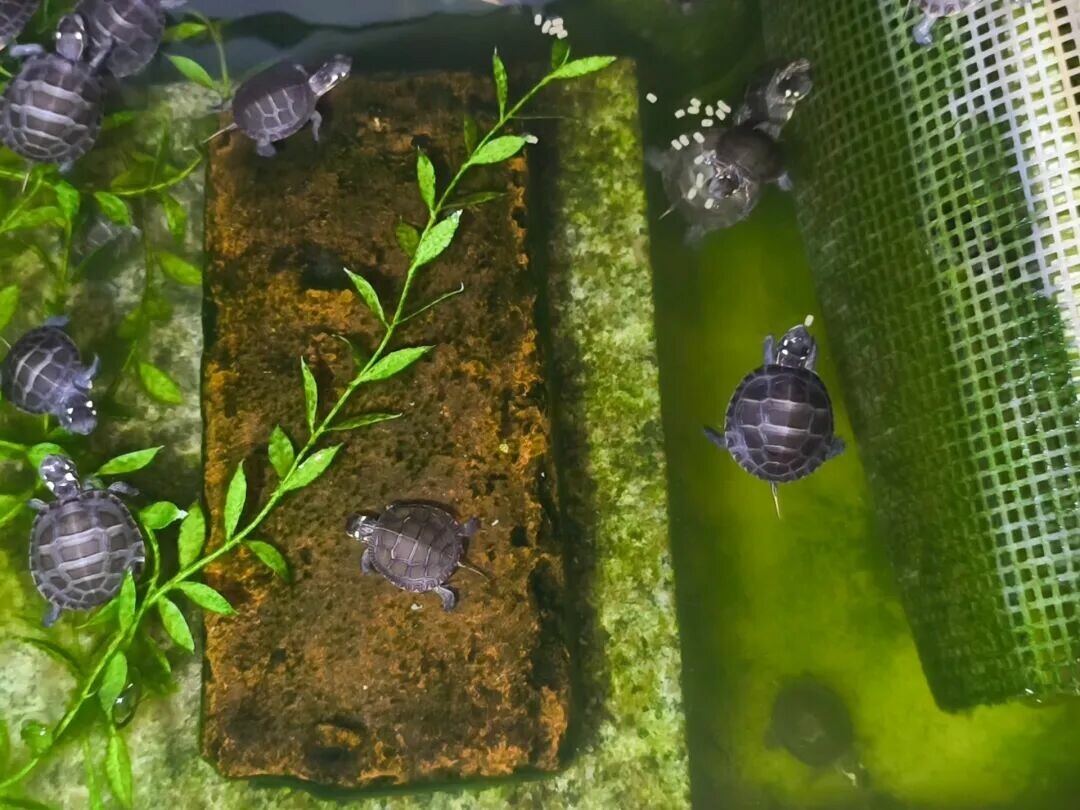
Actually, it’s also possible, as tap water varies greatly from place to place! Unlike fish that breathe through gills, turtles are less affected by the residual chlorine (chlorine remaining in the water after disinfection) in tap water. After years of practice, many people have found that turtle hatchlings raised directly in tap water remain healthy and stable, so there’s no need for excessive worry. However, you should observe your own turtles. If they don’t adapt well and develop ‘white eyebrow’ (a type of eye ailment in turtles caused by water quality issues) or something similar, you can try to let the water sit (meaning to let tap water stand for a period to allow the chlorine to evaporate).
Original article by 搬运工, if reproduced, please cite the source: https://www.kaipet.com/en/changing-water-turtle-hatchlings-daily-tap-water-directly-90-people-misunderstand


Comments(2)
This is so helpful! I’ve been nervous about daily water changes causing stress. Any gentle techniques you’ve found especially effective for hatchlings?
@CriticX:We’re glad the article was helpful! For gentle techniques, as the post advises, always be soft with your movements and avoid abrupt splashing. A slow, steady pour using a small container can help reduce stress for your hatchlings. Thanks for your question!