

As the summer heat gradually fades and temperatures begin to drop from north to south, the temperature difference in autumn increases, requiring a complete adjustment of the feeding strategy for turtle hatchlings! Especially for keepers planning to have their hatchlings “overwinter in cold water,” feeding management directly determines their life or death. The following details must be firmly remembered:
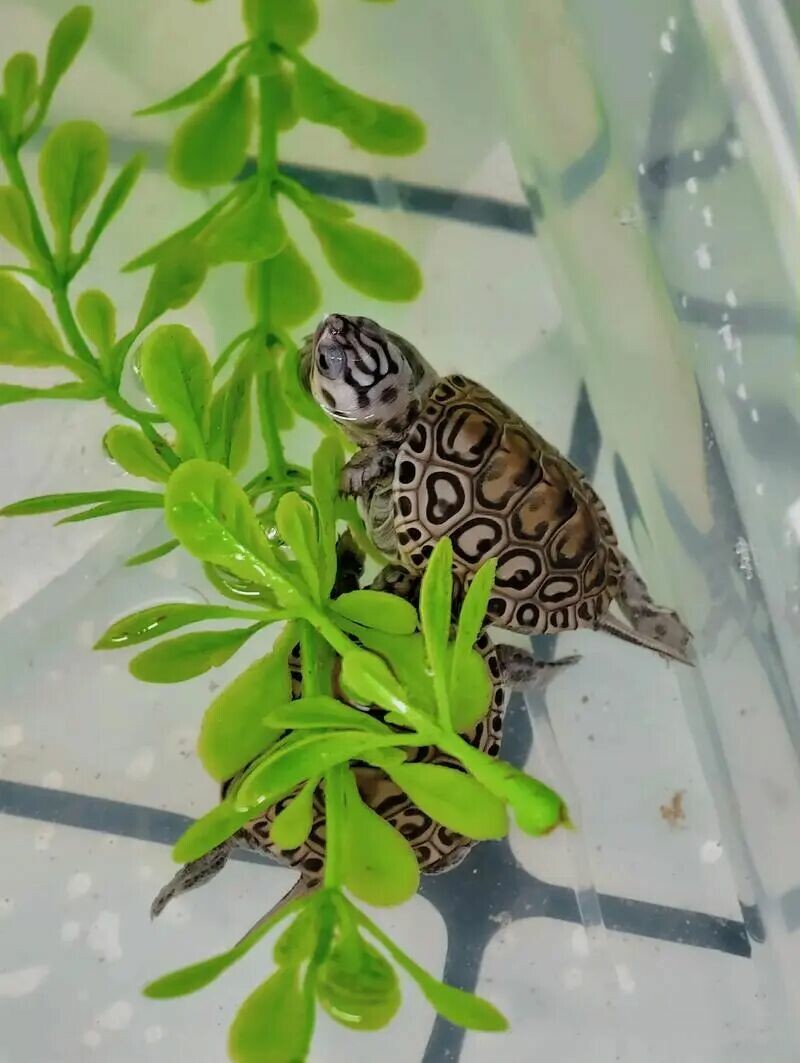
Adjusting Feeding Frequency
In summer mode, the average frequency is once a day or once every other day (during the period of high temperature and high metabolism). Entering autumn mode, the feeding frequency should be directly reduced to once a week or once every 2 to 3 days! My personal practice is to feed daily, but reduce the food amount to 1/3. However, it’s still very hot where I am, which is the advantage of the south, where the cold season is very short. If the water temperature consistently stays below 25℃, the frequency needs to be reduced further.
Principle: At low temperatures, the gastrointestinal motility of turtle hatchlings is extremely slow. Overfeeding will cause food to stagnate and rot, leading to enteritis, floating, and even sudden death!
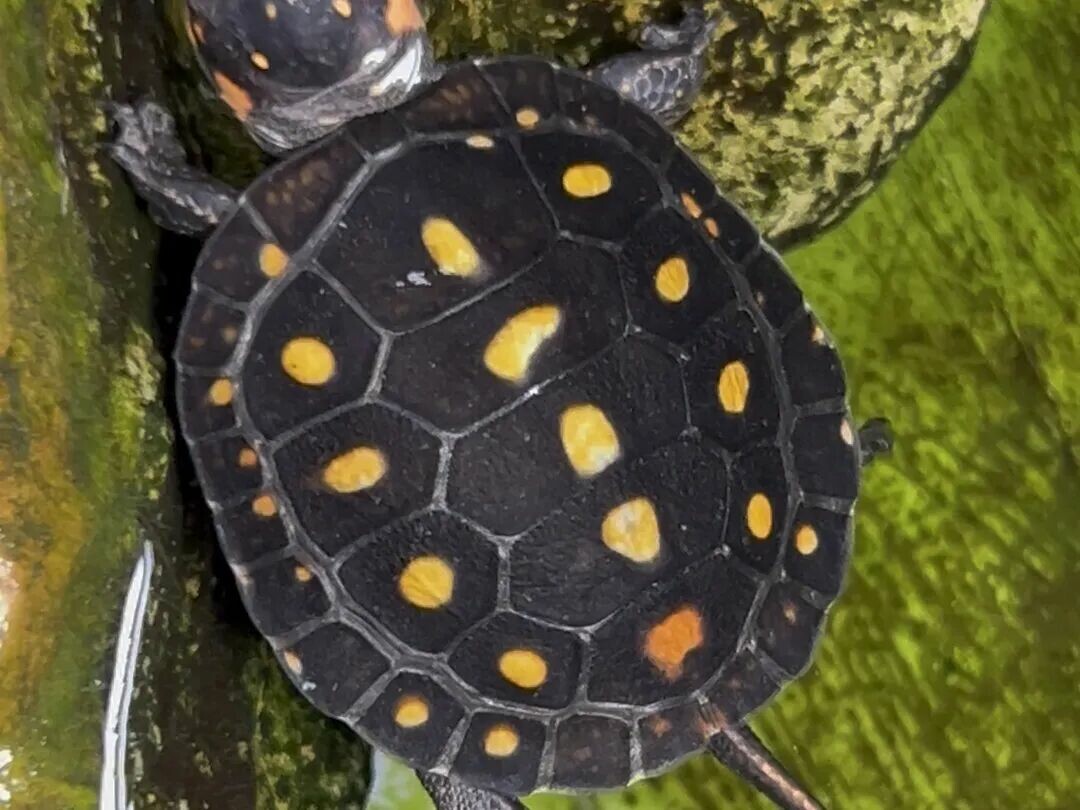
Feeding Amount and Food Selection
The amount for a single feeding should be reduced to 50% of the summer amount. Choose easily digestible foods (such as soft-type turtle pellets, or softened pellets specifically for young hatchlings), and avoid feeding excessive hard-to-digest baits like dried shrimp and meat. Especially foods like mealworms; many fellow turtle keepers have caused gastrointestinal problems in their turtles by feeding mealworms or too much meat in the fall. It is indeed difficult to treat during this period, and the mortality rate is very high. You can soften the food with water before feeding to reduce the burden on the gastrointestinal tract!
Temperature is the Absolute Benchmark for Feeding
Water temperature ≥25℃: You can maintain a feeding schedule of 1 to 2 times per week (still with reduced portions); but if it is consistently maintained at 30℃ or above and the turtle is in good condition, you can feed with confidence. Water temperature 20-25℃: Feed once a week, reducing the portion size by another 30%; alternatively, you can adopt a method of feeding a very small amount daily. Water temperature <20℃: Stop feeding immediately! At this point, the turtle hatchling is entering a semi-dormant state, and its digestive system is nearly at a standstill.
Note: You must refer to the actual water temperature, not the air temperature! It is recommended to use a water thermometer for accurate measurement.
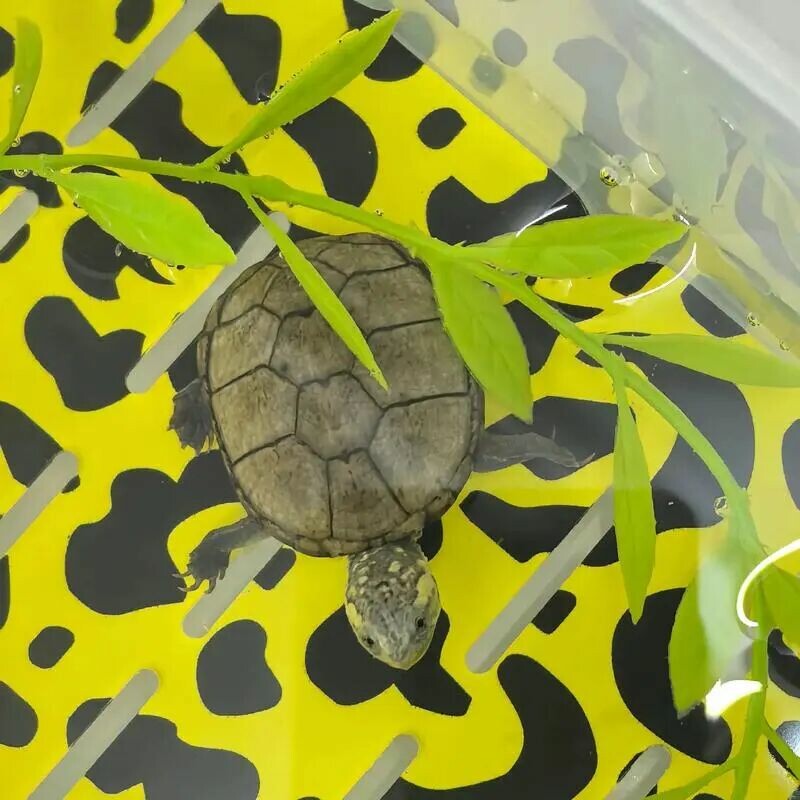
Key Preparations Before Overwintering in Cold Water
Gut Clearing Operation
Gradually reduce feeding 2 weeks before stopping food, and completely stop feeding in the final week to promote the emptying of the intestinal tract.
Maintaining a Quiet Environment
Avoid operations such as large water changes and moving the container to reduce disturbance. Place the container in a dark and quiet place.
Water Quality Maintenance
The self-purification capacity of the water also deteriorates at low temperatures. It is necessary to clean up decaying waste residues in advance, which is also a good way to maintain water quality.
Husbandry Pitfall Warnings
Compulsive feeding: “It looks hungry” is the biggest illusion when raising turtles in the fall! Blindly heating: If you have already decided on overwintering in cold water, do not repeatedly raise and lower the temperature, as this will disrupt the hatchling’s physiological rhythm. Ignoring temperature differences: When there is a large diurnal temperature range, you need to cover the enclosure for insulation at night or move it indoors to prevent stress.
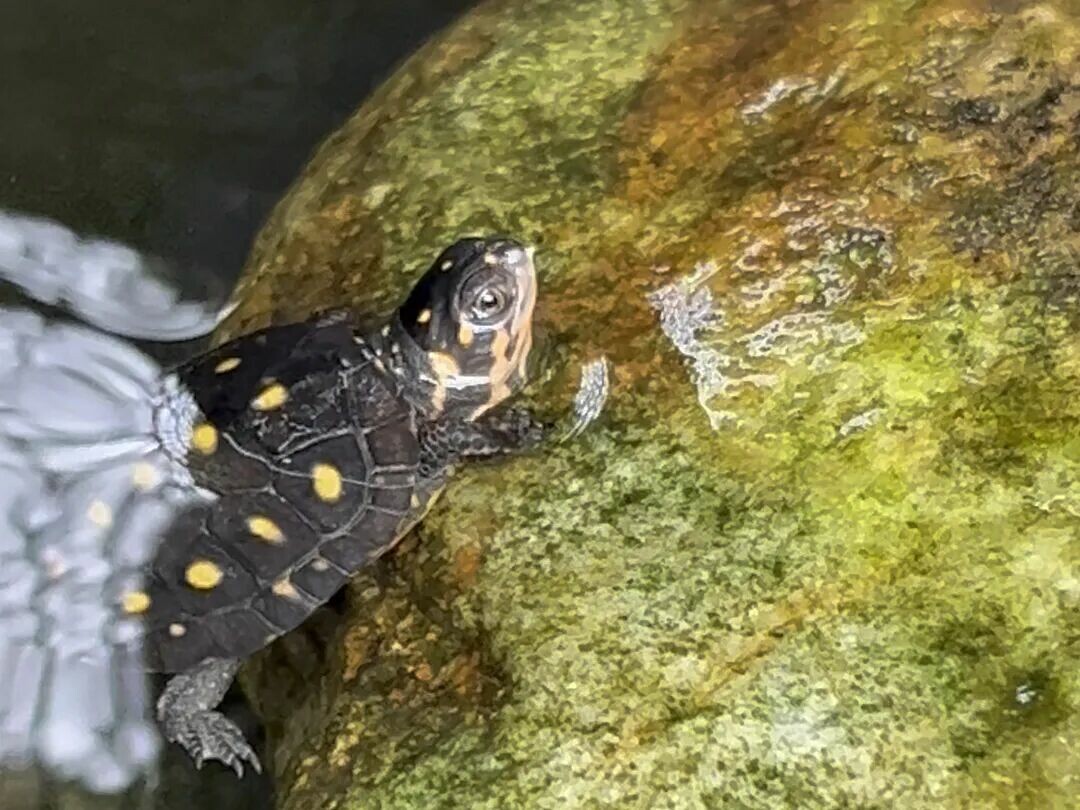
Raising turtle hatchlings in the fall is essentially a practice in “controlling your hands”! This is especially true for first-year hatchlings, whose gastrointestinal functions are weaker than those of adult turtles. Once a mistake is made, it is extremely difficult to remedy. To be on the safe side, you can also choose to overwinter them with heating and try cold water overwintering the following year after the hatchling’s constitution has strengthened.
“Feeding less is a disease, feeding more is life!”
Original article by 搬运工, if reproduced, please cite the source: https://www.kaipet.com/en/turtle-hatchling-overwintering-cold-water-fall-feeding-guide-avoid-3-major-gastrointestinal-pitfalls





Comments(2)
Excellent advice! ‘Controlling your hands’ is key. Any extra tips for resisting the urge to overfeed during cold water overwintering?
@CriticX:感谢认可!‘管住手’确是关键。关于抵制过度投喂,额外提示是:牢记低温消化慢,‘看起来饿’是错觉。遵循文中策略,幼龟将健康过冬!