

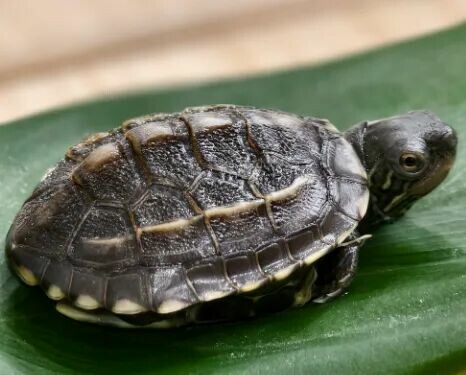
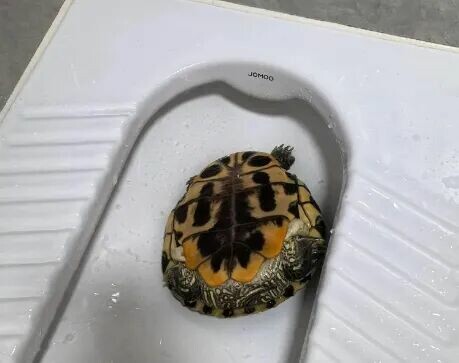
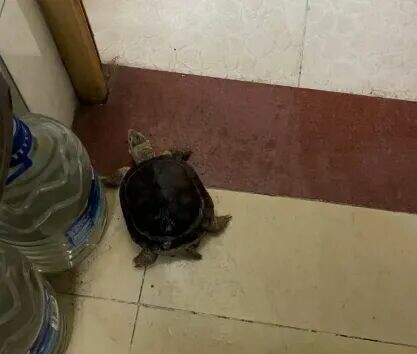
It’s autumn recently. Have you noticed that your turtle, which was previously “eating heartily,”has suddenly lost its appetite? When you try to feed it, it’s “unresponsive,” or maybe it’s even “staying still”all day, with its eyes half-closed and limbs limp…… The more you watch, the more anxious you get, but you have no idea what’s wrong with it. This is the most feared problem in autumn, as it could very well end in “shell retraction” (referring to the turtle’s death, where its body shrinks into the shell).
Common Reasons for a Turtle’s Loss of Appetite in Autumn
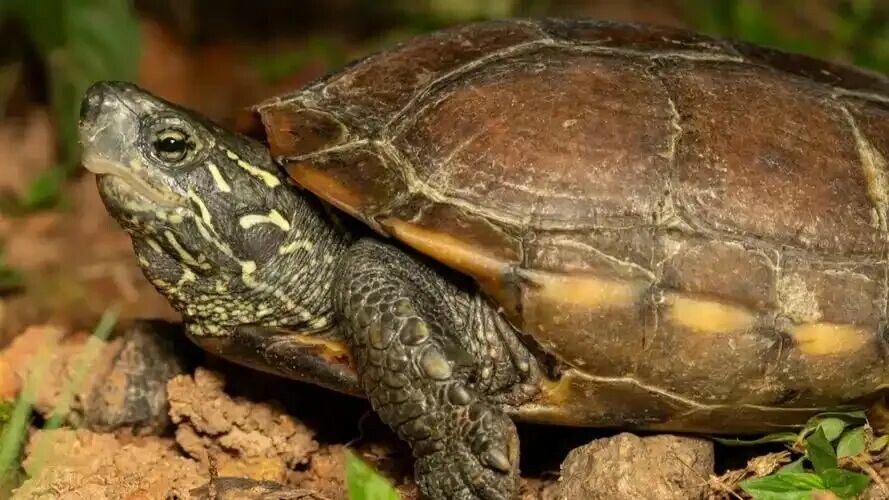
Don’t panic! This is very likely a sign of “intestinal obstruction”(referring to a blockage that prevents contents from passing through the intestines, causing symptoms like abdominal pain, vomiting, and cessation of gas and bowel movements) or “indigestion”(referring to digestive dysfunction, manifesting as bloating, loss of appetite, etc.)—this is especially true if you were previously feeding it frequently and the turtle was eating a lot and very “enthusiastically.” Excessive protein intake + high feeding frequency are often the main culprits.
Initial Response Measures
When you encounter this situation, first take these two steps to stay calm:
Immediately Stop Feeding and Observe its Condition
A turtle can go a few days without eating and be fine, but random feeding + improper handling will only worsen the burden on its gastrointestinal system.
It is recommended to stop feeding for 3 – 5 days, keep the environment quiet, and avoid frequent disturbances.
Temperature Control is Key: Original Tank or Constant Temperature?
- If the diurnal temperature range in your area is small, you can let it rest quietly in its original tank without needing to change tanks or provide extra heating.
- If the temperature difference is significant (especially with sudden temperature drops in autumn), then you must maintain a constant temperature!
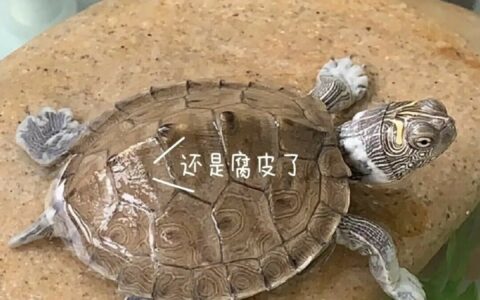
- Cold-water turtles (referring to turtle species adapted to cooler water temperatures, such as Reeves’ turtles and Chinese stripe-necked turtles): a temperature of 26-28°C is recommended.
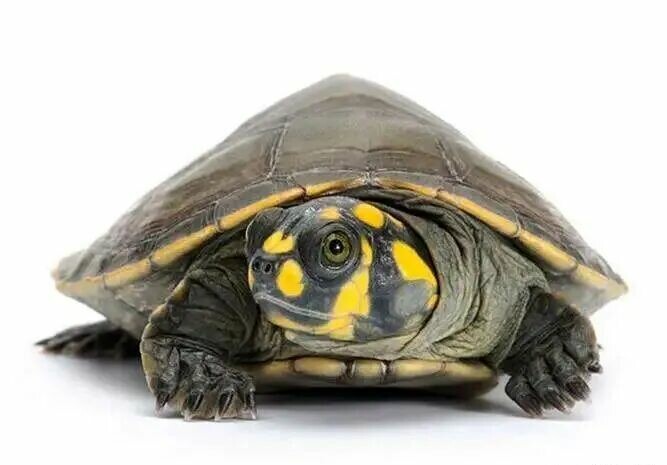
- Tropical turtles (referring to turtle species adapted to warmer water temperatures, such as the Yellow-spotted river turtle and the Red-bellied short-necked turtle): a temperature of 28-30°C is recommended.
Note: When using a heating rod (a device for maintaining water temperature), you must calibrate it with a water thermometer to avoid excessive temperature fluctuations!
Further Conditioning Methods
If there is still no improvement after 3 days of fasting + constant temperature, you can try gentle conditioning:
- Bile acid (a substance that aids in fat digestion and promotes bile secretion and detoxification): Helps with digestion, promotes bile secretion, and detoxification.
- Compound Bifidobacterium preparation (a composite probiotic formula for regulating gut flora): Regulates intestinal flora.
- Mamiai (a children’s probiotic preparation): Dilute an appropriate amount in water for the turtle to soak in, to help improve gastrointestinal function.
Summary
To sum up: A turtle suddenly refusing to eat or drink ≠ the end of the world! However, it is not good news, especially during the critical autumn-to-winter transition period when temperatures are continuously dropping, which is unfavorable for the turtle’s recovery.
First, stop feeding ➕ assess the temperature ➕ maintain a constant temperature if necessary ➕ follow up with gentle conditioning.
Be sure to avoid medicating blindly, force-feeding, and frequent water changes!
Original article by 搬运工, if reproduced, please cite the source: https://www.kaipet.com/en/autumn-turtle-anorexia-lethargy-suspected-indigestion-intestinal-obstruction-heres-handle-correctly




Comments(2)
Excellent advice! I’m wondering, for prevention, what specific low-protein diet changes do you recommend as autumn approaches?
@CriticX:Thank you for your feedback! The post emphasizes avoiding excessive protein. For specific low-protein diet recommendations as autumn approaches, we advise consulting a veterinarian or exploring our other comprehensive articles on turtle nutrition. We appreciate your engagement!