

Today, let’s take stock of the most difficult turtles to keep and see how many you recognize. Considering that most “pet turtles” in China currently refer to certain freshwater hard-shelled turtles, we will not be discussing tortoises, soft-shelled turtles, sea turtles, or species with overly demanding keeping conditions or those that are particularly obscure.
Eastern Painted Turtle—A Representative of Mainstream Pet Aquatic Turtles
Many turtle keepers might mention Chinese Pond Turtles or Red-eared Sliders, but these two don’t really make the cut; they’re just well-known. Once a Chinese Pond Turtle gets through its stress period and adapts to the water quality and climate, it generally becomes easier to raise as long as you pay some attention to temperature differences. As an invasive species (referring to non-native organisms introduced to and spreading in a new region), the Red-eared Slider has no natural predators in the wild. As long as you buy a healthy individual and avoid any outrageous mistakes, you can basically keep it alive. The main issue now is that the quality of many Red-eared Sliders on the market is poor, but this is not a problem with the species itself. In terms of keeping difficulty, the Eastern Painted Turtle is the one to beat—temperature differences, stress, water quality, it doesn’t miss any of these basic challenges. Its digestive system is also very fragile, it has a high demand for basking, and you have to be extremely careful about temperature fluctuations. It’s not a situation where everything is fine and settled after overcoming the initial stress; the entire keeping process requires full concentration. Of course, there are quite a few keepers who can raise Eastern Painted Turtles well. Calling them difficult is only relative, otherwise, they wouldn’t be ranked last on this list.
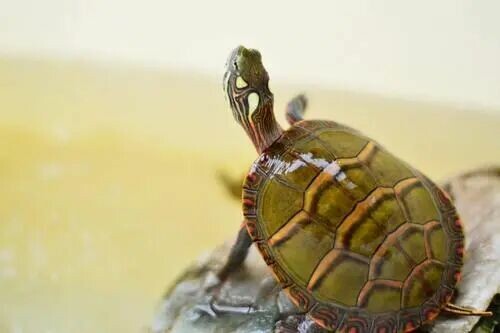
Summary: The “difficulty” of the Eastern Painted Turtle lies in its “low beginner-friendliness,” not that “experts can’t keep it alive.”
Big-headed Turtle—A Representative of Stream Turtles
The main difficulties in keeping the Big-headed Turtle are the high mortality rate of hatchlings and temperature control—it can’t be too cold, and definitely not too hot. If provided with a suitable environment, the difficulty of keeping a Big-headed Turtle gradually decreases (provided the individual is not a “wild-caught turtle,” i.e., captured from the wild). Many Big-headed Turtle keepers share this consensus. Both the fourth and fifth-ranked turtles are types that, while a majority of keepers find them difficult, a significant number also find them easy to keep. However, for the top three, there is an overwhelming consensus on their difficulty.
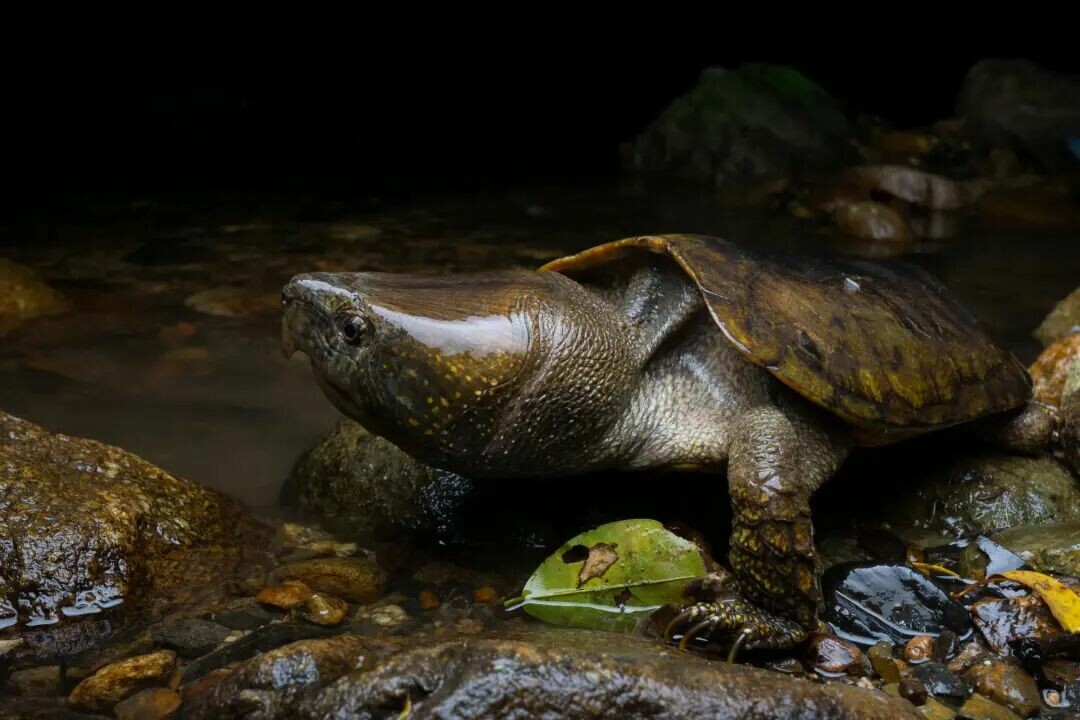
Summary: The “difficulty” of the Big-headed Turtle is “a comprehensive challenge from environment to constitution,” with almost no margin for error for beginners.
Mata Mata—A Difficult-to-Keep Representative of Tropical Side-necked Turtles
The Mata Mata shatters the stereotype that “tropical turtles can be kept well just by providing heat.” It has requirements for the brightness of its environment and the pH of its water. Fortunately, individuals that adapt to captive environments fare much better, but feeding and sudden death issues still need to be overcome. Many Mata Matas won’t eat turtle pellets or dead food, and training them can only be done slowly and isn’t guaranteed to succeed. As for the problem of sudden death, many keepers, including myself, were unaware that the Mata Mata is actually a large aquatic turtle with a carapace that can exceed 40 cm. Keepers easily assume it’s a small turtle because most Mata Matas seen online are juveniles.
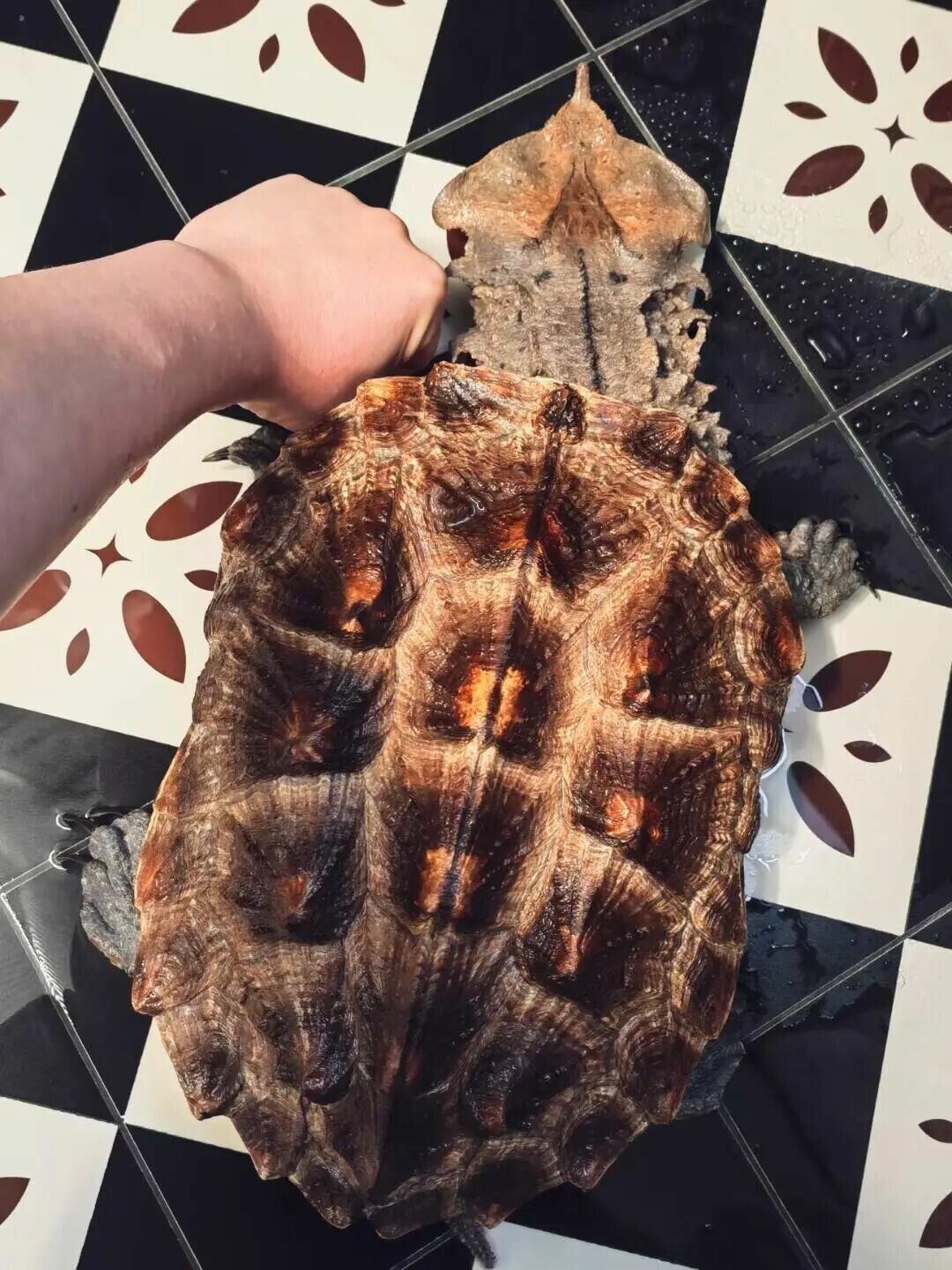
Summary: The “difficulty” of the Mata Mata is “a completely unsolvable puzzle from its survival logic to its constitution.”
Vietnamese Pond Turtle—A Representative of Semi-aquatic Turtles
The environment, setup, and maintenance for semi-aquatic turtles are inherently more troublesome than for aquatic turtles. Furthermore, the semi-aquatic category is rife with “wild-caught turtles,” so this category presents a high degree of difficulty. You wouldn’t dare say you’ve successfully kept one alive until you’ve done it for 3 to 5 years. The Vietnamese Pond Turtle is insectivorous, so feeding requires attentive care. It also has strict requirements for temperature and humidity, being intolerant of cold but not of heat.
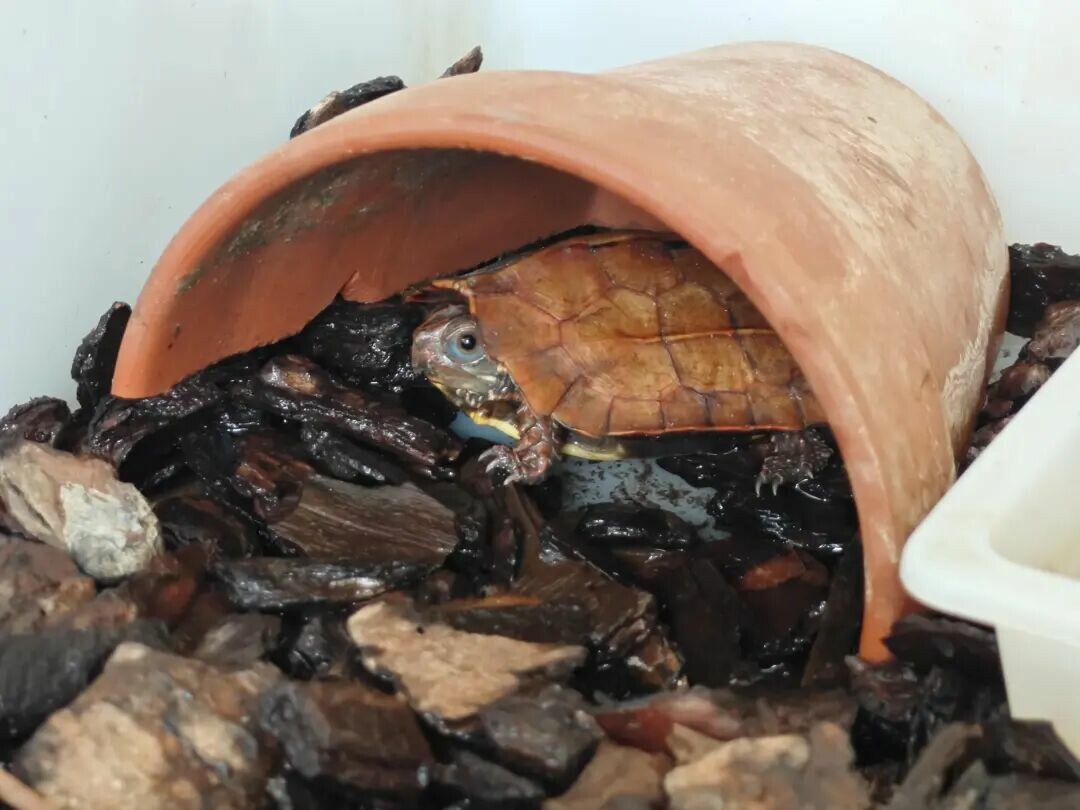
Summary: The “difficulty” of the Vietnamese Pond Turtle is the “ultimate test of being detail-oriented and patient.”
Snail-eating Turtle—The Pinnacle of Difficulty
The Snail-eating Turtle, a formidable species that is prone to problems even when kept in its native region. It’s in a league of its own, with extremely high keeping requirements. Heating is the most basic need; it gets stressed easily, demands high water quality, is a picky eater, and is prone to shell rot, skin rot, and sudden death—it suffers from them all. It was popular for a while the year before last, with promotions claiming, “As long as you’re dedicated, keeping Snail-eating Turtles isn’t hard.” As it turned out, the market has already given the answer.
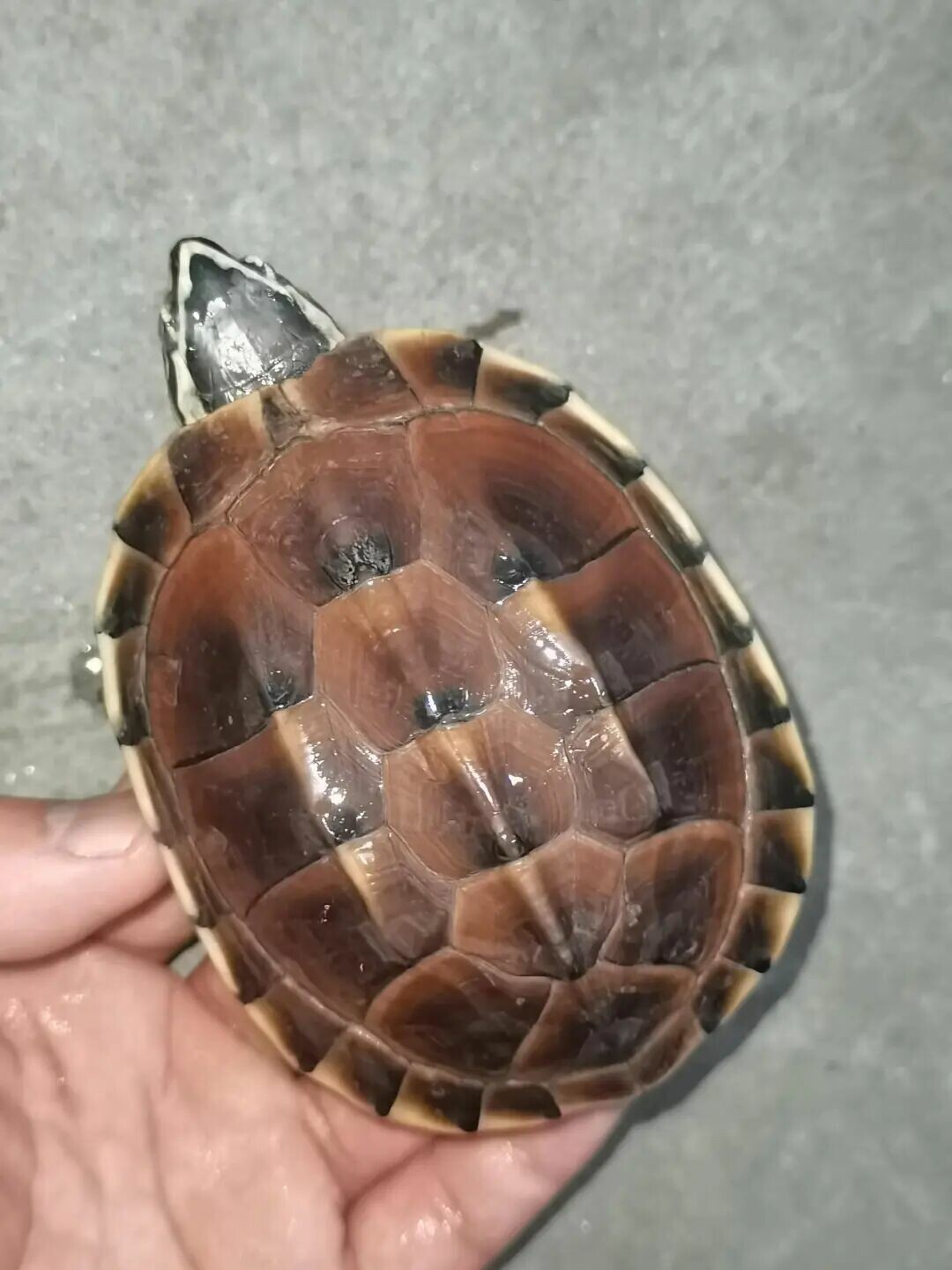
Summary: The “difficulty” of the Snail-eating Turtle is “a deadly trifecta of diet, water quality, and temperature.”
Conclusion
Because turtles are living creatures with many variables, and because the actual situation of each keeper differs, it’s impossible for the feedback on keeping the same species of turtle to be completely identical among different keepers. The above ranking is based on my subjective feelings and is for reference only. Please be respectful if you disagree. If there are other turtles that are very difficult to keep, feel free to discuss and exchange ideas in the comments section.
Original article by 搬运工, if reproduced, please cite the source: https://www.kaipet.com/en/top-5-difficult-turtles-successfully-raise


Comments(2)
Great breakdown! I really relate to the Eastern Painted Turtle’s ‘low beginner-friendliness.’ What’s your top tip for new keepers trying them?
@CriticX:感谢您的认可和提问!东方彩龟对新手确实是个挑战。根据文章的重点,给新手的首要建议是:务必确保水温和环境温度的稳定,避免骤变;同时维持优良水质,并提供充足的晒背区。它们消化系统敏感,稳定的环境是成功的关键。