

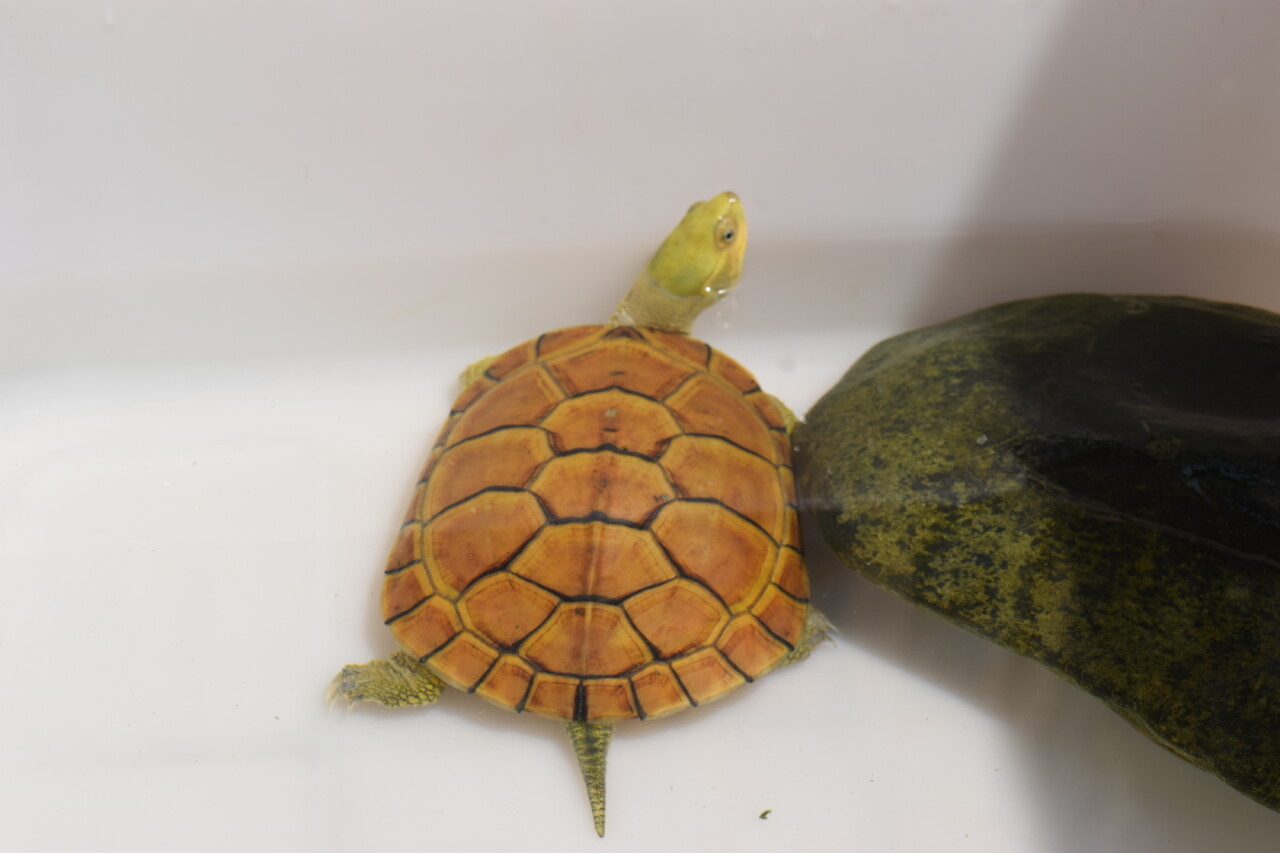
“I bought an Asian Yellow Pond Turtle (a type of freshwater turtle), but it turned out to be too timid. It shrinks back the moment it sees me, completely failing to meet my expectations. I even regret it a bit!”
Recently, a turtle keeper (someone who loves raising turtles) ranted.
Actually, this feeling is completely understandable. Many turtle keepers feel frustrated during the early stages of keeping turtles because the turtles are timid and not affectionate, and they even contemplate giving up. But the editor wants to say: Raising turtles is not something achieved overnight, but a two-way journey of patience.
Are turtles born to meet our expectations? Obviously not; it is completely our own assumptions that harm us.
What Is a Turtle’s Boldness Related To?
What exactly is a turtle’s level of boldness related to?
Individual personality differences. Just like humans, turtles have their own personalities. Some turtles are naturally bold, full of curiosity, and like to explore new environments; others are naturally timid, sensitive, and cautious, retracting into their shells at the slightest disturbance. This difference in personality is normal, just as some people are extroverted and others are introverted—there is no right or wrong.
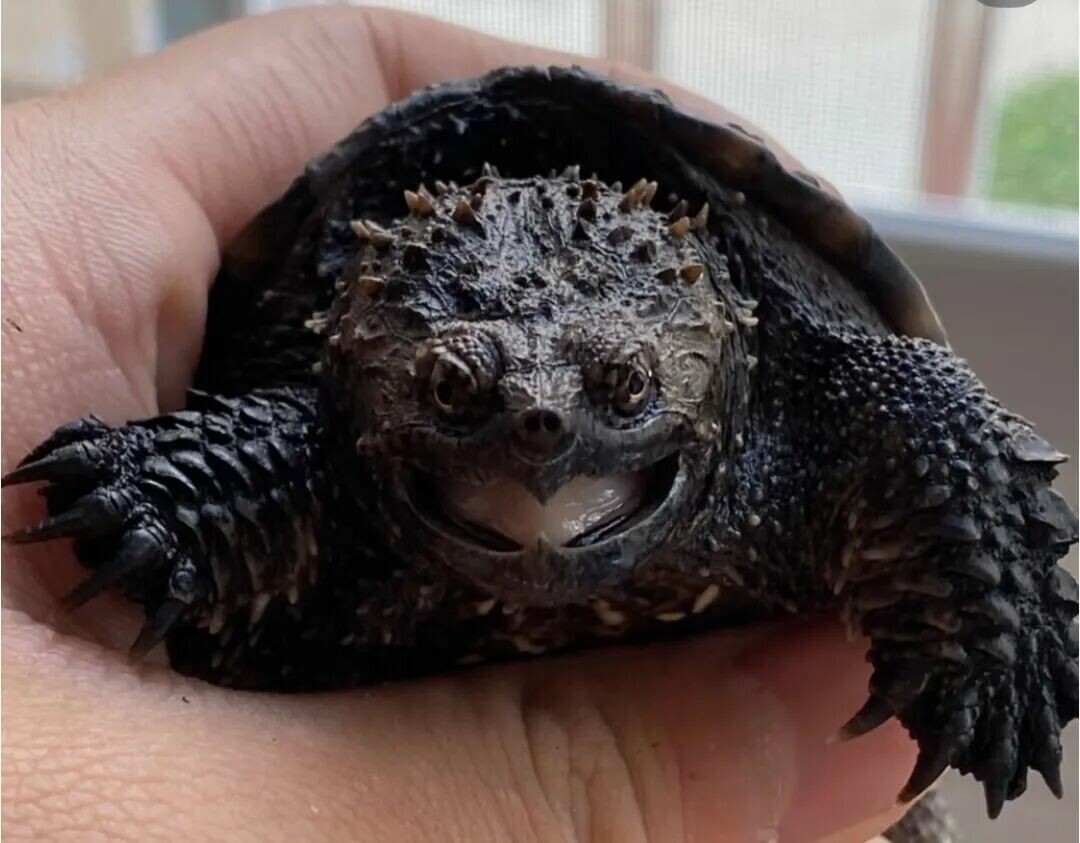
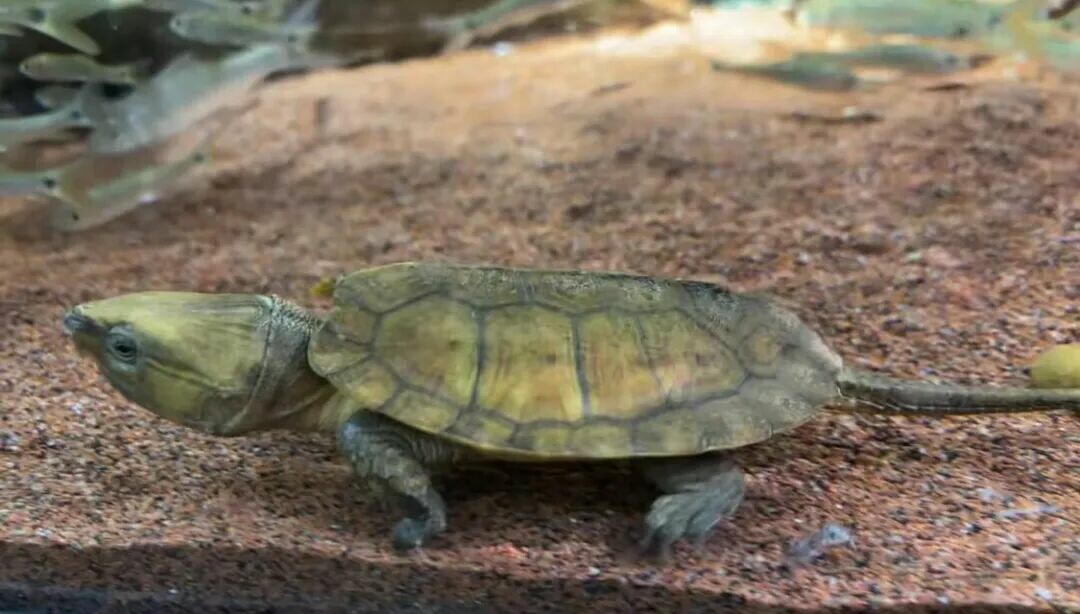
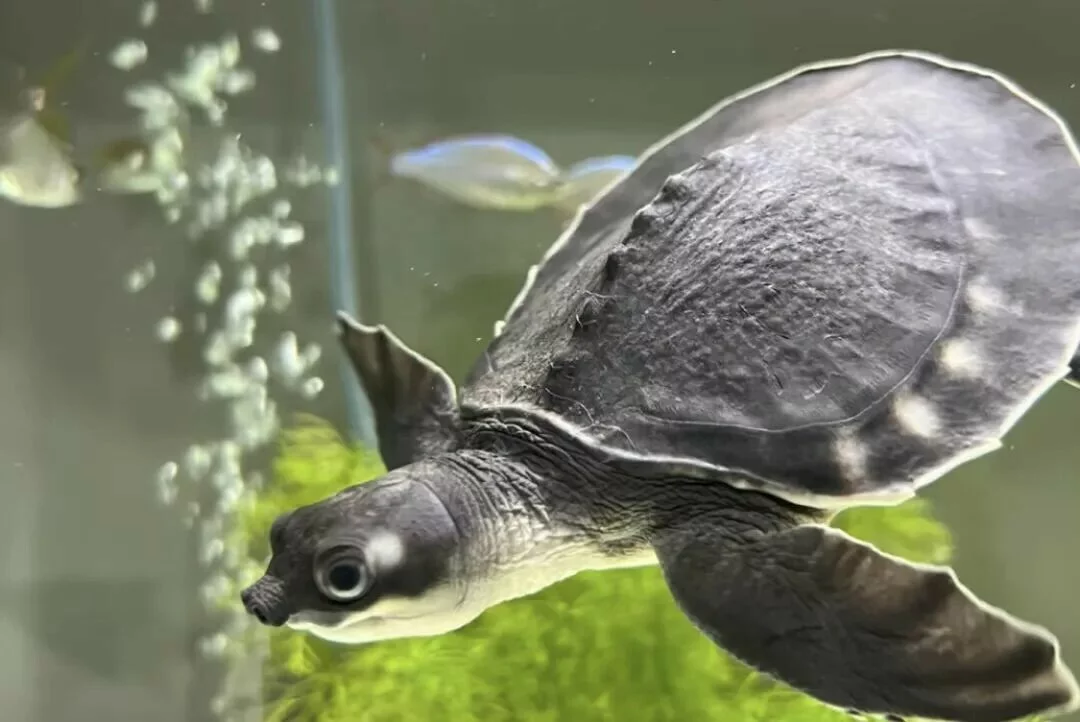
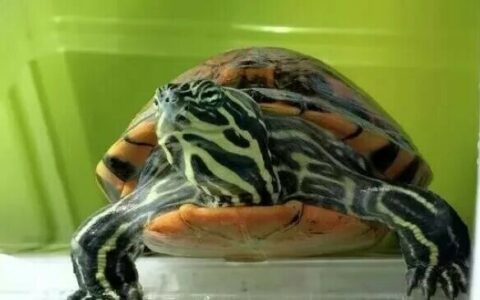
Species characteristics. The boldness of a turtle is also related to its species. For example, Snapping Turtles (a common large, ferocious freshwater turtle) and other generally aggressive species are usually lively and bold; while our Chinese Pond Turtles (a common native freshwater turtle in China), Asian Yellow Pond Turtles, including some “Brazilian-faced” turtles (referring generally to Red-eared Sliders and other turtle species with similar facial features), are relatively timid. This doesn’t mean a certain species is bad, but rather it is due to their natural habits.
When turtles survive in the wild, they need to be extra cautious to avoid predators, and this habit manifests in artificial breeding environments as well.
Environment and experiences. A turtle’s boldness is also related to its living environment and experiences. If a turtle has been frightened or injured, it may become even more timid. Conversely, if a turtle has lived in a quiet, stable environment since it was young, it may adapt more easily to human presence.
How to Make a Timid Turtle Bolder
Give the turtle time to adapt. A newly acquired turtle needs time to adapt to its new environment. Do not rush to interact; let it get familiar with its “home” first. You can set up hiding spots in the tank, such as stones, driftwood (natural landscaping material used in aquariums or tortoise enclosures), or plants, to make the turtle feel safe. Wait until it gradually adapts before trying to interact with it.
More companionship, less disturbance. A turtle’s boldness is closely related to familiarity. You can spend some time every day sitting quietly next to the tank to let the turtle get used to your presence. Do not grab it or disturb it frequently, as this will only make it more nervous.
Use food to build trust. Food is a good helper to bridge the distance between you and the turtle. You can hand-feed it or use tweezers to dangle food in front of the turtle to attract its attention. Slowly, the turtle will associate you with “good food” and gradually let down its guard.
Avoid excessive handling. Some turtle keepers like to hold the turtle in their hands to play with it, thinking this will make the turtle familiar with them faster. In fact, this practice might backfire. Turtles are cold-blooded animals; their body temperature and tactile sensation are different from humans, and frequent handling will cause them discomfort and stress. Instead of handling, it is better to let the turtle interact with you in a natural state.
Raising turtles is not a quick fix, but a process requiring time and patience. A turtle’s timidity is not its fault, but its nature. As turtle keepers, we need to respect the turtle’s habits and give it enough space and time to adapt. If you feel frustrated because of the turtle’s timidity and even want to give it up, then you must ask yourself: Am I really suitable for raising turtles?
The meaning of raising turtles lies not in whether the turtle meets your ideals, but in whether you can accompany it as it grows and witness its transformation from timid to bold. This process may be slow, but when you see the turtle gradually trusting you and even actively approaching you, that sense of accomplishment is unparalleled.
Raising turtles is not only a hobby but also a responsibility. A turtle’s life can be very long; some can even accompany you for decades. If you abandon it because of a momentary frustration, this is not only irresponsible to the turtle but also a betrayal of your original intent.
Raising turtles is like cultivating the mind; when the mind is calm, the turtle will be at peace. Don’t you agree? If you have anything to say at this moment, you can leave a comment below.
Original article by 搬运工, if reproduced, please cite the source: https://www.kaipet.com/en/asian-yellow-pond-turtles-interactive-teaching-make-turtle-bolder




Comments(1)
Great points! What unique routines or specific tank setups have you used that genuinely helped your Asian Yellow Pond Turtle become bolder?