

The 1st step in turtle keeping often involves the dilemma of “what kind of home to create for my turtle.” Bare tanks, ecological tanks, and filtered tanks—these 3 setups each have their own pros and cons. Today, we’ll take a detailed look at the advantages and disadvantages of these 3 types of turtle tanks.
Bare Tank
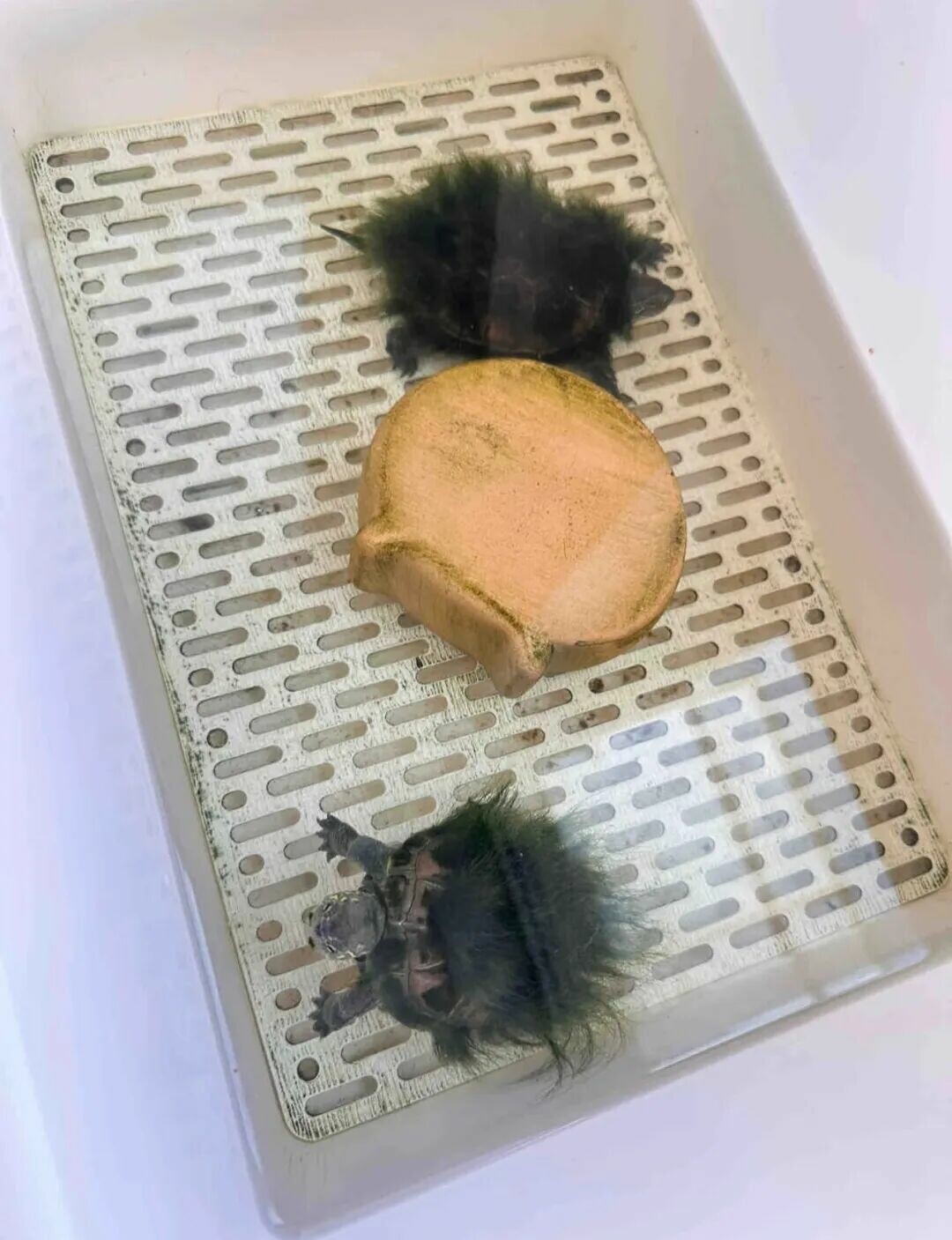
The bare tank has a distinct characteristic: a crystal-clear container with nothing but the turtle and water, much like a modern minimalist living space. Visually, it’s clean and uncluttered.
Advantages
For enthusiasts who love observing their turtles, a bare tank allows you to see the turtle’s condition at a glance—whether it has shell rot (a type of shell disease typically caused by bacterial infection) or if its droppings are healthy. Every detail is in plain sight. Without complex aquascaping to hide dirt and grime, any mess is also immediately visible, which compels you to develop a good habit of regular water changes. Interaction with the turtle also becomes more direct.
Considerations
This setup truly tests your diligence. It might be manageable with just a few turtles, but if the population density is high and you tend to be lazy, the unforgettable experience of not changing the water for a week is something you’ll only understand once you’ve tried it. It is recommended to choose a tank that is at least 40cm in length to ensure water stability and provide enough space for the turtle to move around.
Best Suited For
Complete beginners (newcomers with little experience) and diligent turtle enthusiasts who are on a tight budget but have strong hands-on skills.
Ecological Tank
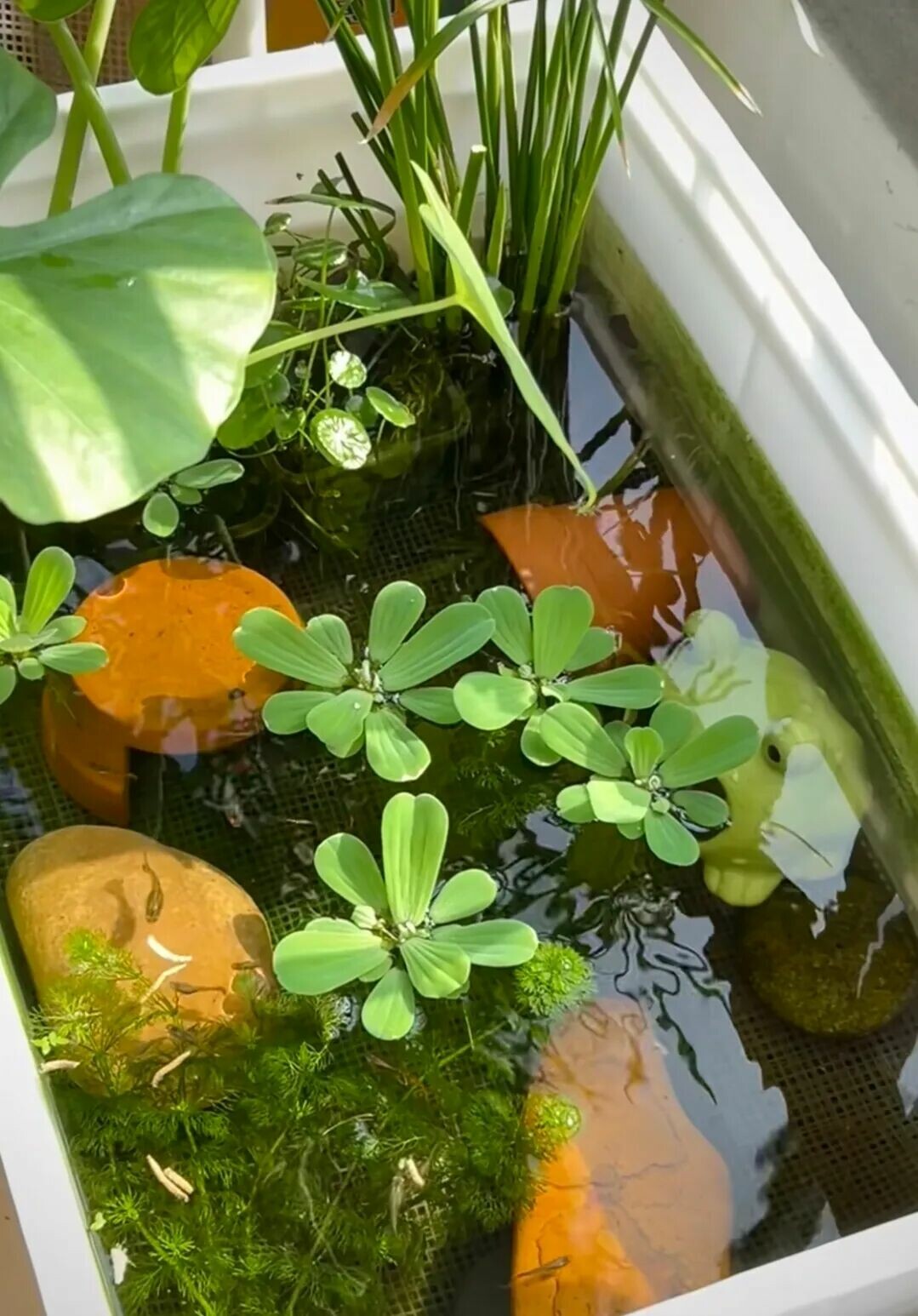
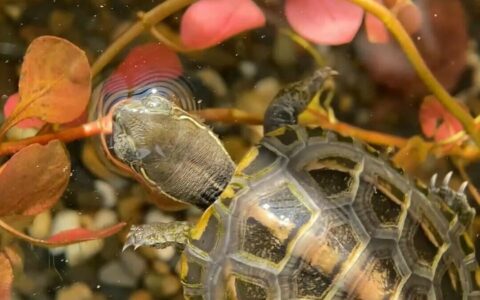
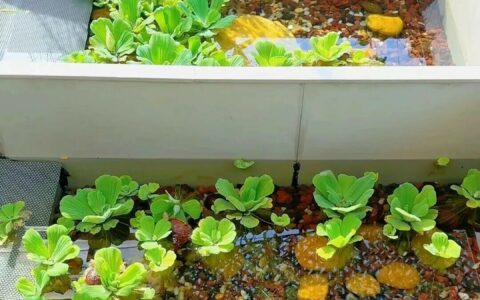
The ecological tank is characterized by its wild, natural charm: lush aquatic plants, with small fish and shrimp darting through them, while the turtle patrols the greenery, occasionally nibbling on some plants. The entire tank functions as a self-sufficient micro-ecosystem.
Advantages
Aquatic plants absorb the turtle’s waste products as nutrients, which also helps purify the water. A ‘cleaner crew'(organisms that help clean or maintain the ecosystem’s balance), such as Neocaridina shrimp and apple snails, will actively clear away algae and leftover food. Your role shifts from a ‘janitor’ in a bare tank to a ‘guardian of nature.’ Usually, you only need to top off evaporated water, saving both effort and electricity. The aesthetics are top-notch (a popular term for being visually stunning), making it incredibly beautiful. Any casual photo can look like a professional aquarium shot, and it serves as a living landscape in your home.
Considerations
Plant growth requires the support of sunlight, and the size of the container directly determines the number of turtles you can keep—it’s only suitable for a small number of turtles or small-sized turtles. If the density gets too high, the water quality can easily crash. Moreover, the amount of work involved in a full tank overhaul (completely redoing the setup) can be overwhelming.
Best Suited For
Laid-back keepers (those who prefer a natural, low-intervention approach), artistic enthusiasts, and aquascaping hobbyists obsessed with natural aesthetics.
Filtered Tank
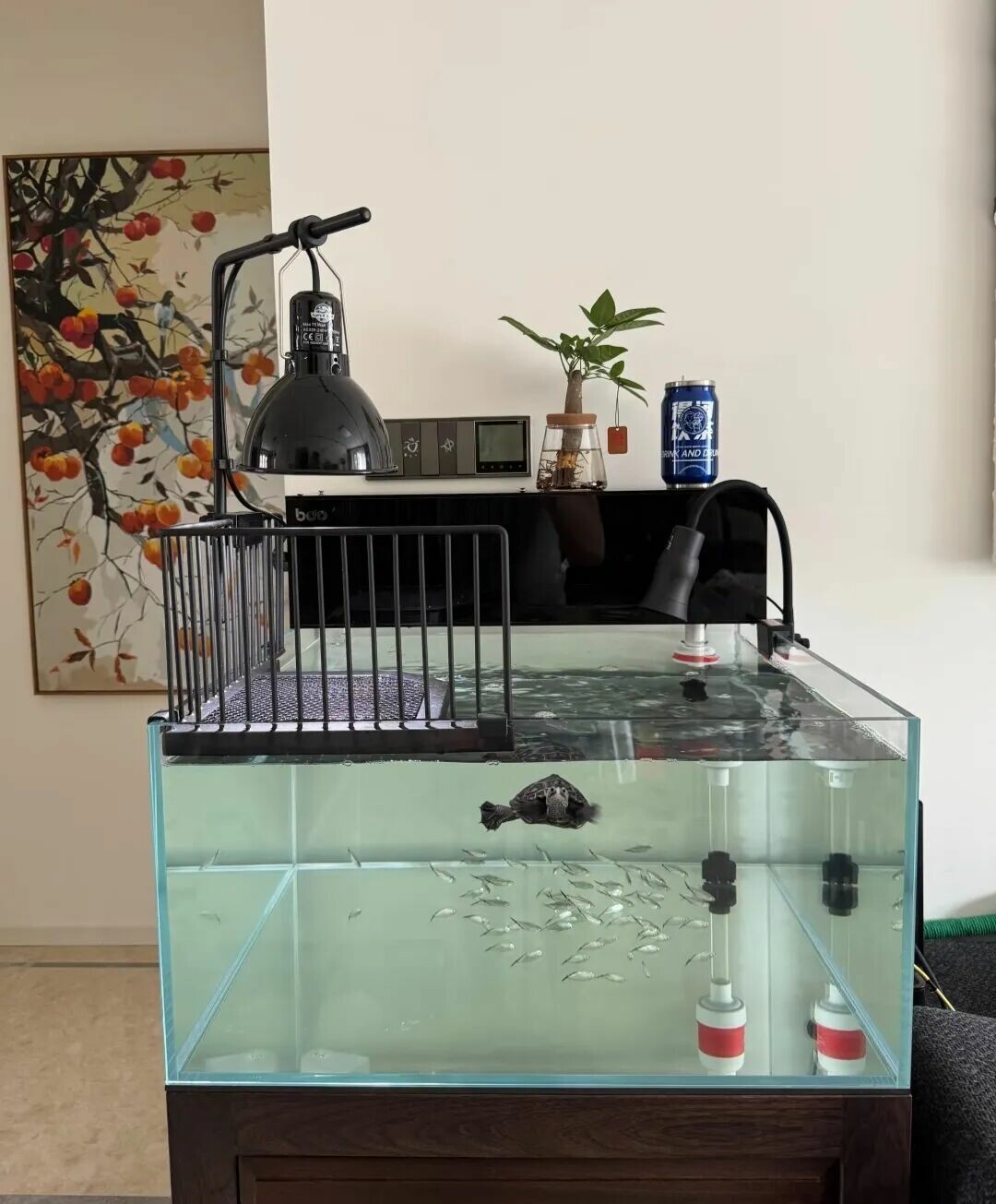
The filtered tank’s main feature is being low-maintenance: no matter how much the turtles eat and excrete, the water remains clean. Behind the scenes, a filter runs 24/7, specializing in providing a hassle-free and stable environment.
Advantages
A powerful filtration system takes on the ‘drudgery’ of water quality maintenance. You don’t need to perform frequent water changes, and you can provide your turtle with a larger volume of more stable water. With stable water quality, the probability of turtles developing conditions like white eye disease (an eye infection) or skin rot (a skin or shell infection) is significantly reduced. Maintenance is very easy, making it suitable for modern individuals who don’t have time to fuss over their tank daily.
Considerations
The initial investment is relatively high, as you need to purchase filtration equipment, and there are ongoing electricity costs. The wattage of the water pump must match the size of the container; if the flow is too strong, it can stress the turtle, but if it’s too weak, it won’t be effective at filtration.
Best Suited For
Busy individuals and keepers who prioritize stable water quality, especially suitable for larger turtle species that produce a lot of waste or for high-density stocking setups.
There is no single ‘best’ option, only the one that is most suitable for you. There is no one-size-fits-all answer. The minimalism of a bare tank, the natural charm of an ecological tank, and the technology of a filtered tank each have their own unique appeal. The key is to find the choice that best fits your current needs—your budget, time, and aesthetic preferences are all important factors in your decision. But regardless of which you choose, as long as you provide love and care, your turtles will grow up healthy under your dedicated attention.
Original article by 搬运工, if reproduced, please cite the source: https://www.kaipet.com/en/choosing-turtle-habitat-deep-dive-pros-cons-bare-ecological-filtered-setups



Comments(2)
Brilliant breakdown! Filtered tank owners, what’s your best tip for balancing effective filtration with electricity costs?
@CriticX:Thanks for the insightful question, CriticX! It’s definitely a key consideration for filtered tank setups. We encourage other owners to share their best tips for managing filtration effectiveness and electricity costs. Your input helps our community!