

Have you noticed that your new turtle, after being home for over a week, seems consistently “listless” (a term for being sluggish and lacking energy)? You might think it’s sick, but that’s often not the case. It’s usually a result of not yet understanding the turtle’s proper husbandry needs.
By considering its daily care routine, you can gain a comprehensive understanding of your turtle’s habits, focusing on aspects like lighting, diet, water temperature, and hibernation. Let’s make sure you get it right.
Understanding a Turtle’s Husbandry Needs
Lighting
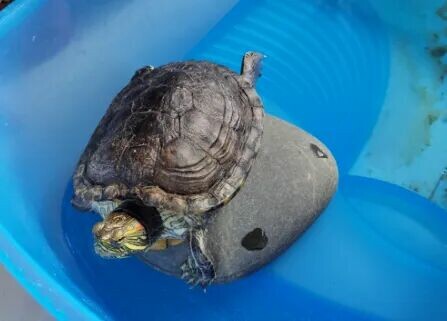
Sunlight is essential for all living things, including animals, plants, and humans. For a small turtle, it is recommended to provide 1-2 hours of sun exposure daily. If natural sunlight isn’t an option, you must set up a UVB lamp (Ultraviolet B lamp). Otherwise, they are highly susceptible to developing “soft shell disease” (a condition where the turtle’s shell becomes soft).
Diet
Different turtle species have significantly different dietary preferences. Here’s a list for some common types:
Red-eared Slider: A true “omnivorous champion,” this species enjoys both meat and plants. A mixed diet of small fish, shrimp, and vegetable leaves is their favorite.
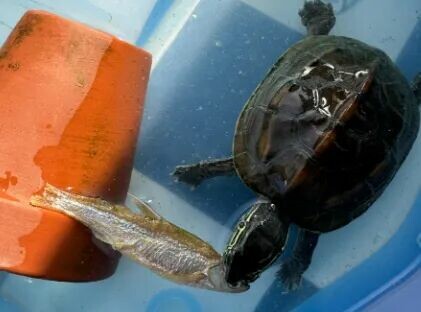
Chinese Pond Turtle: Their diet leans towards being herbivorous. An occasional treat of bloodworms is sufficient for their meat intake. They generally don’t show much interest if offered too much meat.
Snapping Turtle: A “die-hard carnivore,” this turtle loves meaty foods. However, be careful not to overfeed them in a single session to avoid overeating.
Hatchlings: Feed them once a day, and don’t give them too much. Also, adjust the feeding according to seasonal changes.
Adults: Feeding once every 2-3 days is sufficient. Be sure to remove any uneaten food promptly, or the water will become foul and spoil. Especially during the hot summer, you should remove any leftovers 30 minutes after feeding.
Water Temperature
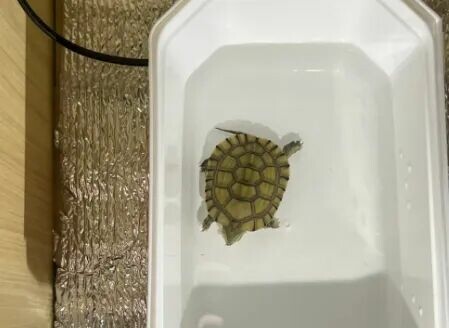
The ideal water temperature for a small turtle is between 25-28°C (77-82.4°F). They become inactive if the temperature drops below 20°C (68°F). During winter, it’s crucial to use a water heater, as very young turtles are not suited for hibernation and can be harmed by the cold. When changing the water, never replace all of it at once. Additionally, the temperature difference between the new and old water should not exceed 3°C (5.4°F), as sudden changes can easily cause them to catch a cold.
Hibernation
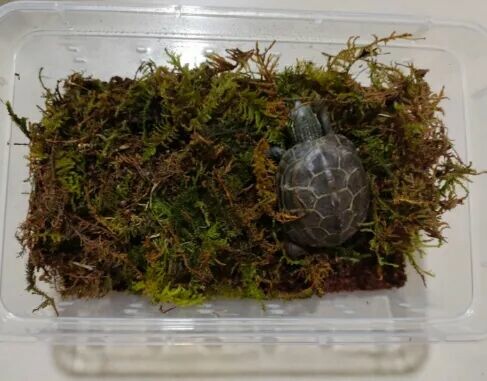
When the ambient temperature drops below 15°C (59°F), turtles begin to prepare for hibernation. It’s recommended to provide a medium like damp moss or coconut fiber substrate for them to burrow into, and be sure not to disturb them. For hatchlings and turtles with weaker constitutions, it’s advised to use a heater to help them through the winter, as they may not be strong enough to survive hibernation otherwise.
Conclusion
If you find that your new turtle has been “listless” for a while, don’t panic. It isn’t necessarily sick. It’s more likely that its living conditions or husbandry habits are incorrect. You can try making adjustments based on the points mentioned above.
Original article by 搬运工, if reproduced, please cite the source: https://www.kaipet.com/en/turtle-listless-master-4-key-husbandry-habits-easily-raise-healthy-turtle



Comments(2)
This is really helpful! On hibernation, what are other good substrate options besides moss/coconut fiber? Any personal setup tips for first-timers?
@CriticX:We’re delighted you found the article helpful! Regarding other substrate options for hibernation, many experts also recommend organic topsoil or cypress mulch. For first-timers, ensuring a stable environment and proper diet as discussed are key. Feel free to explore more tips on our site!