

Many turtle keepers (turtle enthusiasts) think turtles love to fight because of living space issues, so they figure that getting an oversized turtle tank will solve the problem of fighting in cohabitation. The result? Even in a 1.8-meter luxury mansion, the turtles still fight tooth and nail! This is no longer just a matter of environment size. The truth behind this is quite shocking.
Why is it that on turtle farms, turtles piled on top of each other don’t fight, yet your mansion has become a battlefield?
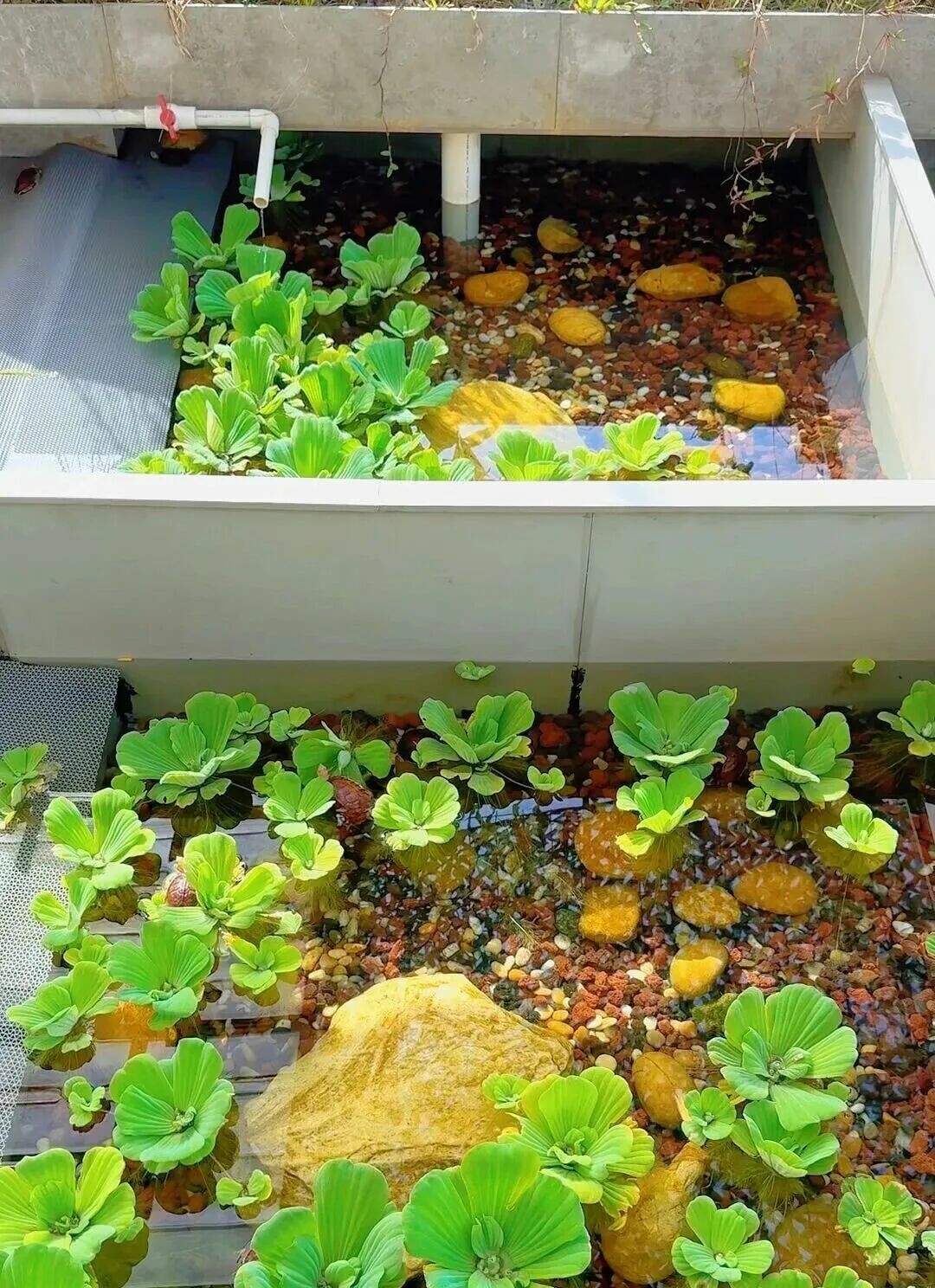
On breeding farms and in live streams, turtles are packed like a rush-hour subway, yet they coexist peacefully. But in your spacious storage container, the turtles engage in an “all-out brawl” (a metaphor for violent conflict). The fundamental reason is: Territoriality! The problem of turtles fighting in cohabitation has always existed. There’s no way to completely avoid it; it’s just a matter of screening.
In a crowded environment, turtles have no mind to divide up territory—everyone is squashed into a “turtle pancake” (a term describing turtles tightly stacked together), so how can they even talk about territory? But in a spacious luxury tank, the resident turtle will righteously think: “This entire kingdom is mine!” When a new turtle enters, it’s an invader. Who else would it fight but the intruder?
Of course, some new turtles are defiant and will still try to seize the resident’s territory, again resolving the conflict with force.
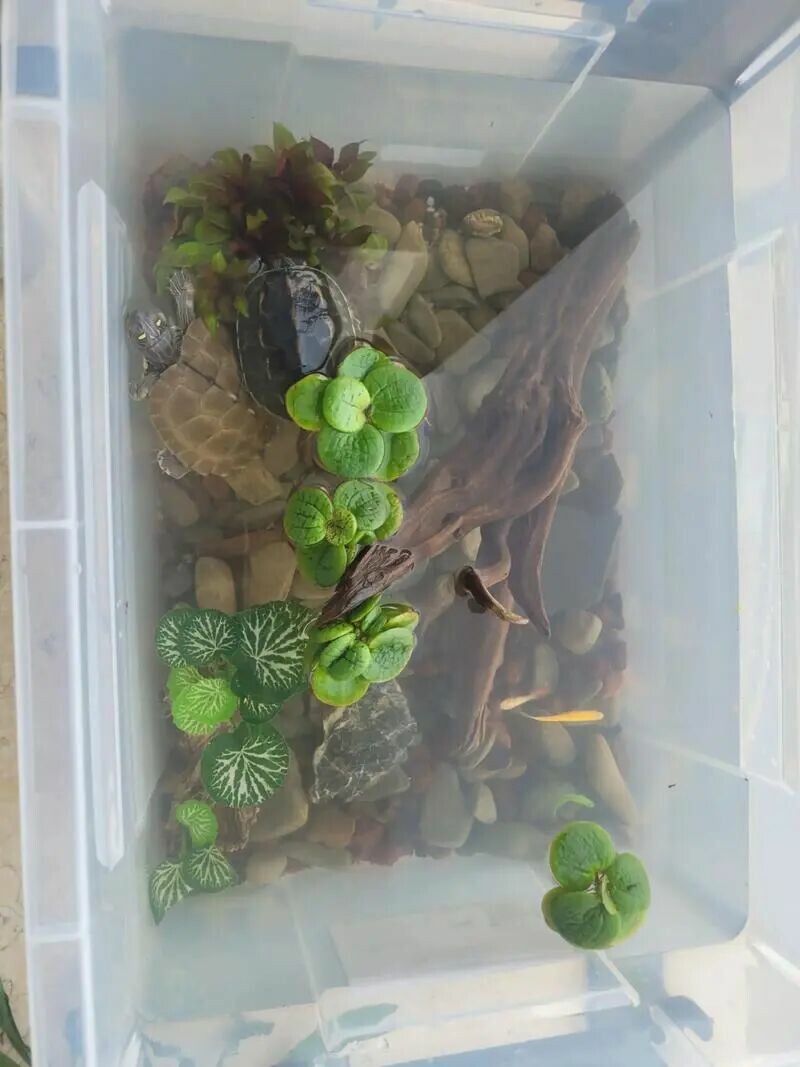
30 Minutes to Decide Their Fate: The “Violent Screening Method” for Cohabitation
Whether cohabitation can succeed is determined in the first 30 minutes. This can screen out most of the aggressive turtles, but don’t expect it to be a once-and-for-all solution in just 30 minutes. Be prepared for long-term observation. Get your isolation box ready and follow this procedure:
Place the new turtle into the tank and watch them like a referee for 30 minutes. If you see any aggressive behavior—chasing and biting, ramming, or even just threateningly opening its mouth—immediately move the “violent individual” (referring to the aggressive turtle) into solitary confinement. Usually, after introducing them for cohabitation, serious conflicts will occur within about 30 minutes.
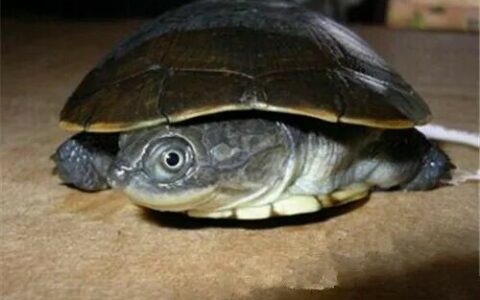
Additionally, be especially wary of these 3 types of “professional killers”:
- Alligator Snapping Turtles (a ferocious turtle species) and Big-headed Turtles (a ferocious turtle species): “Natural-born warriors”;
- Male turtles in mating season: “Grumpy guys with hormones off the charts”;
- Hungry foodie turtles (describing gluttonous or voracious turtles): They see everyone else as turtle food.
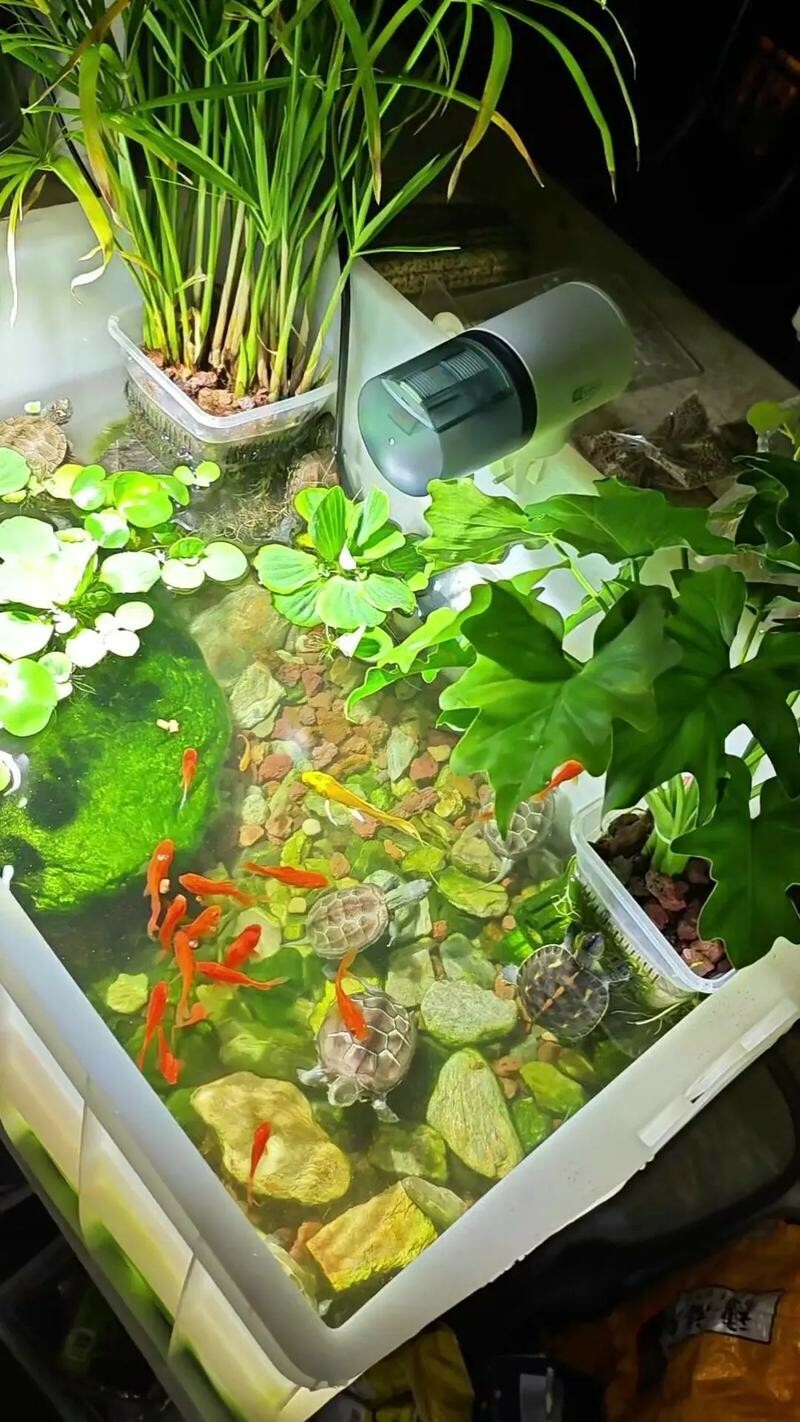
Cohabitation is not a dinner party; it’s the ultimate test of “inter-turtle relations”(the relationships between turtles). Don’t expect turtles to suddenly become polite and courteous—when it’s time to separate them, don’t be soft-hearted. Otherwise, tomorrow you might be wanting to cry but have no tears left over their broken tails and mangled claws (referring to turtles’ injuries from fighting). The bullied party might even die of depression.
To sum it up in one sentence: Successful cohabitation = The right turtles + The right timing + The ruthlessness to isolate decisively. Your observation and decisiveness are the only guarantee for the turtles’peaceful coexistence. If you manage to have turtles that coexist peacefully, cherish them. Don’t be quick to find new companions for them, as harmonious living is already a rare feat.
Original article by 搬运工, if reproduced, please cite the source: https://www.kaipet.com/en/turtles-fight-cohabitation-tank-size-territory-30-minute-violent-screening-method




Comments(2)
I’ve always struggled with cohabitation! The ‘territoriality’ angle is eye-opening. What if a turtle becomes aggressive *after* the initial 30 mins?
@CriticX:Thanks for sharing your experience! We’re glad the territoriality insight helps. While the 30-minute screen is crucial, aggression can develop later. Continuous, long-term observation is vital, and isolating aggressive individuals decisively remains the best course of action.