

Beginner turtle keepers, don’t just follow the trend! Avoid the “Three Street-Stall Greats” (a common nickname for species like the Red-eared Slider, Chinese Pond Turtle, and Chinese Stripe-necked Turtle, which are common and inexpensive in the market but can be difficult for beginners to raise). Red-eared Sliders, Chinese Pond Turtles, and Chinese Stripe-necked Turtles may seem cheap but are actually difficult to care for. They are prone to white eye disease (a common turtle eye ailment), skin rot (an ulcerative skin disease in turtles), and colds, causing endless headaches for beginners.
Here are 4 turtle species truly suitable for beginners—they are “hardy,” easy to raise, not delicate, and have a great appetite!
Miniature and Cute: Common Musk Turtle
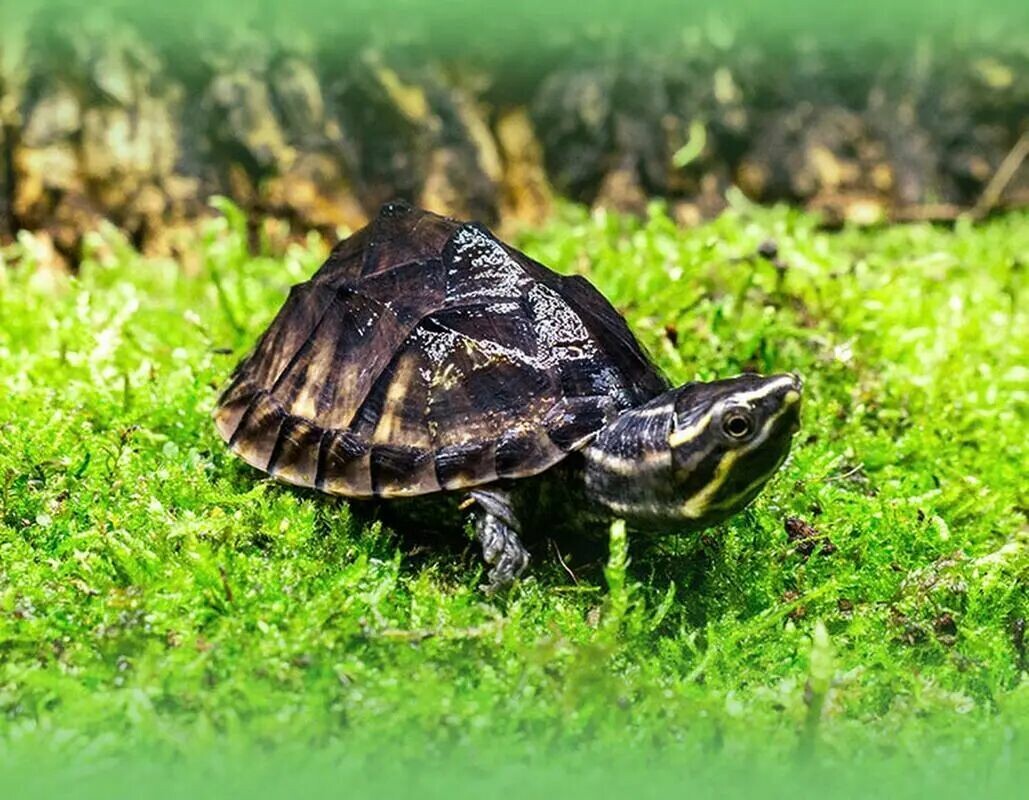
The Common Musk Turtle (a small aquatic turtle named for its ability to release a musky scent) is small and cute, with adults reaching a maximum size of 13cm. They can be kept in a fish tank.
They are highly interactive, not afraid of people, and eagerly chase food.
They are fast swimmers and “little experts” at catching fish.
Omnivorous and not picky eaters; a diet of turtle pellets supplemented with small fish and shrimp is sufficient.
Growth and Achievement Type: Flame Turtle
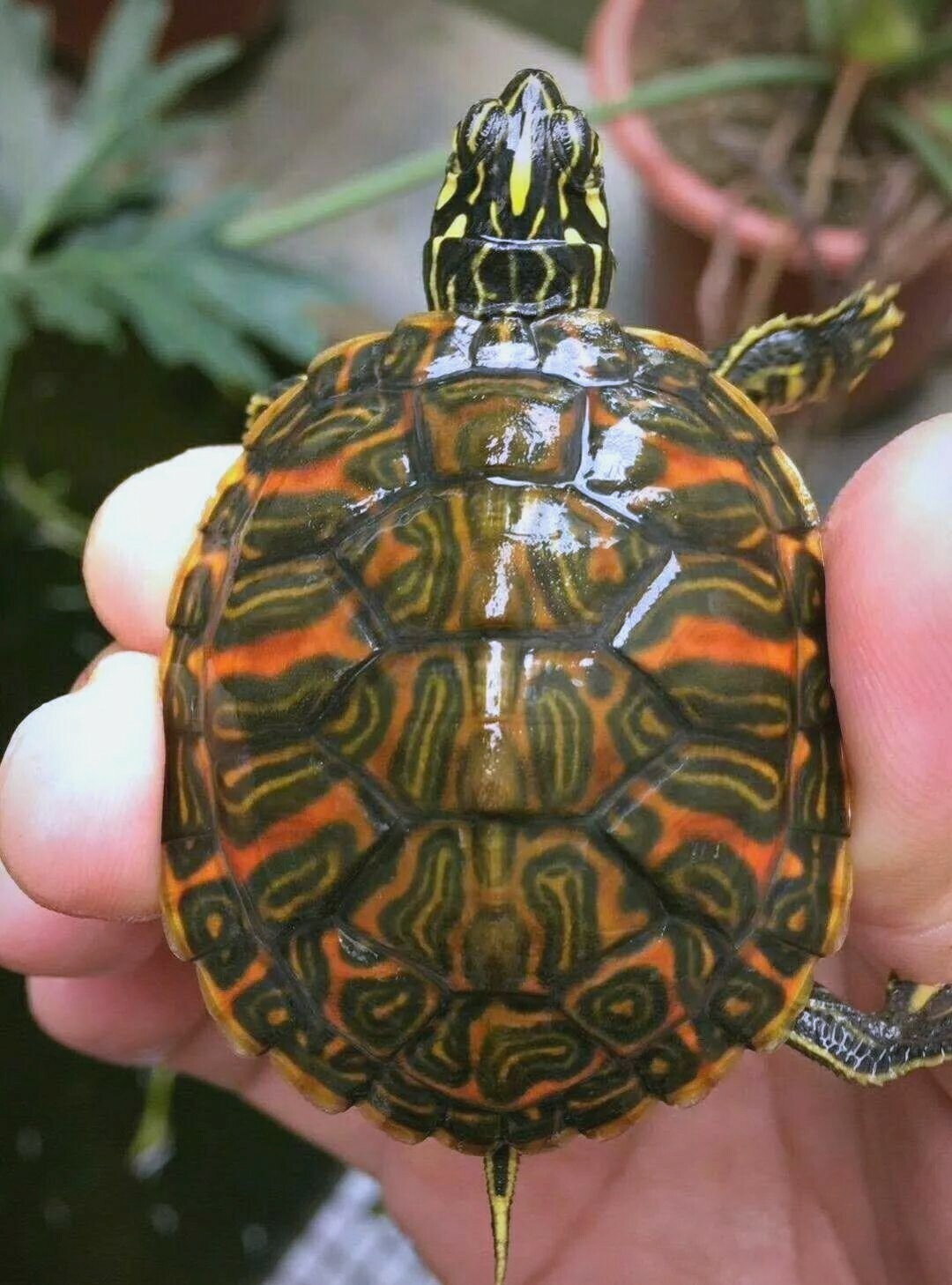
The Flame Turtle (also known as the Painted Turtle, a freshwater turtle native to North America known for its vibrant plastron color) is extremely interactive, recognizes its owner, and is not afraid of people.
They are “hardy” and not prone to illness, providing a good ownership experience.
Their diet is varied; as adults, they enjoy eating vegetables and fruits.
Their colors change and vary, making the raising process full of surprises.
Disease-Resistant and Hardy Type: Hua Cao Za (Hybrid)
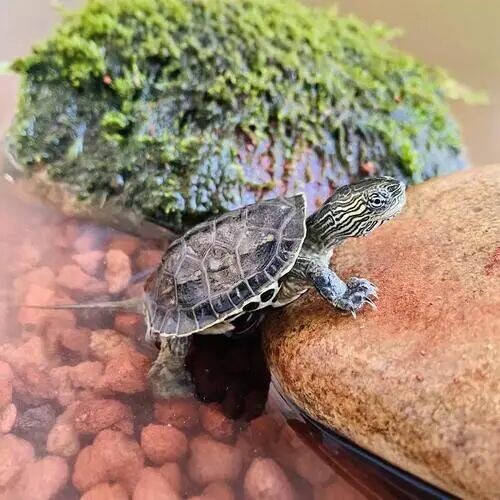
The Hua Cao Za (a hybrid of the Chinese Stripe-necked Turtle and the Chinese Pond Turtle) is a hybrid species of the Chinese Stripe-necked Turtle and the Chinese Pond Turtle.
This hybrid inherits the advantages of its parents and has strong disease resistance.
They have a fast growth rate and grow larger than Chinese Pond Turtles.
Highly adaptable to their environment and rarely get sick.
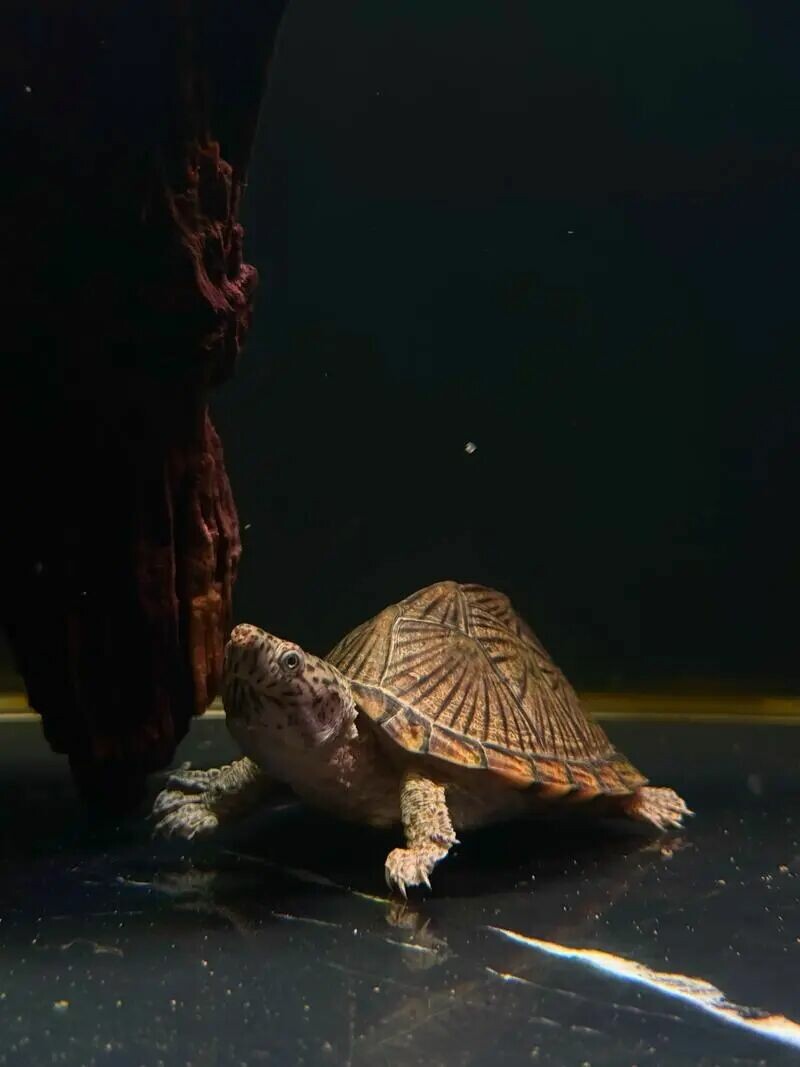
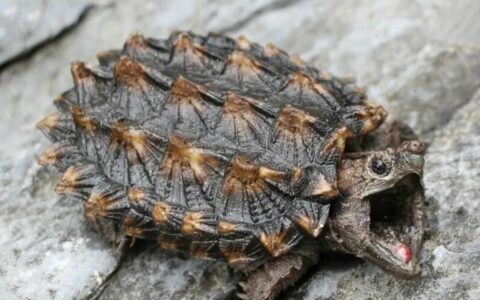
Unique Appearance Type: Razor-backed Musk Turtle
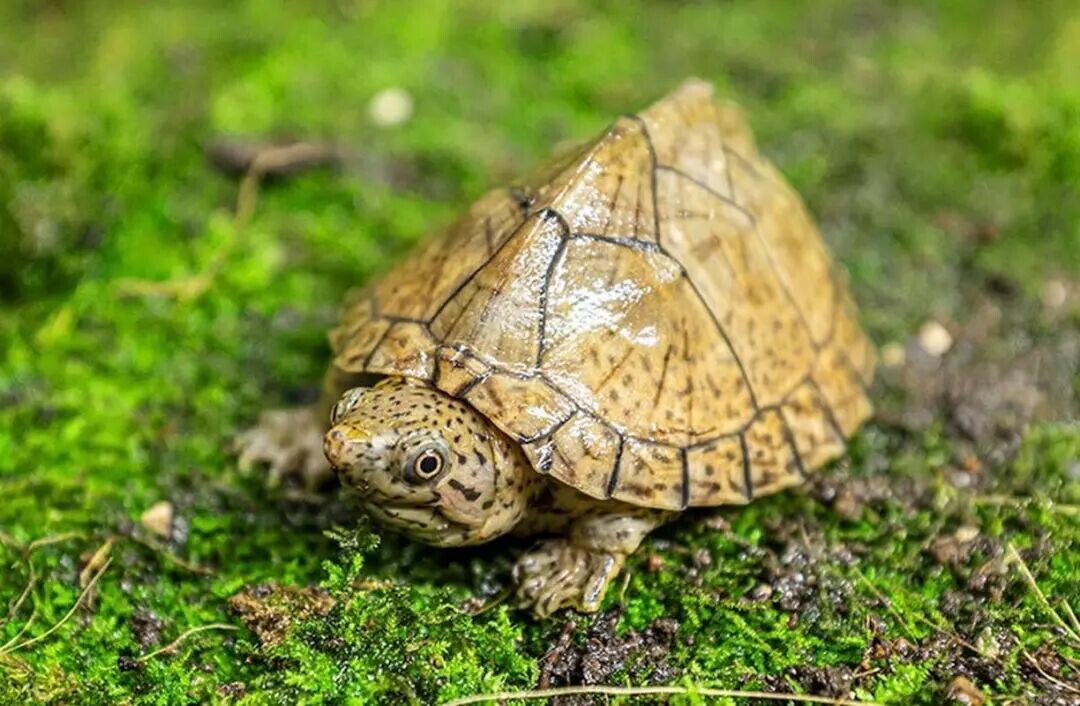
The Razor-backed Musk Turtle (a species in the musk turtle genus with a high-domed carapace) has a carapace that is high-domed like a “small mountain,” giving it a unique appearance.
They are suitable for deep water setups, with a water level 1-2 times their carapace height.
Temperature requirements: Water temperature of 25-30°C (77-86°F).
Their diet is primarily carnivorous. Juveniles should be fed daily, while adults can be fed every other day.
They are relatively timid by nature and require a quiet environment.
Turtle Keeping Tips
These 4 turtle species are all proven to be beginner-friendly. As long as you master the basic care requirements, you can raise them easily. The most important thing in turtle keeping is to choose the right species and avoid the pitfalls of those that seem cheap but are actually difficult to care for!
Original article by 搬运工, if reproduced, please cite the source: https://www.kaipet.com/en/beginner-turtle-keepers-avoid-pitfalls-4-hardy-easy-raise-disease-resistant-turtles-save-worry-money






Comments(2)
I’m really drawn to the Common Musk Turtle’s interactive nature! Can you share more about how they ‘chase food’ or ‘catch fish’?
@CriticX:That’s a great question! Common Musk Turtles are indeed very engaging. They actively hunt small prey, darting quickly to catch fish and shrimp. Their natural hunting instincts make feeding time quite a show!