

Alligator Snapping Turtle (Macrochelys temminckii)
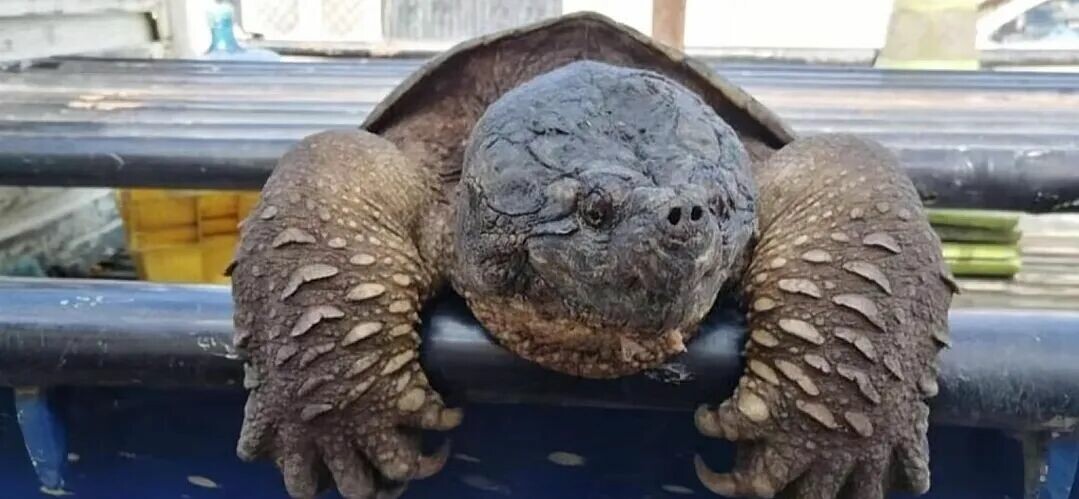
The Alligator Snapping Turtle, also known as the true snapping turtle, is the sole species in the genus *Macrochelys* of the family Chelydridae (Chelydridae: a family in the superfamily Chelydroidea, order Testudines, class Reptilia). It is also one of the largest extant freshwater turtles, a freshwater behemoth with adults reaching weights of 50-80 kg and lengths exceeding 70 cm!
The Alligator Snapping Turtle has a pink, worm-like fleshy appendage on its tongue. It typically lies motionless at the bottom of the water, wiggling its tongue to lure fish and shrimp closer before suddenly snapping its jaws shut, earning it the nickname “fishing turtle.”
Although its bite force is astonishing, it is not prone to active attacks, preferring to lie in wait for its prey. Due to its massive size and slow growth, the Alligator Snapping Turtle is already a protected species in the wild (listed as endangered in some countries and regions). Most individuals on the market are captive-bred, and raising them requires a sufficiently large space.

Common Snapping Turtle (Chelydra serpentina)
The Common Snapping Turtle, also called the small snapping turtle, is the representative of the genus *Chelydra* in the family Chelydridae. It is smaller than the Alligator Snapping Turtle (adult weight typically 15-30 kg) but is more adaptable and widely distributed. It is also the most common snapping turtle species in the pet market. The Common Snapping Turtle is further divided into 4 subspecies, each with different appearances and habits.
North American Snapping Turtle
The most mainstream Common Snapping Turtle, primarily distributed in southeastern North America, it is the most widespread and numerous subspecies. Due to its short growth cycle and fast meat growth rate, it is basically raised as a meat turtle. Large-scale farming has also led to its low price; for just a few dozen RMB, you can own a pet turtle with an imposing look and excellent interactivity, offering a very high cost-performance ratio. It is also very simple to raise, as it can be kept in cold water year-round and has no dependency on sunlight.
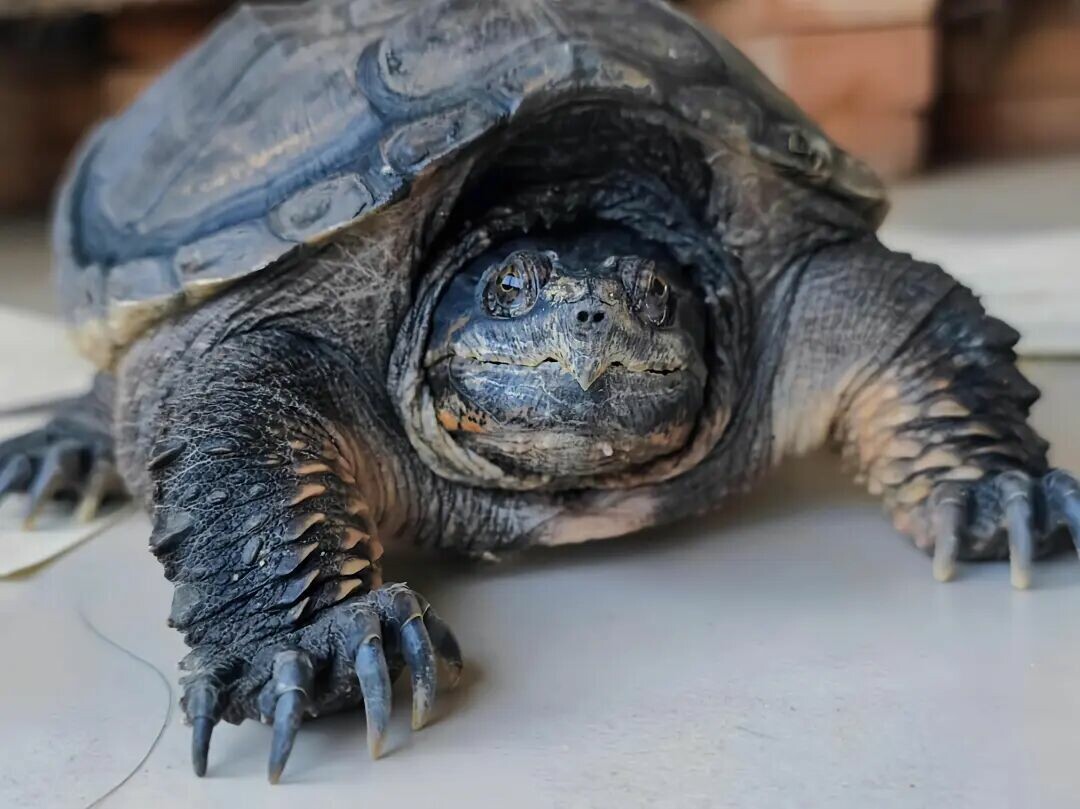
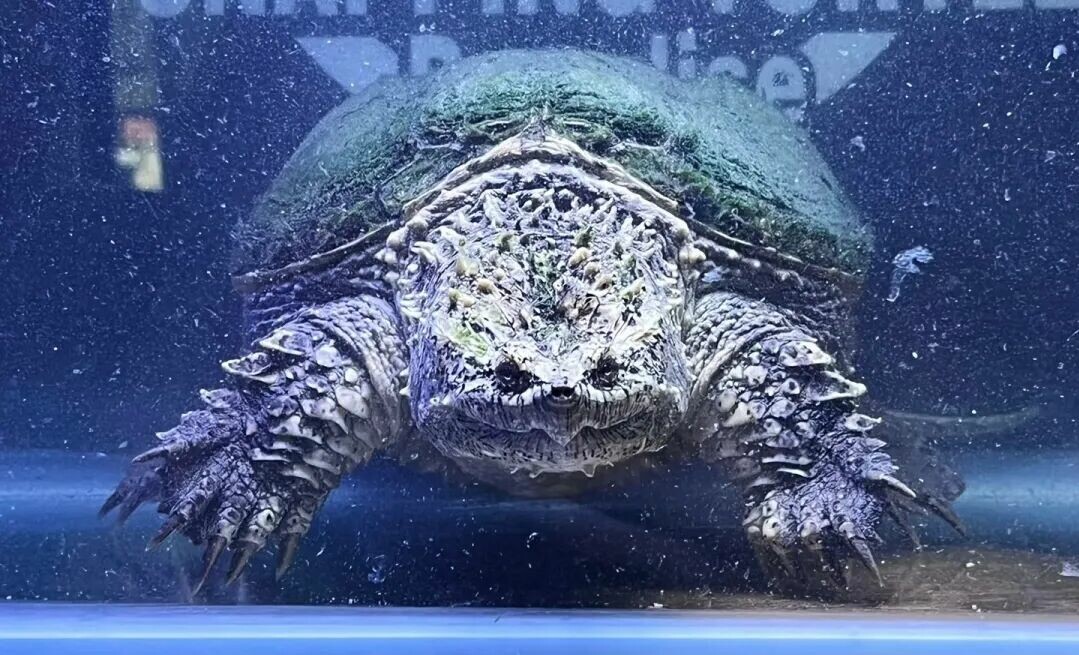
Florida Snapping Turtle
The “Fo E,” native to Florida, USA, is the most well-known and relatively expensive subspecies of the Common Snapping Turtle. Thanks to its imposing appearance, “explosive” head spikes, and fierce temperament, it has become extremely popular in recent years. It is the most commercially valuable of the 4 subspecies and also the one that is “the most complex” (literally “the water is deepest”), because the objective standards for evaluating hybrids vary, their appearances differ, resulting in significant price gaps! The “giant head, egg-like shell” specimen (referring to Florida Snapping Turtles with enormous heads and smooth, egg-like carapaces, considered high-quality) is the ultimate pursuit for many turtle keepers.
South American Snapping Turtle
The most low-profile Common Snapping Turtle, distributed in northern South America (such as Brazil, Argentina, etc.). Currently, they are rare on the market, and they are very difficult to distinguish; no one can guarantee that theirs is a purebred South American. Morphologically, it is very similar to the North American, slightly more aggressive than the North American Snapping Turtle but milder than the Florida Snapping Turtle. It is highly adaptable, with a maximum straight carapace length of 41cm, making it the smallest subspecies in the Common Snapping Turtle family. It was previously considered a subspecies of the North American Snapping Turtle.
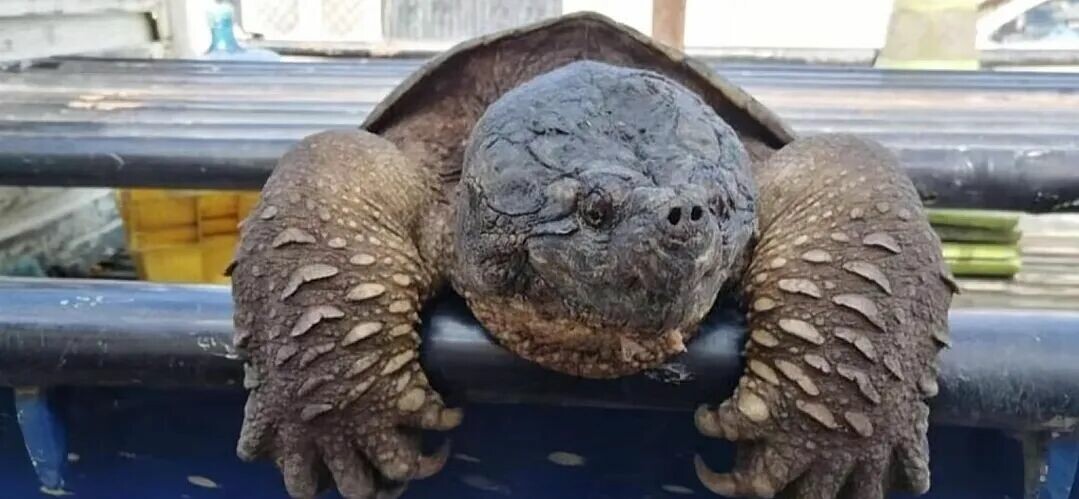
Central American Snapping Turtle
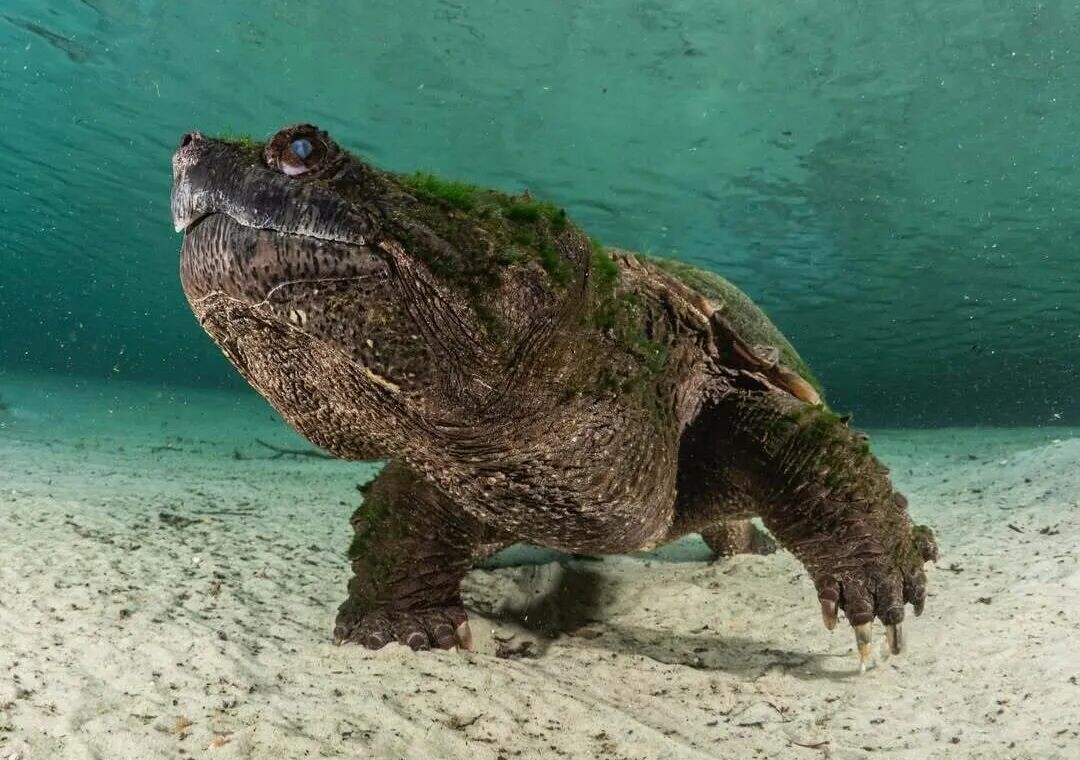
The most niche Common Snapping Turtle, also known as the Mexican Snapping Turtle, primarily inhabits Central America (such as Mexico, Guatemala). It is the rarest subspecies of the Common Snapping Turtle and also the most valuable of the 4 subspecies. The biggest characteristic of the Central American is its 2 thick and long chin barbels. From the hatchling stage, its barbels are more developed than those of other subspecies, and they grow thicker and longer with age. The Central American also has the most developed head spikes among the 4 subspecies, giving it a very imposing look.

2 Core Reminders to Remember Before Raising a Snapping Turtle
Invasive Alien Species, Release is Strictly Prohibited
All snapping turtles are invasive alien species, and their release into the wild is strictly prohibited. They have no natural predators in China’s natural waters. Once released, they will prey on native fish, shrimp, and frogs, and even attack waterfowl and small mammals, severely disrupting the ecological balance. According to the Biosecurity Law, unauthorized abandonment of alien species can result in a fine of 10,000 – 50,000 RMB, and severe cases may even violate Criminal Law.
A “Lifelong Responsibility” Pet
Snapping turtles have extremely long lifespans (Alligator Snapping Turtles can live 60-80 years, and Common Snapping Turtles can live 30-50 years), and as adults, they are large and aggressive. Once you decide to keep one, there are almost no compliant ways to “abandon” it (transferring or reselling requires prior notification of the species’ risks). Novices must first evaluate their own keeping conditions (space, budget, time) before deciding whether to acquire one.
Original article by 搬运工, if reproduced, please cite the source: https://www.kaipet.com/en/analysis-snapping-turtle-species-2-main-types-4-subspecies-risks-raising




Comments(2)
好详细的介绍!南北美洲的亚种差异好大,长知识了。
@CriticX:很高兴您能从这篇关于鳄龟的文章中获益!是的,不同亚种之间确实存在显著的差异,了解这些能帮助您更好地选择和饲养。