

I saw a comment from a turtle enthusiast saying they don’t have the space at home to keep large turtles and suggested a “smallest turtle series.”OK, today we’ll provide a rundown of the various “smallest series” in the turtle world and see who these “small stature champions” are!
The Smallest Musk/Mud Turtle — Vallarta Mud Turtle
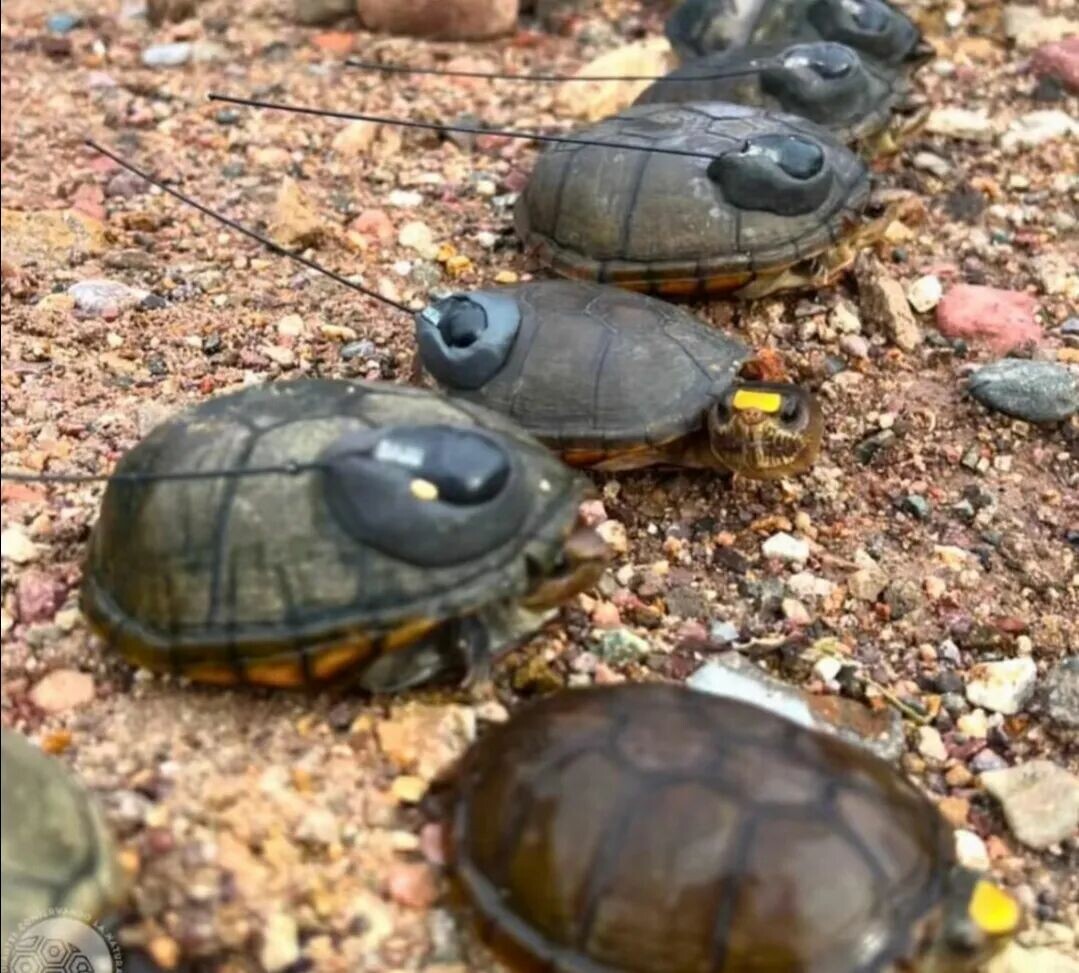
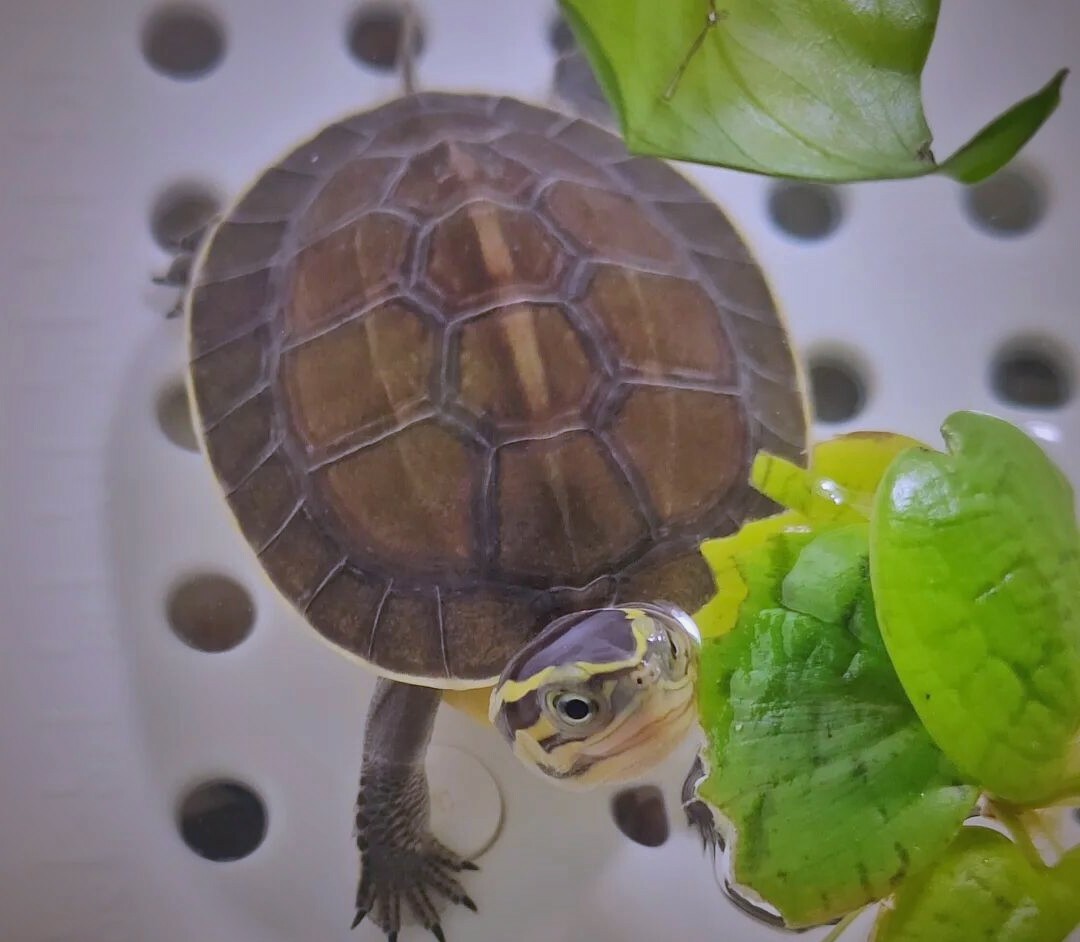
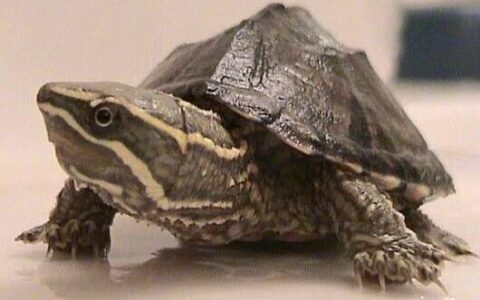
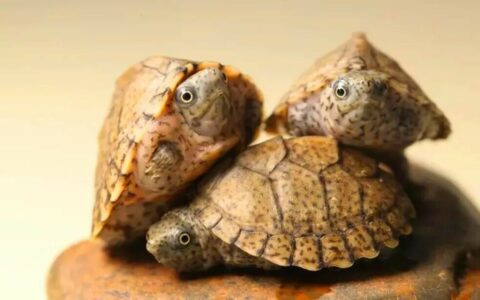
The Vallarta mud turtle has a maximum straight carapace length of only 10.2cm. It has a distinct yellow patch on its nose, which is why it’s also called the Golden-nosed mud turtle. It is a species discovered and named in 2018. The Vallarta mud turtle is extremely rare. This species, endemic to Mexico, is arguably the most endangered turtle species in the entire Western Hemisphere. During the warm season, it likes to come ashore to bask. It is a poor swimmer and often moves along the bottom in a doggy paddle style. It does not hibernate, but it will burrow into moist mud for temporary dormancy during extreme weather. For captive care, winter heating is required, along with a setup providing both land and water areas, supplemented by a UVB (Ultraviolet B) lamp or sunbathing. Due to its extreme rarity, the price for a single hatchling can reach as high as 200,000 RMB, earning it the reputation of being the “pinnacle of the pyramid” among musk/mud turtles.

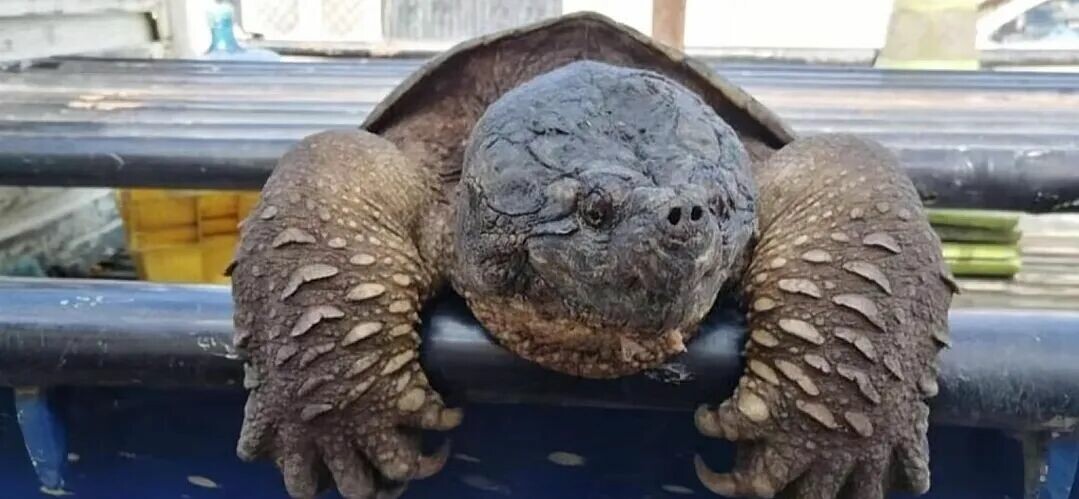
The Smallest Snapping Turtle — South American Snapping Turtle
The most low-profile of the snapping turtles, it is distributed in northern South America (such as Brazil, Argentina, etc.). Currently, there are very few on the market, and they are difficult to distinguish; no one can guarantee that theirs is a purebred South American. Morphologically, it is very similar to the North American snapping turtle. It is slightly more aggressive than the North American snapping turtle but more docile than the Florida snapping turtle. It is highly adaptable, with a maximum straight carapace length of up to 41cm, making it the smallest subspecies in the snapping turtle family. It was previously considered a subspecies of the North American snapping turtle.
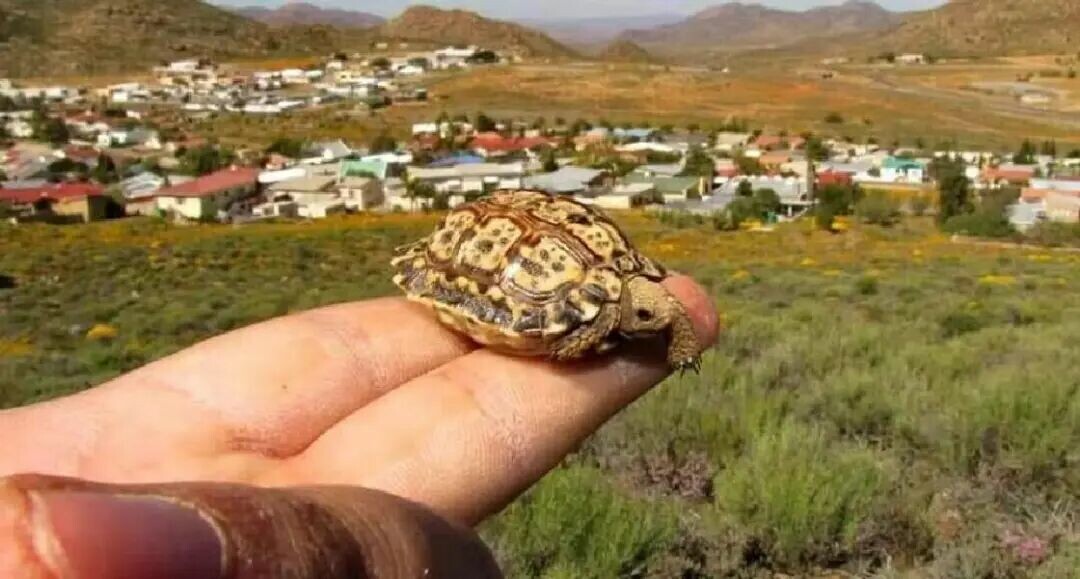
The Smallest Tortoise — Speckled Cape Tortoise
The shell size of the Speckled tortoise ranges from 6 to 8 centimeters, with females being larger than males, reaching up to 10 centimeters. This species is distributed in the Namaqualand region of southwestern Africa. The environment here is dry for most of the year, and the tortoises feed on succulents. The terrain inhabited by the Speckled Cape tortoise is rocky, allowing them to enter crevices to hide from predators.
The Smallest Side-Necked Turtle — Dwarf Side-Necked Turtle
The Dwarf side-necked turtle belongs to the genus *Pelusios* (African side-necked turtles), the same genus as the West African mud turtle, with which we are very familiar. It is mainly distributed in areas of Zambia and Angola near the Congo and Zimbabwe. The Dwarf side-necked turtle’s plastron is flesh-colored with a yellow appearance, and its maximum straight carapace length is only 12.2cm, with males being around 10cm. As a tropical turtle, it requires heating for captive care. It enjoys basking, and its swimming ability is slightly poorer than that of the marsh side-necked turtle. When first introduced to China, the price for a hatchling was around 4,000 RMB. Due to extensive breeding, you can now buy one of these mini side-necked turtles for 600 to 700 RMB.
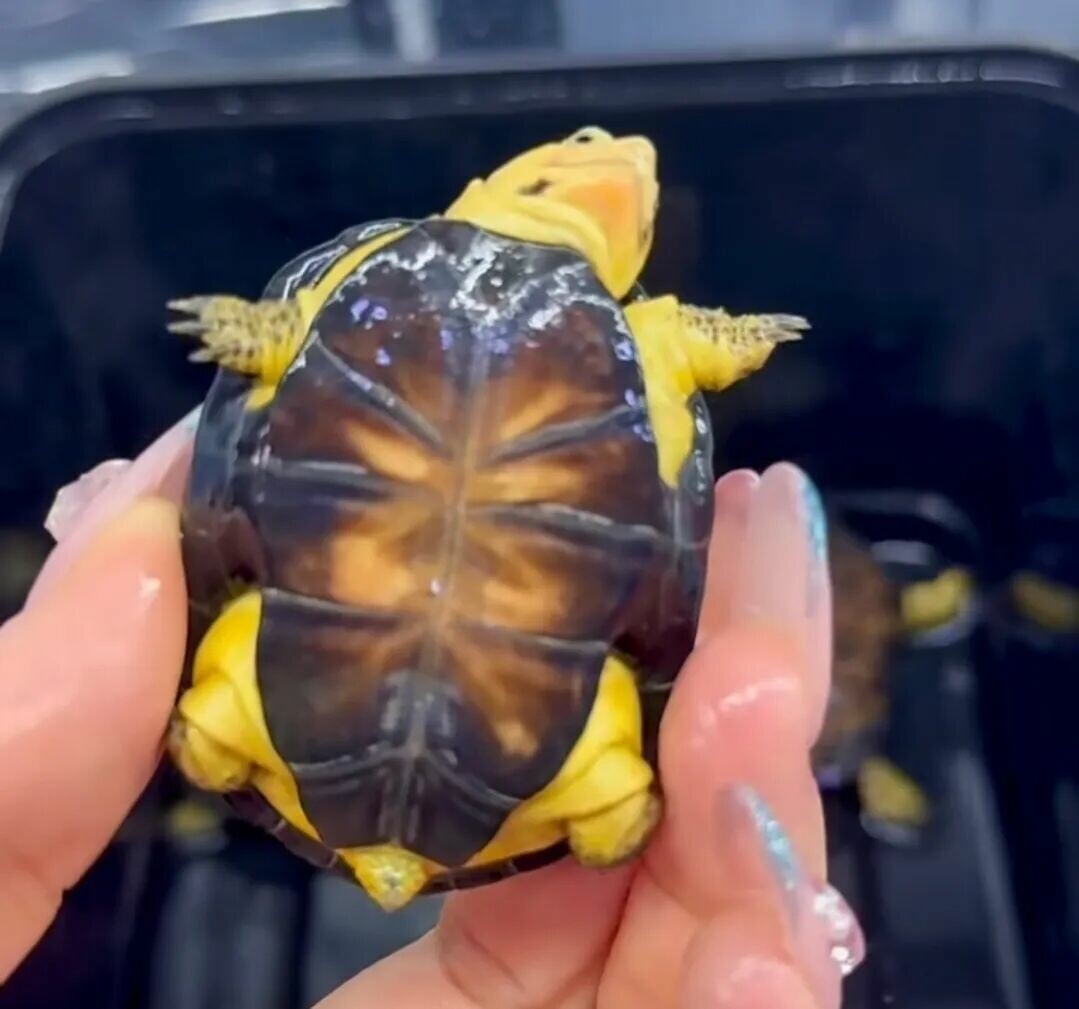
The Smallest Semi-Aquatic Turtle — Black-Breasted Leaf Turtle
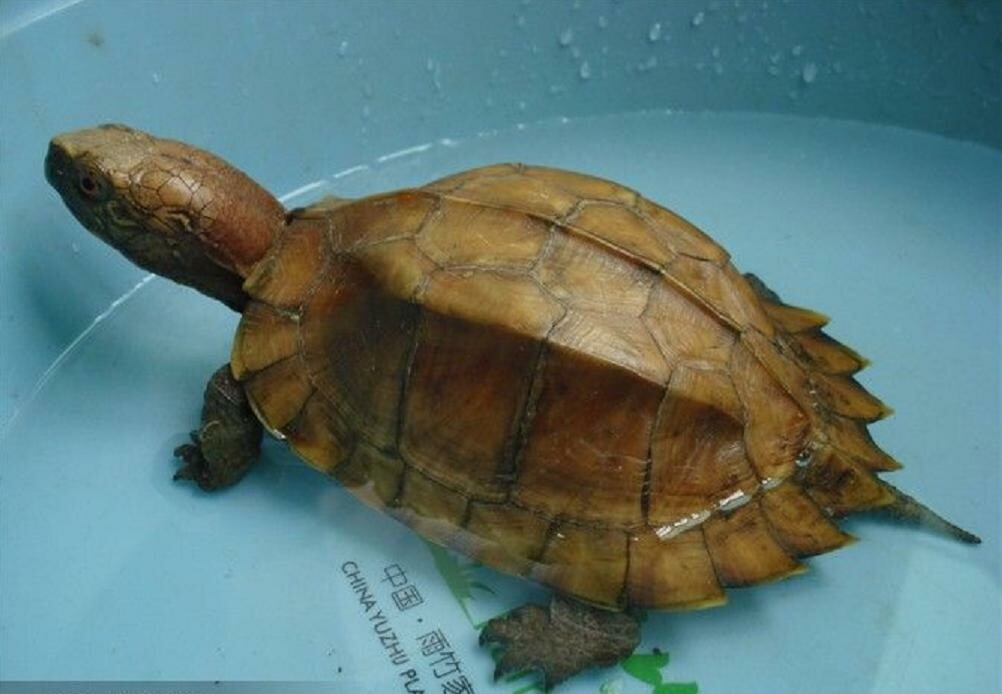
It has a maximum carapace length of 12.8cm. The carapace is elongated and relatively flat, shaped like a maple leaf. It is a turtle species native to China and is classified as a Class II state-protected wildlife. The wild population of the Black-breasted leaf turtle is scarce, primarily due to threats to its survival from factors like habitat reduction caused by human activities, water pollution, and illegal poaching. Captive-bred individuals are not expensive; at the 2025 Foshan Turtle Show, the price for a Black-breasted leaf turtle was 168 RMB. For home keeping, it’s important to note that this turtle is not a strong swimmer and cannot be kept in deep water, as it can easily drown. It requires basking and has hibernation needs.

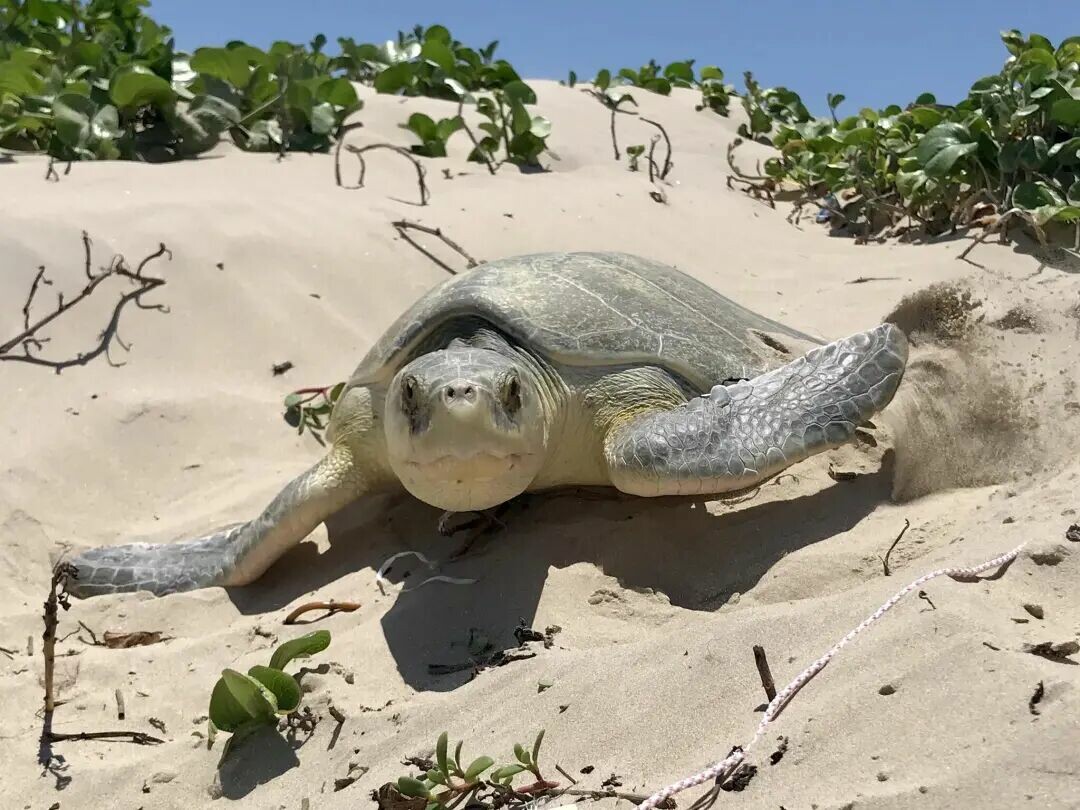
The Smallest Sea Turtle — Kemp’s Ridley Sea Turtle
Also known as Kemp’s turtle, it is mainly distributed from the Atlantic Ocean to the Gulf of Mexico. Its diet primarily consists of mollusks, crustaceans, jellyfish, algae, or sea urchins. Adults measure 60—90 centimeters and prefer warm waters. When the water temperature drops below 10°C, the sea turtle’s heart rate slows down, and it loses mobility. The breeding season is from April to August, with most nesting sites located in the state of Tamaulipas, Mexico. In 1947, approximately 89,000 female sea turtles nested, but by 1985, this number had plummeted to 7,702. Human hunting was the initial cause of the rapid decline in the Kemp’s ridley population. In some regions, Kemp’s ridley sea turtles may be slaughtered to make boots and food.
The Smallest Softshell Turtle — Huangshan Horseshoe Softshell Turtle
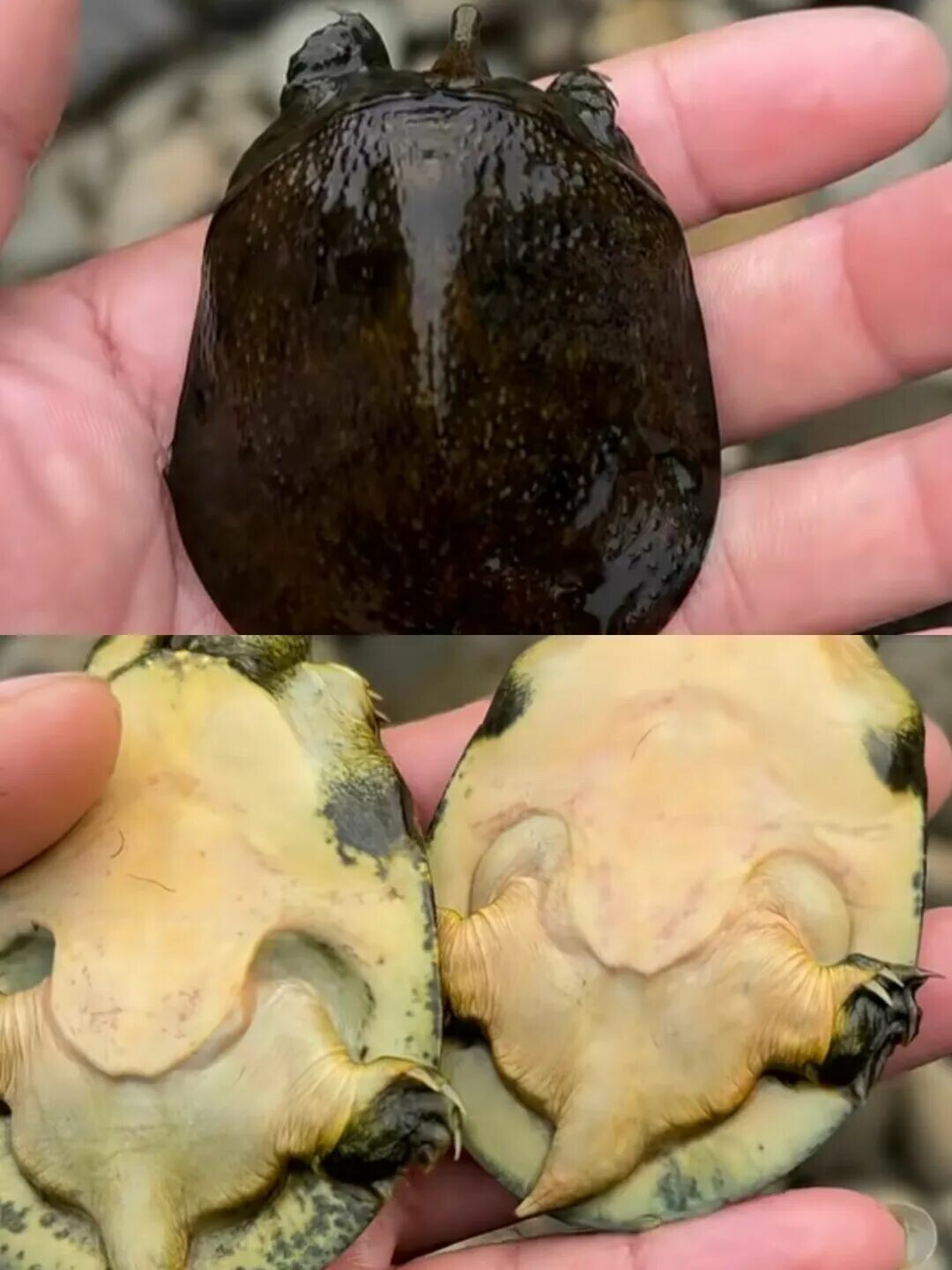
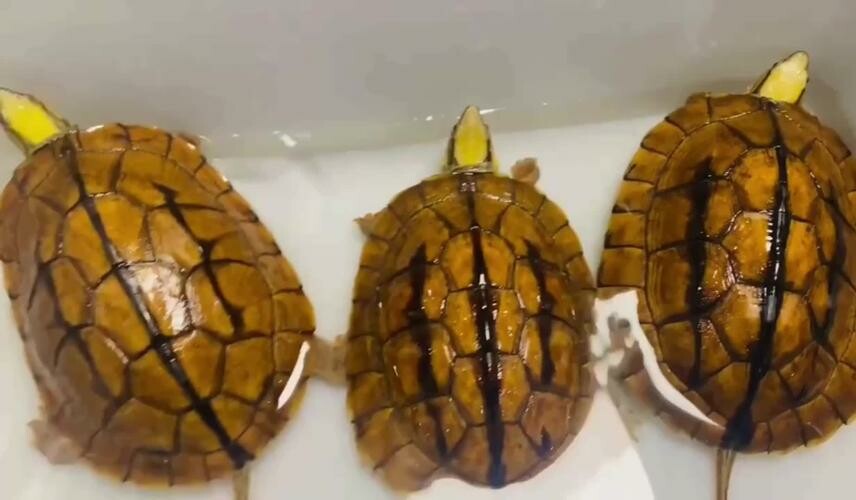
The Huangshan horseshoe softshell turtle is a “new member” that was only established as a species in 2021. It has a maximum straight carapace length of 11.6cm. Its native habitat is confined to Anhui, China, making it the “sole small species” among softshell turtles.
The Smallest Freshwater Turtle — Vallarta Mud Turtle
Unexpected, right? The smallest freshwater turtle is also the Vallarta mud turtle. The Vallarta mud turtle is even smaller than the Bog turtle and the Cora mud turtle. Males reach a maximum of 10.2cm, while females reach a maximum of 8.9cm, making it the undisputed “miniature representative” among freshwater turtles.
Original article by 搬运工, if reproduced, please cite the source: https://www.kaipet.com/en/smallest-turtle-inventory-8-mini-turtles-small-apartment



Comments(2)
This is a great inventory! But seeing the sizes, which of these are truly apartment-friendly for a first-time turtle keeper?
@CriticX:Thank you, CriticX! We’re glad you found the inventory helpful. For first-time keepers, while Vallarta Mud Turtles and Speckled Cape Tortoises are tiny, their rarity and specific needs can be challenging. Dwarf Side-Necked or Black-Breasted Leaf Turtles might be more accessible choices.