

Speaking of hybrid turtles, as the name implies, they are mixed-blood varieties born from \”cross-species romances\” between turtles of different varieties. Like the common \”Hua Za Cao\” (Stripe-necked x Reeves’), \”Hua Za Hou\”(Stripe-necked x Yellow Pond), \”Ri Hou Za\”(Japanese Pond x Yellow Pond), \”Hou Za Cao\”(Yellow Pond x Reeves’), \”Da Fo Za\” (Megacephalic Reeves’hybrid), \”Yuan Za Cao\”(Chinese Box Turtle x Reeves’), and so on. Some hybrid turtles are sought after by \”turtle friends\” due to their high aesthetic value, while others are valuable due to their scarcity. Today, let’s talk about how many hybrid varieties of Reeves’ Turtles there are.
Hybrid Categories of Reeves’ Turtles
\”Hua Cao Za\” (Chinese Stripe-necked Turtle + Reeves’ Turtle)
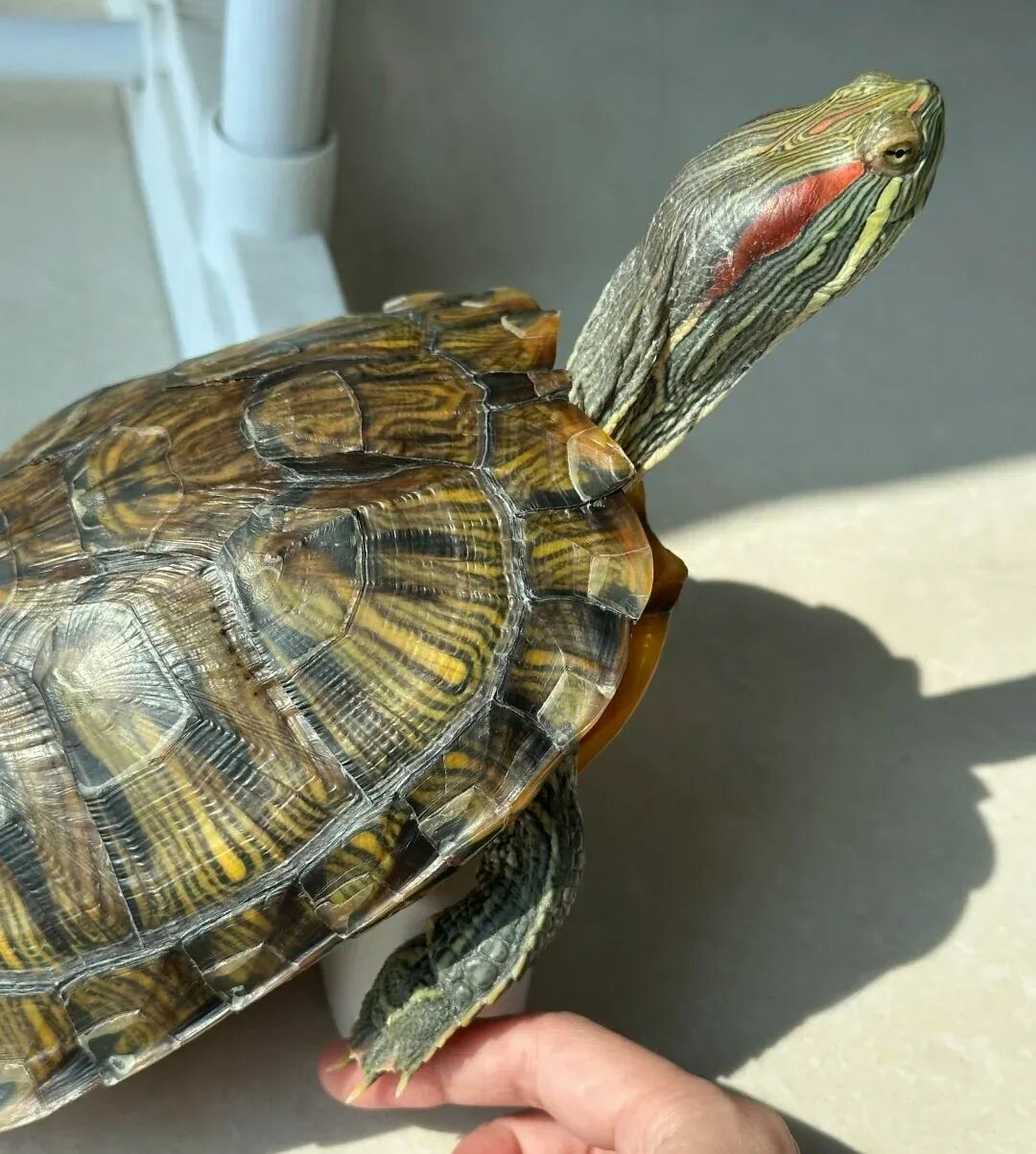
As the name implies, it is the combination of the Chinese Stripe-necked Turtle and the Reeves’Turtle. As an entry-level classic among hybrid turtles, the Chinese Stripe-necked Turtle and the Reeves’ Turtle are already close relatives, making their combination \”seamless.\” The morphological characteristics of the hybrid offspring (F1 generation) are between those of the paternal and maternal stock, but usually closer to the maternal Reeves’ Turtle.
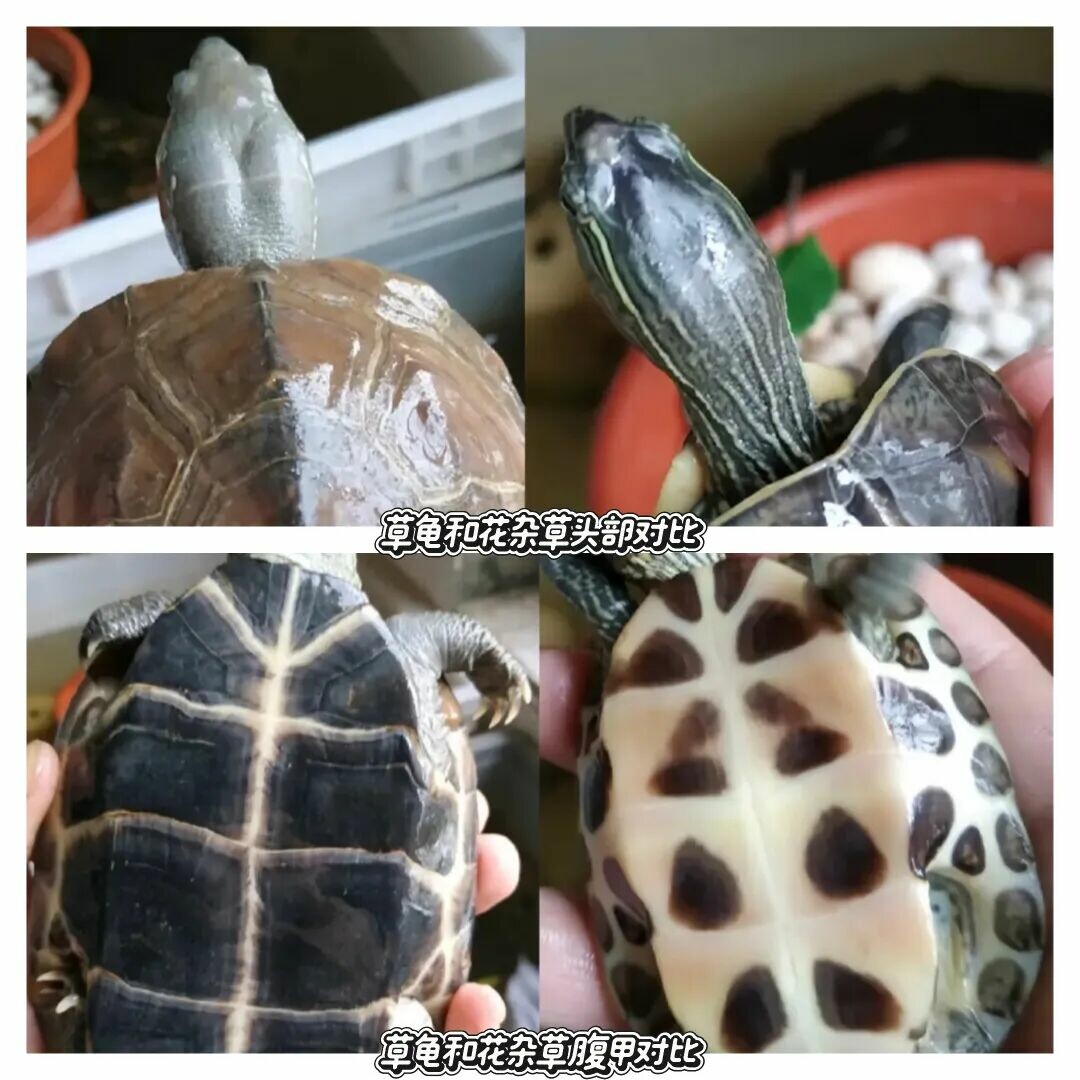
\”Hou Za Cao\” (Yellow Pond Turtle + Reeves’ Turtle)
The hybrid offspring are known domestically in China as the Lashu Turtle or Lashu Pond Turtle (Pritchard’s Pond Turtle), and they circulate in the pet market. Morphologically, they may possess characteristics of both parents; for example, the head patterns are brighter than those of the Reeves’ Turtle, and the plastron has fewer black spots.
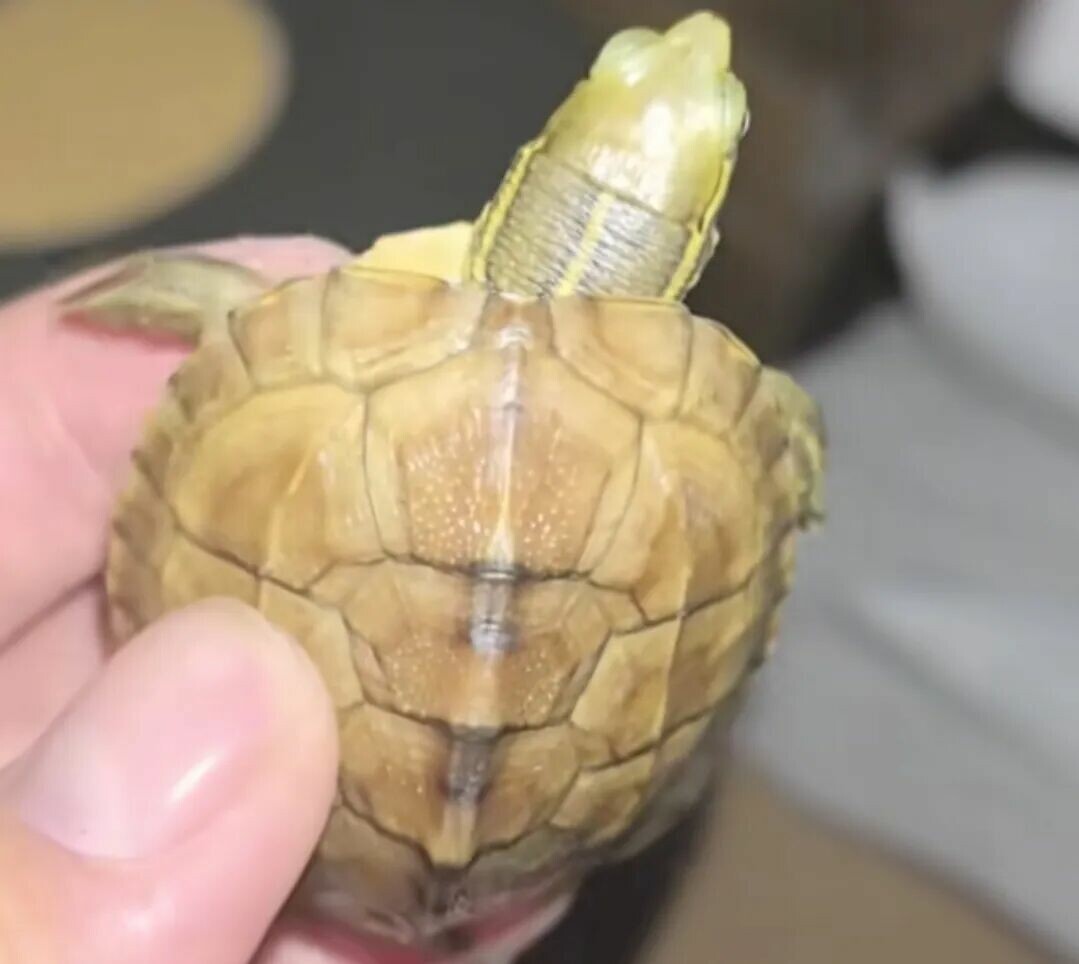
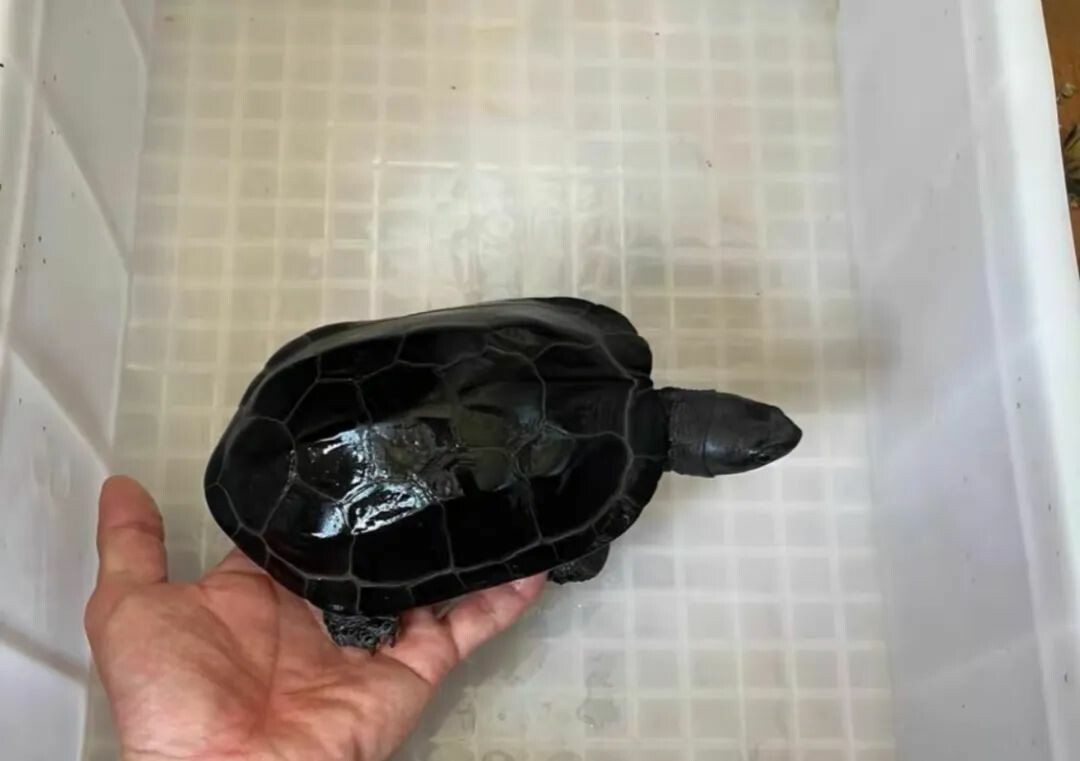
\”Hei Za Cao\” (Black-necked Pond Turtle + Reeves’ Turtle)
The combination of the Black-necked Pond Turtle and the Reeves’Turtle produces the \”Hei Za Cao.\” As hatchlings, they may look unremarkable, but with the accumulation of time, the carapace gradually reveals a deep color, eventually becoming entirely black, giving off a steady and domineering temperament.
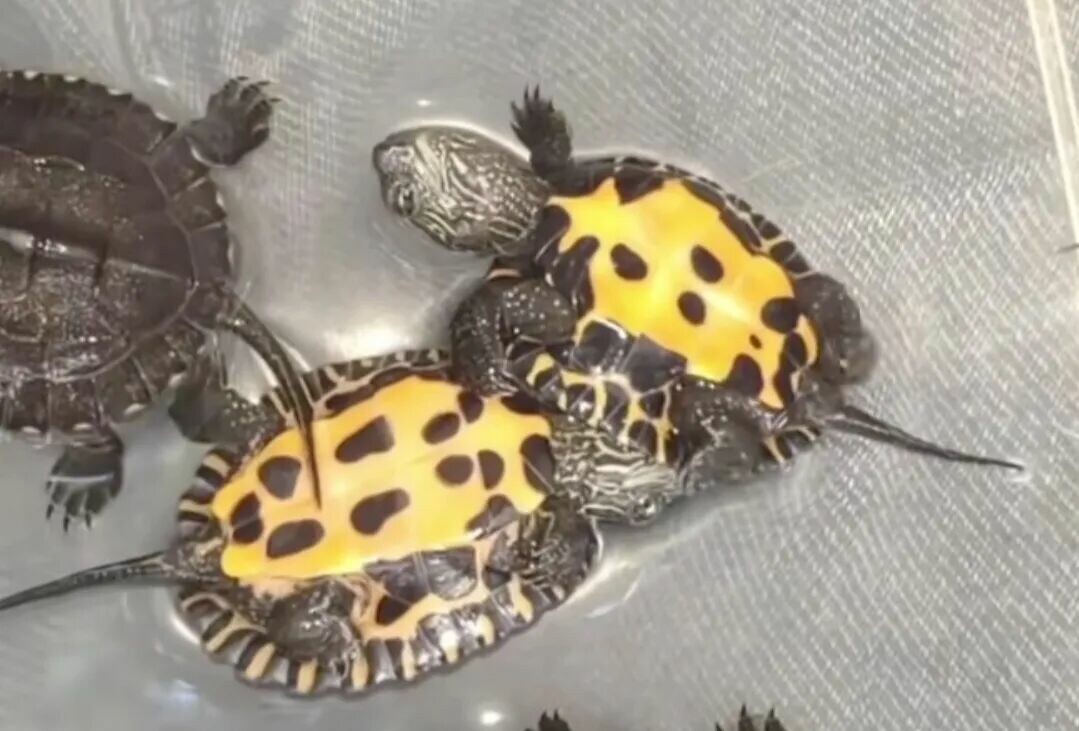
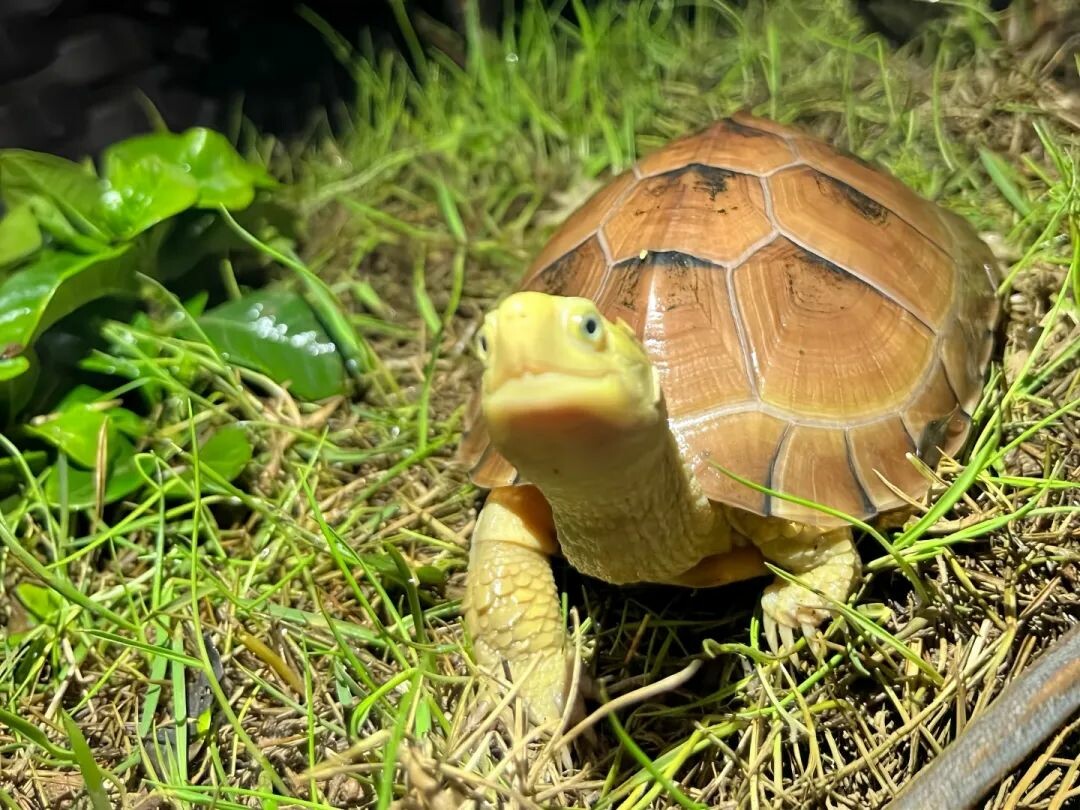
\”An Za Cao\” (Amboina Box Turtle + Reeves’ Turtle)
The Reeves’Turtle and the Amboina Box Turtle can be considered a \”cross-species cooperation,\” and the offspring look very distinctive. The carapace is rounded and smooth, the thick yellow head lines on the face are also very beautiful, and they are bold, close to humans, and have a gentle personality.
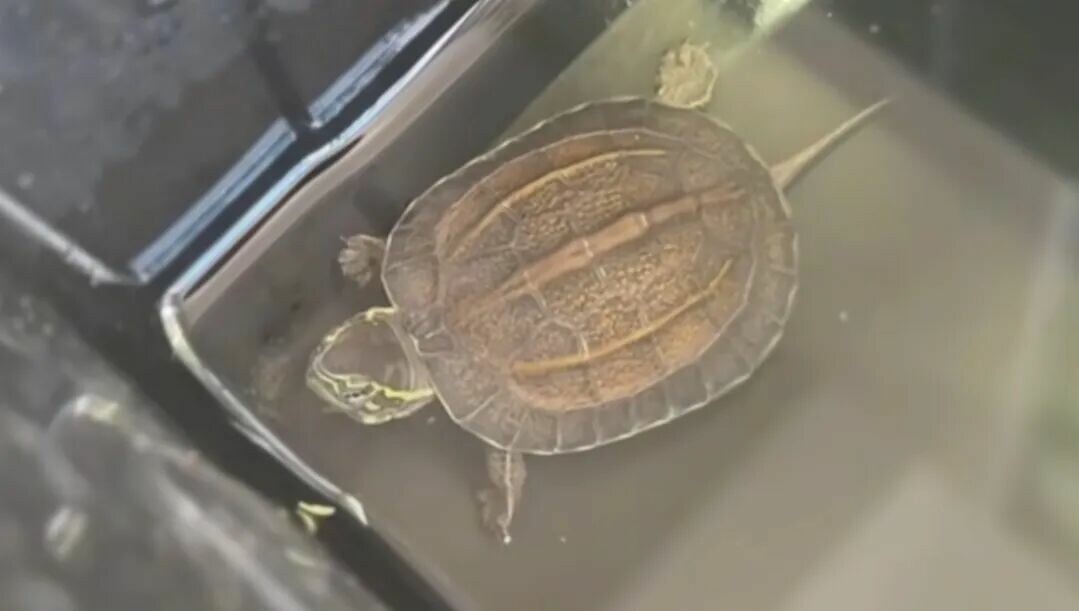
\”Ri Za Cao\” (Japanese Pond Turtle + Reeves’ Turtle)
The combination of the Japanese Pond Turtle and the Reeves’Turtle is generally somewhat similar to the \”Hou Za Cao,\” but the carapace is more brownish-yellow, giving a retro feeling, and the plastron has fewer markings.
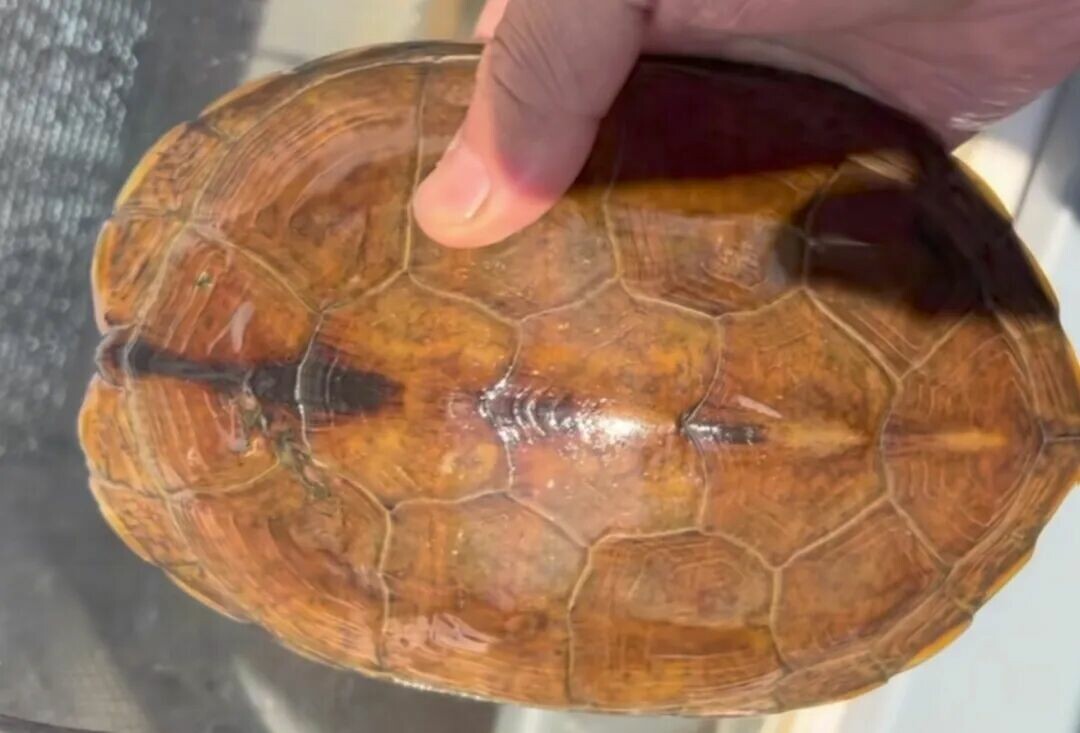
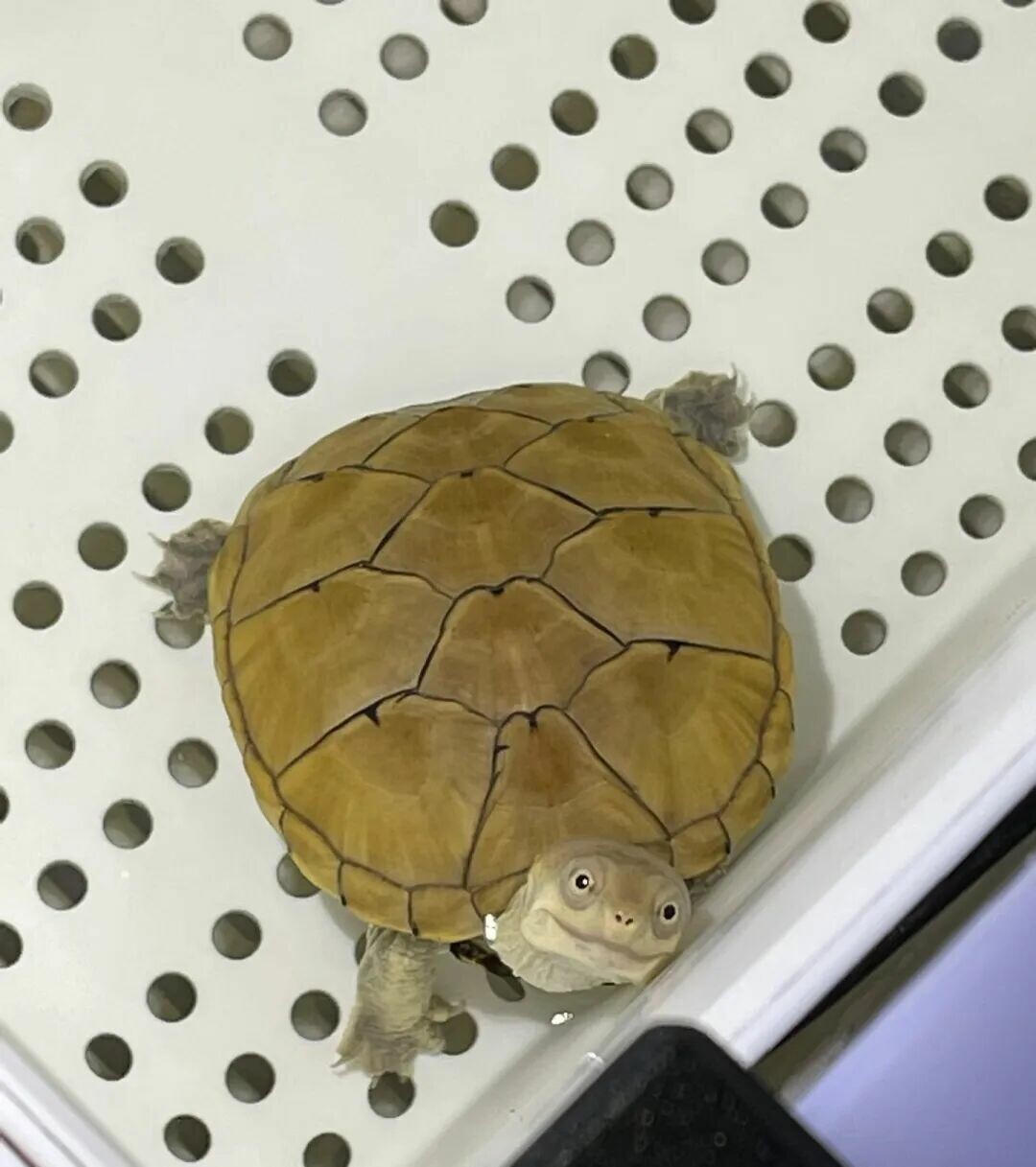
\”Yuan Za Cao\” (Chinese Box Turtle + Reeves’ Turtle)
The combination of the Chinese Box Turtle (Yellow-margined Box Turtle) and the Reeves’Turtle appears very interesting as a \”cross-border cooperation.\”The Reeves’ Turtle is an aquatic turtle, while the Chinese Box Turtle is a semi-aquatic turtle. Their combination is also very distinctive, with shell shapes and patterns fusing the characteristics of both parties. They are currently relatively rare in the market.

Why can Reeves’ Turtles hybridize with so many turtles?
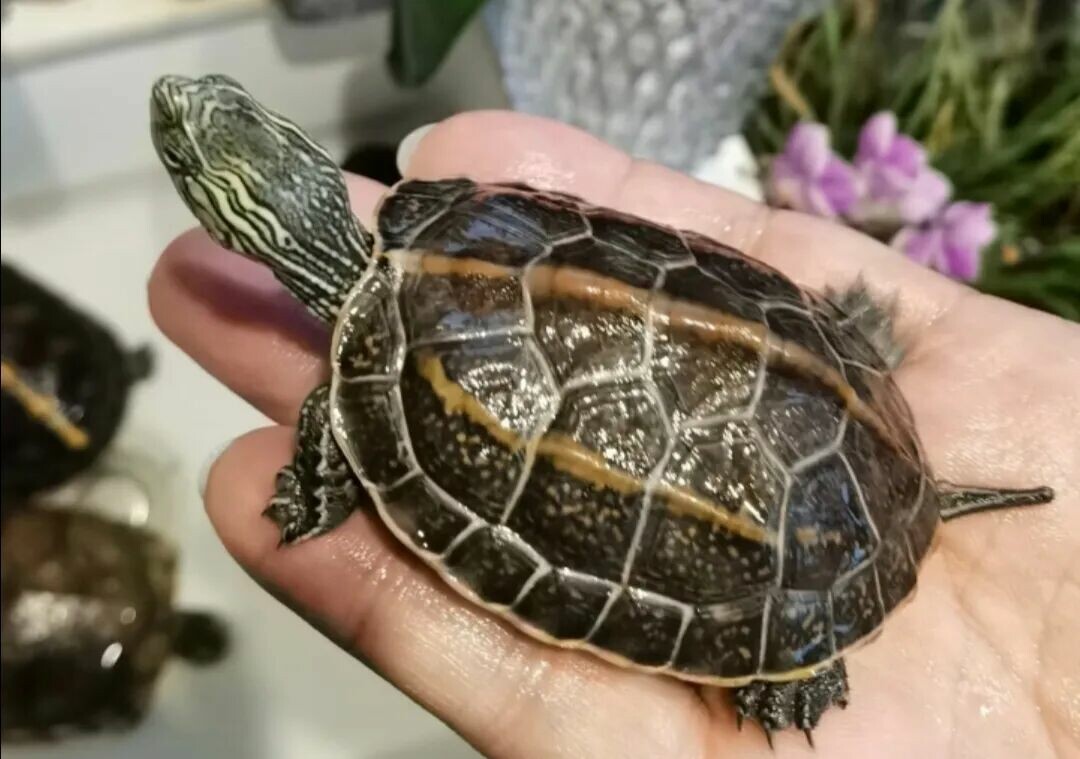
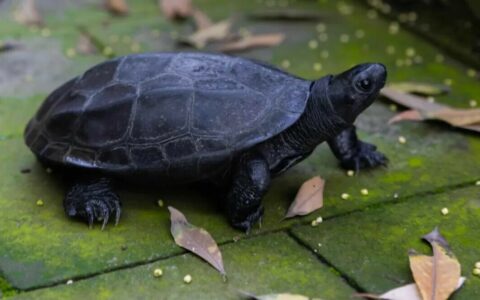
In fact, Reeves’Turtles are \”naturally impure.\”These turtles in East Asia basically have no reproductive isolation; in nature, they can hybridize with each other. Reeves’ Turtles can hybridize with Chinese Stripe-necked Turtles, Yellow Pond Turtles, Chinese Box Turtles, Amboina Box Turtles, Three-striped Box Turtles, Japanese Pond Turtles, Malayan Box Turtles, Four-eyed Turtles, and even other turtles. Some hybrid offspring have stable populations in the wild; a typical example is the Pritchard’s Pond Turtle (*Mauremys pritchardi*). In turtle farms, hybridization of Reeves’ Turtles is even more common, with the most common hybrids being with Chinese Stripe-necked Turtles, Northern Vietnamese Pond Turtles, and Southern Vietnamese Pond Turtles, because these turtles are often raised in the same pond. Therefore, whether in nature or in turtle farms, Reeves’Turtles can be considered \”naturally impure.\”Can you guess which turtles’ genes are in the turtle above?
Can Reeves’ Turtles hybridize with Snapping Turtles?
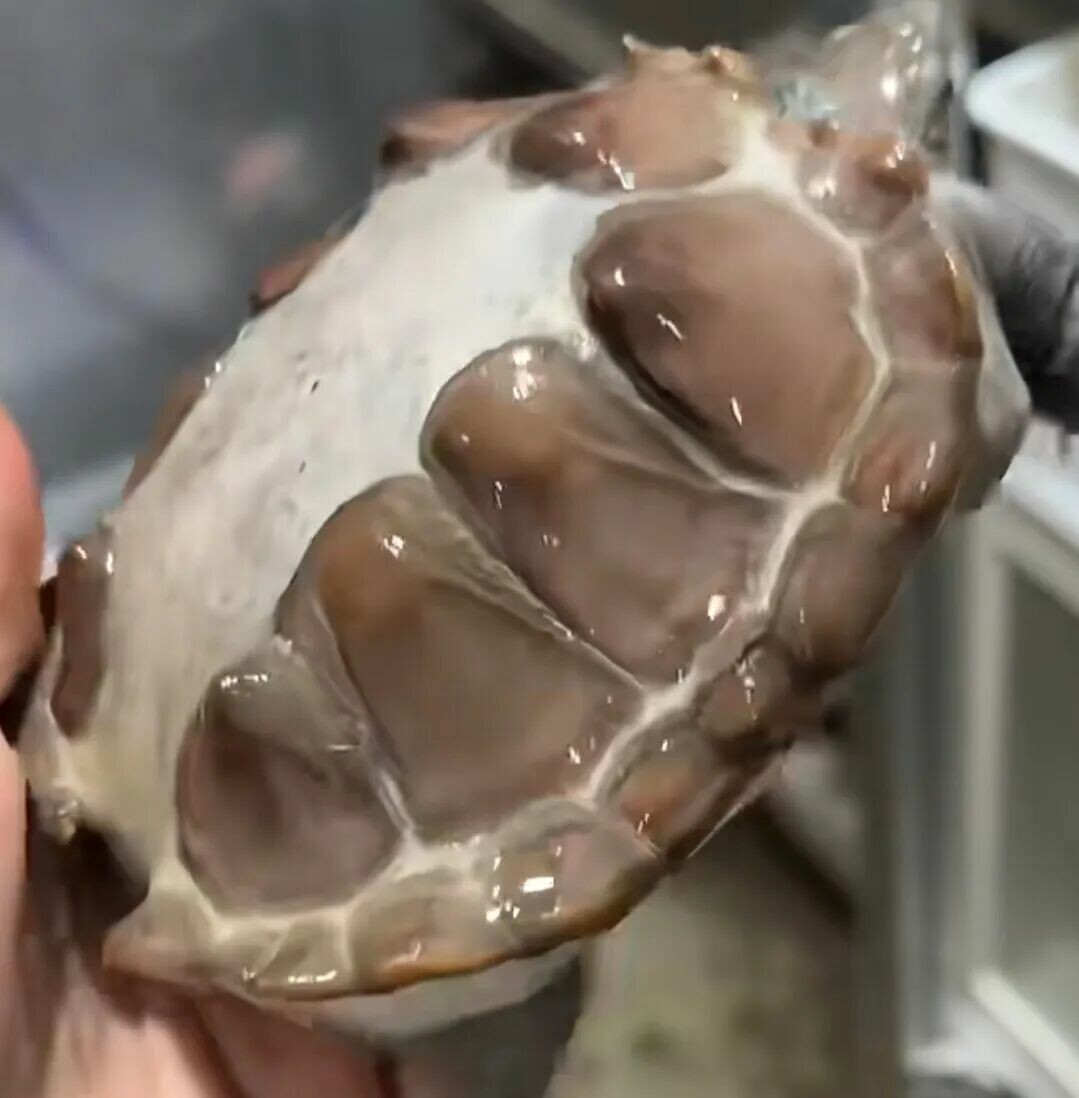
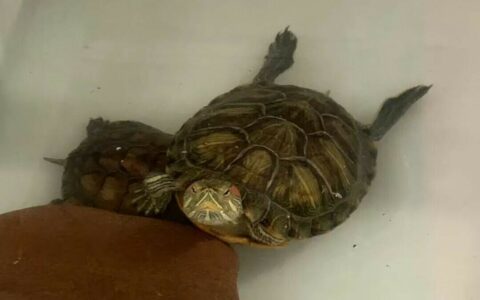
The picture above is a picture of a Snapping Turtle x Reeves’Turtle that went viral (spread widely) on the internet. Due to the relationship of different families and genera and reproductive isolation, it is impossible for Snapping Turtles and Reeves’ Turtles to hybridize. The picture above is simply a mutation of a Reeves’Turtle; this kind of Reeves’ Turtle is also called a Scaleless Reeves’Turtle, or Beerus Reeves’ Turtle (a common name for a mutated Reeves’ Turtle).
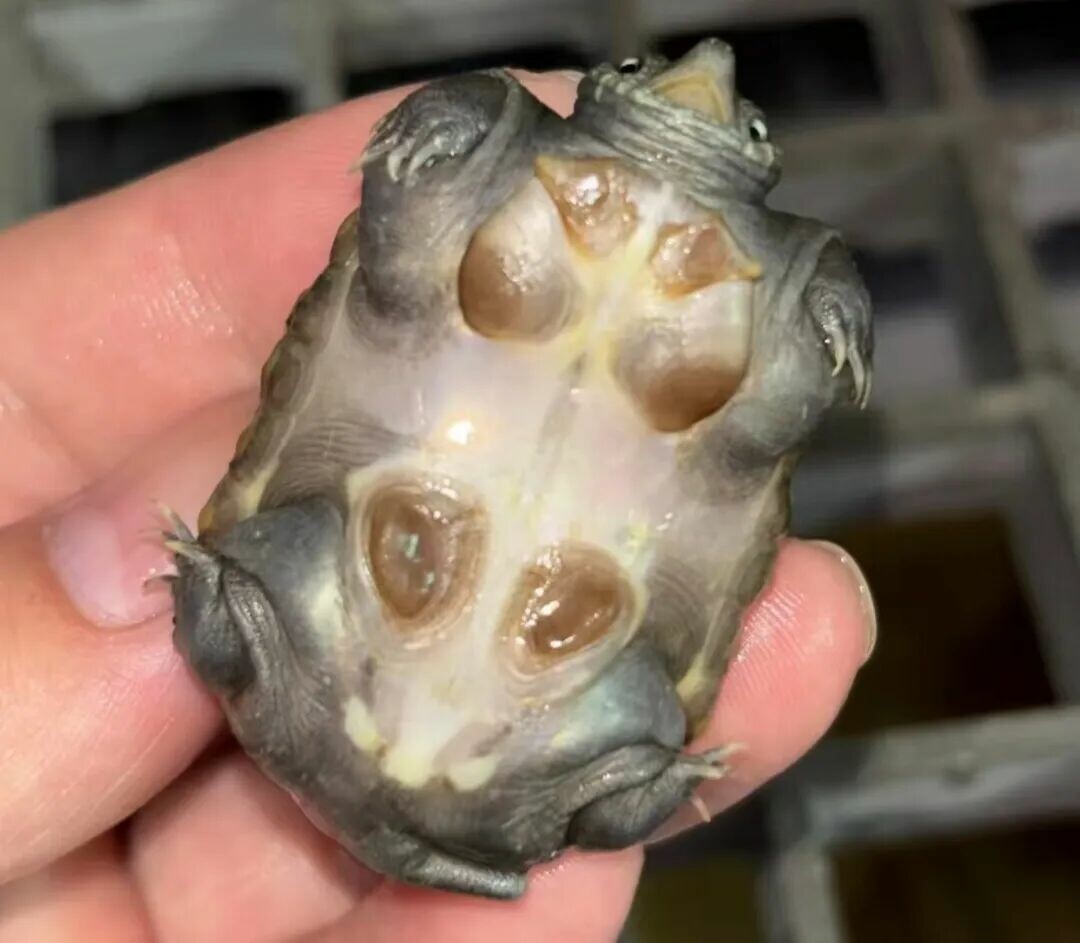
The most significant feature of the Scaleless Reeves’Turtle is the absence or atrophy of body scales, making the skin appear smooth and the carapace shape alternative. Don’t look at it as being ugly; this turtle is \”very precious.\”
Original article by 搬运工, if reproduced, please cite the source: https://www.kaipet.com/en/turtles-reeves-turtles-hybridize-snapping-turtles-reeves-turtles-mate







Comments(1)
What a detailed look into Reeves’ Turtle hybrids! I’m curious, among all these varieties, which one do you find the most captivating or unique?