

When scrolling through discussions among turtle hobbyists about aerating turtle tanks, there are always people in the comments section who get worked up:
“Turtles need aeration? Do you even know how to keep turtles?! Are you raising them like fish?”
Every time I see this kind of comment, I can’t help but want to say, “Friend,”it’s you who needs to update your turtle-keeping knowledge!
Turtles breathe with lungs, so why do they still need aeration?
Indeed, turtles are animals that use pulmonary respiration and need to surface for air. But aeration is never for helping the turtles breathe; it’s for maintaining the health of the entire aquatic ecosystem. This is like how we live in a city; although we can breathe directly, we still need urban greenery to purify the air.
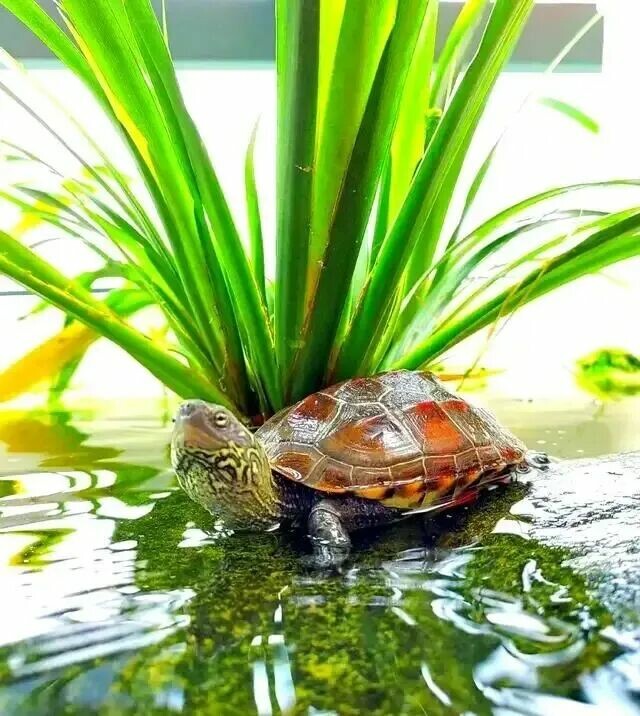
The 3 Core Functions of Aeration
Cultivating a Legion of Nitrifying Bacteria
Leftover turtle food and feces in the water produce large amounts of ammonia nitrogen, which threatens the turtle’s health. Nitrifying bacteria (bacteria that convert ammonia and nitrites into nitrates through oxidation) require sufficient oxygen to work efficiently, transforming toxic substances into harmless ones. Aeration is about supplying energy to these “underwater cleaners,” allowing the nitrifying bacteria to work at full capacity to keep your water clear.
Eliminating the Hidden Killer—Oil Film
Oils from turtle food and secretions from the turtle’s body form a layer of oil film on the water’s surface. When a turtle surfaces for air, this oil film can enter its mouth, nasal cavity, or even its eyes. Over time, this can easily lead to respiratory infections and eye diseases. The water flow and agitation produced by an air pump can effectively break up the oil film, providing a clean environment for your beloved turtle to breathe.
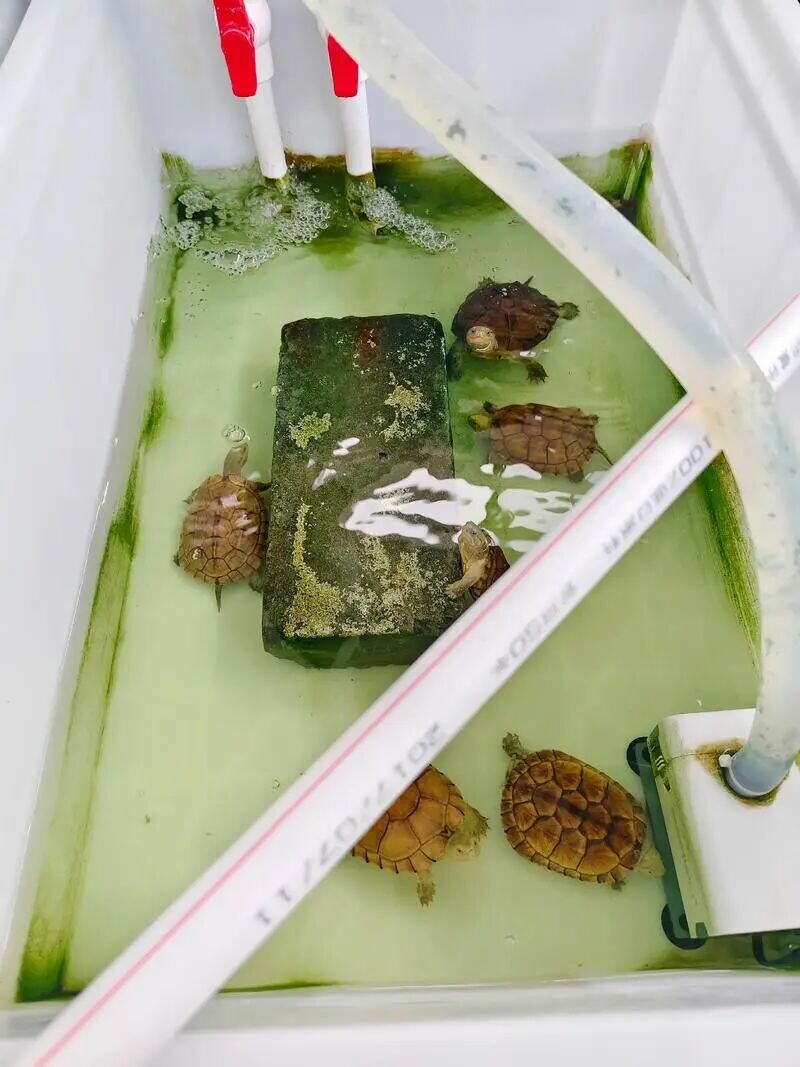
Inhibiting the Growth of Anaerobic Bacteria
The bottom of the water body can easily become a low-oxygen zone, a breeding ground for harmful anaerobic bacteria. Continuous aeration ensures a balanced oxygen level throughout all layers of the water, preventing the large-scale reproduction of harmful bacteria from the source.
Situations Where Aeration is Strongly Recommended
- Keeping turtles in deep water (more than twice the length of the turtle’s carapace)
- High stocking density
- During periods of high water temperature (oxygen solubility is low in summer)
- When hatchling turtles are in a weaker stage
Choose a low-noise air pump paired with an air stone that has an adjustable output. Running it for 8-12 hours a day is sufficient; it doesn’t need to be on 24 hours. Turning it off at night saves electricity and provides a quiet resting environment for the turtle.
A healthy aquatic environment = suitable temperature + good filtration + adequate aeration. Modern scientific turtle keeping is long past the era of “just add water in a basin.” Understanding these principles is the only way to ensure our beloved turtles are healthier and live longer!
Original article by 搬运工, if reproduced, please cite the source: https://www.kaipet.com/en/aerating-turtle-tank-ignorance-wisdom-3-reasons





Comments(2)
Great points on aeration! What’s one unexpected benefit you noticed after adding it to your turtle’s setup?
@CriticX:We’re delighted you found the article on aeration helpful, CriticX! Beyond the core benefits, some users report a noticeable improvement in overall tank aroma and reduced algae growth. What unexpected benefits have you observed?