Recently, many fans from the Northeast have asked about how turtles hibernate. In the Northeast, it is very cold outdoors in winter, while indoors it is very warm. Outside it’s freezing, and inside it’s as warm as summer. This is the current situation in the Northeast during winter. Under such circumstances, turtles kept indoors do not have the conditions to hibernate. Of course, it’s even less likely outdoors where they would simply turn into ice sculptures.
The reason these friends are anxious to make turtles hibernate without the conditions is due to the influence of the notion that hibernation is beneficial to turtles. The idea that hibernation is conducive to turtle reproduction and improves their appearance has been around for a long time. However, the blogger believes that these claims are not the essence of the issue and are mostly just superficial.

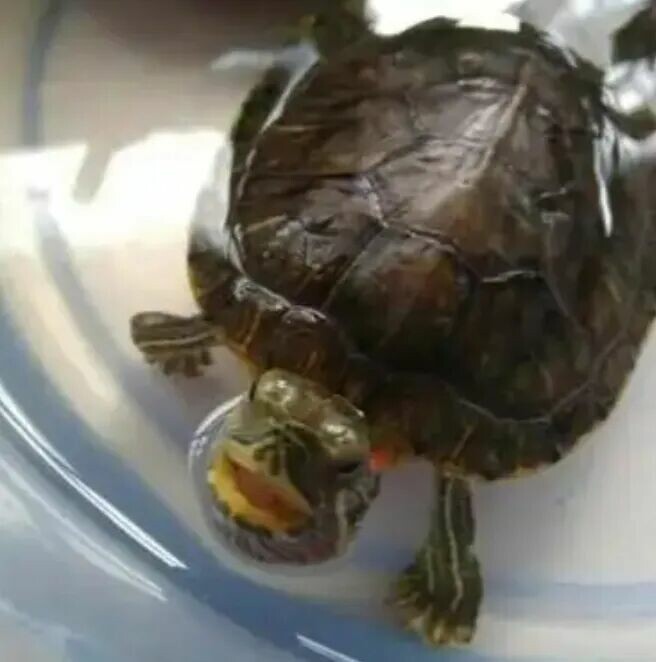
It is important to understand that hibernation is not a necessary process for turtles, but rather something they are forced to do in response to the severe cold of winter. Turtles are ectothermic animals, and all their life activities depend on the external temperature. In winter, when the temperature is low, turtles can’t move at all. At this point, it’s not just that food resources are scarce in winter, even if food is abundant, turtles have lost their ability to move and hunt. If they don’t hibernate, they can only wait to die, either from starvation, predation, or freezing.
Therefore, hibernation is not an active choice for turtles, but a forced one due to the lack of conditions. If there are warm conditions, who would want to hibernate? After all, hibernation is not absolutely safe for turtles, and many with poor physique will be depleted during hibernation. Thus, the blogger believes there is no need to exaggerate the positive significance of hibernation; not hibernating will not affect reproduction.
The natural distribution areas of many turtles include tropical, subtropical, and temperate zones. For example, many species of Brazilian-faced turtles, grass turtles, and flower turtles are like this. The same species does not need to hibernate in tropical areas but needs to hibernate in subtropical areas. Obviously, whether or not they hibernate does not affect their reproduction. As for issues like carved patterns and appearance, they are mainly caused by improper feeding.
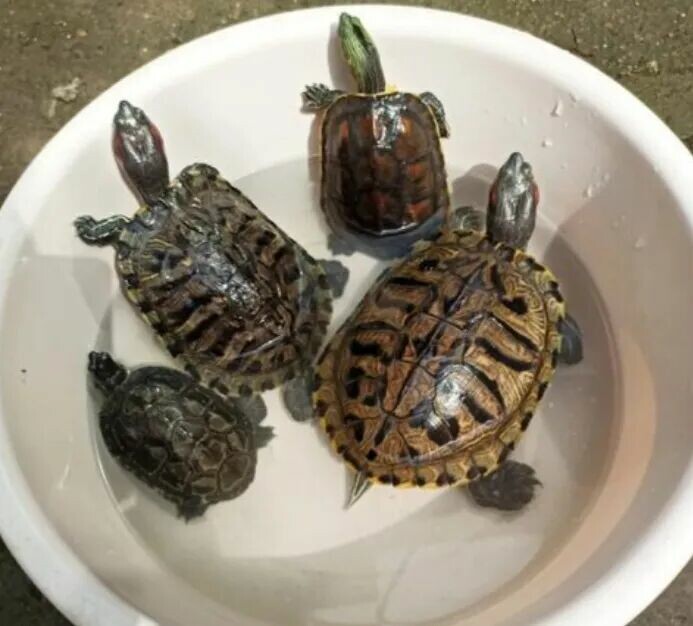
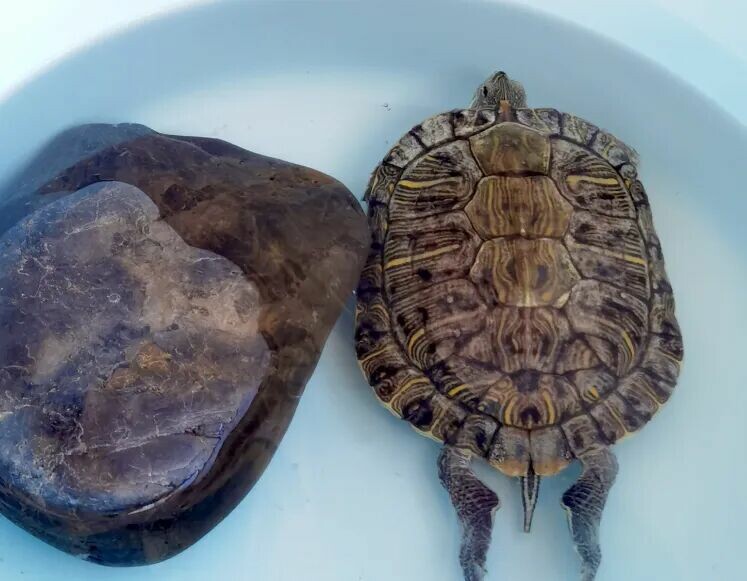
At the end of last April, to test the greenhouse turtle breeding method, the blogger bought a batch of greenhouse turtles, including four large seedlings of greenhouse flower turtles. They belonged to the Wen’s overwintered flower turtles that hatched the year before last. Raised until last September, the flower turtles that had not undergone any hibernation also had many carved patterns on their carapaces. This case well illustrates that hibernating in winter does not affect the formation of carved patterns. What truly affects the patterns is improper feeding. That is, overfeeding leads to excessive growth speed in turtles, making it difficult for patterns to form, and at the same time, pigment deposition cannot keep up, resulting in poorer shell color.
So, the appearance of a turtle mainly depends on the breeding method, and the impact of hibernation is not as significant as we think. Therefore, friends in the Northeast, if your turtles cannot hibernate, don’t force them to. Of course, friends from other regions are the same; if there are conditions for hibernation, let the turtles hibernate, and if there are no conditions, there is no need to create them. Let nature take its course.
After all, many people want to breed turtles with peace of mind in winter but don’t have the conditions. However, one thing to remember: do not feed too much or too frequently, as rapid growth can ruin even the best appearance.
Original article by KPTer, if reproduced, please cite the source: https://www.kaipet.com/en/effects-hibernating-turtles-physiques-greenhouse-turtles-poor