

The journey of turtle keeping may seem simple, but it’s full of hidden complexities. A review by a turtle enthusiast of 10 years reveals that the vast majority of beginners fail because of these ‘basic common sense’issues—it’s not that you’re not trying, but some details, if no one tells you, will truly cause you to run into trouble (meaning to encounter problems or make mistakes)!
I’ve compiled 10 of the most critical and easily overlooked rules for turtle keeping. If you’ve just started keeping a turtle, or are planning to get one, be sure to save this ‘pitfall checklist (a list for avoiding problems)’.
Choosing a Tank is a Science
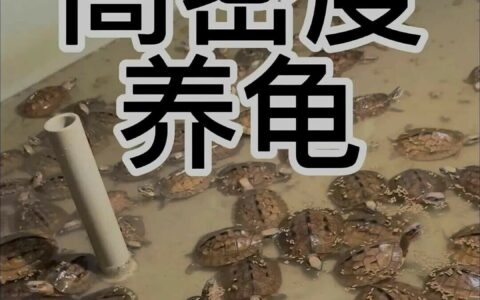
For every 10cm of carapace, provide at least 50 liters of water! Absolutely do not use round bowls (which can easily cause the turtle (affectionate term) stress (a non-specific response of an organism to a stimulus), leading to repeated tank climbing)!
Water Temperature Determines Condition
Optimal water temperature is 28℃-30℃, especially for young turtles! Unstable temperatures lead to refusal to eat and indigestion!
Water Level is Specific
Shallow-water turtles: Water level should be 1.5 times the carapace height. Deep-water turtles: A resting platform and climbing area must be provided to prevent drowning!
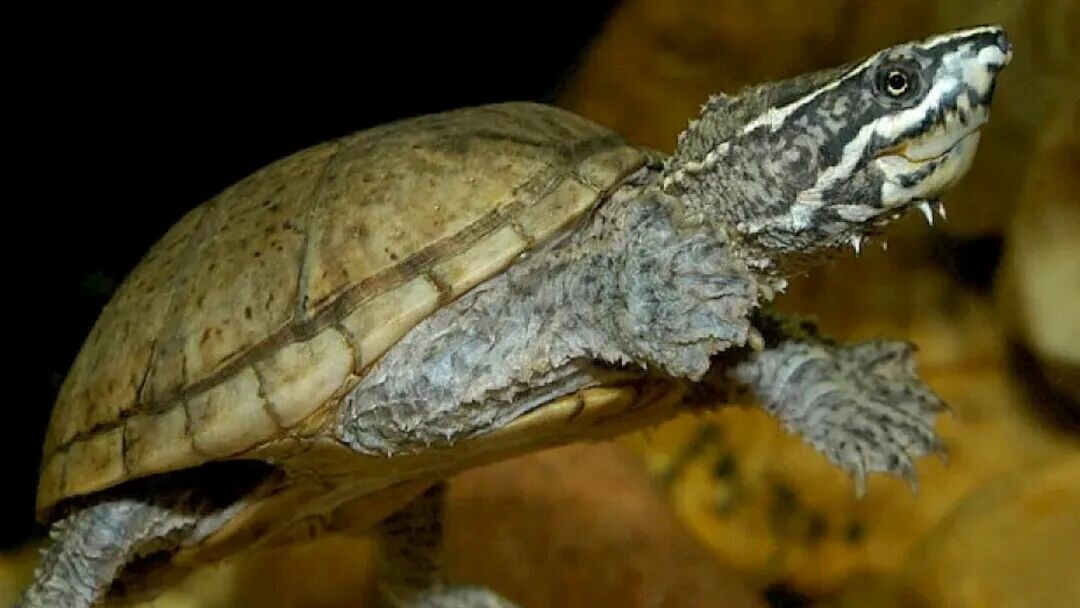
Don’t Use Basking Lamps Casually
UVA (long-wave ultraviolet) plus UVB (medium-wave ultraviolet) lamps should be 30cm from the water surface, for ≤4 hours per day! Otherwise, it can easily lead to eye diseases and dehydration!
Don’t Feed Based on Feeling
Young turtles: Once a day. Adult turtles: Once every 2-3 days. A turtle won’t be harmed by hunger, but it can get gastroenteritis from overeating!
Calcium-to-Phosphorus Ratio Greater Than 2 to 1
Calcium-to-phosphorus ratio >2:1. A lack of calcium can easily cause soft shell and shell pyramiding. High-calcium turtle food supplemented with occasional dried shrimp and dried fish is recommended!
Avoid ‘Full Tank Changes’ When Changing Water
Change ≤1/3 of the water each time, with a temperature difference between new and old water of ≤1℃! Abrupt water changes lead to stress and skin rot!
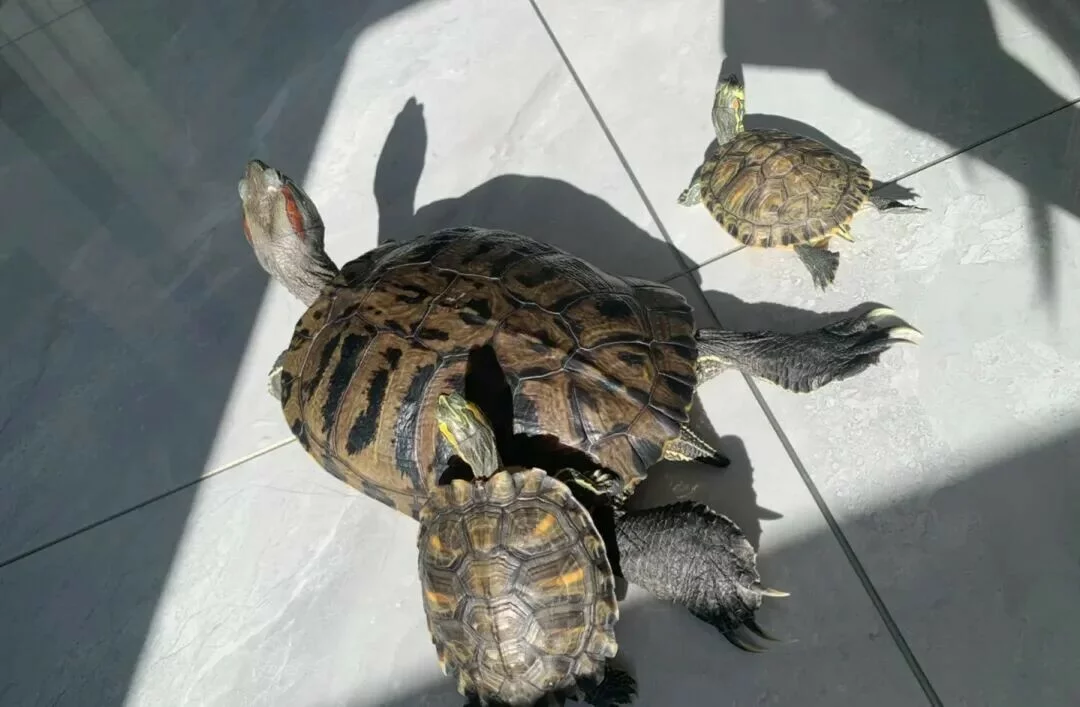
Cohabitation is Extremely Risky
Size difference >3cm → Tail nipping is inevitable! Snapping turtles / Big-headed turtles → Must be kept alone!
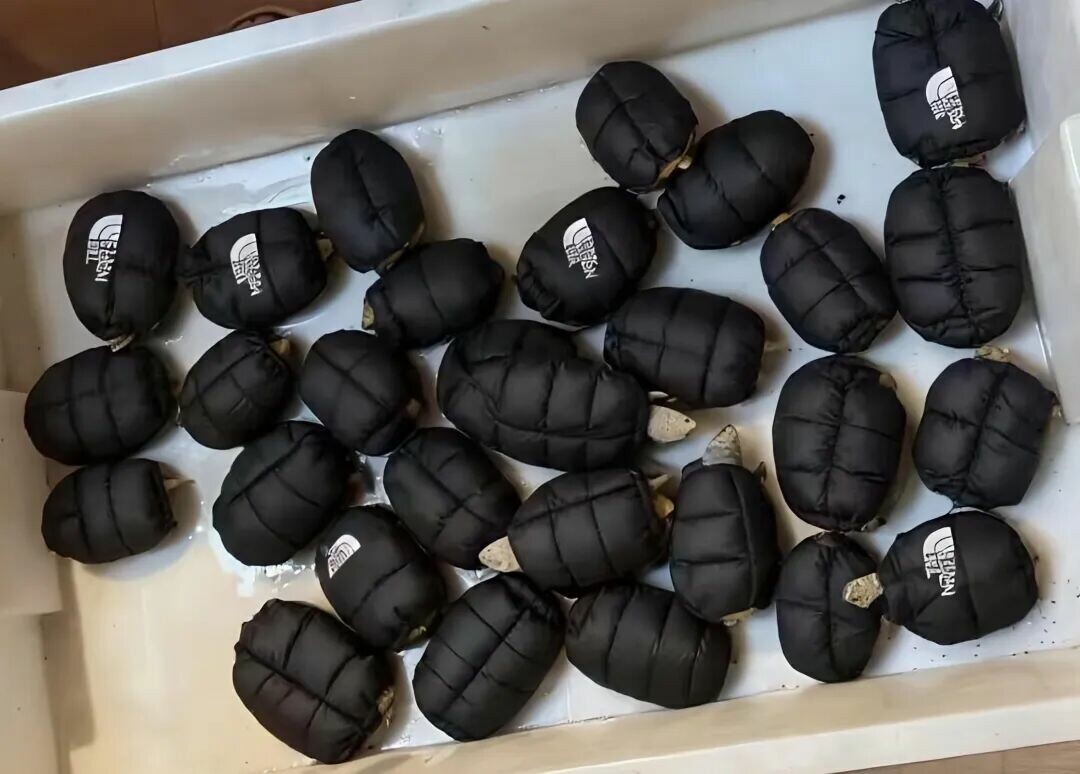
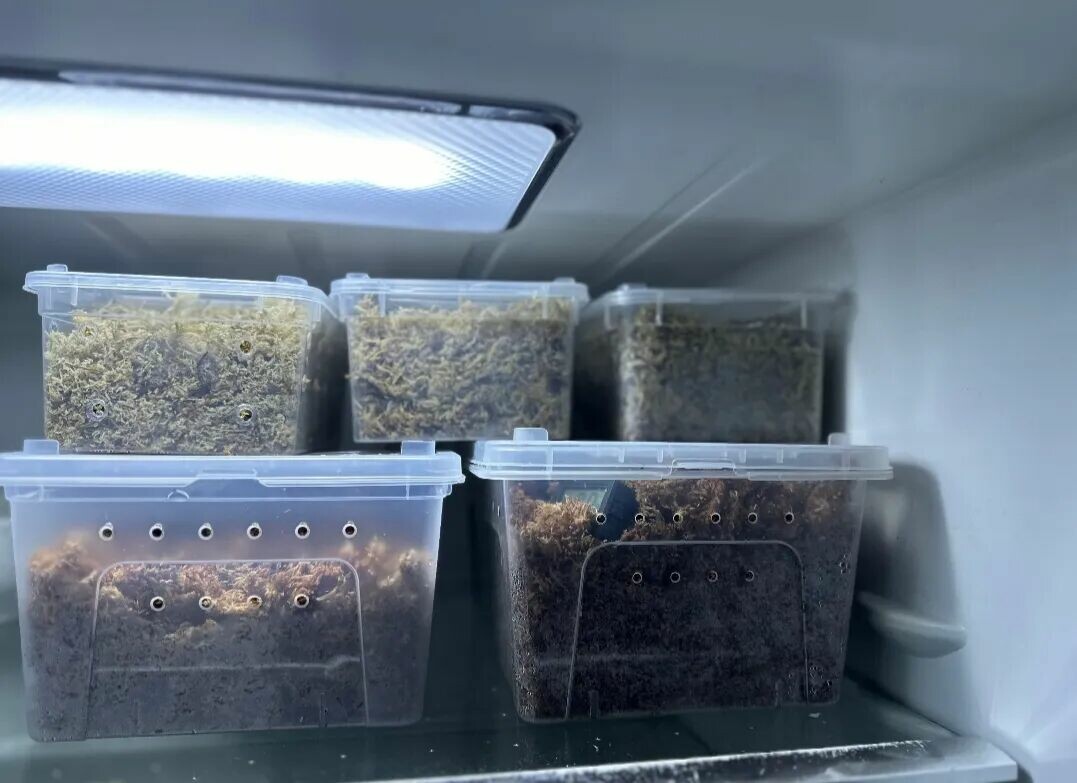
Hibernation is a Life-or-Death Hurdle
Weight <50g, young turtles → Hibernation is not recommended! Before planned hibernation, clear their gut for 3 weeks! Otherwise, they will get enteritis when spring arrives!
Don’t Delay with These Symptoms
Floating plus severe refusal to eat are precursors to serious illness! Intervention is necessary within 48 hours, and self-medicating is extremely risky!
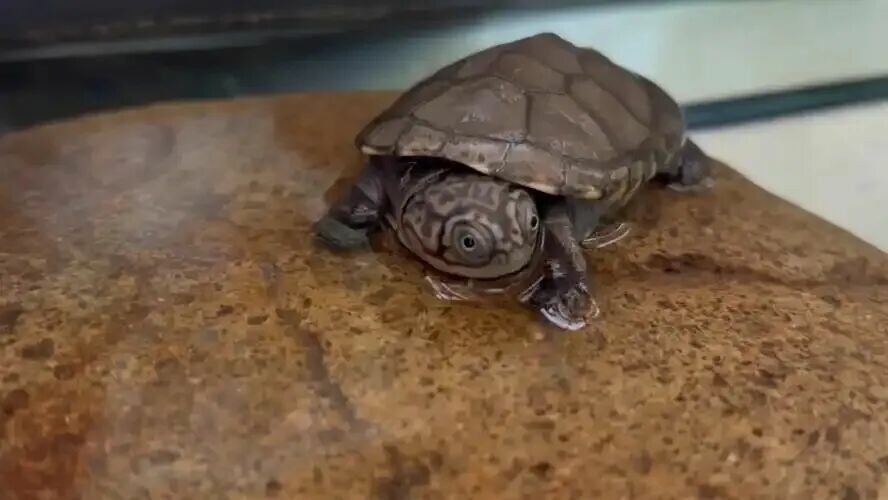
Keeping a turtle is a gentle, long-term companionship. Details determine survival, and knowledge determines the quality of life. I hope your turtle (affectionate term) can be with you for a little longer.
Original article by 搬运工, if reproduced, please cite the source: https://www.kaipet.com/en/turtle-keeping-beginners-guide-avoiding-10-major-pitfalls-unnecessary-hardship








Comments(2)
This guide is so helpful! I’m curious about tank size recommendations for different turtle species; does it vary much?
@CriticX:We’re delighted you found the guide helpful! The article provides a foundational tank size rule for general guidance. You’re absolutely right; specific turtle species can indeed have varying needs beyond this. We encourage further research based on your particular turtle species for precise recommendations!