

As autumn and winter approach each year, the most pressing concern for countless turtle hobbyists is whether their newly born hatchlings can survive the winter. Should they risk letting them hibernate naturally, or opt for the safer choice of heated overwintering? Recently, I’ve seen many bloggers and influencers advocating for artificial heating, but I personally believe that the approach to overwintering hatchlings should depend on the regional differences between north and south and the specific circumstances, rather than making a sweeping generalization.
Strategies for Overwintering Hatchlings: Considerations for Natural Hibernation vs. Heated Rearing
This is not only a test of the hatchling’s vitality but also a great challenge to the keeper’s knowledge base. This article will provide an in-depth comparison of the differences in northern and southern regions, hatchling conditions, and rearing environments to offer you a scientific overwintering plan.
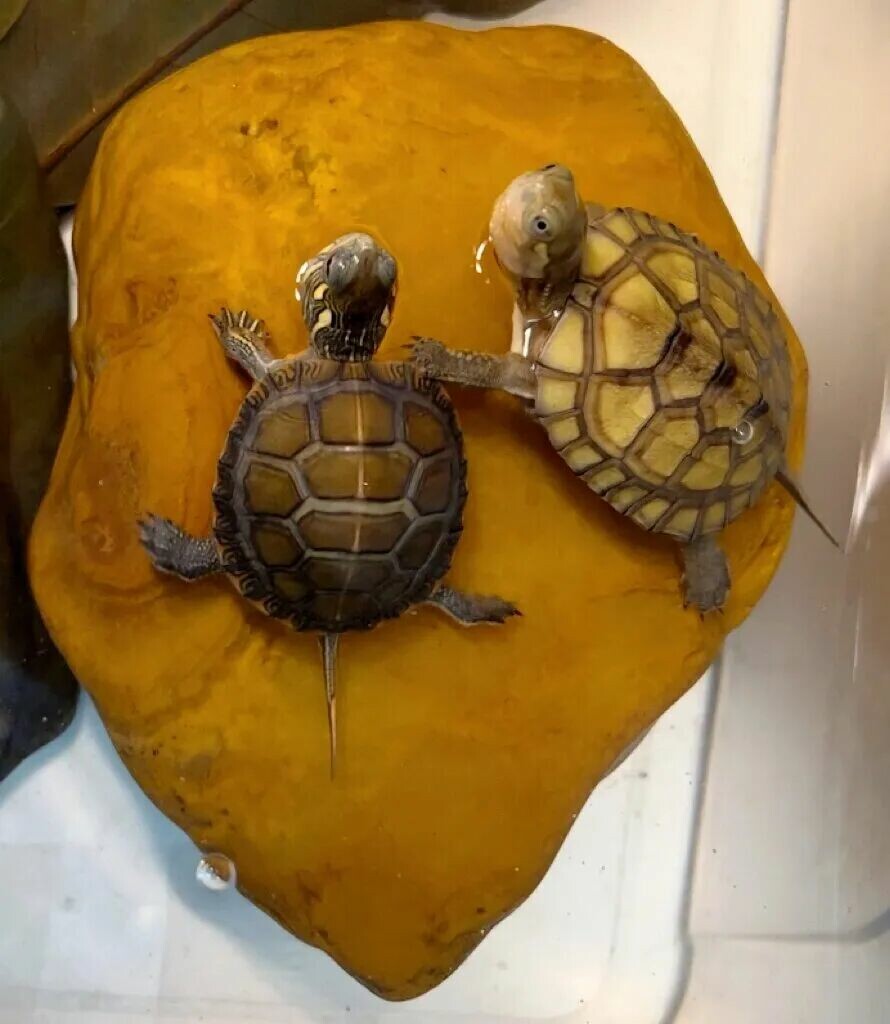
Natural vs. Heated Overwintering: The Core Logic
The essence of natural overwintering is to replicate the survival strategy of turtles in the wild: when the water temperature drops below 15°C, hatchlings enter a state of semi-hibernation (brumation, a state between full wakefulness and deep hibernation) or full hibernation. Their metabolism slows to an extremely low level, and they rely on stored energy reserves to sustain life.
The advantage is that it aligns with their natural physiological rhythm and can stimulate the hatchlings’ survival potential. The risk, however, is that if a hatchling is weak, has insufficient energy reserves, or the environment fluctuates significantly, it can easily perish during hibernation.
Heated, constant-temperature overwintering, on the other hand, uses equipment like heating rods to maintain the water temperature within the optimal active range for turtles, typically 24-28°C. This allows the hatchlings to continue eating and growing.
The advantage is its high safety factor, making it especially suitable for individuals in poor health. The downside is that it goes against their natural cycle, potentially weakening the hatchlings’ long-term environmental adaptability. It also requires a continuous investment in equipment and electricity, with equipment failure being another potential hazard.
There is no absolute “best” method, only the one most suitable for the current conditions.
North-South Regional Differences: Climate Dictates Overwintering Strategy
Southern Regions (Winter temperatures often above 5°C)
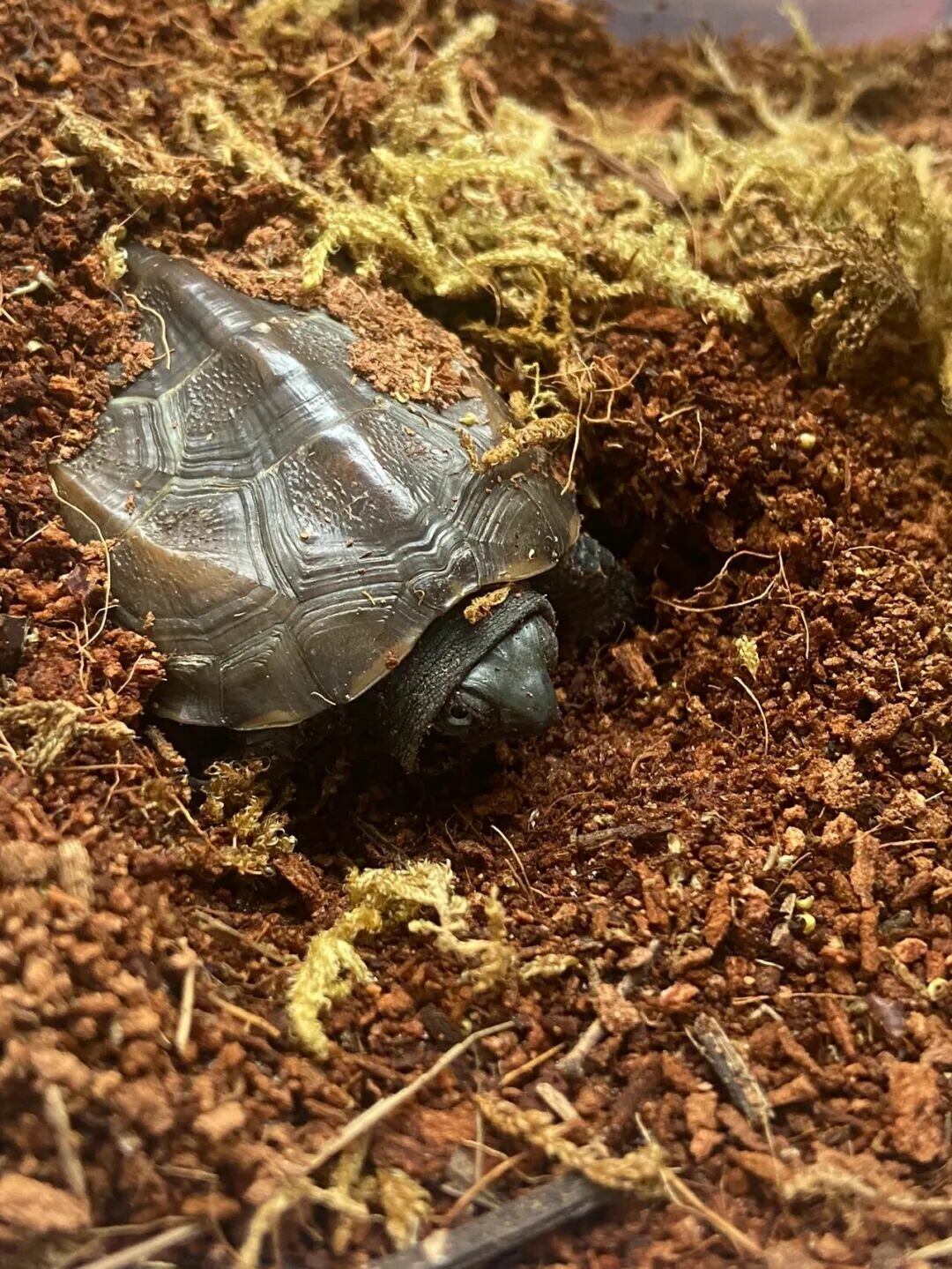
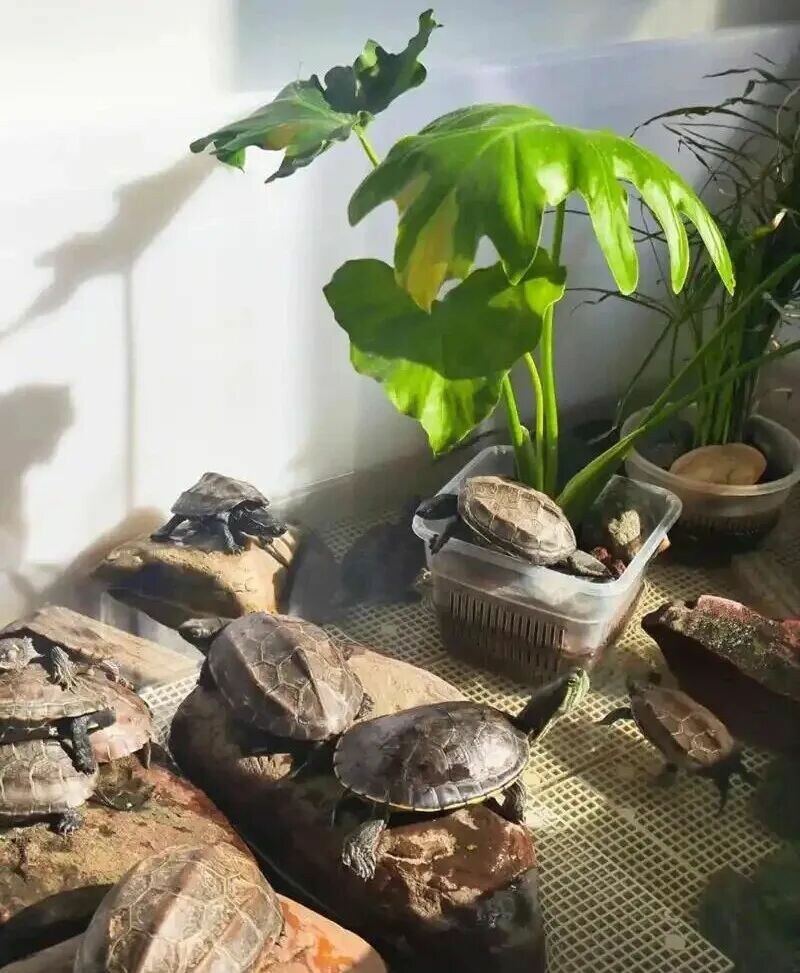
Feasibility of Natural Overwintering: High. In areas like Liangguang (Guangdong and Guangxi) and Fujian, winters are short and mild, making it entirely feasible for healthy hatchlings to hibernate naturally. This can be achieved by simply deepening the water, providing shelter (like fallen leaves or tiles) to buffer temperature changes, or using substrates like sphagnum moss or coconut coir for hibernation. Ensuring proper moisture and protection from occasional cold snaps is key.
Necessity of Heating: Generally not essential. However, if a hatchling was born late (e.g., after October), is underweight, or faces an extreme cold wave, short-term heating is recommended as a life-saving measure.
The crucial point is that winter temperatures in the south can fluctuate greatly, and one must guard against the energy depletion caused by a cycle of repeatedly entering and waking from hibernation. For instance, where I live, winter temperatures are highly variable. Over the years, I’ve observed that turtles only get a few dozen days of peaceful sleep. The rest of the time, they are in a state of restlessness. Consequently, I now let them overwinter in their regular environment, just as they are, but simply withhold food.
Northern Regions (Winter temperatures persistently below 0°C, with central heating)
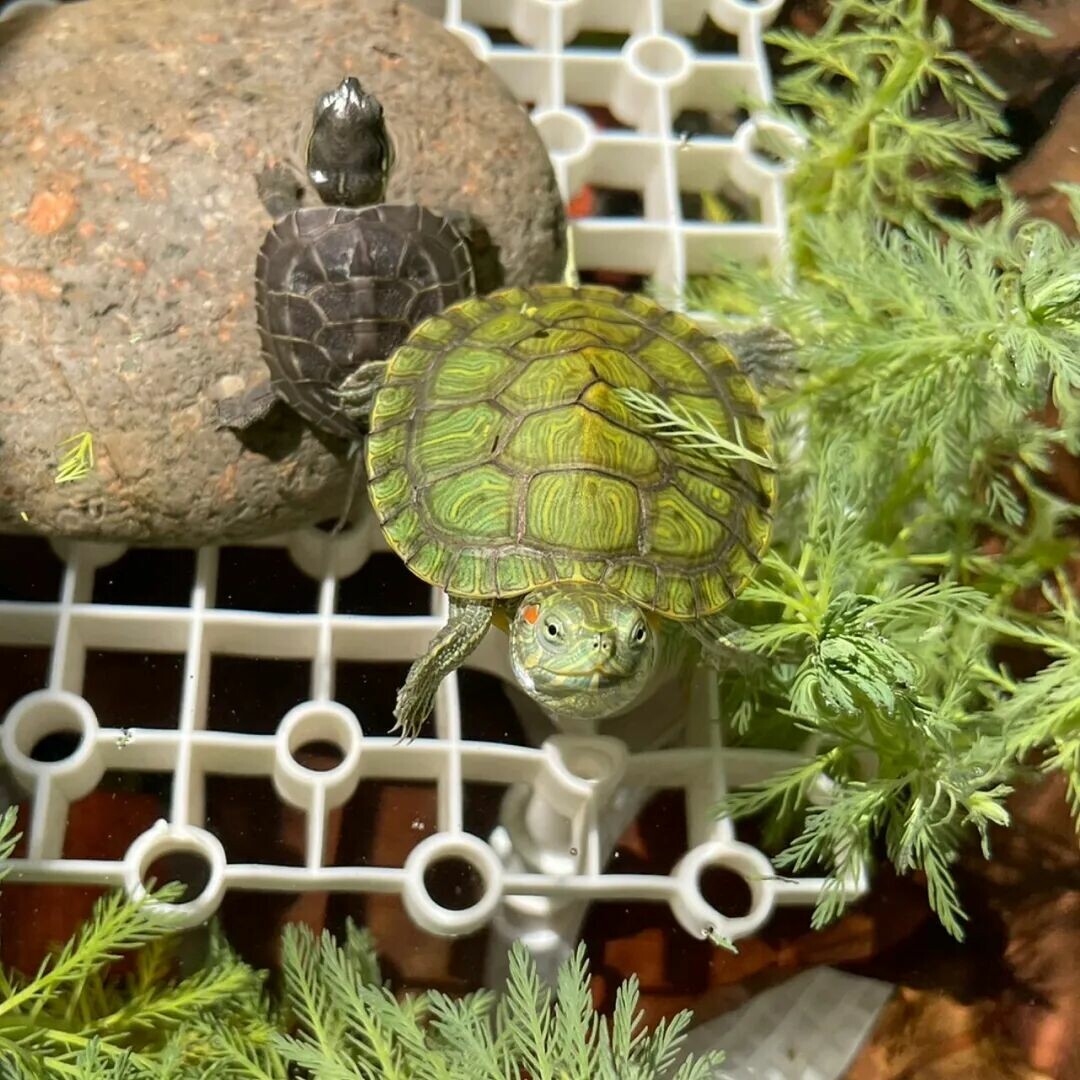
Feasibility of Natural Overwintering: Challenging. Outdoor water bodies will freeze, which is lethal to hatchlings. Even if moved indoors, if the room temperature is below 15°C without heating, hibernation is possible. However, the prolonged duration of the cold season increases the risk of death during hibernation.
Necessity of Heating: Although northern homes have central heating, room temperatures often hover around 18-22°C and can drop lower at night. This fails to provide the stable, low temperature required for safe hibernation. Therefore, using a heating rod to maintain a constant water temperature is essential.
Beware of “heater sickness”—central heating causes dry air, so it is important to monitor water evaporation and replenish it promptly.
Differences in Hatchling Condition: Constitution is the ‘Capital’ for Winter Survival
Healthy Hatchlings (Adequate weight, active, and lively)
Natural Overwintering: If they hatched early (before August) and have accumulated sufficient fat reserves, natural hibernation can be attempted. The success rate for healthy hatchlings in the south is relatively high.
Heated Overwintering: Many influencers recommend that even healthy hatchlings in the north should be kept heated to prevent growth stagnation at low temperatures or accidental death. I personally lean towards this method as well. However, if you can provide a suitable hibernation environment and the turtle’s constitution is sound, it is worth a try, as the probability of death is not that high.
Weak or Late-Season Hatchlings (Underweight, sluggish, or hatched late)
Natural Overwintering: Strictly prohibited! These hatchlings have insufficient energy reserves, and natural hibernation would be tantamount to ‘suicide’.
Heated Overwintering: The only option. Regardless of whether you are in the north or south, they must be reared at a constant temperature until late spring of the following year. Natural hibernation should only be considered after their health has improved.
Differences in Rearing Environment: Details Determine Success
Outdoor Environments (Ponds, outdoor turtle tubs)
Only suitable for healthy hatchlings in certain parts of the south. It is imperative to ensure the water depth is ≥30 cm (to prevent it from freezing solid) and to provide elements like mud or aquatic plants for the hatchlings to burrow into for refuge. A gut purge (stopping feeding for 1-2 weeks) is necessary beforehand to prevent residual food from decaying in their intestines.
Indoor Environments (Turtle tanks, storage containers)
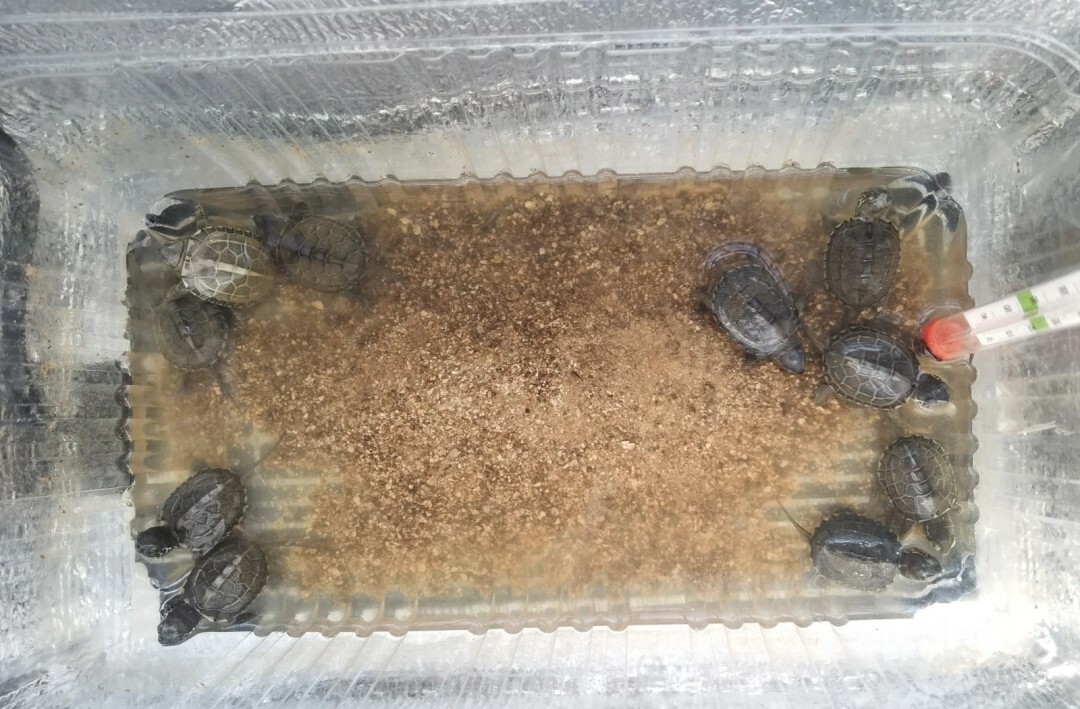
For Proponents of Natural Hibernation: Use moisture-retaining materials like moss or coconut coir to create a dark, quiet environment with a stable temperature between 5-10°C. Check once or twice a month to prevent drying out or molding.
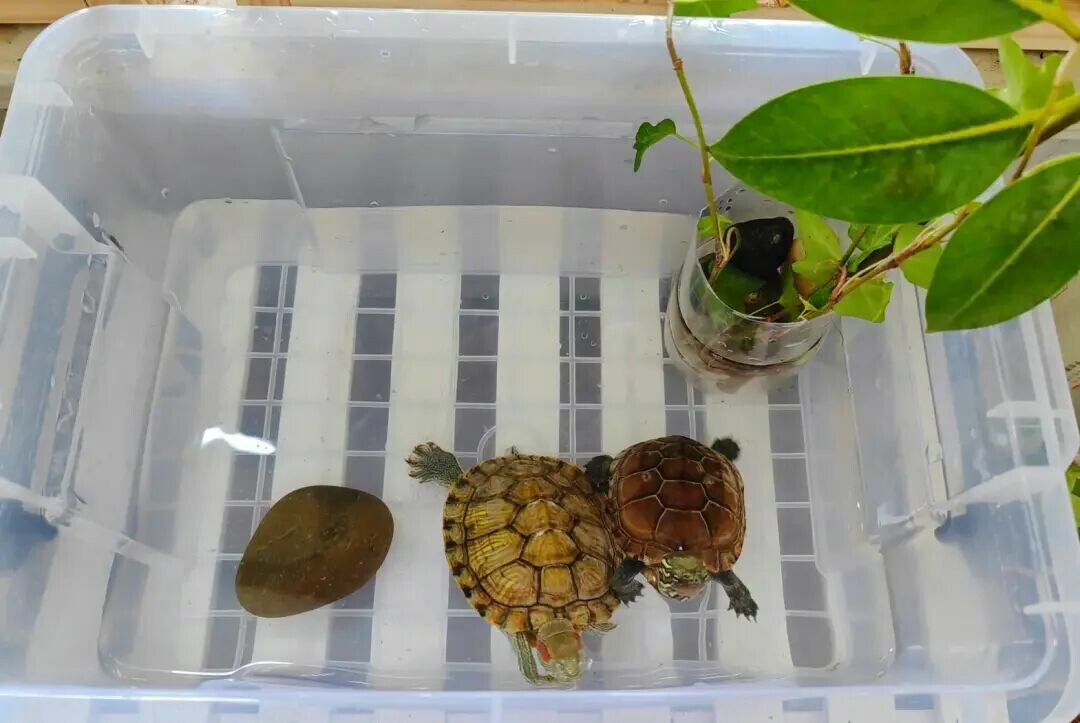
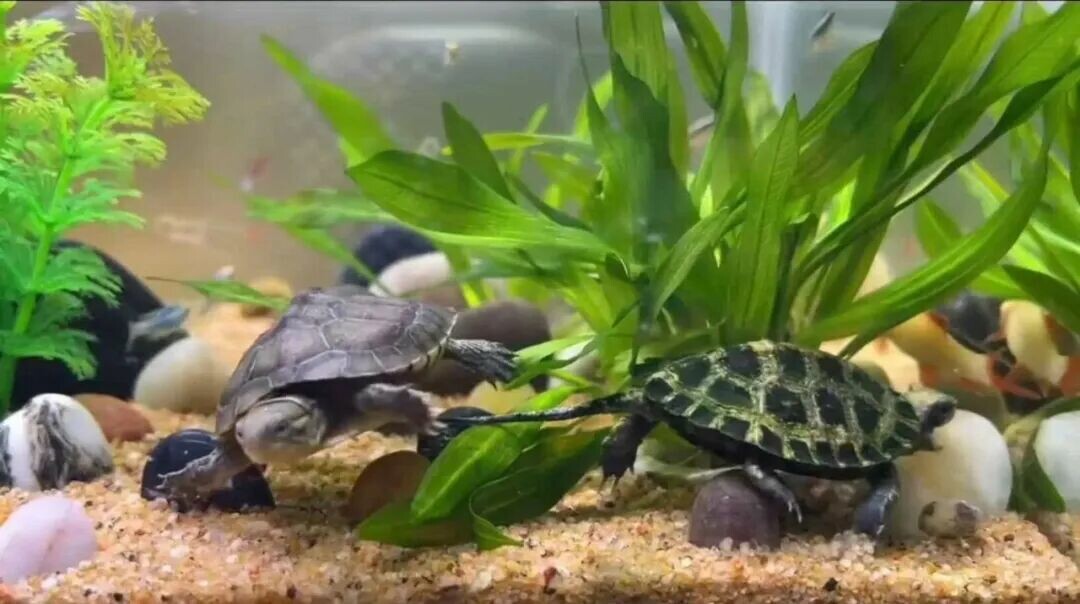
For the Heating Camp: A heating rod and a thermometer are essential, complemented by a filter to maintain water quality. The water level must completely submerge the heating rod to avoid a dry burn. It is advisable to cover the tank, leaving a gap for ventilation, to reduce evaporation.
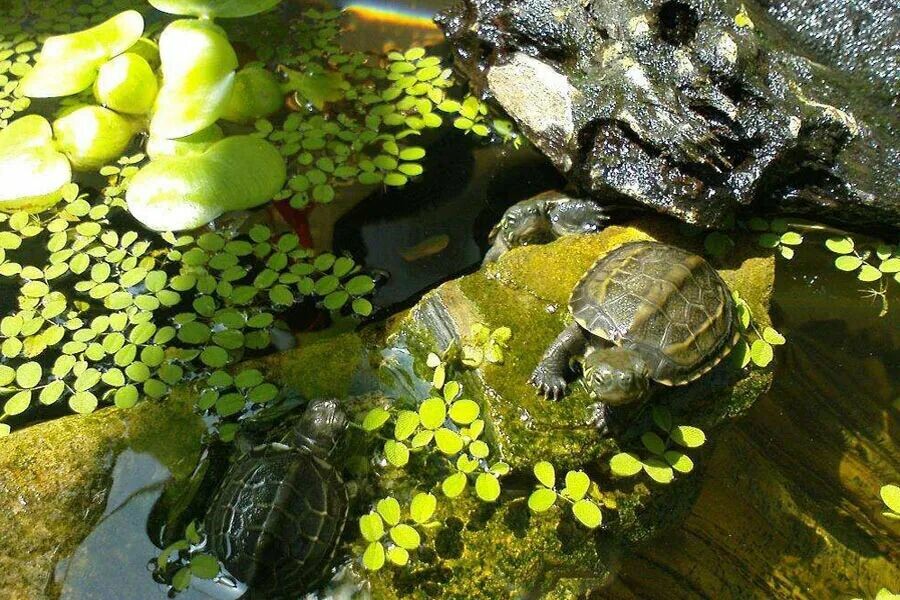
The essence of overwintering hatchlings lies in balancing energy management with environmental stability. If you are uncertain about your hatchling’s health or if your local climate is highly volatile, heated overwintering is always the safer choice. After all, only by surviving can they live to witness every stage of their future growth.
Original article by KPTer, if reproduced, please cite the source: https://www.kaipet.com/en/overwintering-turtle-hatchlings-natural-hibernation-artificial-heating-north-south-divide-determines-90-survival-rate




Comments(2)
文章分析得很透彻,南北方温差对幼龟过冬影响确实大。你认为南方幼龟自然越冬,需要注意哪些细节来避免温度骤变?
@CriticX:您提出的关于南方幼龟越冬时需要注意的细节非常有价值!特别是关于温度波动对幼龟能量消耗的影响,这确实是南方饲养者需要特别关注的。感谢您的深入分析!