

Have you ever encountered this situation: the turtle tank water you just changed becomes murky and smelly in less than a day, and it might even be bubbling? Don’t worry, you’re not alone in this dilemma; it’s a common pitfall for many fellow turtle keepers! This is a problem and frustration that fellow turtle keepers ask about every day.
A smelly turtle tank is never caused by a single reason but is the result of multiple overlapping issues. Only by identifying the root causes can you solve the problem completely. Below, we will analyze in detail the 5 major common causes and provide practical and feasible solutions.
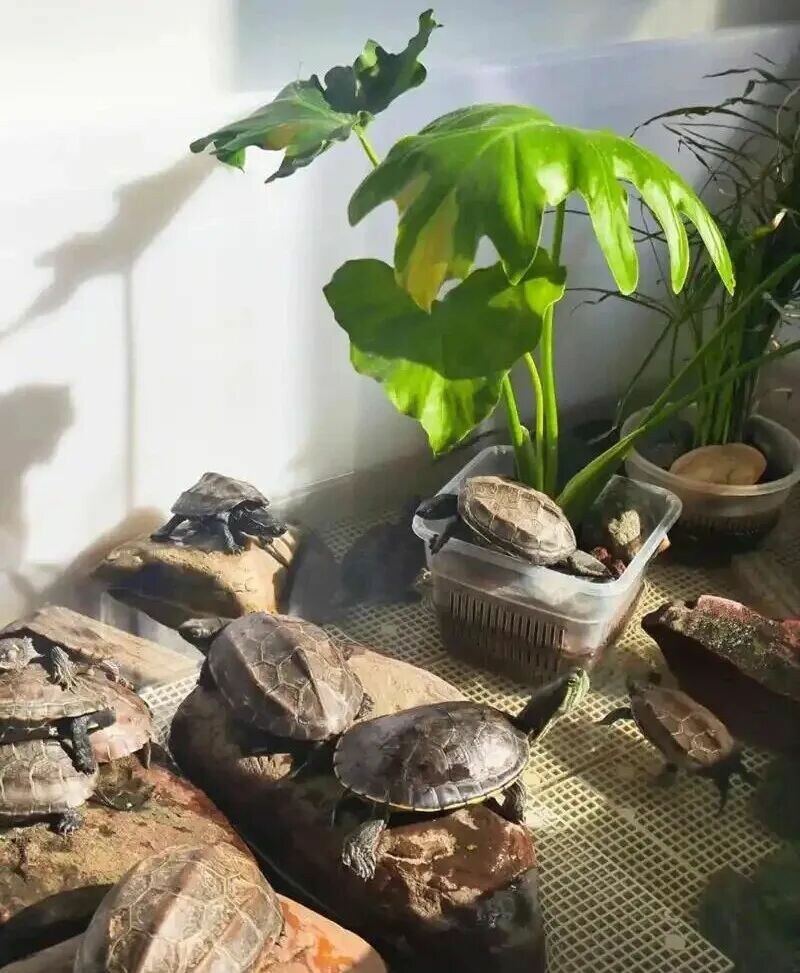
The 5 Main Culprits of Smelly Turtle Tank Water
Excessive Excrement
Turtles are typical “straight-gutted” animals (meaning animals with fast metabolisms that excrete frequently); they eat a lot and excrete a lot. The decomposition of large amounts of feces in the water produces harmful substances like ammonia nitrogen and hydrogen sulfide, which not only emit a foul odor but also endanger the turtle’s health.
Decomposition of Food Residue
If turtle food, small fish, shrimp, and other food items are not eaten promptly, they will rot and spoil in the water, becoming a breeding ground for bacteria. This process is even faster in the summer, and the water can become fishy and smelly very quickly.
Inadequate Filtration System
Many people use a small basin or tank to keep turtles, thinking that daily water changes are enough. However, without a filtration system, the body of water cannot undergo physical and biological purification. Pollutants accumulate rapidly, and the water quality deteriorates quickly. Ultimately, this all comes down to the body of water being too small.
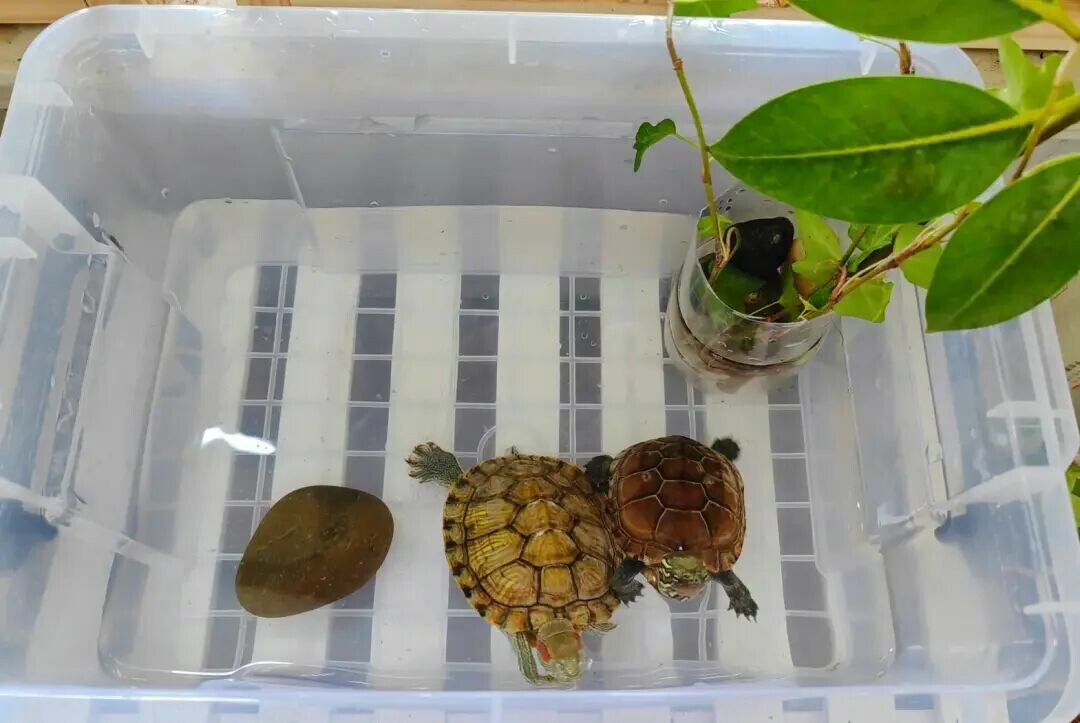
Concentration Skyrockets Due to Small Water Volume
The smaller the volume of water, the faster the concentration of feces and food scraps rises, and the higher the rate of pollution. This is also the main reason why many fellow turtle keepers complain that the water “smells in just 1 day”—your tank is simply too small!
You’ll see some fellow keepers using just a shallow layer of water while still feeding heavily. In this situation, it’s hard for the water not to smell, wouldn’t you agree? Normally, it’s understandable for the water to get dirty in a day, but for it to become smelly in just one day indicates that the environment is truly too fragile.
High Water Temperature and Bacterial Reproduction
When water temperature rises in the summer, the speed of bacterial reproduction grows exponentially, and the decomposition rate of organic matter also accelerates significantly. Sometimes, a noticeable odor can be detected in just half a day.
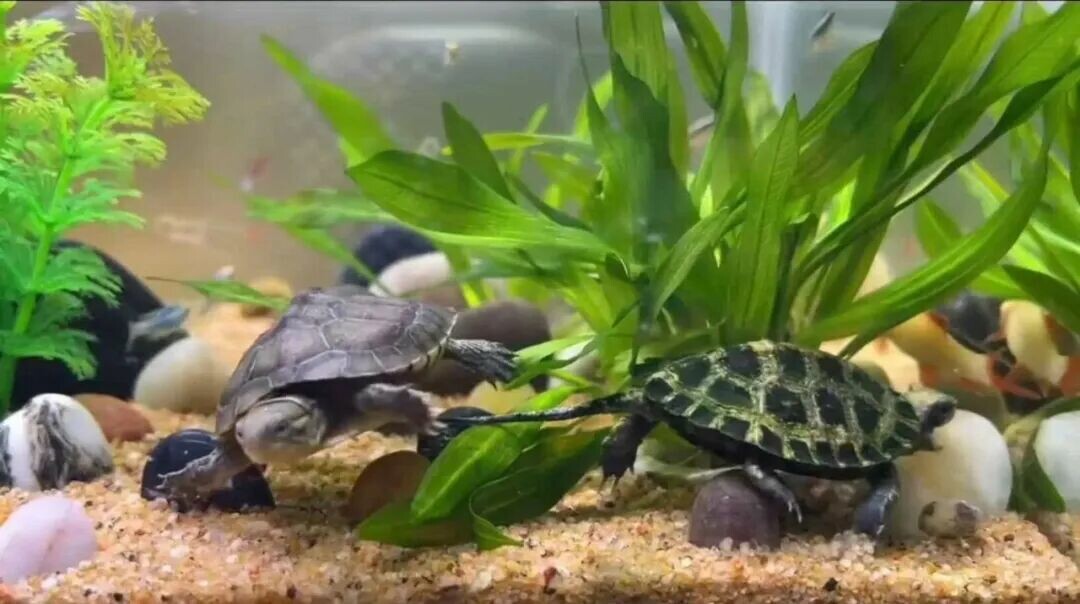
Solving the Water Odor Problem from the Root
Upgrade the Filtration System
It is recommended to choose filtration equipment suitable for a turtle tank (such as an external canister filter) and ensure that the filter’s flow rate matches the size of your tank. A filter not only physically removes debris but also cultivates nitrifying bacteria for biological filtration. However, this is predicated on the condition that your water volume isn’t too small; you’ll find that even with a filter, it will be ineffective in a very small body of water.
Increase the Water Volume
It is strongly recommended to use a larger tank for raising turtles. The more water there is, the stronger its ability to dilute pollutants, and the more stable the water quality will be. It is generally recommended that each turtle has at least 20-40 liters of water space—the bigger, the better.
Control Feeding and Clean Up Promptly
It is recommended to feed a set amount to avoid excessive leftovers. It’s best to clean up uneaten food and excrement within 20 minutes after feeding.
Establish a Regular Water Change Habit
Even with a filtration system, it is recommended to perform regular water changes (about 1/3 weekly) to prevent the excessive accumulation of pollutants.
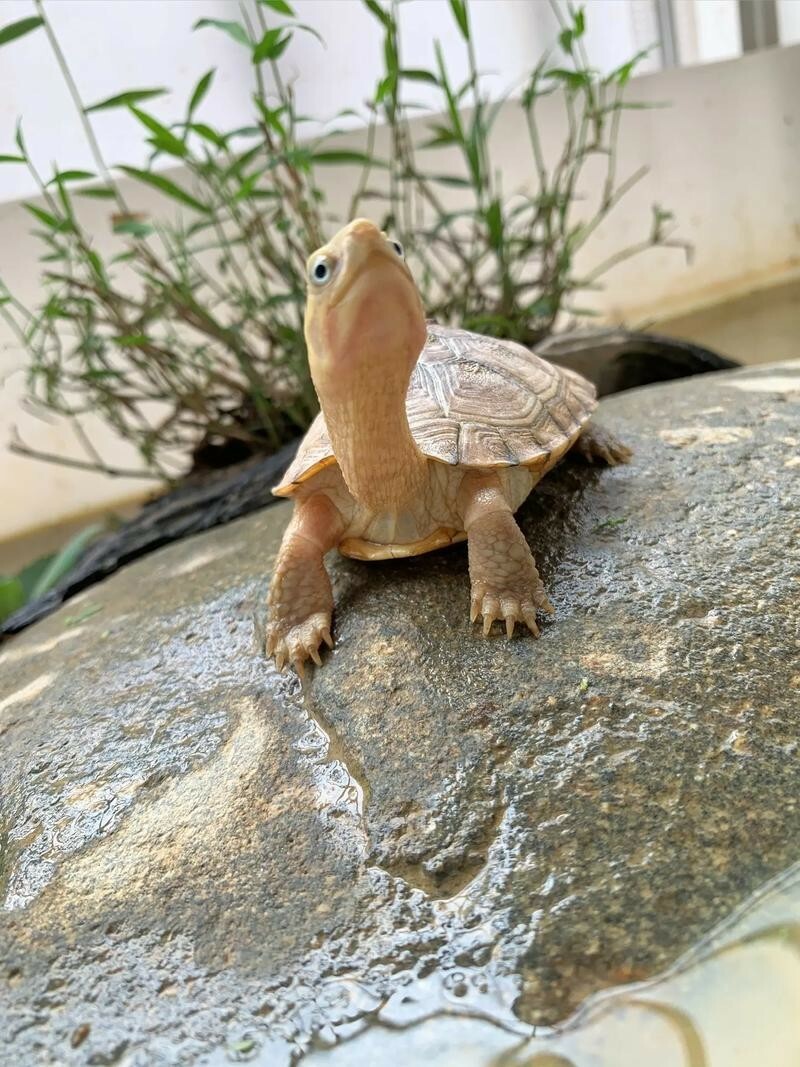
Extra Tips
Planting a small number of aquatic plants (like duckweed or water hyacinth) can absorb some nitrates, but they need a plant protector to be safe.
Adding some cleaner fish or black shell shrimp can help clean up food scraps and algae, but of course, they also need protection.
To sum up, if you want your turtle tank water to be crystal clear and stay fresh for a long time, remember: a large volume of water! This is the most fundamental requirement; everything else is just the icing on the cake. A turtle’s health depends on a clean water environment. Investing in a good habitat is the only way to truly raise turtles with ease and enjoy the fun!
Original article by 搬运工, if reproduced, please cite the source: https://www.kaipet.com/en/turtle-tank-water-smells-bad-day-5-main-culprits-ultimate-solutions


Comments(2)
This is so spot on! My tank always seems to get smelly fast. What’s the minimum water volume you’d recommend for a *growing* turtle?
@CriticX:We’re glad you found the post helpful! For a growing turtle, the article suggests at least 20-40 liters of water space per turtle. Generally, the bigger the tank, the more stable the water quality will be, which is especially beneficial as they grow!