

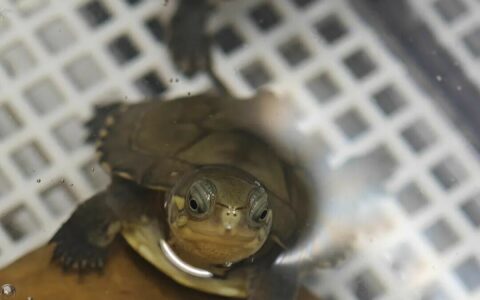
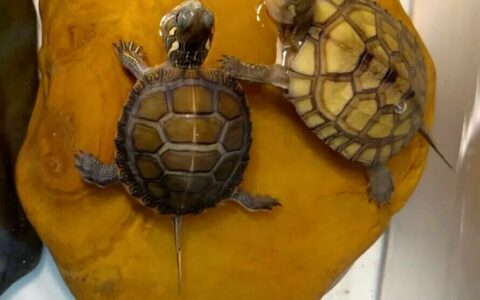
As winter approaches, countless fellow turtle keepers are likely starting to grapple with the question of whether to hibernate their pets. Let’s take the Chinese Pond Turtle as our example. Owners of these turtles are losing sleep over the same question: should they let their beloved turtles hibernate? In the turtle-keeping community, this has become a hot topic of debate every year. Today, let’s delve into this issue and unravel the persistent worry that plagues countless owners.
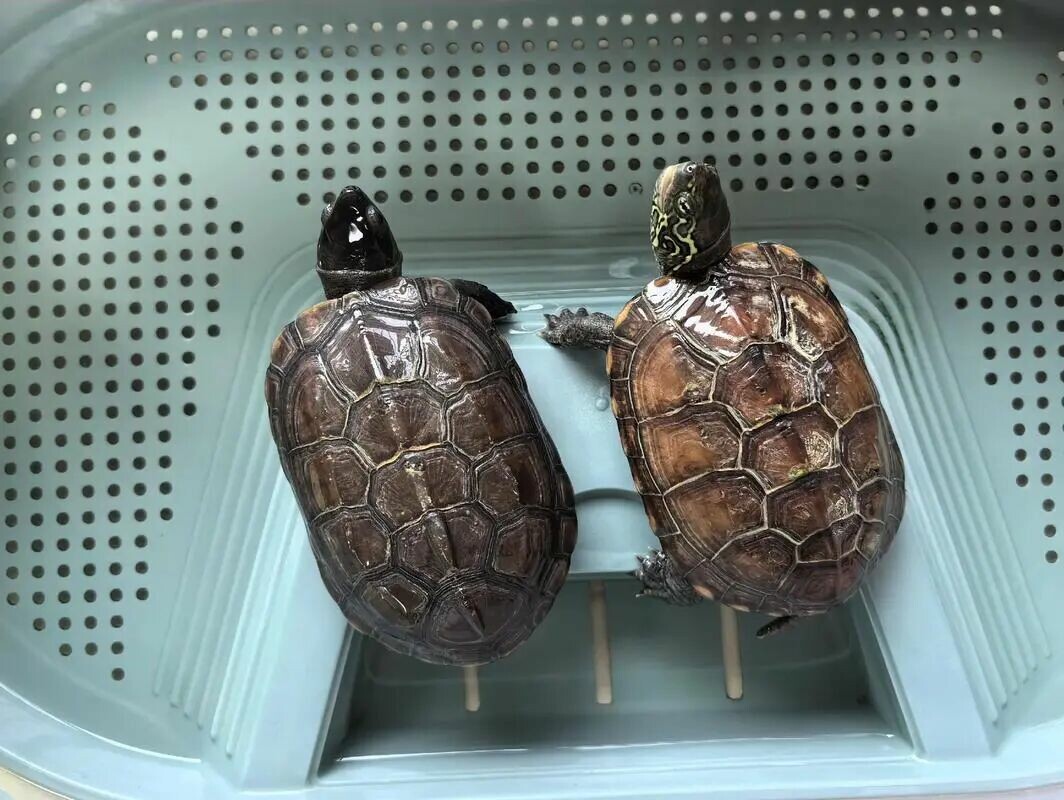
Hibernation: The “Annual Wellness Package” for a Healthy Turtle
For a healthy adult Chinese Pond Turtle, hibernation is not only an instinct passed down through millennia but also a natural health management solution bestowed by nature itself.
An In-Depth Look at the 3 Remarkable Benefits of Hibernation
A Regulator for the Biological Clock:
Hibernation puts the turtle’s metabolism into an “energy-saving mode,”akin to giving its body a deep conditioning treatment. During the months-long slumber, the turtle’s various organs get a full rest. This natural rhythm can effectively extend its lifespan.An Immunity Upgrade:
Successful hibernation is the ultimate test of a turtle’s constitution. During this process, the digestive system completely empties and rests, clearing out harmful substances from the body, which is equivalent to a “full-body detox.” Turtles that have undergone hibernation have a significantly lower risk of illness in the following year, and their constitution sees a qualitative leap.A Booster for Reproduction and Appearance:
The low-temperature environment ingeniously stimulates the development of the turtle’s gonads, laying a solid foundation for reproduction in the coming year. At the same time, pigment deposition during hibernation will make the patterns on their shells become more vibrant and striking—it’s truly a natural “beauty treatment.”
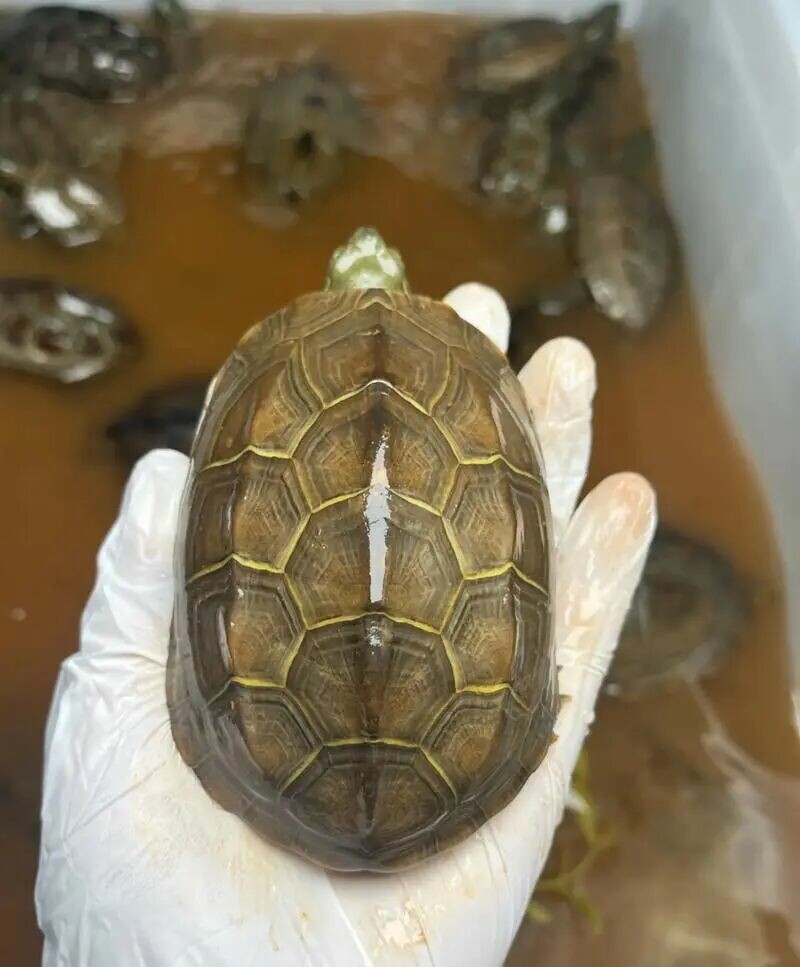
Turtle Hibernation Trivia
During hibernation, a wild Chinese Pond Turtle’s heart rate can drop to just 1-2 beats per minute, and its breathing frequency is also drastically reduced, requiring very little air. This incredible physiological regulation is precisely the secret to the Chinese Pond Turtle’s resilience.
The No-Go Zone for Hibernation: When You Must Say “No”
Although hibernation is beneficial, it is not a one-size-fits-all approach. In the following situations, please be sure to choose overwintering with heating (maintaining a suitable temperature artificially to prevent the pet from hibernating):
The “High-Risk Group” That Absolutely Cannot Hibernate
- Sick or Weak Turtles: For turtles suffering from pneumonia, gastroenteritis, or shell and skin rot, hibernation is tantamount to a death sentence.
- Hatchlings: Hatchlings born in the current year are weak and have insufficient energy reserves. It’s not that they absolutely cannot hibernate, but the hibernation mortality rate can be as high as 70%, especially for late-season hatchlings (those hatched later in the year, which are smaller).
- Underweight Turtles: Unsure how to judge? Simply put, any turtle with a disproportionate shell length-to-weight ratio is unsuitable; it doesn’t have a substantial, heavy feel in your hand.
- Newcomers: The health status of a newly acquired turtle is unknown. It is recommended to keep it in a heated environment for observation for one year before considering hibernation.
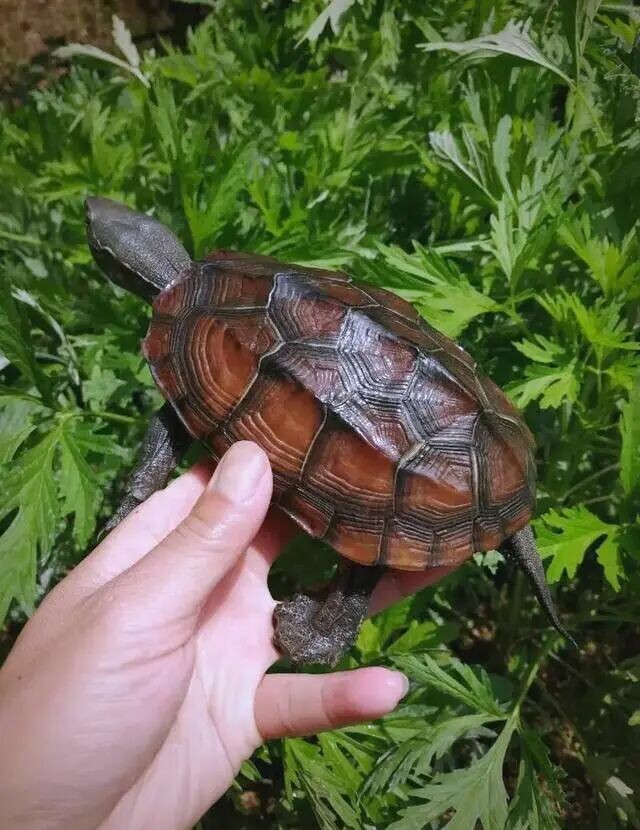
The Complete Guide to Turtle Hibernation: Helping Your Beloved Turtle Sleep Soundly
If you have decided to let your Chinese Pond Turtle hibernate, these preparations are essential:
Environmental Preparation
- Natural Indoor Hibernation: Prepare damp sphagnum moss, sand, or coco coir (a substrate made from coconut husks). The ideal ambient temperature should be maintained between 5-10°C.
- The Refrigerator Method: Strictly control the temperature between 3-8°C and regularly check the humidity. Personally, I don’t recommend this method. The space is limited, and besides, do you still plan to use the refrigerator for your own food? It should only be considered as a last resort when a stable environment is unavailable.
- Aquatic Hibernation: Lower the water level appropriately, ensure the water quality is clean, and keep the environment dim.
Key Steps Before and After Hibernation
- Fasting and Clearing the Gut: Stop feeding 2-3 weeks before hibernation to allow the turtle to empty its digestive tract.
- Mid-Hibernation Monitoring: If you notice white eye disease or severe skin rot, immediately interrupt the hibernation and use heating to help the turtle recover.
- Post-Hibernation Care: Do not feed immediately after the turtle wakes up in the spring. First, rehydrate it with water, then gradually reintroduce food.
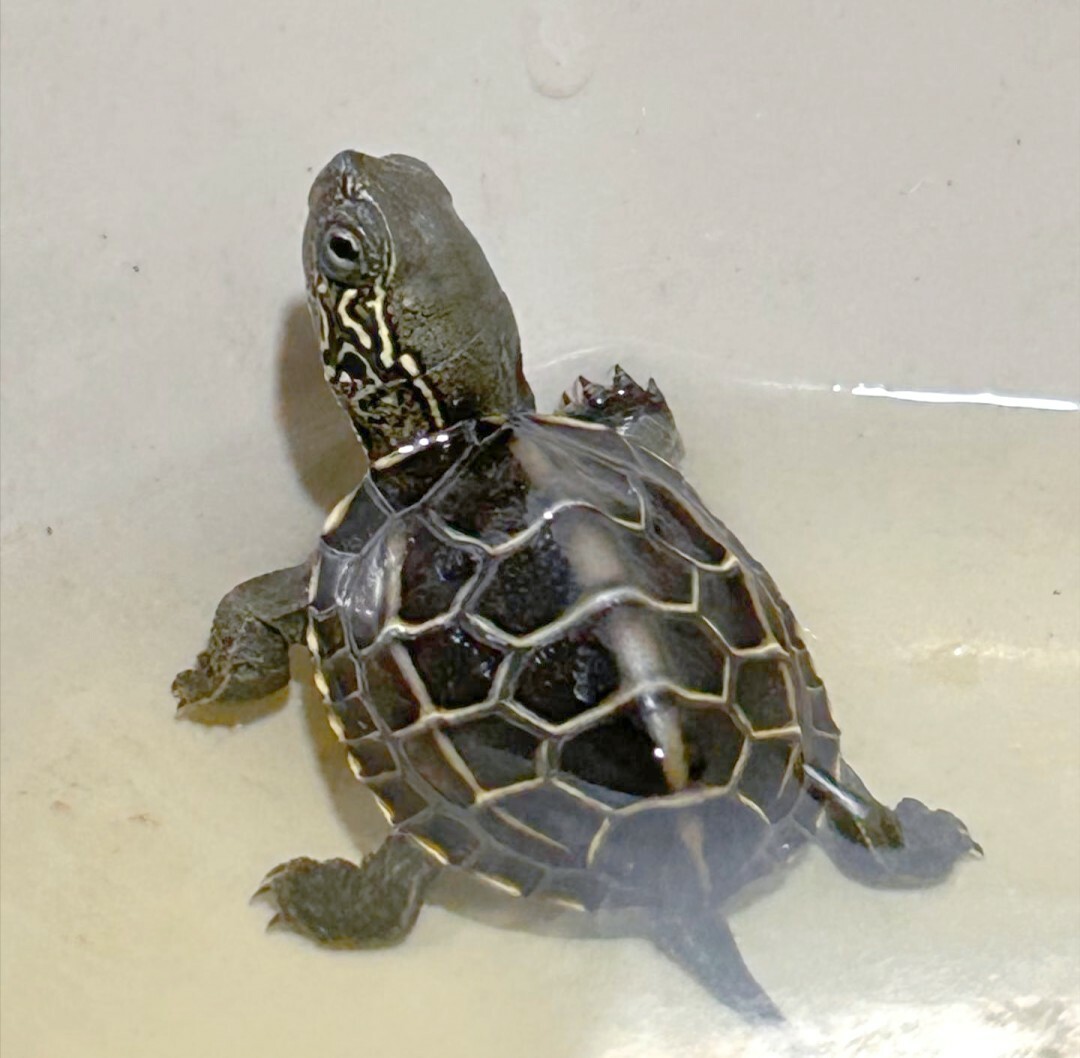
The consensus among veteran turtle keepers is: it is far better to prioritize the turtle’s health than to blindly pursue hibernation.
If your Chinese Pond Turtle meets the conditions for hibernation, it is indeed the most ideal choice. However, if any risk factors are present, overwintering with heating is the responsible decision.
Raising turtles isn’t about rigidly following a textbook; it requires making the most suitable choice based on each individual turtle’s actual condition. Your careful observation and sound judgment are the ultimate guarantee for your beloved turtle’s health and safety throughout the winter.
Original article by KPTer, if reproduced, please cite the source: https://www.kaipet.com/en/double-turtles-lifespan-proper-hibernation-beginners-guide-3-key-benefits-prohibitions




Comments(2)
太棒了!文章详细解释了冬眠的好处,但我有点好奇,除了中国水龟,还有哪些常见宠物龟也适合冬眠呢?
@CriticX:感谢您的提问!除了中国水龟,一些常见的宠物龟,例如草龟、黄缘闭壳龟等,在满足特定健康条件和环境要求的情况下,也可能适合冬眠。最重要的是根据您爱龟的具体情况来判断。