

In spring, all things revive and temperatures rise. Turtle hobbyists (a term for turtle enthusiasts), looking at your beloved turtles that have been "hibernating" for a long time, are you unable to hold back the urge to feed them? Especially during periods of continuous spring rain when it gets quite warm, you see your beloved turtle’s appetite climbing day by day. With turtle food in hand, you are impatient.
Hold on! Spring temperatures fluctuate greatly; do not be misled by a brief warm-up. Rushing to feed could lead to a big mistake! Spring temperatures are like a "roller coaster," going up and down, which is not friendly to beloved turtles that have just gone through winter.
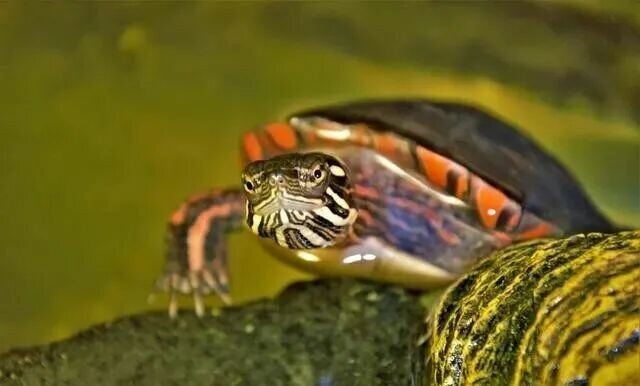
Potential Risks of Spring Feeding
Turtles are ectotherms (animals whose body temperature changes with the environmental temperature), and their digestive function is greatly affected by temperature. After 1 winter of low temperatures, your beloved turtle’s metabolic rate is very slow, and its digestive system is also in a "dormant" state. As the temperature rises, the turtle will have the desire to eat, but sudden feeding—especially in large quantities—is something its stomach and intestines simply cannot withstand. It is very easy to induce digestive system diseases such as enteritis.
Spring temperatures are unstable, fluctuating between cold and hot. And don’t forget, there is a "spring killer": the Daochunhan (a cold spell in late spring where temperatures drop lower than the historical average after an initial warming)! Today might be sunny, but tomorrow might be freezing. If a temperature drop occurs after feeding, the turtle’s digestion speed will slow down further, causing food to accumulate in the stomach and intestines to ferment and spoil. The consequences would be disastrous.
Spring is a peak period for turtle diseases. Having gone through the consumption of energy over 1 winter, your beloved turtle’s constitution is relatively weak, and its immunity has declined, making it more susceptible to bacterial invasion. Improper feeding will further weaken the turtle’s constitution and increase the risk of illness.
Scientific Feeding Suggestions
Pay close attention to the weather forecast; do not just look at the maximum temperature, but focus more on the minimum temperature and the temperature difference between day and night. It is recommended to wait until the minimum temperature is stable at around 18°C for 1 continuous week before considering feeding. Usually, for most regions, this means around Qingming (one of the 24 solar terms, the 5th solar term of spring), when temperatures become relatively stable. In southern provinces, some places become quite warm in March, so small amounts of food can be given.
Feeding should be gradual, from less to more, starting with easily digestible food. At the beginning, you can feed some easily digestible foods like turtle pellets or vegetables. Feed small amounts frequently, observe the turtle’s defecation, and gradually increase the amount and variety of food.
Keep the water clean and provide ample sunlight. Good water quality and sufficient sunlight are beneficial to your beloved turtle’s health and can also improve its appetite and digestive ability. However, spring sunshine is precious; when there is sunshine, try to let your beloved turtle choose whether to bask or not.
Feeding Management and Handling Special Situations
Remember, when raising turtles in spring, it is better to let them starve than to overfeed them! Control your hands, don’t rush to feed, and wait patiently for the temperature to stabilize; this is the best care for your beloved turtle!
We can also handle things differently based on the actual situation. For example, different breeds of beloved turtles have different tolerance levels for temperature, so the timing of feeding should also differ. If the turtle is being heated, as long as the heating has not been removed, there is no impact; just continue feeding.
Or you can prepare a thermometer to monitor the water temperature in real-time, allowing for a more accurate judgment of whether it is suitable to feed.
If you discover that your beloved turtle is showing a lack of appetite, listlessness, or abnormal defecation, you must take timely action; apply heat if necessary. Raising the temperature can actually solve many of your beloved turtle’s problems.
I hope that no matter how you face your beloved turtle’s begging for food or how pitiful it looks, you must resist the urge to feed it yourself. Check the weather forecast more often, and let your beloved turtle spend the spring healthily and happily!
Original article by 搬运工, if reproduced, please cite the source: https://www.kaipet.com/en/feed-turtles-spring-read-precautions-spring-turtle-care-dont-wait-beloved-turtle-dies-regret





Comments(1)
This is such important advice! I’m wondering if feeding guidelines, especially the 18°C minimum, vary for different turtle breeds?