

In recent years, the invasion of alien species has become a significant hidden danger threatening China’s native ecosystems. Many of these invasive animals, due to their super adaptability and reproductive capabilities, have inflicted heavy damage on the survival of native species and ecological balance. Based on the list of invasive species published by ecological environment departments and reports from authoritative media, this article compiles a ranking of China’s Top 10 Invasive Animals. Let’s take a look at what they are.
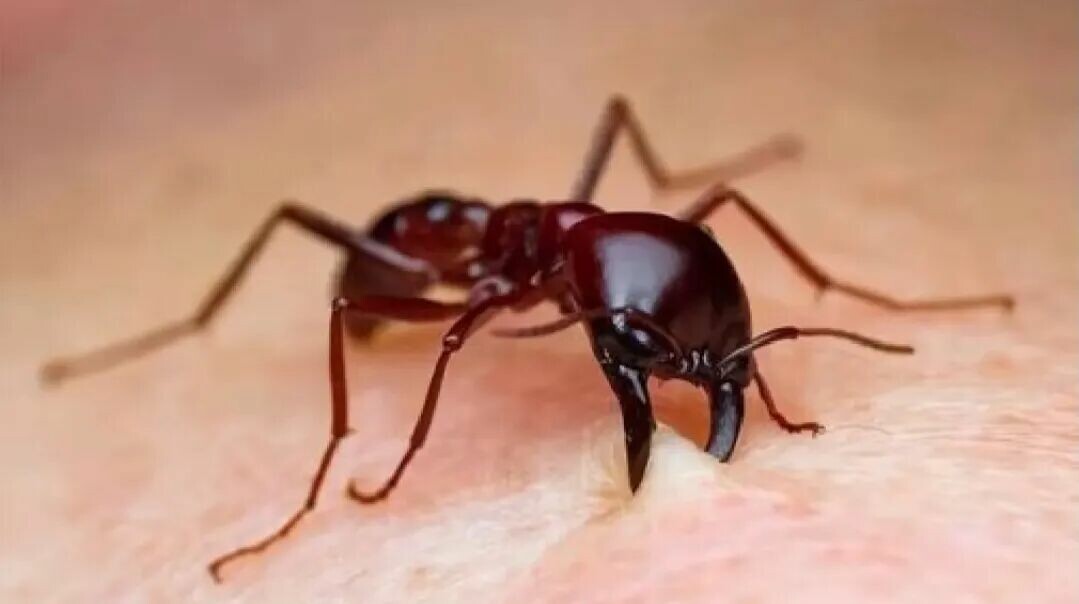
Red Imported Fire Ant
The Red Imported Fire Ant (Solenopsis invicta) is native to South America and is one of the most damaging invasive insects in China; its Latin name means “invincible ant.” It not only attacks native insects and bird hatchlings but is also highly aggressive towards humans. It is recognized globally as one of the 100 most dangerous invasive species. Its venom can cause skin burns and anaphylactic shock, causing economic losses exceeding 1.2 billion RMB annually. First discovered in Guangdong in 2004, it has now spread to 435 counties and districts across 12 provinces.
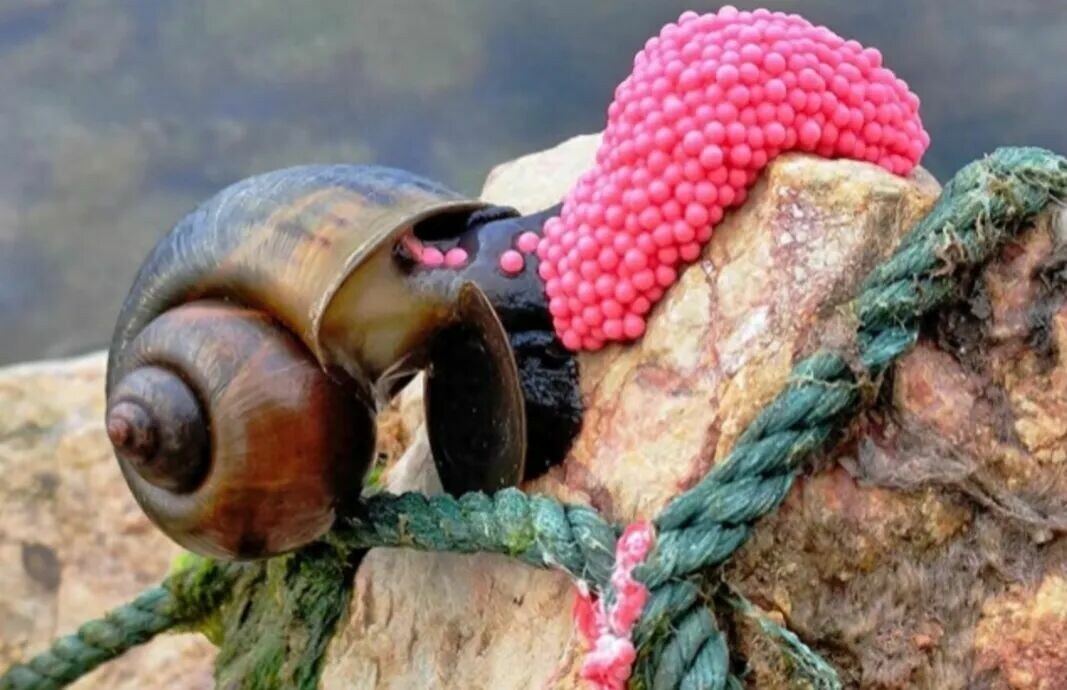
Golden Apple Snail
The Golden Apple Snail (Pomacea canaliculata) is native to the Amazon basin in South America and was introduced to China in 1981. As a major hazardous agricultural invasive organism in China, it is known as the “rice killer.” It has an astonishing reproductive capacity, with each snail laying nearly 10,000 eggs per year. It is also the intermediate host for Angiostrongylus cantonensis (a parasite that can cause meningitis in humans).
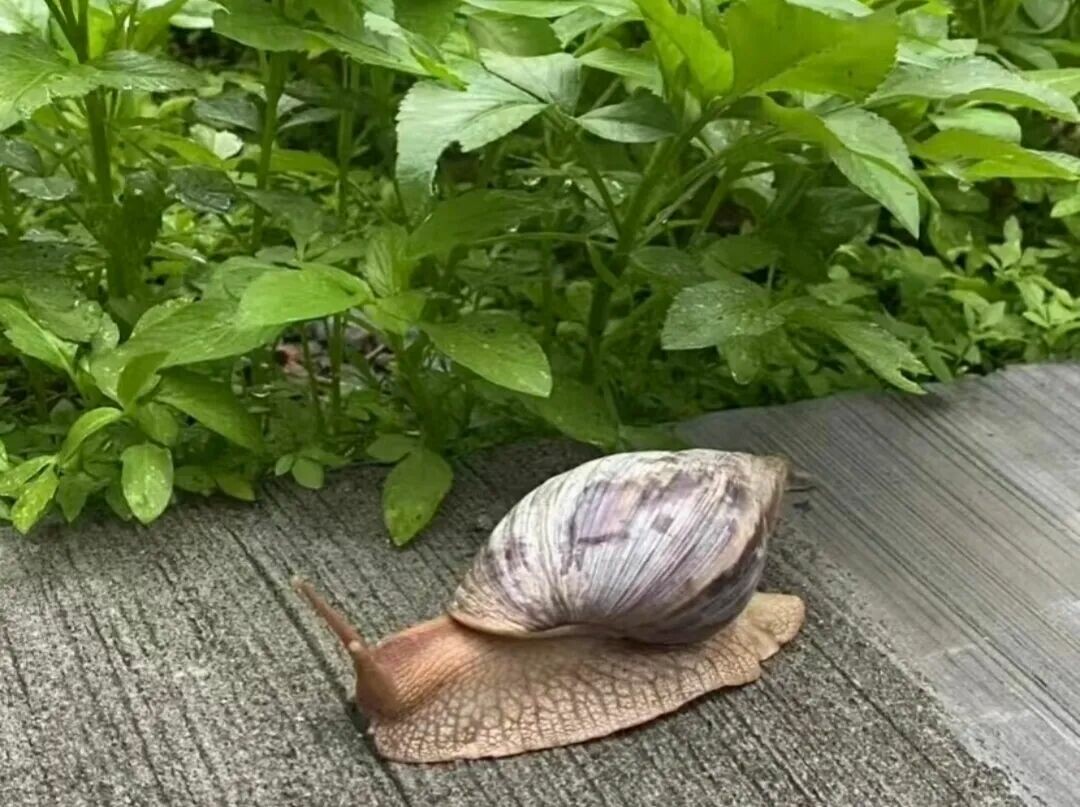
Giant African Land Snail
The Giant African Land Snail (Lissachatina fulica) is native to East Africa and was introduced to China in the 1930s. As one of the first batch of 16 invasive species in China, it has a varied diet and can harm over 500 types of plants. Even more dangerous is that its mucus and feces carry pathogens such as schistosomes (a type of parasite) and Angiostrongylus cantonensis. Contact or consumption can easily lead to serious diseases, so they should not be touched casually.
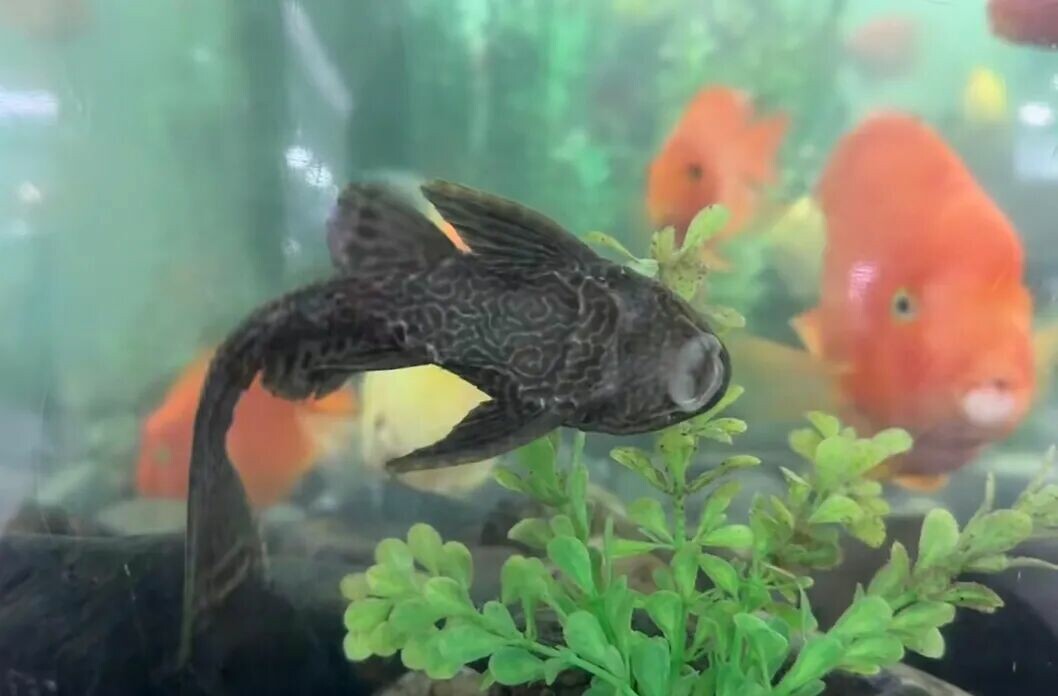
Suckermouth Catfish (Pleco)
The Suckermouth Catfish (Amazon sailfin catfish) (Pterygoplichthys pardalis) is native to the Amazon River basin in South America and was introduced to China as an ornamental fish in 1990. Often called “Janitor Fish” or “Scavenger” in Chinese, it is favored by many fishkeeping enthusiasts for its ability to eat algae on aquarium walls. However, its destructive power far exceeds imagination; it consumes large quantities of native fish eggs and fry, and has almost no natural predators. Once it enters rivers and lakes, it causes a drastic decline in native fish populations.
Tilapia
You can guess where the “Capital of Tilapia” depicted in the image above is. Tilapia (Tilapia zillii) is native to Africa and introductions began successively in 1950. Characterized by fast growth, strong reproductive ability, and tolerance to low oxygen, it is a common farmed fish. However, Tilapia that escape into natural waters compete with native fish for food and habitat. They also interfere with the genetic diversity of native fish through hybridization and other means, causing damage to the stability of freshwater ecosystems. Stable populations have already been established in natural waters such as lakes, reservoirs, and rivers south of the Yangtze River, and it has been included in the “List of Key Management Invasive Alien Species”.

Red-eared Slider
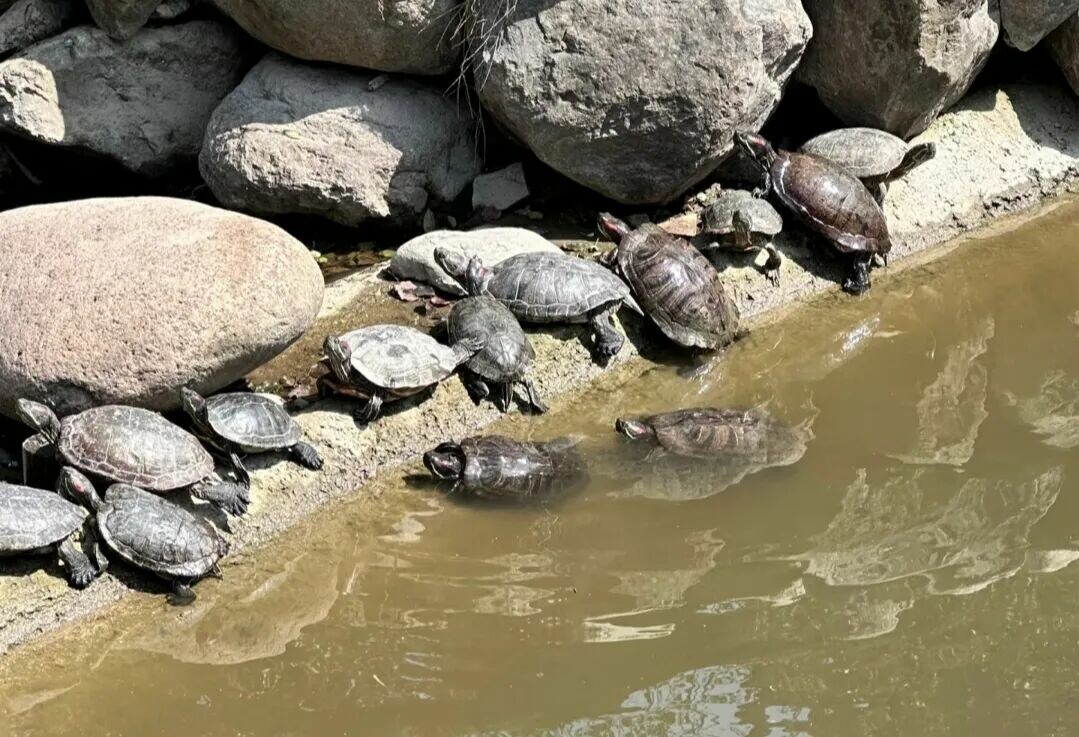
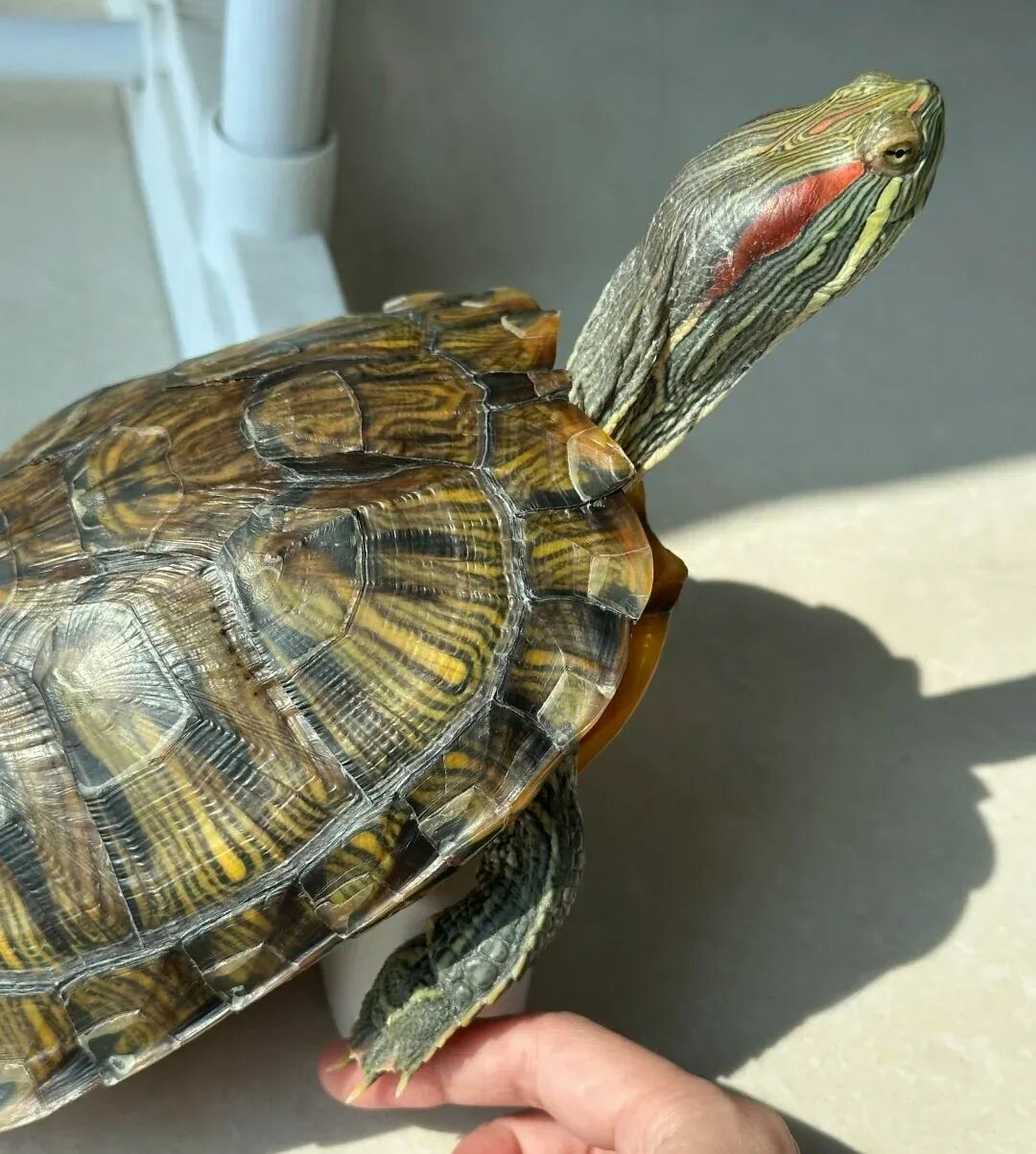
The Red-eared Slider (Trachemys scripta elegans) is native to the Mississippi River basin in the United States. It was introduced to China as a pet in the 1980s and is one of the world’s 100 most destructive invasive species; it is the most numerous turtle species globally, bar none. It has established wild populations in multiple waters in the south and has been included in the “List of Key Management Invasive Alien Species”.
Fall Webworm
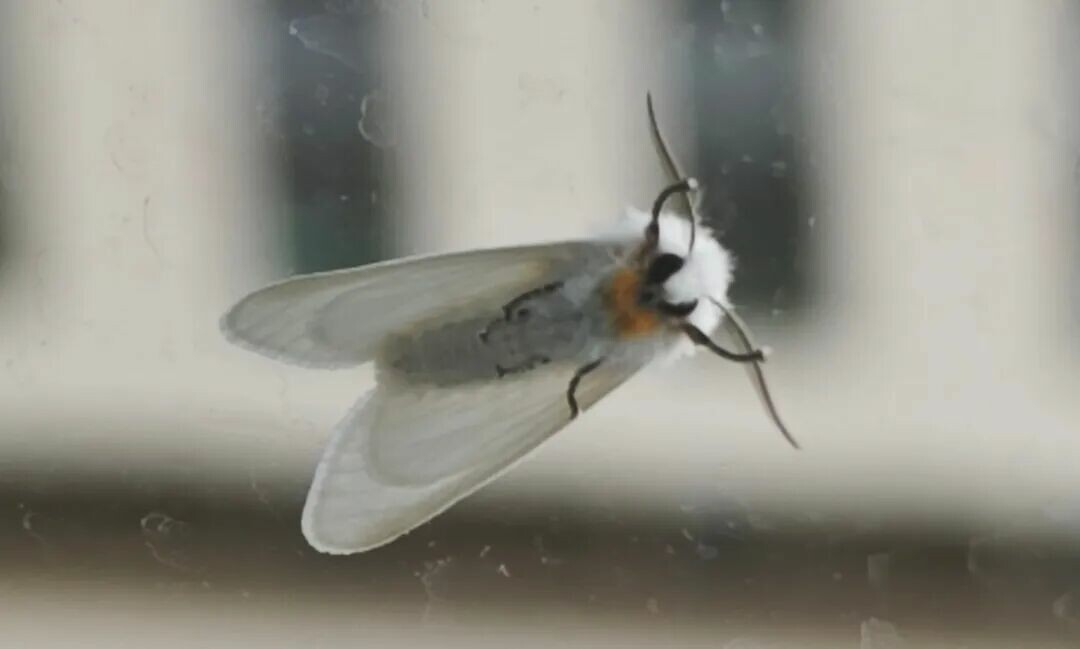
The Fall Webworm (Hyphantria cunea) is native to North America and was first discovered in Dandong, Liaoning in 1979. As a worldwide quarantine pest, its larvae frantically devour the leaves of broad-leaved trees, potentially causing entire forests to die off in severe cases. It has wide transmission routes, spreading by wind as well as via cargo transport, bringing huge losses to China’s forestry ecology and urban greening. It is known as the “smokeless fire”.
American Bullfrog
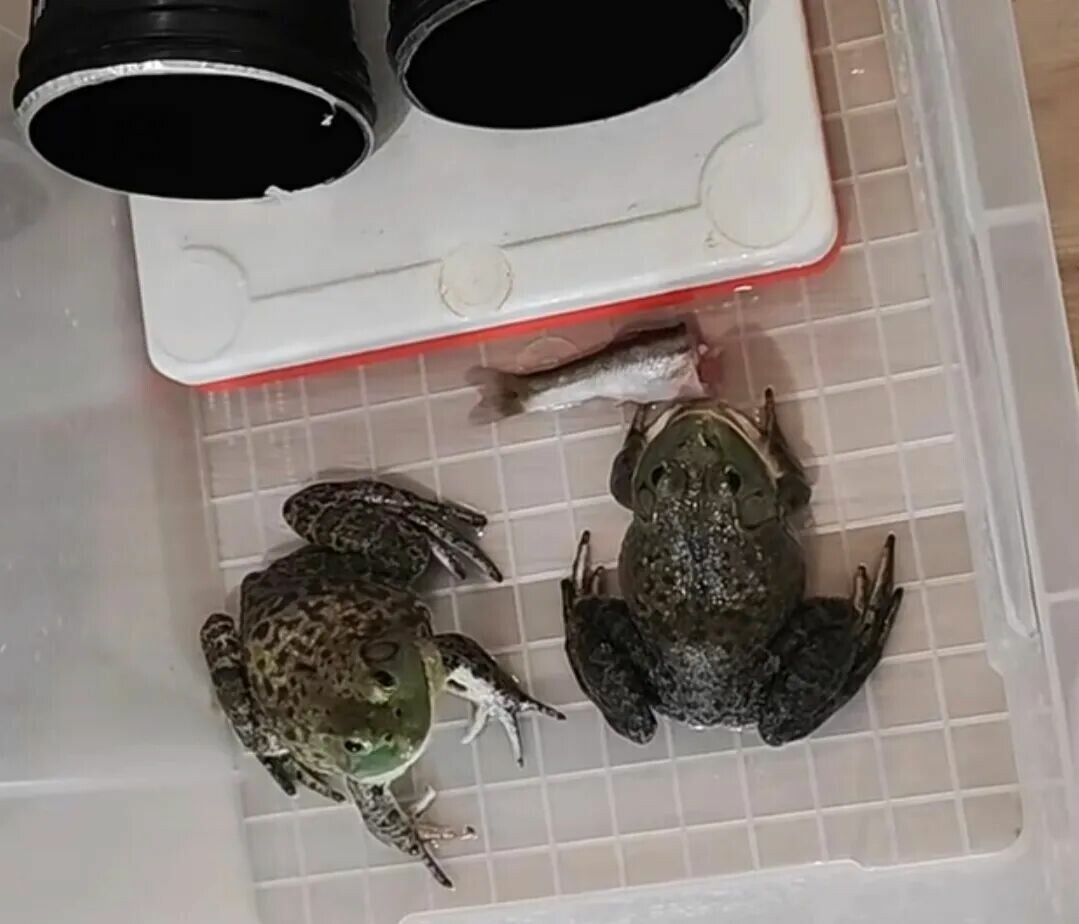
The Bullfrog (American Bullfrog) (Lithobates catesbeianus) is native to North America and was introduced to China in 1959 for its delicious meat. It can be described as the overlord of the frog world; it preys on native frogs and other small animals, causing native frog species in some areas to approach extinction. It has established wild populations in more than 20 provinces across the country, especially in regions south of the Yangtze River. With the rise of the exotic pet trend (referring to non-traditional, uncommon pets), some people have started keeping them as pets; please note that they must not be released into the wild.
Crayfish
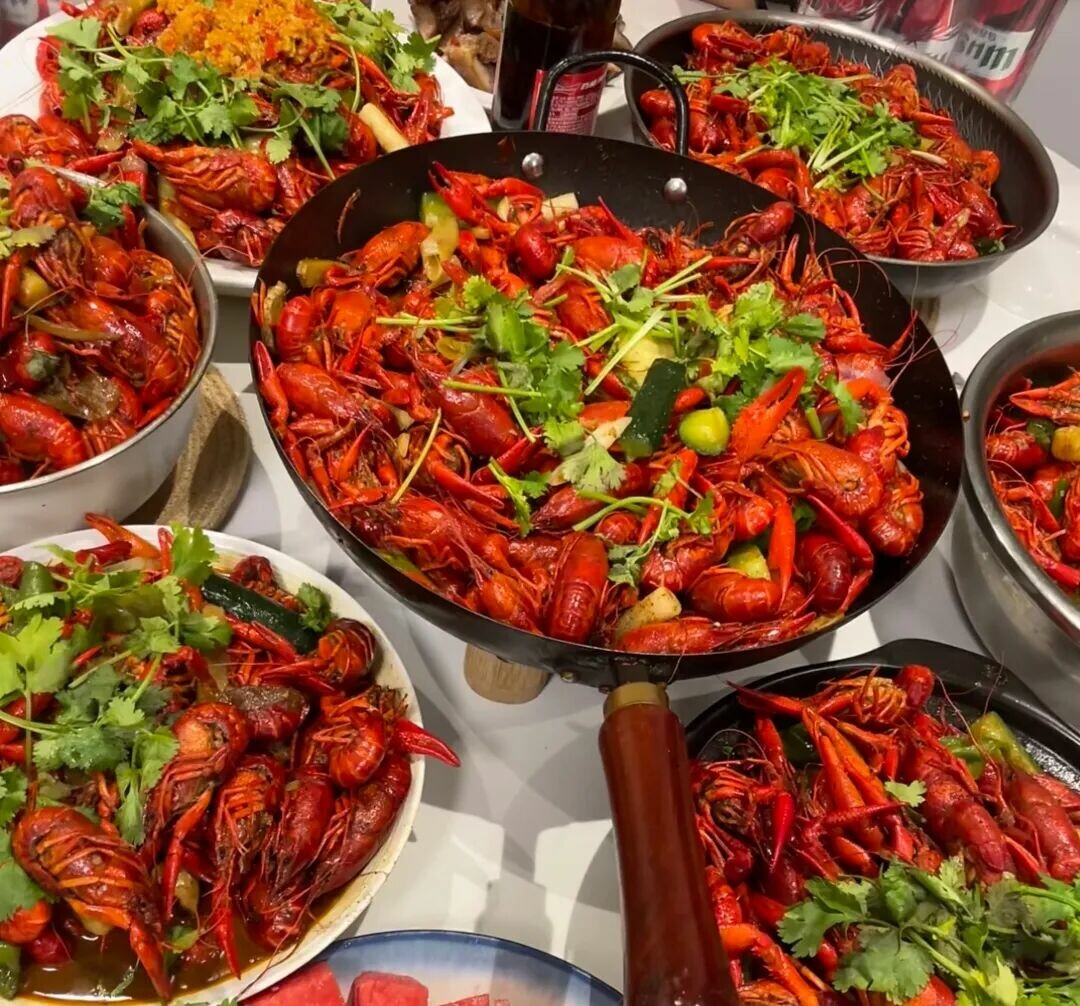
The Crayfish (Red Swamp Crayfish) (Procambarus clarkii) is native to the southern United States and northern Mexico, and was introduced to China in 1929. It has culinary value, but escaped individuals destroy farmland and water conservancy facilities, burrowing holes that cause dams to leak and affecting rice production, etc. Waters all over the country, especially in the middle and lower reaches of the Yangtze River, have become important aquaculture varieties.
Water Hyacinth
I originally intended to make a ranking of animals, but considering that Water Hyacinth (Eichhornia crassipes) is indeed quite harmful—as can be seen in the image above where it covers vast areas—and many fish and turtle enthusiasts like to keep it when setting up ecological tanks (including myself, of course), I included it. Water Hyacinth is native to Brazil and was introduced as an ornamental plant in 1901. It reproduces extremely fast, covering the water surface, which leads to oxygen depletion for fish, blocks navigation channels, and breeds mosquitoes and insects.

Guard the ecology, refuse unintended harm. The spread of these invasive animals is mostly related to human activities; pet abandonment, blind release into the wild, and aquaculture escapes are the main reasons.
Original article by 搬运工, if reproduced, please cite the source: https://www.kaipet.com/en/top-10-invasive-species-china-harmful-red-eared-sliders-red-imported-fire-ants





Comments(1)
I found it sad to learn about red-eared sliders being invasive. What safe rehoming options exist for owners?