Box turtles can be said to be a very popular category in the current “turtle circle” (hobbyist community), and the Eastern Box Turtle is one of the most popular varieties among box turtles. The name “Eastern Box Turtle” comes from the fact that they inhabit the eastern regions of the United States. North American box turtles belong to the family Emydidae, and their family is widely distributed, covering pond turtles and semi-aquatic turtles in the Americas, North Africa, parts of Europe, and Asia. The North American box turtle genus (*Terrapene*) contains 4 species:
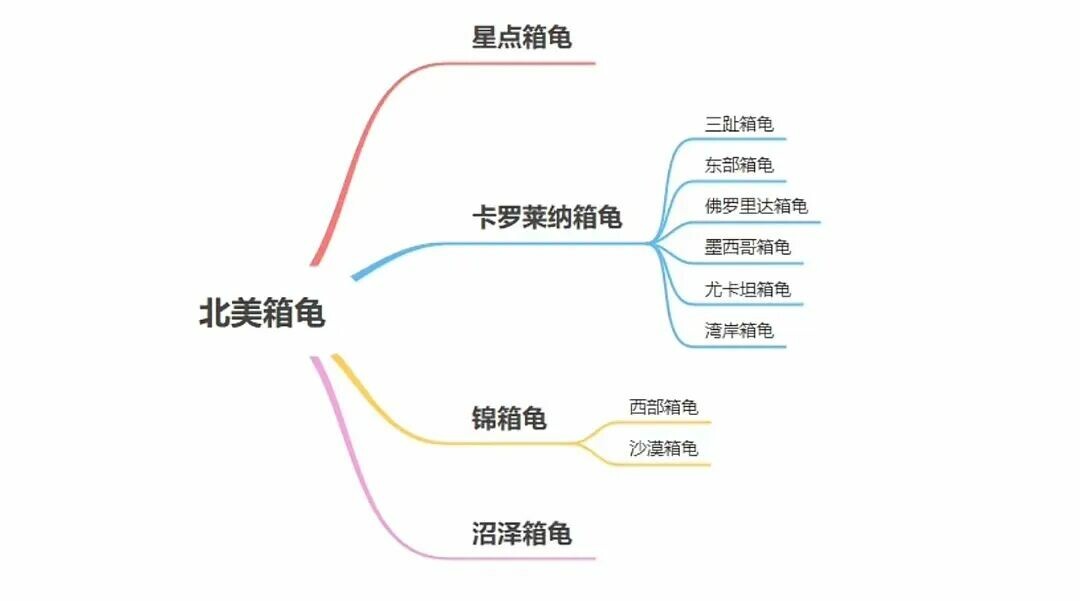
Common Box Turtle (*Terrapene carolina*): Includes 6 subspecies: Eastern Box Turtle, Three-toed Box Turtle, Florida Box Turtle, Gulf Coast Box Turtle, Yucatan Box Turtle, and Mexican Box Turtle.
Ornate Box Turtle (*Terrapene ornata*): Includes 2 subspecies: Western Box Turtle and Desert Box Turtle.
Spotted Box Turtle and Coahuilan Box Turtle: Rarely seen in the pet market; only a very small number of hobbyists in China possess them.
Common box turtle varieties in the domestic market in China include the Three-toed Box Turtle, Coahuilan Box Turtle, Florida Box Turtle, etc. Today, we will focus on introducing the Eastern Box Turtle.
Biological Characteristics of the Eastern Box Turtle
Size and Appearance
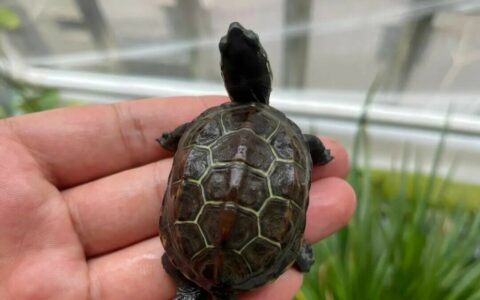
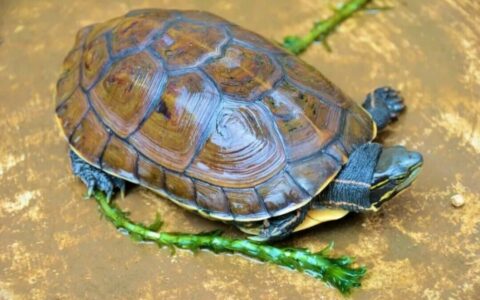
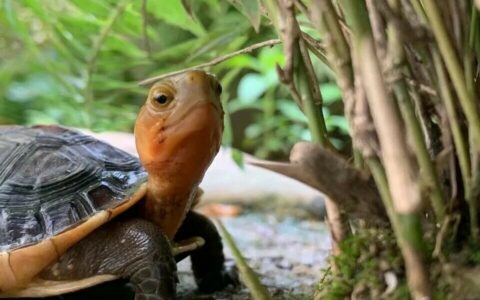
The Eastern Box Turtle is medium-sized, generally with a body length of 11~15 cm (approx. 4.3~5.9 inches), although individuals reaching 17.7 cm (approx. 7 inches) have been found among captured specimens. The plastron of all box turtles can close completely. They have a high, domed carapace. The dark brown carapace is distributed with yellow, orange, and red spots of varying sizes, forming a highly attractive pattern. These patterns allow them to hide very well among fallen leaves.

Eastern Box Turtles are variable in color, but the base color of the carapace is usually brown or black. The limbs are short and sturdy; the front feet have 5 toes, while the hind feet have 4 toes.
Growth and Lifespan
In the growth of most turtle species, hatchlings are more beautiful than adults, but the Eastern Box Turtle is the opposite. Adults possess more brilliant colors and unique patterns, while hatchlings have indistinct features, making them true “potential stocks” (diamonds in the rough).
There is no precise number regarding their lifespan, as it varies greatly due to their living environment (wild vs. artificial captivity) and individual differences. The typical lifespan of a wild Eastern Box Turtle is 25–35 years, and the average under artificial captivity is 30–40 years, but there are examples of longevity reaching over 100 years.
Origin and Distribution
The Eastern Box Turtle is naturally distributed from southern Canada and the central-eastern United States to south-central Texas. In the eastern United States, they can be found from eastern Texas and Oklahoma to the Atlantic coast, with a small distribution near the Great Lakes as well.
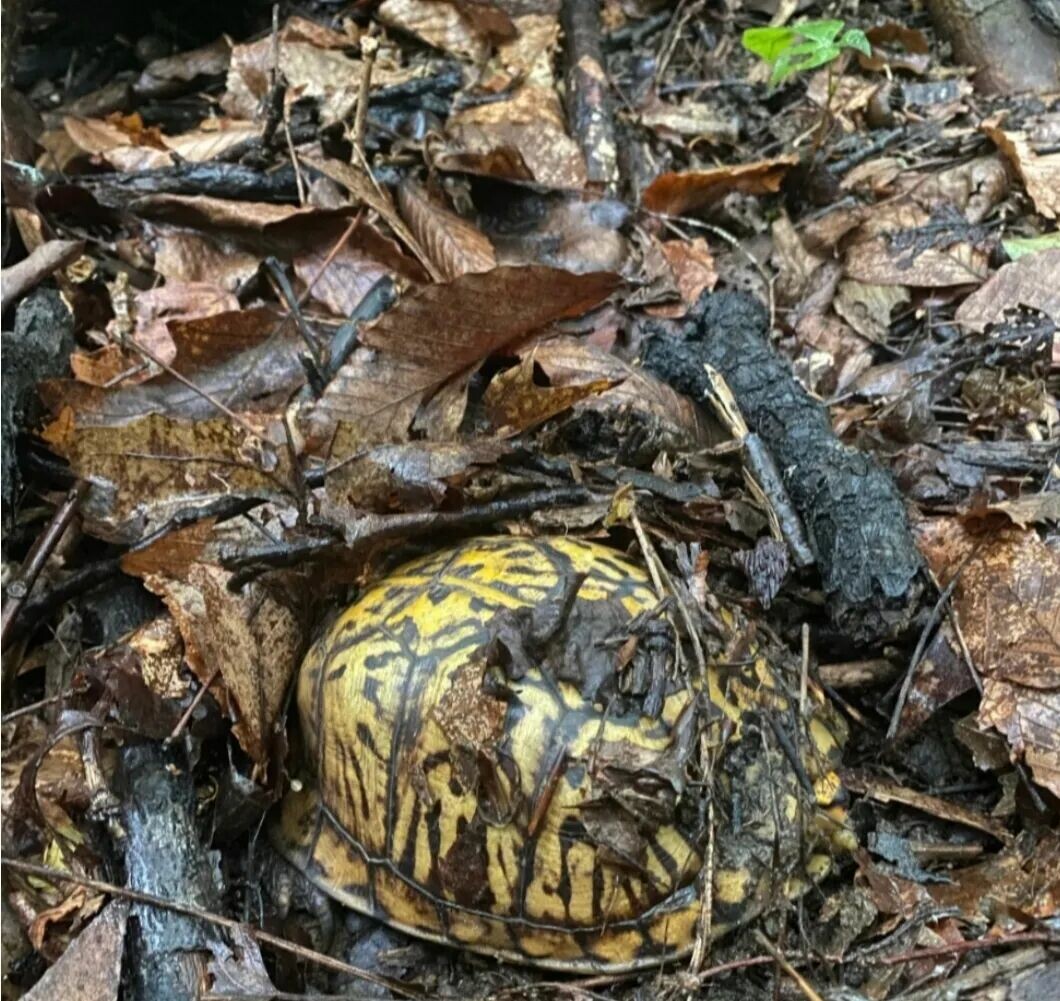
This type of turtle inhabits various types of wooded areas, including hardwood forests, mixed oak-pine forests, pine flatwoods, hardwood swamps, and agricultural areas. They prefer moderately moist forest floors with good drainage; low-lying woodlands are favored over mountainous woodlands.
Living Habits
The Eastern Box Turtle is a typical omnivore. Its diet in the wild includes plant-based foods such as fruits, berries, mushrooms, and various flowers and grasses. They also actively hunt earthworms, snails, slugs, and various wild mushrooms. Surprisingly, they can eat mushrooms that are toxic to humans and remain unharmed.
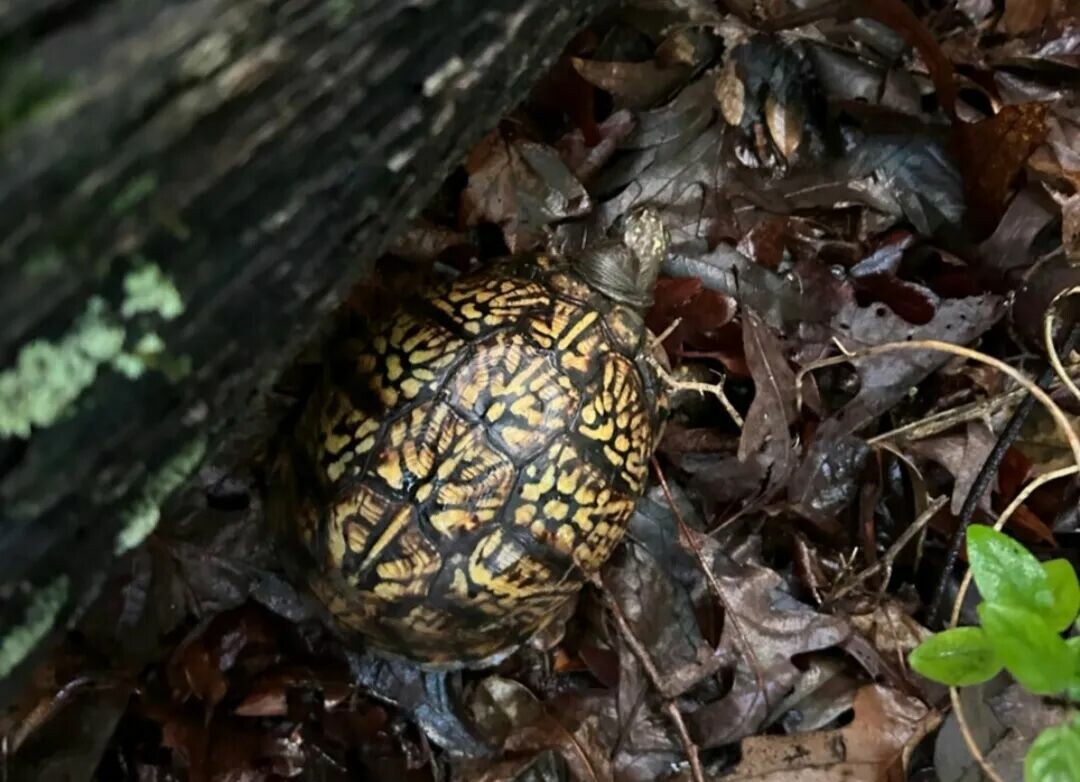
The range of activity for these turtles is very limited. If environmental conditions do not change, they may spend their entire lives moving within an area the size of a football field.
Setting Up the Enclosure
First, a sufficiently large enclosure should be prepared. Place chemical-free potting soil or coco coir bricks at the bottom. The soil depth should ideally be higher than the turtle’s back, as box turtles have a natural instinct to dig.
Absolutely do not use pine bark or cedar shavings. The aromatic oil components contained in them can cause permanent damage to the turtle’s nasal mucosa and even lead to death.
Humidity is crucial for the growth of box turtles; an environment that is too dry can lead to shell deformities. Environmental humidity should be maintained between 70% and 90%. You need to spray water on the substrate frequently and place the water basin under the lamp to accelerate the formation of water vapor.
Dietary Management
The recommended diet for Eastern Box Turtles is: 50% high-protein food (such as earthworms, snails, insects, etc.), 10% high-fiber leafy greens, and 40% other vegetarian food (fruits, mushrooms, etc.). Under artificial captivity, they can be fed crickets, mealworms, small fish, and other animal proteins, as well as shiitake mushrooms, greens, and fruits.
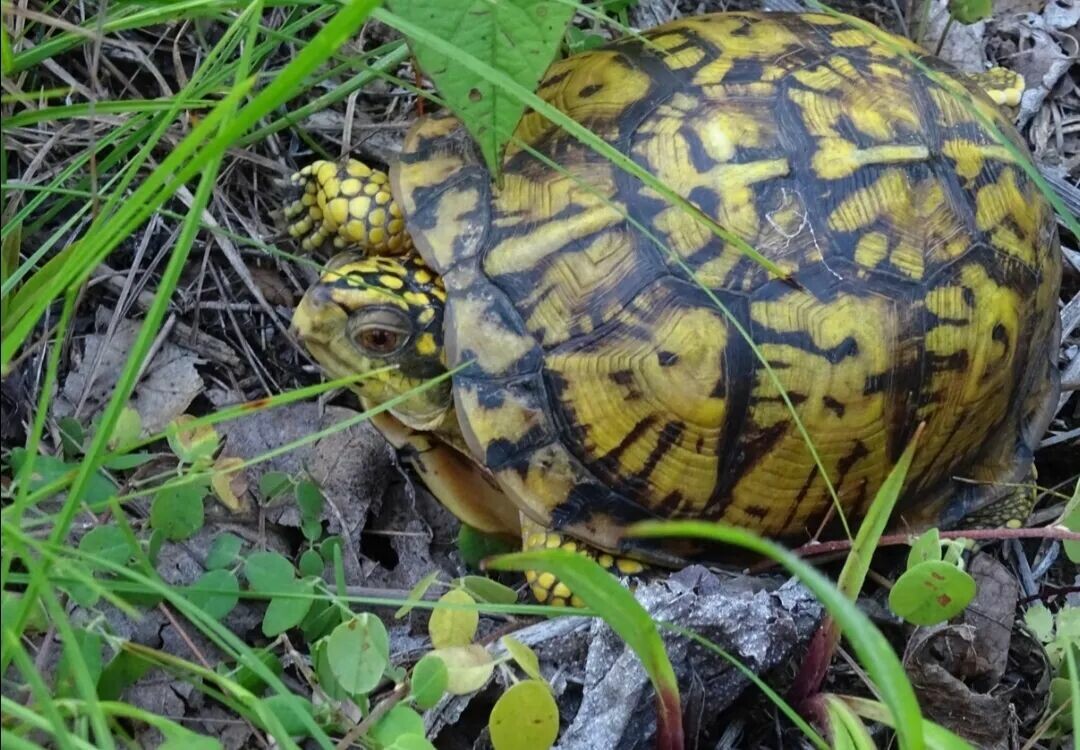
They have a rather large appetite and are happy to feed on carrion in the wild. It is worth noting that if the opportunity arises, they will also prey on bird eggs and chicks in nests, or snails, earthworms, and beetles. When keeping them artificially, one should follow their natural habits and feed them correct foods.
Reproductive Characteristics
Hatchlings reach sexual maturity after 5 to 7 years, but in reality, it takes 10-20 years to fully reach sexual maturity. Male Eastern Box Turtles will look for females to mate with after hibernation ends. Once a female is impregnated, she can store sperm for up to 4 years. Therefore, during this period, even if the female does not mate again, she can still produce fertilized eggs.
Females lay eggs from May to June each year, producing 3 to 8 eggs per clutch. Their incubation period is generally 60 to 75 days, and the incubation temperature needs to remain stable at around 30 degrees Celsius (86 degrees Fahrenheit).
Hibernation Behavior
From the distribution of their origin, it can be seen that the latitude distribution of Eastern Box Turtles is very wide, and they can hibernate in their place of origin. Winter temperatures maintained at 10 to 16 degrees Celsius (50 to 61 degrees Fahrenheit) for 2 to 4 months are sufficient to meet hibernation conditions.

In the natural environment, Eastern Box Turtles overwinter in the soil a few centimeters deep under piles of fallen leaves and grass clumps. They end hibernation in early spring and remain active until late autumn. They are basically similar to the Yellow-margined Box Turtle, burrowing deeper into the sandy soil as the weather gets colder.
In archaeological sites in Virginia, box turtle shells are often found used as food containers or rattles. Today, the descendants of these ancient creatures are facing new survival challenges, but I believe that every responsible choice in keeping them is writing a future chapter for this species.
Original article by 搬运工, if reproduced, please cite the source: https://www.kaipet.com/en/raise-eastern-box-turtles-comprehensive-guide-environment-diet-hibernation